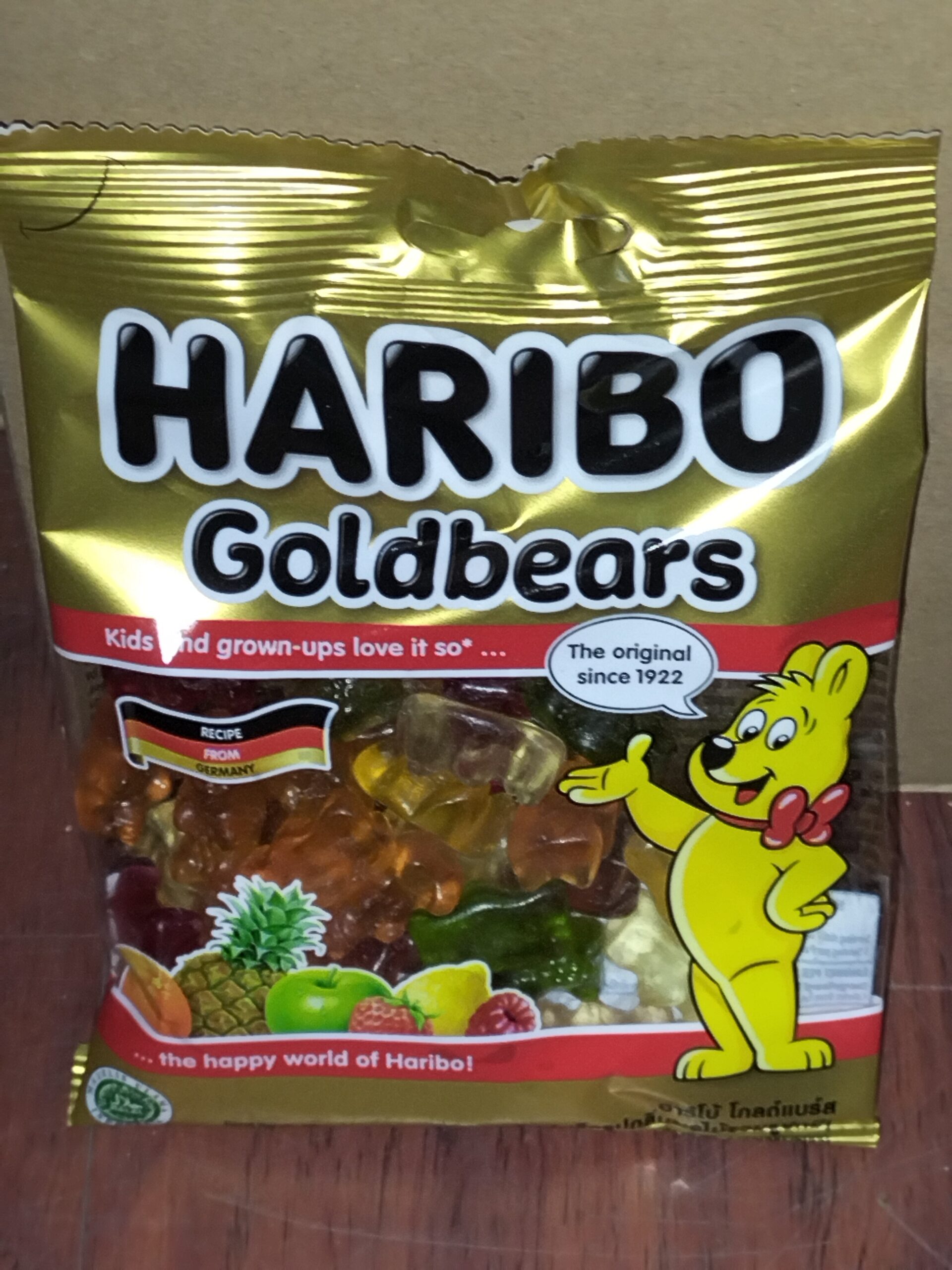
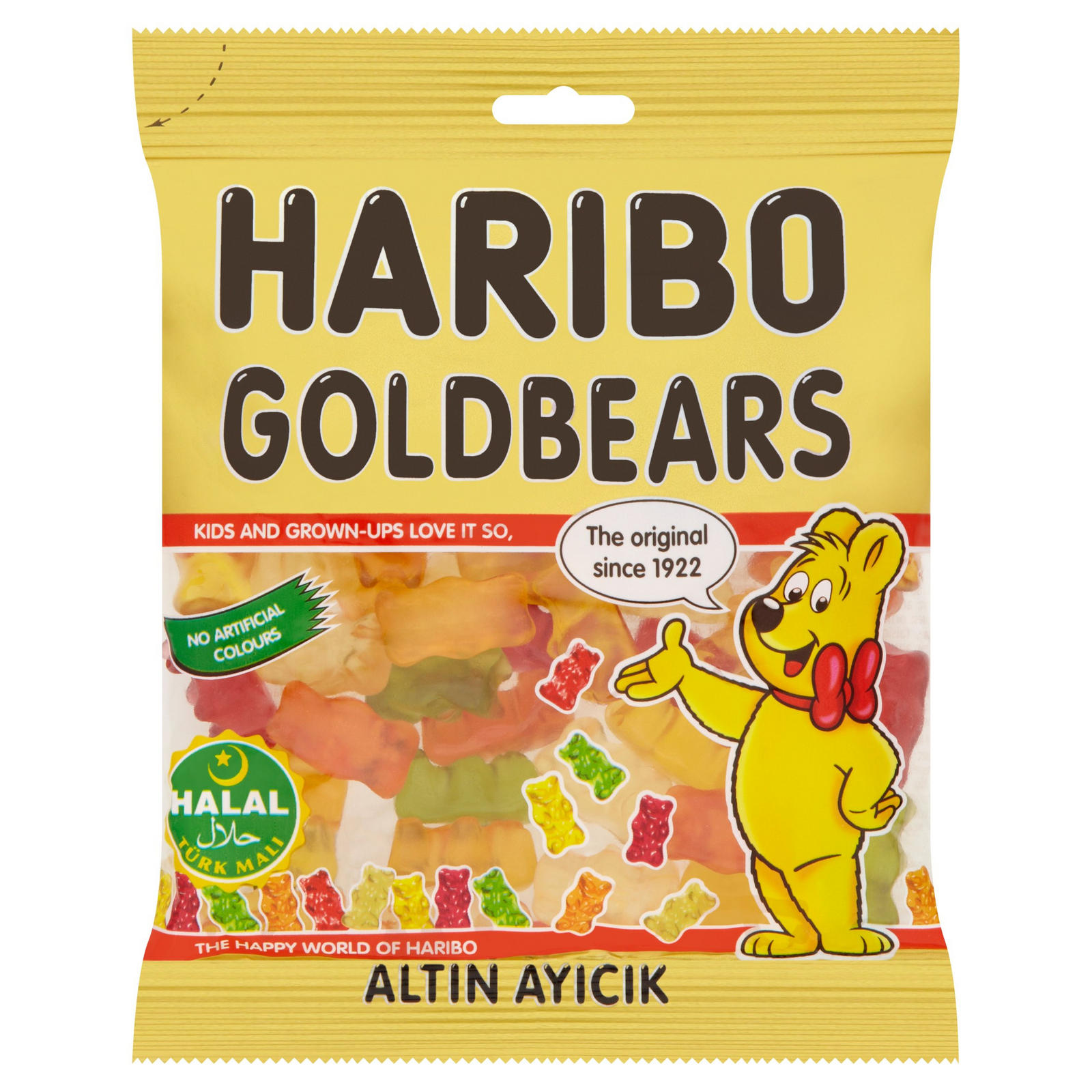
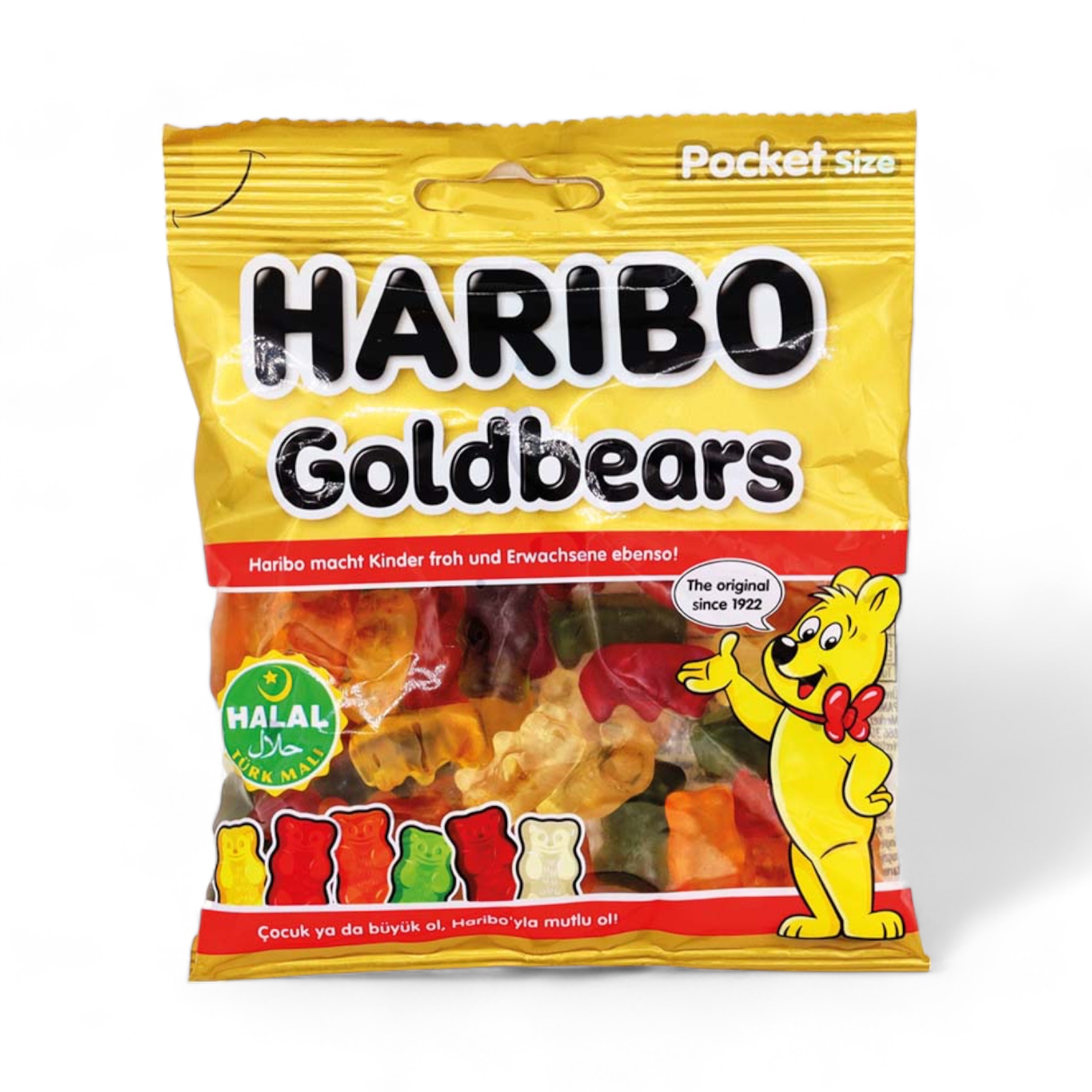
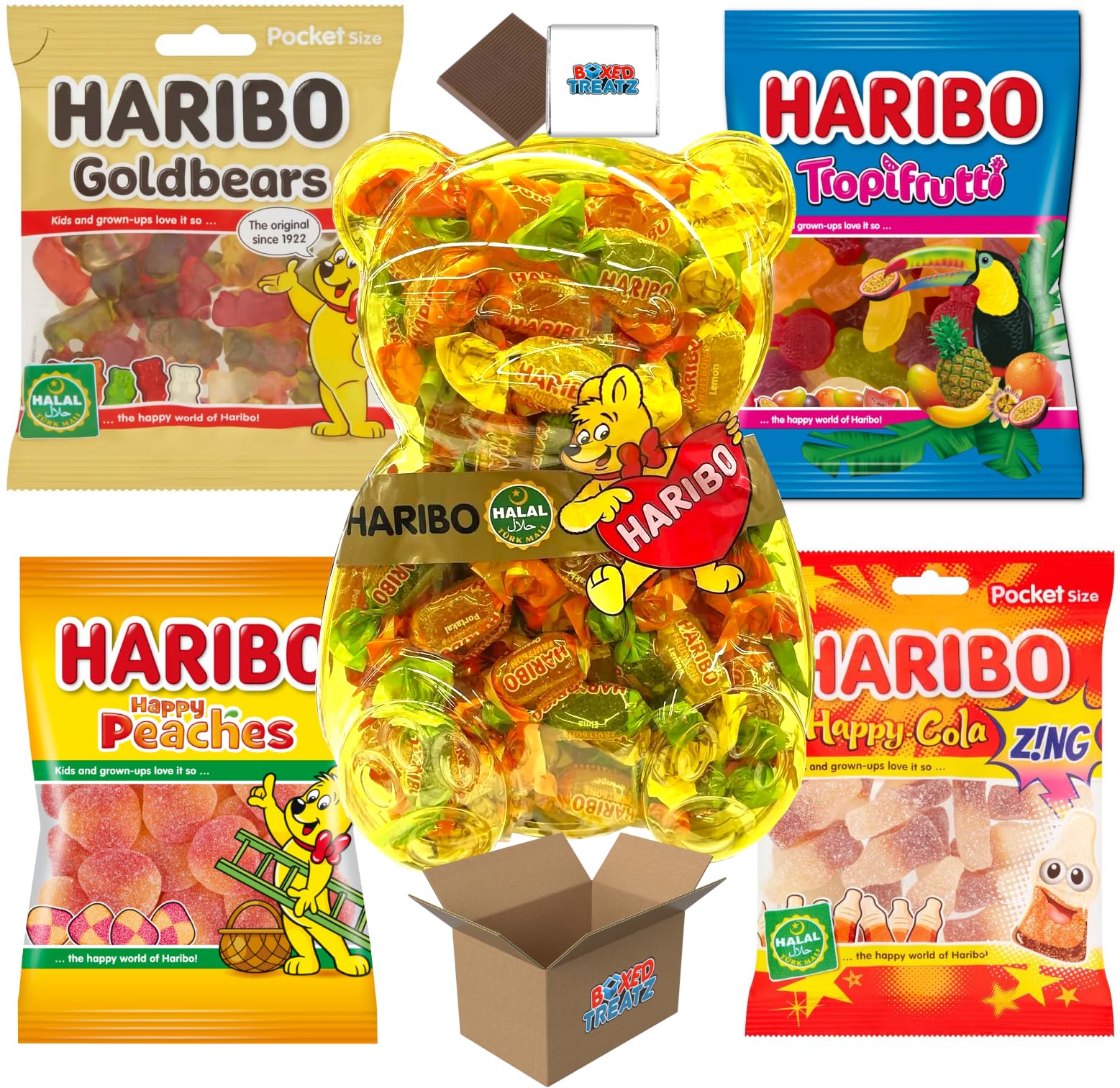
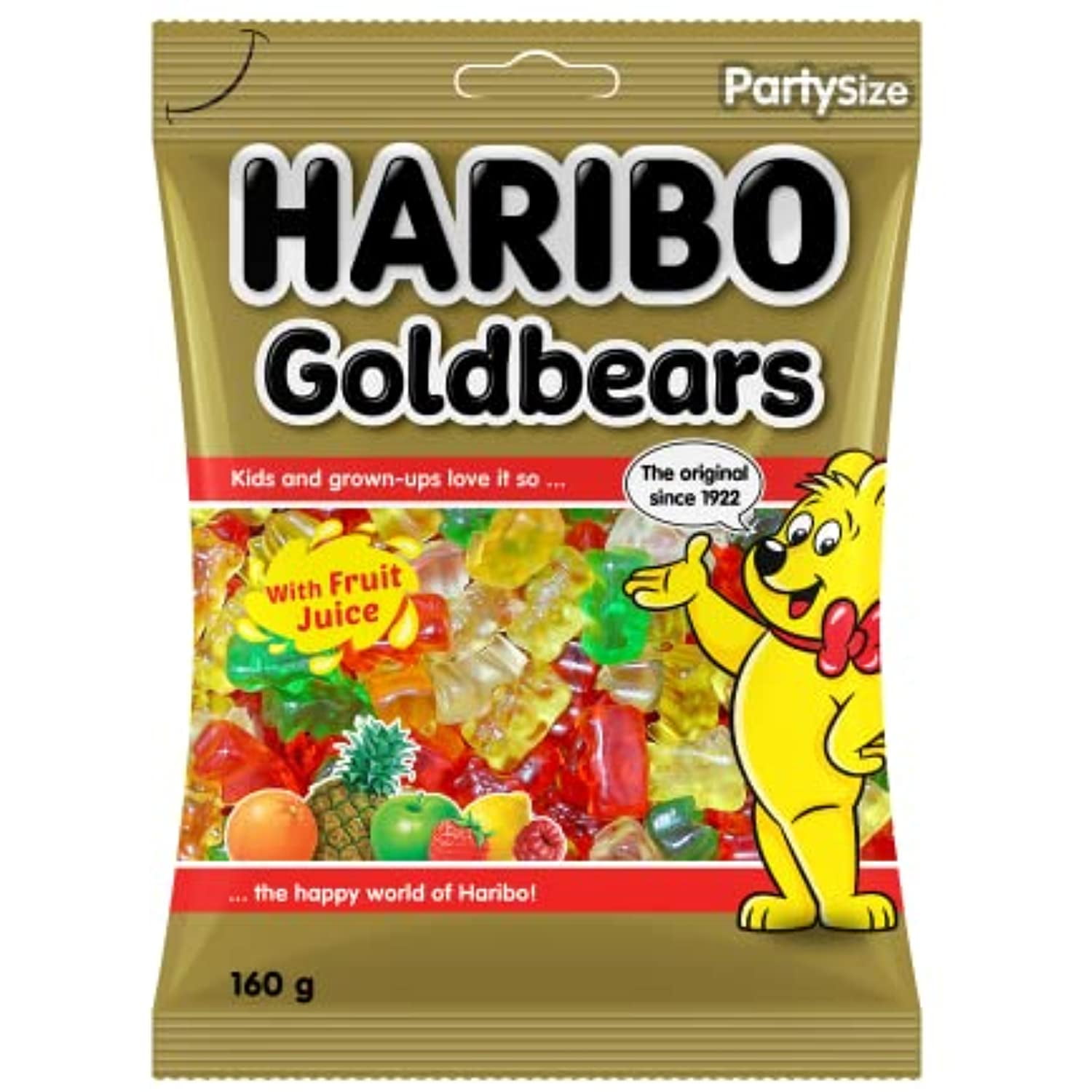
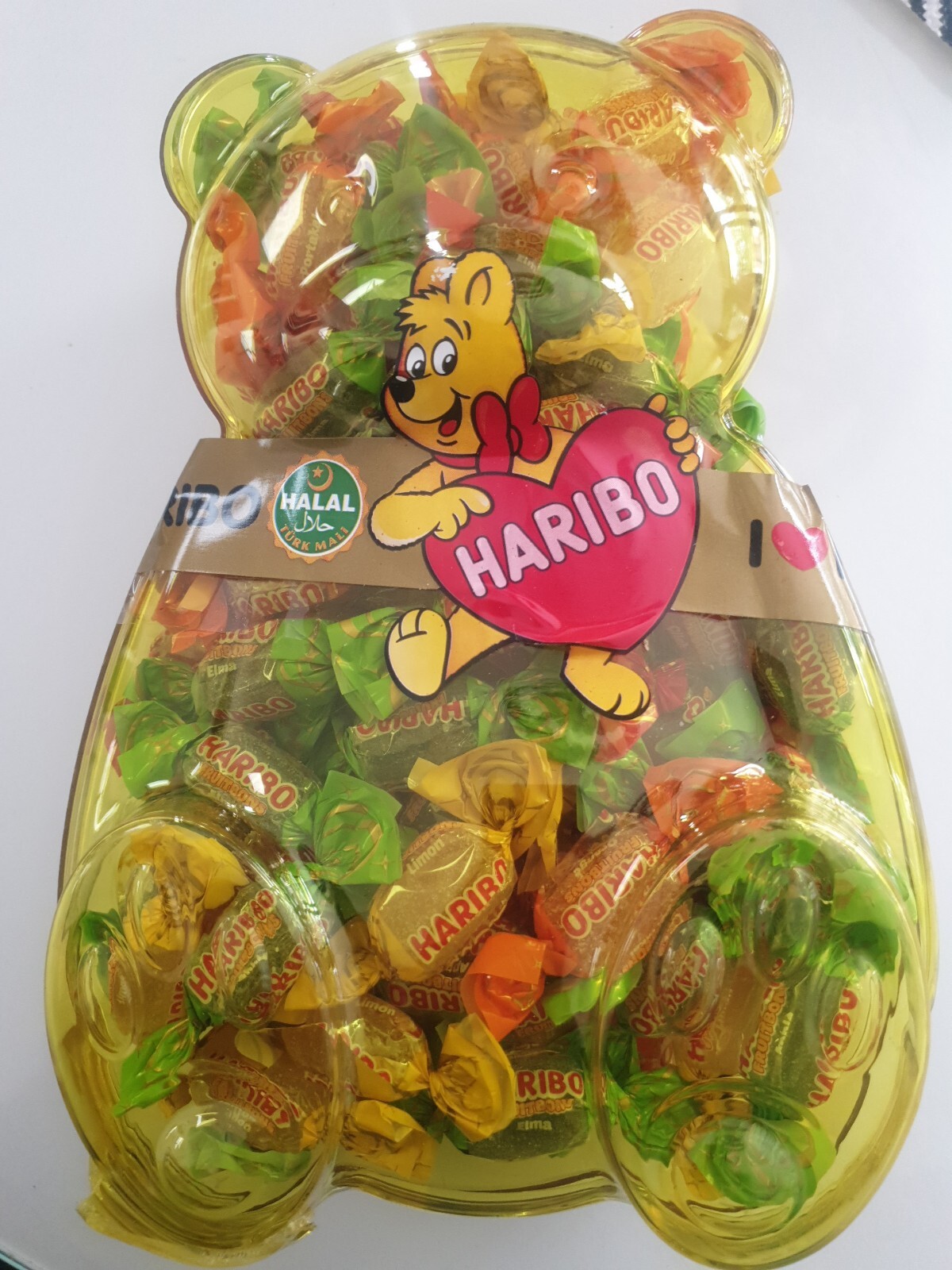
Haribo gummy bears are not universally halal. Their status depends entirely on the country of manufacture and the specific ingredients used in that batch. While standard Haribo products in the United States, United Kingdom, and Germany typically use porcine (pork-based) gelatin, Haribo produces a dedicated line of halal-certified products in its Turkey-based factory using bovine (beef) gelatin. To ensure a product is halal, consumers must verify the presence of an official halal certification seal and confirm the country of origin on the packaging.
Understanding the Halal Status of Haribo
For the Muslim community, determining whether a confectionery product is halal—permissible under Islamic law—requires a close look at the source of its gelling agents. Haribo, a global leader in the gummy candy market, operates several manufacturing facilities worldwide. Because these facilities cater to different regional markets and utilize different supply chains, the "halalness" of a bag of Goldbears is not a fixed attribute of the brand, but rather a variable of its production logistics.
As of 2026, Haribo continues to utilize three primary types of setting agents: porcine gelatin, bovine gelatin, and starch-based (vegan) alternatives. The core issue for halal compliance is the porcine gelatin, which is derived from pigs and is strictly forbidden (haram) in Islam. Even when bovine gelatin is used, it must come from cattle slaughtered according to Sharia principles (Zabiha) to be considered truly halal.
The Role of Gelatin in Gummy Confectionery
To understand why this is a complex issue, one must understand what gelatin is. Gelatin is a protein obtained by boiling the skin, tendons, ligaments, and bones of animals. It is the magic ingredient that gives Haribo Goldbears their signature "bounce" and chewy texture.
In the majority of Haribo’s European and North American factories, porcine gelatin is the preferred medium because of its cost-effectiveness and the specific structural integrity it provides to the candy. However, because pigs are prohibited in Islam, any candy containing even a trace of porcine-derived gelatin is haram.
The Turkish Manufacturing Exception
The most important distinction for halal seekers is the Haribo factory located in Turkey. This facility is dedicated to producing products that meet the dietary requirements of Muslim-majority markets.
Every product manufactured in the Turkish facility uses 100% bovine gelatin. Furthermore, this gelatin is sourced from suppliers who provide halal-certified beef. The production lines in Turkey are audited by Islamic certification bodies to ensure there is no cross-contamination with non-halal substances. If your bag of Haribo says "Made in Turkey" (or "Product of Turkey"), it is significantly more likely to be halal, provided it also carries a recognized certification mark.
How to Identify Halal Haribo Products
Identifying halal Haribo requires more than just looking at the brand name. In 2026, the global supply chain means that a bag of Haribo in a London or New York corner store could have been imported from Turkey, or it could have been made locally in the UK or the US.
1. Check the Country of Origin
Flip the bag over and look for the manufacturing information.
- Made in Germany, UK, Austria, or France: These products almost certainly contain porcine gelatin and are not halal.
- Made in the USA: Standard US production uses porcine gelatin. While Haribo has expanded US manufacturing, the primary recipe remains pork-based unless stated otherwise.
- Made in Turkey: These are the products produced with bovine gelatin specifically for the halal market.
2. Look for Official Halal Certification Seals
A "Made in Turkey" label is a strong indicator, but for strict adherence, look for a certification seal. Haribo's halal range is typically certified by organizations such as:
- EHZ (European Halal Certification Center): Often found on exports to Europe.
- TSE (Turkish Standards Institution): Common on products originating from the Turkish domestic market.
- GIMDES: Another reputable Turkish certification body.
These symbols guarantee that an independent third party has inspected the facility and the ingredients to confirm they meet Islamic standards.
3. Read the Ingredient List
If a product is halal, the ingredient list will explicitly state "Bovine Gelatin" or "Beef Gelatin" rather than just "Gelatin." In the EU and UK, labeling laws are strict, but the term "Gelatin" on a standard pack almost always implies a porcine source unless specified.
Haribo Ingredient Analysis: Beyond Gelatin
While gelatin is the primary concern, other ingredients in Haribo gummy bears also undergo scrutiny by halal auditors.
Glazing Agents: Beeswax and Carnauba Wax
Haribo uses glazing agents to give the bears their shine and prevent them from sticking together. These are typically beeswax and carnauba wax. Both are generally considered halal. Beeswax is a natural secretion from bees, and carnauba wax is derived from the leaves of the Copernicia prunifera palm. Neither poses a religious conflict for most consumers.
Alcohol-Based Flavorings and Colors
In some confectionery processes, ethanol (alcohol) is used as a carrier for flavors or colors. For a product to be certified halal, the final alcohol content must be negligible (usually below 0.1% or 0.5% depending on the certification body) and must not be derived from grapes or dates. Haribo’s halal-certified line ensures that any flavor carriers used meet these strict limits.
Glucose Syrup and Acidulants
Haribo uses glucose syrup (from wheat or corn), sugar, and dextrose as sweeteners. These are plant-derived and inherently halal. The acidulants used, such as citric acid and malic acid, are also typically produced via fermentation or synthetic means that do not involve animal products.
Comparison of Haribo Varieties and Their Halal Status
The following table provides a quick reference for the most common Haribo products found globally in 2026.
| Product Variety | Primary Gelling Agent | Typical Status | Verification Method |
|---|---|---|---|
| Standard Goldbears (EU/USA) | Porcine Gelatin | Haram | Label states "Gelatin"; Made in Germany/USA |
| Halal Goldbears (Export) | Bovine Gelatin | Halal | "Made in Turkey" + Halal Seal (EHZ/TSE) |
| Haribo Phantasia (Standard) | Porcine Gelatin | Haram | Standard European production |
| Haribo Chamallows (Standard) | Porcine Gelatin | Haram | Marshmallows require high gelatin density; usually pork |
| Haribo Chamallows (Halal) | Bovine Gelatin | Halal | Must feature "Halal" logo on the front |
| Haribo Sour Sparks (Vegan) | Pectin/Starch | Halal (Vegan) | Check for "Vegetarian/Vegan" green label |
| Haribo Rainbow Strips | Pectin/Starch | Halal (Vegan) | Often starch-based; check ingredients |
Vegan and Vegetarian Haribo: A Safe Alternative?
For many Muslim consumers, if a certified halal version of Haribo is not available, the vegan or vegetarian ranges serve as a reliable alternative. Haribo has significantly expanded its plant-based portfolio by 2026 to meet the growing demand for "meat-free" sweets.
Products labeled with the V-Label (European Vegetarian Union) do not contain any animal-derived gelatin. Instead, they use:
- Pectin: A polysaccharide found in the cell walls of fruits (usually apples or citrus).
- Starch: Derived from corn, potatoes, or tapioca.
- Agar-Agar: A jelly-like substance obtained from red algae.
Because these ingredients are 100% plant-based, they do not require the animal to be slaughtered in a specific way, making them naturally halal regarding the gelling agent. However, strict consumers should still check for the absence of cochineal (E120), a red dye made from insects, though Haribo has largely phased this out in favor of fruit and plant concentrates like black currant, carrot, and hibiscus.
Common Misconceptions About Halal Haribo
As the brand's popularity grows, several myths have circulated regarding the permissibility of their candies. It is vital to debunk these to ensure correct dietary practice.
"If it's sold in a Muslim country, it's definitely halal."
While most products in countries like Saudi Arabia, the UAE, or Malaysia are required by law to be halal, imports do happen. Always look for the certification on the individual bag rather than assuming the retailer has done the vetting.
"Beef gelatin is always halal."
This is a frequent point of confusion. Bovine (beef) gelatin is only halal if the cow was slaughtered according to the rules of Zabiha. This includes the invocation of the name of Allah (Tasmiya) and a swift incision to the jugular vein. Beef gelatin from a standard US or European slaughterhouse is generally not considered halal by the majority of Islamic scholars. Therefore, "beef gelatin" on a label is not enough; the "halal" certification is what confirms the slaughter method.
"Haribo in the UK is now all halal."
This is false. While some UK retailers (especially in areas with large Muslim populations) stock the halal-certified imports from Turkey, the standard Haribo found in major supermarkets like Tesco, Sainsbury's, or Asda is still the version produced with porcine gelatin.
The Global Supply Chain: Where to Buy Halal Haribo
In 2026, sourcing halal Haribo is easier than in previous decades, but it requires intentional shopping.
- Specialty Ethnic Grocers: Middle Eastern or South Asian grocery stores are the most reliable source for the Turkish-made, halal-certified versions of Goldbears, Happy Cola, and Starmix.
- The "Halal Aisles": Many large international supermarkets now have dedicated sections for halal-certified packaged goods.
- Online Retailers: Platforms like Amazon or specialized halal candy websites often sell bulk packs of Turkish Haribo. When ordering online, it is crucial to read the product description carefully to ensure you are not buying the domestic German or US version by mistake.
- Direct from Turkey: If you are traveling through international airports in the Middle East, the duty-free shops are almost exclusively stocked with the halal-certified Turkish variants.
Frequently Asked Questions
Are Haribo Goldbears in the UK halal?
Generally, no. Standard Haribo Goldbears sold in the UK are manufactured in West Yorkshire or imported from Germany, and both use porcine gelatin. However, you can find halal-certified Goldbears in independent shops that import them from Turkey. Always check the back of the pack for the "Made in Turkey" label.
Is the gelatin in Turkish Haribo 100% beef?
Yes, the Turkish facility uses only bovine gelatin. Haribo established this facility specifically to cater to the Islamic world and vegetarian/halal requirements. The facility is strictly monitored to ensure no porcine products ever enter the premises.
Can Muslims eat Haribo Fruitilicious?
Haribo Fruitilicious is often marketed as having 30% less sugar and sometimes uses different gelling agents. However, many versions still contain porcine gelatin. You must check the specific packaging for the "Vegetarian" logo or a Halal seal. If it has neither, and contains "gelatin," it should be avoided.
What is the difference between Zabiha Halal and just "Halal" on candy?
In the context of Haribo, "Halal" usually implies that the animal was slaughtered according to Zabiha standards. Certification bodies like EHZ do not certify bovine gelatin unless the slaughter process was compliant with Islamic law. Therefore, for candy, the two terms are effectively synonymous.
Does Haribo use E120 (Carmine) in its halal products?
Most Haribo products today use fruit and plant concentrates (like spirulina, radish, and apple) for coloring. Carmine (E120), which is derived from insects and is a subject of scholarly debate regarding its halal status, is rarely used in the modern Haribo lineup, but it is always best to scan the ingredient list for "E120" or "Carmine."
Practical Recommendation for Consumers
To ensure your sweets are compliant with Islamic dietary laws, the safest course of action in 2026 is to only purchase Haribo that displays a clear Halal logo on the front or back of the packaging.
If you are in a standard supermarket and see no Halal logo, look for the Green Vegetarian/Vegan label. If neither is present, the product likely contains porcine gelatin. For those who prefer the classic Goldbears taste, seek out "Made in Turkey" versions at specialty retailers or verified online halal vendors. By verifying both the gelling agent source and the third-party certification, you can enjoy Haribo with complete peace of mind.