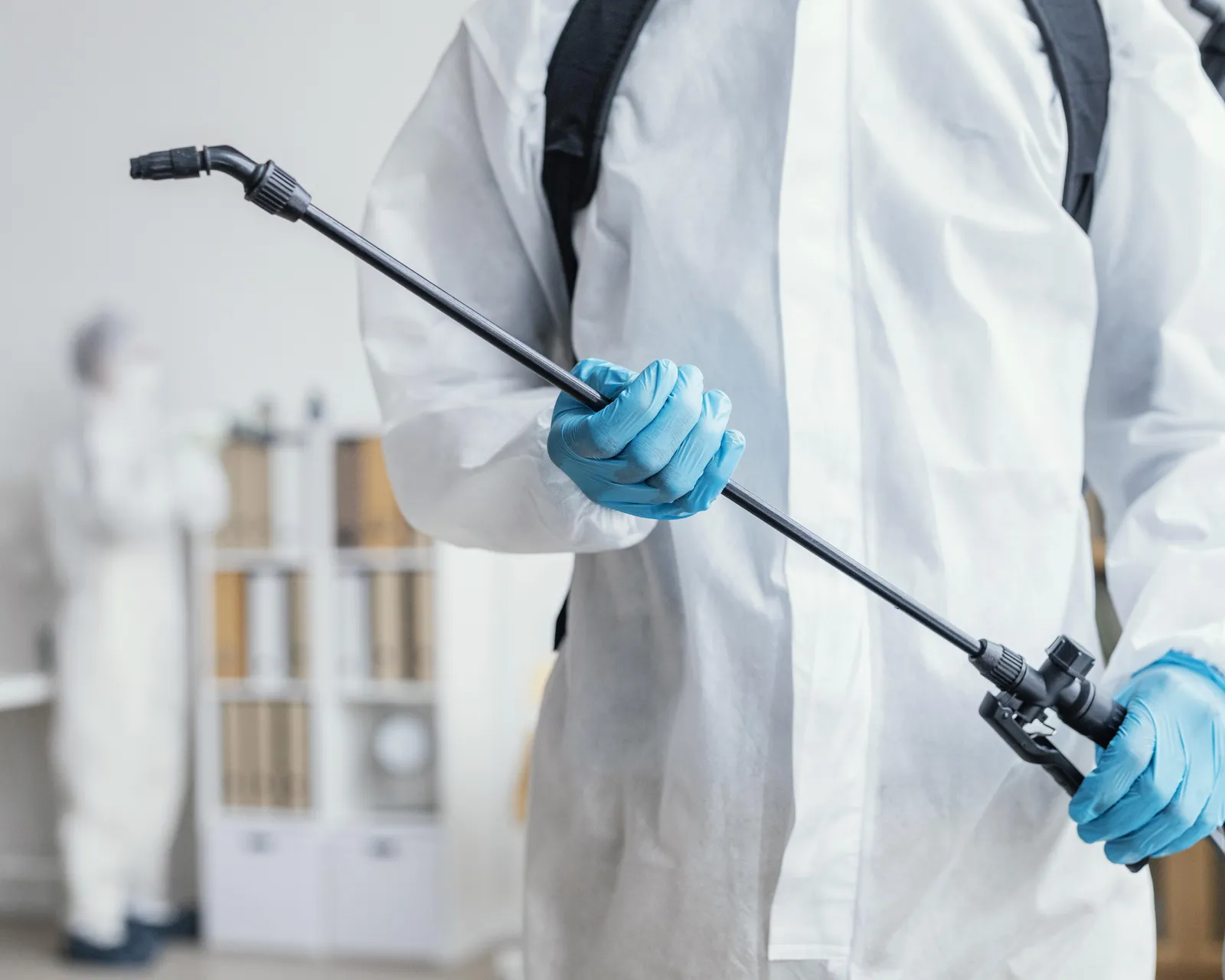
A and E Pest Control services provide professional residential and commercial pest management, focusing on the identification, elimination, and prevention of common household and structural invaders. These services typically include detailed inspections, customized treatment plans for insects and rodents, and long-term preventative maintenance designed to protect property integrity and occupant health.
Professional pest management has evolved significantly by 2026, moving away from high-volume chemical spraying toward Integrated Pest Management (IPM). This methodology prioritizes understanding the biology of the pest and using a combination of biological, cultural, physical, and chemical tools to minimize risks to people, property, and the environment. When engaging A and E Pest Control, clients are entering into a partnership aimed at creating a pest-resistant environment through both professional intervention and homeowner education.
The Core Services of A and E Pest Control
Understanding the breadth of services offered is the first step in resolving a pest infestation. A and E Pest Control organizations generally categorize their offerings into three main pillars: general pest maintenance, specialized wood-destroying organism (WDO) treatments, and wildlife exclusion.
General Pest Maintenance and Prevention
General pest control covers the "usual suspects" found in residential and commercial settings. This includes ants, spiders, cockroaches, silverfish, and crickets. In 2026, these services are often delivered via quarterly or bi-monthly subscription models. The primary goal of general maintenance is to establish a robust exterior perimeter barrier that prevents pests from entering the structure in the first place.
Technicians focus on "hot spots" such as entry points (windows and doors), utility penetrations, and eaves. By applying targeted residual treatments and granular baits in these areas, professionals can disrupt the life cycles of local insect populations before they become an indoor nuisance.
Specialized Termite and WDO Inspections
Termites and other wood-destroying organisms, such as carpenter ants and wood-boring beetles, represent a significant financial threat to property owners. A and E Pest Control services prioritize the detection of these silent destroyers through advanced technology. Modern inspections often utilize thermal imaging and moisture meters to locate colonies hidden behind drywall or within structural timbers.
Treatment for termites is generally divided into two categories:
- Liquid Soil Barriers: Creating a continuous chemical zone around the foundation that termites cannot pass through or that infects the colony upon contact.
- Baiting Systems: Strategically placed stations around the perimeter that utilize growth regulators to eliminate the entire colony, including the queen.
Bed Bug Remediation and Thermal Solutions
Bed bugs remain one of the most challenging pests to eradicate due to their resistance to many traditional pesticides. Professional A and E services have adapted by using multi-modal approaches. While chemical "spot" treatments are still used for minor localized issues, whole-room heat treatments (thermal remediation) have become the gold standard. By raising the temperature of a room to between 120°F and 140°F, professionals can ensure the elimination of bed bugs at every life stage, from eggs to adults, in a single session.
The Integrated Pest Management (IPM) Framework
A defining characteristic of high-quality A and E Pest Control services in 2026 is the strict adherence to Integrated Pest Management (IPM). Rather than simply reacting to a visible bug with a spray bottle, IPM is a process-oriented approach that seeks to solve the root cause of the infestation.
Inspection and Monitoring
The process begins with a comprehensive inspection. Technicians do not just look for the pests themselves but for signs of their presence: droppings, shed skins, grease marks, or nesting materials. Monitoring stations—often equipped with digital sensors—are placed in strategic locations to track pest activity over time. This data-driven approach allows for "precision application," where chemicals are used only when and where data suggests they are necessary.
Identification and Behavioral Analysis
Different species of the same genus may require entirely different treatment strategies. For example, a bait that works for a Pavement Ant might be completely ignored by a Pharaoh Ant. A and E specialists are trained in entomology to identify the exact species present. This ensures that the treatment is effective and prevents the "budding" of colonies, a common mistake where improper treatment causes a single colony to split into several new ones.
Habitat Modification and Exclusion
The most sustainable way to control pests is to remove what they need to survive: food, water, and shelter. A and E Pest Control services provide detailed "sanitation reports" to clients. These reports might suggest fixing a leaky pipe that provides water to roaches or trimming back tree limbs that act as a bridge for ants to reach the roof. Exclusion services involve sealing cracks, installing door sweeps, and using hardware cloth to block entry points, effectively "building out" the pests.
Residential vs. Commercial Service Requirements
The approach to pest control varies significantly depending on the environment. While a homeowner may prioritize the safety of their pets and children, a commercial client must also contend with strict regulatory compliance and brand reputation.
Residential Protection Plans
In a residential setting, A and E Pest Control focuses on peace of mind. Services are typically scheduled during daylight hours and involve a thorough treatment of the home's exterior. Interior treatments are often kept to a minimum in 2026, utilized only when an active infestation is confirmed. This reduces the "chemical footprint" inside the living space. Most residential plans include "re-service guarantees," meaning if the pests return between scheduled visits, the company returns at no additional cost.
Commercial Compliance and Industry Standards
For businesses, particularly those in the food service, healthcare, or hospitality industries, pest control is a legal requirement. A and E Pest Control provides the necessary documentation for health department inspections and third-party audits (such as SQF or AIB).
Commercial services often occur after hours to avoid disrupting customers. They also involve more complex rodent control strategies, as commercial buildings often have higher "pest pressure" due to frequent deliveries and large-scale waste management. Digital logbooks are used to record every sighting, treatment, and recommendation, providing a transparent paper trail for auditors.
Understanding the Costs and Service Tiers
The cost of A and E Pest Control services is influenced by the size of the property, the severity of the infestation, and the geographic location. Most providers offer tiered packages to suit different needs and budgets.
| Service Tier | Coverage Scope | Frequency | Ideal For |
|---|---|---|---|
| Basic Protection | Common crawling insects (ants, spiders, crickets) | Quarterly (4x/year) | Standard preventative maintenance for low-risk homes. |
| Advanced Shield | Basic + Rodent control and stinging insects | Bi-Monthly (6x/year) | Homes near wooded areas or with history of mice. |
| Premium/Total | Advanced + Termite monitoring and Mosquitoes | Monthly (Seasonal) | Comprehensive protection including wood-destroying insects. |
| One-Time Corrective | Specific target (e.g., Bed Bugs or Hornets) | Single/Follow-up | Immediate resolution of an acute, isolated problem. |
Note: Pricing in 2026 generally ranges from $40 to $80 per month for residential contracts, while one-time specialized treatments (like termite tenting) can range from $1,500 to $5,000 depending on square footage.
Safety Protocols and Environmental Stewardship
In 2026, the pest control industry is heavily regulated by the Environmental Protection Agency (EPA) and state-level departments of agriculture. A and E Pest Control services prioritize the use of "Reduced Risk" pesticides. These products have low toxicity to mammals and birds and break down more quickly in the environment, reducing the risk of runoff into groundwater.
Pet and Child Safety
The primary concern for most clients is the safety of non-target inhabitants. Modern A and E technicians use "pesticide placement" techniques rather than "broadcast spraying." This means baits are placed in tamper-resistant stations that children and dogs cannot open. Liquid applications are typically done along baseboards or in wall voids where they are inaccessible once dry. Technicians are trained to communicate the "dry time" (usually 1-2 hours) during which pets and children should be kept away from treated surfaces.
The Role of Botanicals and Biopesticides
There is a growing trend toward using botanical oils (such as clove, peppermint, and rosemary) and biopesticides (naturally occurring fungi or bacteria that target specific insects). While these may require more frequent application than synthetic alternatives, they offer an extremely high safety profile and are often requested by eco-conscious clients or facilities with sensitive occupants.
Common Challenges and Troubleshooting
Even with professional help, pest control is not always an instantaneous fix. Understanding the "biological lag" is essential for client satisfaction.
- Increased Activity After Treatment: It is common to see more pests immediately after a service. This is often because the treatment has disrupted their nesting sites, forcing them to move through treated areas.
- Weather Interference: Extreme rain can sometimes wash away exterior perimeter barriers prematurely. Most A and E services monitor local weather patterns in 2026 and will proactively reach out to reschedule or offer a touch-up if a "washout" event occurs.
- Resistance Management: If a specific treatment seems ineffective, it may be due to localized resistance. Professional services rotate the "Mode of Action" (the chemical way the pesticide works) to prevent pests from developing immunity to a specific product.
Technology and Innovation in 2026
The "A and E" approach now incorporates significant technological advancements. Smart traps are a standard in rodent control; these devices send an immediate alert to the technician’s mobile device when a trap is triggered. This allows for faster removal of the pest, preventing odors and secondary infestations from flies.
Furthermore, drone technology is now occasionally used for large-scale property inspections, allowing technicians to view roof lines and gutter conditions that might contribute to pest problems without the risks associated with ladders. Data analytics platforms can now predict "pest surges" based on local humidity and temperature trends, allowing companies to apply preventative measures before the pests even emerge.
Frequently Asked Questions
How long does a typical A and E Pest Control visit take?
A standard residential maintenance visit usually lasts between 30 and 60 minutes. However, initial inspections or specialized treatments like termite baiting or bed bug heat remediation can take several hours to a full day, depending on the complexity of the structure.
Do I need to leave my house during the service?
For most general exterior and interior perimeter treatments, you do not need to leave. However, for specialized services like "fogging," "bombing," or heat treatments, the property must be vacated for a specified period (usually 4 to 8 hours) for safety and efficacy.
Are the chemicals used by A and E Pest Control dangerous?
When applied according to the EPA-approved label, the risk is minimal. Modern pesticides are highly targeted. For example, many baits affect the molting process of insects, a biological function that humans and pets do not have. Always follow the specific re-entry instructions provided by your technician.
Why should I hire a professional instead of using DIY products?
While retail stores sell many pest control products, professionals have access to commercial-grade concentrates and specialized equipment. More importantly, A and E technicians provide the expertise to identify the source of the problem. DIY efforts often only address the "scouts" you see, while the main colony remains protected and growing.
Does A and E Pest Control offer green or organic options?
Yes, most professional services in 2026 offer "Green" or "Eco-Friendly" tiers. these rely on botanical oils, mechanical exclusion, and pheromone traps. While these can be highly effective, they often require more frequent monitoring and a higher level of cooperation from the property owner regarding sanitation.
How often should I have my home inspected for termites?
In most regions, a professional WDO inspection should be conducted annually. This is especially important if you live in a high-activity zone for Subterranean or Formosan termites. Early detection can save thousands of dollars in structural repairs.
Next Actions for Property Owners
If you are currently experiencing a pest issue or wish to implement a preventative plan, the following steps are recommended:
- Document the Sighting: Take a clear photo of the pest or the damage. This helps the A and E technician provide an accurate identification before they even arrive.
- Request a Detailed Inspection: Do not settle for a phone estimate. A professional should walk your property to identify entry points and environmental pressures unique to your home.
- Review the Service Agreement: Ensure the contract clearly states which pests are covered and includes a "re-service" clause if the initial treatment does not resolve the issue.
- Prepare the Area: Before the technician arrives, move furniture away from walls and clear clutter. This allows for a more thorough application and more accurate monitoring.
For more information on pest-borne diseases and public health, refer to the Centers for Disease Control and Prevention (CDC) page on Pests. To verify a technician's credentials, you can contact your state's Department of Agriculture or structural pest control board.