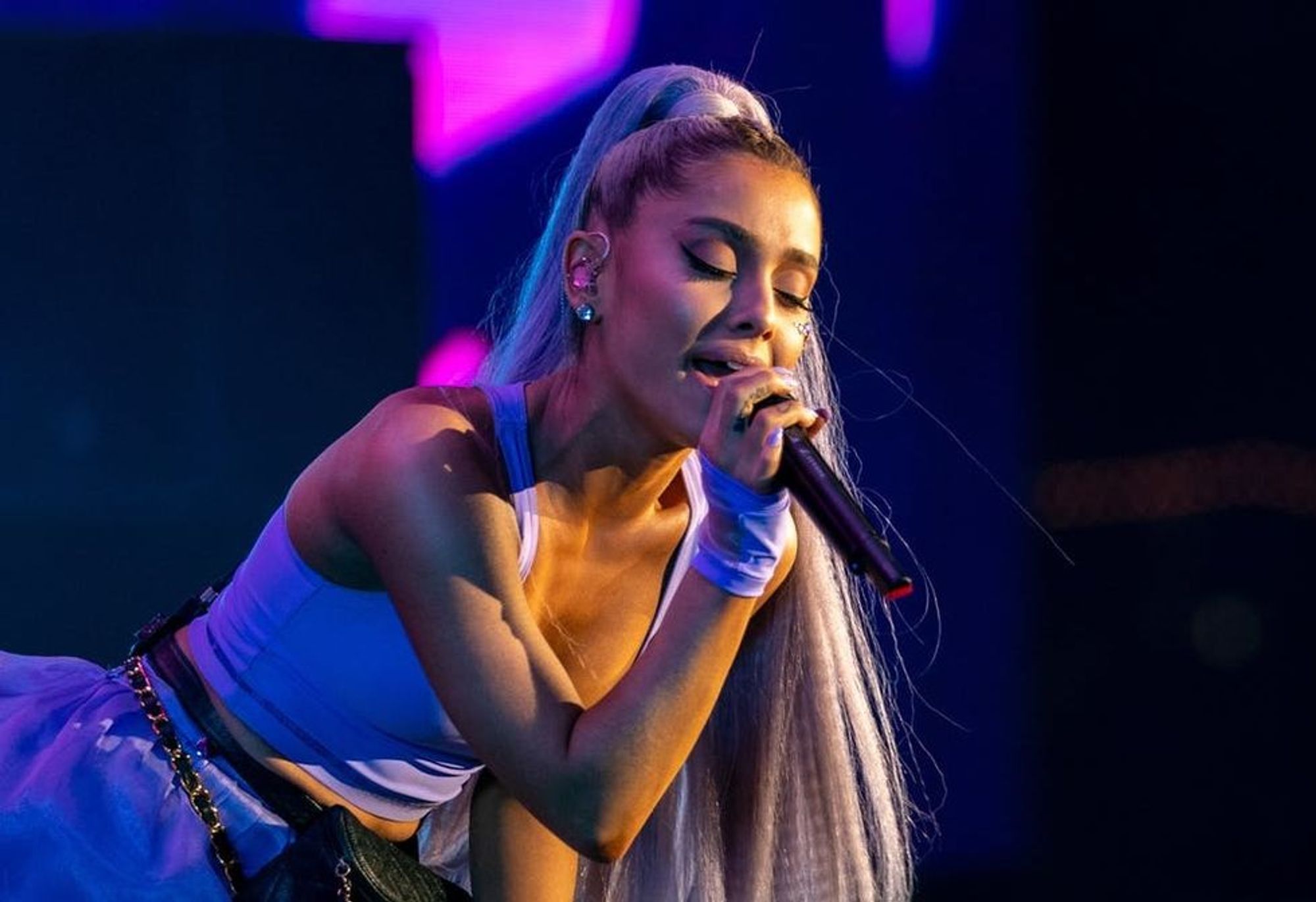
Ariana Grande’s public journey with post-traumatic stress disorder (PTSD) brought global attention to the invisible psychological toll of mass trauma, thrusting mental health awareness into the spotlight. Following the devastating May 22, 2017, Manchester Arena bombing, which occurred at the conclusion of her concert and resulted in 22 fatalities and hundreds of injuries, the pop superstar openly shared her struggles with trauma, panic, and grief. Her transparency helped de-stigmatize mental health conditions among public figures and validated the experiences of countless survivors dealing with long-term psychological impacts.
The 2017 Manchester Arena Bombing and Its Aftermath
On May 22, 2017, a domestic terrorist detonated an explosive device in the foyer of the Manchester Arena as concertgoers, many of whom were children and teenagers, were leaving Ariana Grande’s Dangerous Woman Tour performance. The immediate aftermath was characterized by profound shock, grief, and logistical emergency response efforts. For Grande, the event initiated a severe personal and professional crisis.
In the days following the attack, Grande suspended her tour, returned to Florida, and later organized the One Love Manchester benefit concert, returning to the city just weeks after the tragedy to raise millions of funds for victims and their families. However, while public displays of resilience were visible, the private psychological impact was profound. Survivors of mass violence frequently experience acute distress that can evolve into chronic conditions if not properly processed and treated. Grande's initial response demonstrated a common trauma reaction: an immediate pivot to altruism and survival, followed by the delayed onset of psychological symptoms once the immediate danger had passed and the adrenaline subsided.
Clinical Understanding of PTSD in the Context of Mass Trauma
Post-traumatic stress disorder is a psychiatric condition that can develop in individuals who have experienced or witnessed a traumatic event involving actual or threatened death, serious injury, or sexual violence. In the case of survivors and performers associated with mass casualty incidents like the Manchester Arena bombing, the trauma is complex and multifaceted.
Clinically, PTSD symptoms are categorized into four distinct clusters:
- Intrusive Memories: Recurrent, involuntary, and distressing memories, flashbacks, or nightmares related to the event. For a performer on stage, environments resembling large arenas can act as powerful triggers.
- Avoidance: Persistent efforts to avoid distressing memories, thoughts, or feelings associated with the trauma, as well as external reminders (people, places, conversations, objects, or activities) that arouse distressing recollections.
- Negative Alterations in Cognition and Mood: Persistent and distorted beliefs about oneself or the world, ongoing fear, horror, anger, guilt, or shame, and an inability to experience positive emotions.
- Alterations in Arousal and Reactivity: Irritability, angry outbursts, hypervigilance, exaggerated startle response, and difficulties with concentration or sleep.
Research indicates that individuals exposed to public safety threats in entertainment venues often struggle with survivors' guilt and hypervigilance. Grande’s subsequent revelations regarding her brain scans—which she shared on social media in 2018—visually demonstrated the physical manifestation of trauma on neurological activity, sparking widespread medical discussion regarding how trauma alters brain function.
Ariana Grande’s Public Advocacy and Vulnerability
Unlike many celebrities who maintain strict privacy regarding their medical and psychological treatments, Ariana Grande chose to normalize discussions about therapy and psychiatric care. Through interviews, documentary footage, and social media platforms, she documented her reliance on cognitive behavioral therapy (CBT) and other therapeutic modalities.
Her openness served several key functions in contemporary celebrity culture and mental health advocacy:
- Destigmatization: By acknowledging that wealth and success do not immunize an individual against trauma, she dismantled the misconception that mental health struggles are a sign of personal weakness.
- Validation for Fans: Thousands of concert attendees and survivors experienced validation seeing a prominent figure articulate symptoms they themselves felt isolated in experiencing.
- Encouraging Professional Help: Grande frequently credited her therapist with saving her life, emphasizing that professional intervention is essential for managing chronic PTSD symptoms.
| Feature / Aspect | Clinical Reality of PTSD | Ariana Grande’s Public Experience |
|---|---|---|
| Primary Triggers | Sensory reminders, crowded spaces, loud noises | Concert venues, touring environments, media scrutiny |
| Common Interventions | Cognitive Behavioral Therapy (CBT), EMDR, psychiatric support | Publicly acknowledged consistent therapy and somatic healing practices |
| Neurological Impact | Heightened amygdala activity, dysregulated stress response | Highlighted via personal brain scan disclosures showing trauma patterns |
| Recovery Timeline | Non-linear, often lifelong management | Ongoing advocacy balancing a demanding global career |
Navigating Public Scrutiny While Healing
Healing from PTSD requires a stable environment, yet for a global pop superstar, the demands of the music industry often conflict with clinical recommendations for trauma recovery. Touring, press cycles, and constant public observation can exacerbate hypervigilance and anxiety.
Grande has periodically taken deliberate breaks from the public eye to prioritize her mental well-being. This boundary-setting highlights an important lesson in trauma recovery: the necessity of self-advocacy and pacing. When public figures establish boundaries around their health, it reinforces the societal validity of mental health days and long-term therapeutic leave.
Furthermore, the intersection of grief and trauma remained a persistent theme in Grande’s life, compounded by the subsequent passing of close friends and collaborators, such as rapper Mac Miller in 2018. Experiencing compounded losses while managing acute PTSD requires sophisticated multidisciplinary clinical support, illustrating that psychological recovery is rarely a straightforward path.
Frequently Asked Questions
What caused Ariana Grande's PTSD?
Ariana Grande developed PTSD primarily as a result of the May 22, 2017, terrorist bombing at the Manchester Arena at the conclusion of her Dangerous Woman Tour, which resulted in significant casualties and widespread trauma among concertgoers and staff.
How has Ariana Grande managed her PTSD publicly?
She has managed her condition by attending regular therapy, openly discussing her mental health struggles in interviews and on social media, advocating for mental health awareness, and taking strategic career pauses to focus on her well-being.
What are the common symptoms of PTSD experienced by trauma survivors?
Common symptoms include intrusive memories or flashbacks, avoidance of trauma reminders, negative shifts in mood or thinking, and heightened physical arousal such as hypervigilance and severe anxiety.
Can brain scans accurately show PTSD?
While clinical diagnosis is primarily based on behavioral and psychological criteria outlined in manuals like the DSM-5, neuroimaging studies often show distinct patterns of heightened activity in the amygdala and alterations in the prefrontal cortex among individuals with PTSD.
Where can individuals seek help for trauma and PTSD?
Individuals seeking support for trauma can consult licensed mental health professionals, primary care physicians, or specialized organizations such as the National Center for PTSD or local mental health crisis services for evidence-based treatments like CBT and EMDR.
Note: If you or someone you know is struggling with trauma, PTSD, or mental health distress, please reach out to a qualified healthcare professional or a dedicated support helpline in your region.