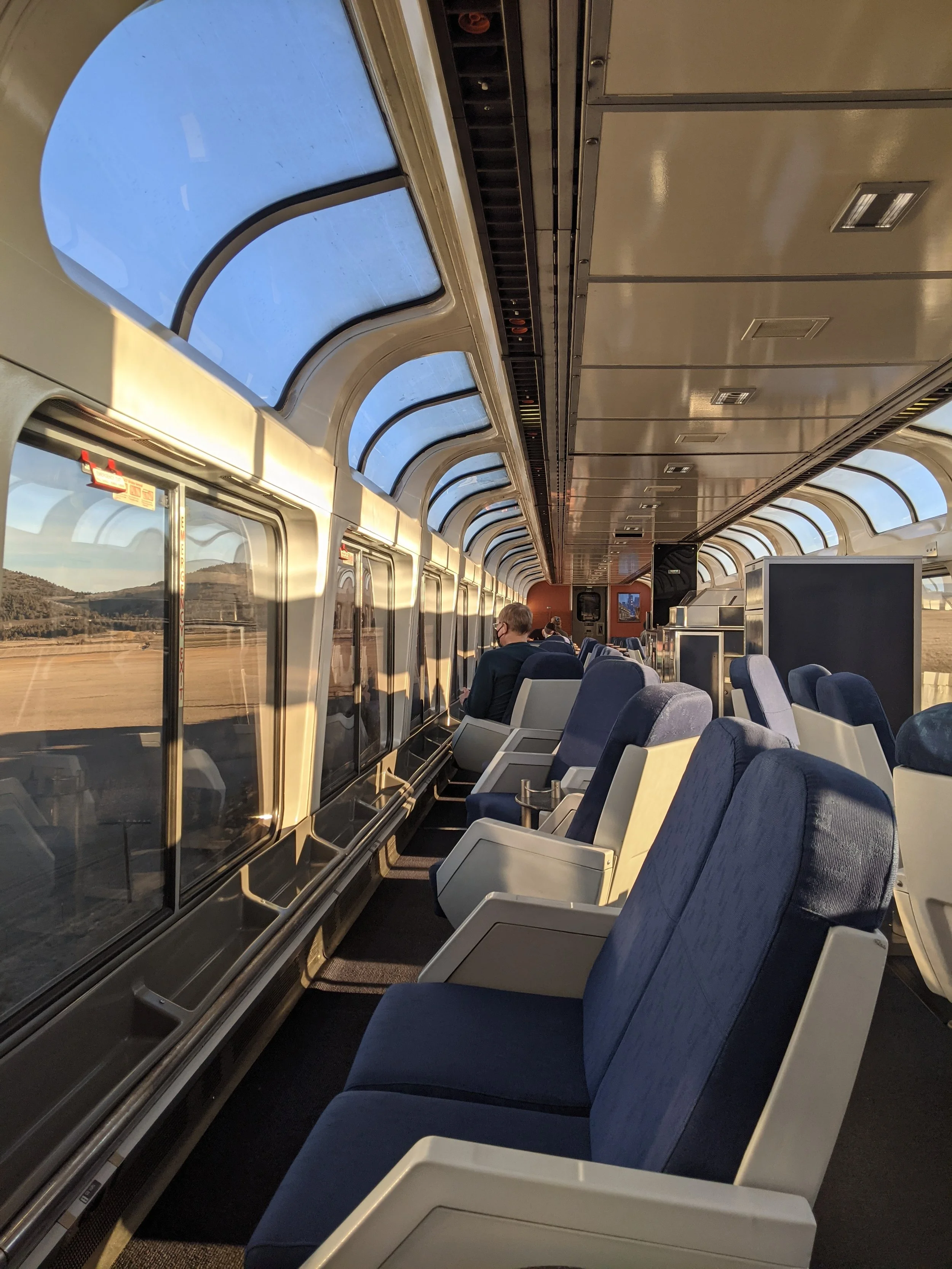
The Amtrak Illinois Zephyr is a state-supported passenger rail service operating daily between Chicago Union Station and Quincy, Illinois. This 258-mile route serves the BNSF Railway corridor, providing essential transportation for commuters, students at Western Illinois University, and regional travelers. In 2026, it remains a pillar of the Illinois High-Speed Rail network, offering Coach and Business class accommodations.
Understanding the Illinois Zephyr Route and Purpose
The Illinois Zephyr (Trains 380 and 383) is one of the most consistent performers in Amtrak’s Midwest corridor. Funded in part by the Illinois Department of Transportation (IDOT), this route serves as a vital artery connecting the metropolitan hub of Chicago with the western reaches of the state. Its primary purpose is to provide an affordable, reliable alternative to driving along the I-88 and US-34 corridors, which are often subject to heavy traffic and unpredictable weather conditions.
As of 2026, the service is characterized by its reliability and its integration with the broader "Lincoln Service" and "Carl Sandburg" routes. While the Illinois Zephyr shares its tracks with the long-distance California Zephyr between Chicago and Galesburg, it is distinct in its focus on regional stops and commuter-friendly scheduling. The route travels through a diverse landscape, transitioning from the dense urban environment of Chicago through the sprawling western suburbs and finally into the vast agricultural heartland of West-Central Illinois.
The Illinois Zephyr is particularly significant for the educational sector. With a major stop in Macomb, the train serves as the primary gateway for students and faculty of Western Illinois University (WIU). During peak academic periods, such as the start of semesters and holiday breaks, the service often sees surge capacity, highlighting its role as a social and economic lifeline for the region.
Complete Station-by-Station Breakdown
The Illinois Zephyr services nine intermediate stations between its termini in Chicago and Quincy. Each stop serves a specific demographic and offers varying levels of facilities.
Chicago Union Station (CHI)
As the eastern terminus, Chicago Union Station is the focal point of the route. Passengers have access to the full range of Amtrak services, including the Metropolitan Lounge for Business Class travelers, checked baggage services, and various dining options. In 2026, Union Station continues to function as the primary transfer point for passengers connecting to long-distance trains or other regional Midwest routes.
La Grange Road (LAG) and Naperville (NPV)
These two stations serve the high-density western suburbs. Naperville, in particular, is one of the busiest stations in the Illinois corridor. These stops cater heavily to business travelers heading into the city for morning meetings and suburban residents looking for a stress-free transit option. Both stations offer connections to Metra commuter rail services, though the Illinois Zephyr provides a faster, limited-stop alternative for those traveling further west.
Plano (PLO), Mendota (MDT), and Princeton (PCT)
As the train moves further from the Chicago metropolitan area, it enters the smaller town centers of the "Oatmeal Capital" (Plano) and the agricultural hubs of Mendota and Princeton. These stations are unstaffed but provide essential access for rural residents. Princeton is notable for its historic station building and serves as a gateway to the Illinois River valley.
Kewanee (KEE) and Galesburg (GBB)
Kewanee provides access to Henry County, while Galesburg serves as a major rail crossroads. In Galesburg, the Illinois Zephyr intersects with the tracks used by the Southwest Chief. The Galesburg station is a significant heritage site, reflecting the city’s deep-rooted history as a hub for the Burlington Northern and Santa Fe (BNSF) railway.
Macomb (MAC) and Quincy (QCY)
Macomb is the penultimate stop and the busiest rural station on the route due to its proximity to Western Illinois University. The route concludes at the Quincy station, located on the eastern bank of the Mississippi River. Quincy serves as a regional hub for Western Illinois and Northeast Missouri, offering a vital link for residents of the "Gem City."
| Station Name | Station Code | Staffing Status | Major Connections/Features |
|---|---|---|---|
| Chicago (Union Station) | CHI | Staffed | Metra, Long-distance Amtrak, Bus |
| La Grange Road | LAG | Unstaffed | Metra (BNSF Line) |
| Naperville | NPV | Staffed | Metra, Pace Bus |
| Plano | PLO | Unstaffed | Local Transit |
| Mendota | MDT | Unstaffed | Amtrak Thruway (seasonal) |
| Princeton | PCT | Unstaffed | Historic Station District |
| Kewanee | KEE | Unstaffed | Local Transit |
| Galesburg | GBB | Staffed | Southwest Chief, California Zephyr |
| Macomb | MAC | Staffed | Western Illinois University (WIU) |
| Quincy | QCY | Staffed | Regional Missouri Connections |
On-Board Services and Amenities
Travel on the Illinois Zephyr in 2026 is defined by the continued rollout of the Siemens Venture fleet. These modern railcars have replaced the older Horizon and Amfleet equipment, offering a significant upgrade in passenger comfort, accessibility, and environmental efficiency.
Seating Classes
The service offers two primary classes of travel:
- Coach Class: Features wide, reclining seats with ample legroom, fold-down trays, and individual power outlets. The Siemens Venture cars provide enhanced lighting and larger windows, making the journey through the Illinois countryside more scenic.
- Business Class: Passengers paying for Business Class receive extra legroom, a dedicated car, and complimentary non-alcoholic beverages. In 2026, Business Class also includes access to the Metropolitan Lounge in Chicago, providing a premium pre-departure experience.
Food and Beverage
The Cafe Car is located in the center of the train, offering a variety of "Grab and Go" items. The menu typically includes breakfast sandwiches, snacks, salads, and hot entrees such as pizza or cheeseburgers. A selection of beverages, including craft beers from Illinois-based breweries and standard soft drinks, is available. In 2026, Amtrak has emphasized sustainable packaging and locally sourced snacks on the Illinois Zephyr to align with state environmental goals.
Technical Specifications and Wi-Fi
The entire route is equipped with Amtrak Connect Wi-Fi. While sufficient for email and web browsing, it is cellular-based and can experience intermittent "dead zones" in the more remote sections between Princeton and Galesburg. Passengers requiring high bandwidth for video conferencing or streaming are advised to download content prior to boarding. Every seat is equipped with 120V power outlets and USB-C charging ports, reflecting the updated standards of the 2026 fleet.
Scheduling and Operational Frequency
The Illinois Zephyr operates as part of a "double-daily" service pattern in conjunction with the Carl Sandburg. While the trains are identical in terms of equipment and route, they operate at different times of the day to maximize flexibility for travelers.
- Morning Service: Typically, the Illinois Zephyr (Train 380) departs Quincy in the early morning, reaching Chicago by midday. This is the preferred choice for business travelers and day-trippers.
- Evening Service: The return leg (Train 383) generally leaves Chicago Union Station in the late afternoon or early evening, arriving back in Quincy at night.
The travel time for the full 258-mile journey is approximately 4 hours and 20 minutes, though this can vary based on freight traffic on the BNSF line. Because the BNSF Railway owns the tracks, Amtrak trains must occasionally yield to freight movements, although "Positive Train Control" (PTC) and state-funded infrastructure improvements have significantly improved on-time performance by 2026.
Ticketing, Pricing, and Booking Procedures
Booking travel on the Illinois Zephyr is most efficiently done through the Amtrak website or mobile app. Pricing is dynamic, meaning fares are lower when booked well in advance.
Fare Categories
- Value Fares: The most affordable option, often available for those booking at least 14 days in advance. These tickets usually carry some refund restrictions.
- Flexible Fares: These allow for changes or cancellations without a fee, providing peace of mind for travelers with uncertain schedules.
- Business Class Fares: These are flat-rate or tiered additions to the base fare and sell out quickly on peak Friday and Sunday runs.
Discounts and Eligibility
Amtrak offers several standing discounts that apply to the Illinois Zephyr:
- Seniors (65+): 10% discount on most rail fares.
- Students: Students aged 17-24 can often access a 15% discount when booking through the Amtrak "California & Midwest Student" portal.
- Military: Active-duty personnel and their families are eligible for a 10% discount.
- Groups: Discounts are available for groups of 15 or more, which is common for university organizations traveling between Macomb and Chicago.
Comparing the Illinois Zephyr with Alternative Transportation
When deciding how to travel between Chicago and Quincy, passengers generally weigh the train against driving or regional bus services.
Train vs. Driving: Driving from Chicago to Quincy takes approximately 4 to 5 hours, depending on traffic in the Chicago metro area. While driving offers door-to-door convenience, the Illinois Zephyr allows passengers to remain productive or relax during the journey. The cost of fuel, tolls (especially on I-88), and parking in downtown Chicago often exceeds the price of an Amtrak ticket, making the train a more economical choice for solo travelers.
Train vs. Bus: Regional bus services exist but often require multiple transfers and take significantly longer than the train. The Illinois Zephyr provides more space, better amenities (restrooms, cafe car), and a smoother ride compared to motorcoach alternatives.
Travel Tips and Passenger Requirements
To ensure a smooth journey on the Illinois Zephyr, passengers should be aware of specific operational requirements and local tips.
- Arrival Time: It is recommended to arrive at staffed stations (Chicago, Naperville, Galesburg, Macomb, Quincy) at least 45 minutes before departure. At unstaffed stations, 20 minutes is generally sufficient.
- Baggage Policy: The Illinois Zephyr does not offer checked baggage service at all stops. Passengers are allowed two personal items (25 lbs each) and two carry-on bags (50 lbs each). Overhead racks and luggage end-racks are available in every car.
- Bicycles: The train supports "Trainside Checked Bicycle" service. Passengers must reserve a space for their bike in advance for a small fee. Bikes are stored in a dedicated area of the Cafe or baggage car.
- Accessibility: The new Siemens Venture cars are fully ADA-compliant, featuring spacious restrooms and level-boarding capabilities (where station platforms allow). Passengers with mobility requirements should indicate this during the booking process to ensure a seat in the accessible section of the car.
For official updates and real-time tracking, passengers should consult the Amtrak official website or the Illinois Department of Transportation's rail division.
Frequently Asked Questions
What is the difference between the Illinois Zephyr and the Carl Sandburg?
The only significant difference is the schedule. Both trains travel the exact same route between Chicago and Quincy and use the same type of equipment. The Illinois Zephyr typically handles the early morning eastbound and late afternoon westbound trips, while the Carl Sandburg handles the morning westbound and afternoon eastbound trips. Together, they provide morning and evening options for travelers in both directions.
Can I buy tickets on the train?
No, Amtrak requires passengers to purchase tickets before boarding. You can buy them via the Amtrak app, website, or at a station kiosk. If you board at an unstaffed station without a ticket, you may be subject to higher fares and limited availability, and the conductor may not always be able to process a sale if the train is sold out.
Is there a checked baggage service on this route?
Checked baggage is only available at Chicago Union Station and Quincy. For all intermediate stops, such as Macomb or Galesburg, passengers must carry their own luggage onto the train. There is ample storage for large suitcases in the luggage towers at the end of each car.
Does the train have a dining car with full meals?
The Illinois Zephyr features a Cafe Car rather than a traditional full-service Dining Car. The Cafe Car offers light meals, snacks, and beverages. While you won't find "white tablecloth" service, the selection is sufficient for a four-hour journey. Business Class passengers may receive complimentary light snacks or beverages depending on current service protocols.
What happens if the train is delayed?
Amtrak provides real-time updates through its mobile app and "Train Status" tool on the website. Because the Illinois Zephyr operates on tracks owned by the BNSF Railway, delays can occasionally occur due to freight interference or track maintenance. If a significant delay occurs, Amtrak may provide vouchers or, in rare cases of cancellations, coordinate alternative bus transportation.
Final Recommendation for Travelers
For anyone traveling between Chicago and the western regions of Illinois in 2026, the Amtrak Illinois Zephyr remains the most efficient and comfortable mode of transport. To get the best value, travelers should aim to book at least two weeks in advance to secure "Value" pricing. For those traveling to or from Western Illinois University, booking even earlier is essential during the "move-in" and "move-out" weeks of the academic calendar. If you are traveling for business or seeking a quieter environment, the upgrade to Business Class is highly recommended for the added space and lounge access in Chicago.