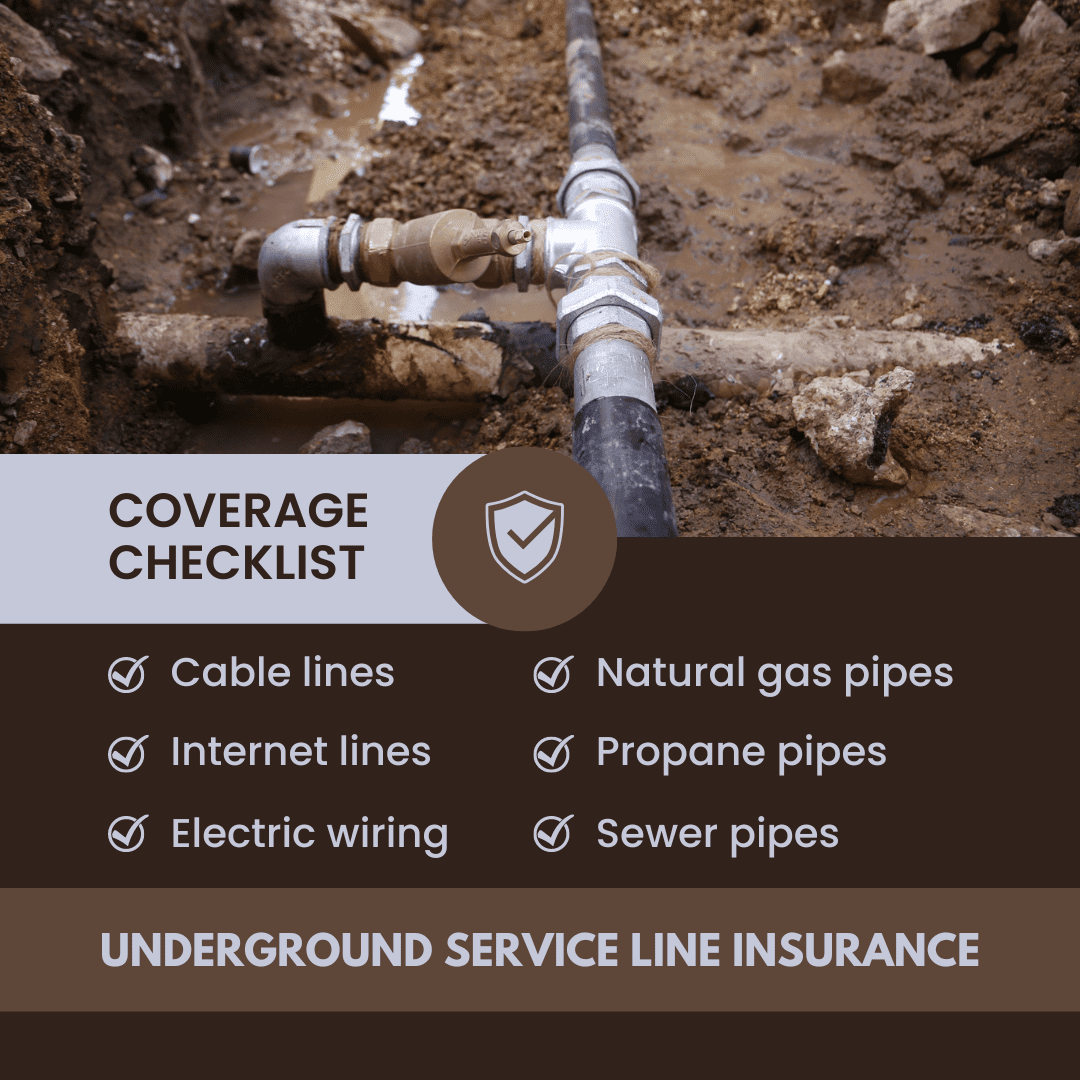
Homeowners are responsible for the exterior water service line running from the municipal water main to their home's foundation. American Water Resources (AWR) provides specialized service line insurance to cover the high costs of repairing or replacing these underground pipes, which are typically excluded from standard homeowners insurance policies.
Most property owners assume that if a pipe bursts in their front yard, the city or their insurance provider will foot the bill. However, the reality of property ownership in 2026 remains the same as it has for decades: the segment of the water line between the street and the house belongs to the homeowner. When these lines fail due to age, corrosion, or ground shifts, the resulting excavation and repair costs can easily reach several thousand dollars. American Water Resources, a leading provider in this niche, offers "protection plans" designed to mitigate this specific financial risk.
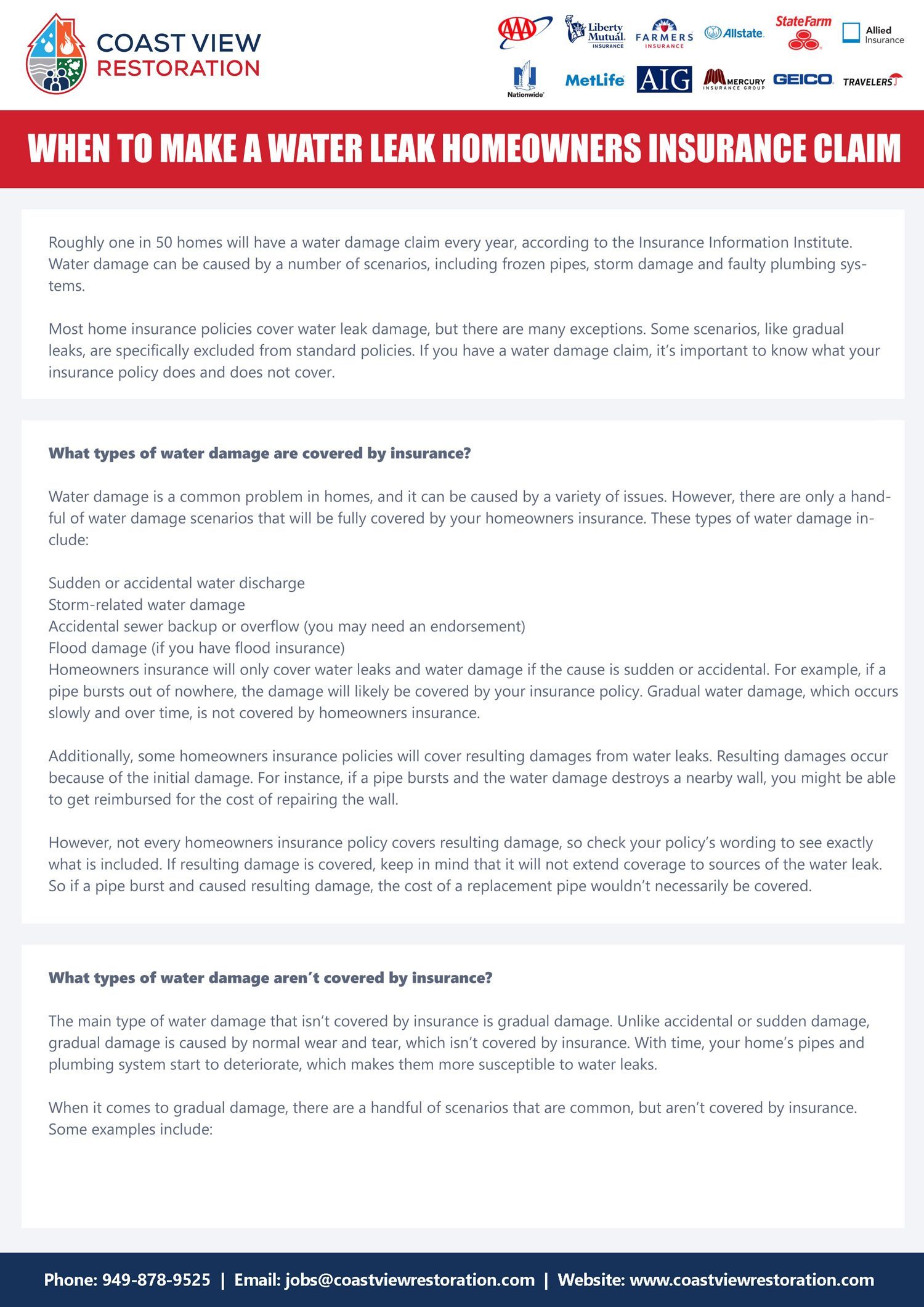
The Gap in Standard Homeowners Insurance
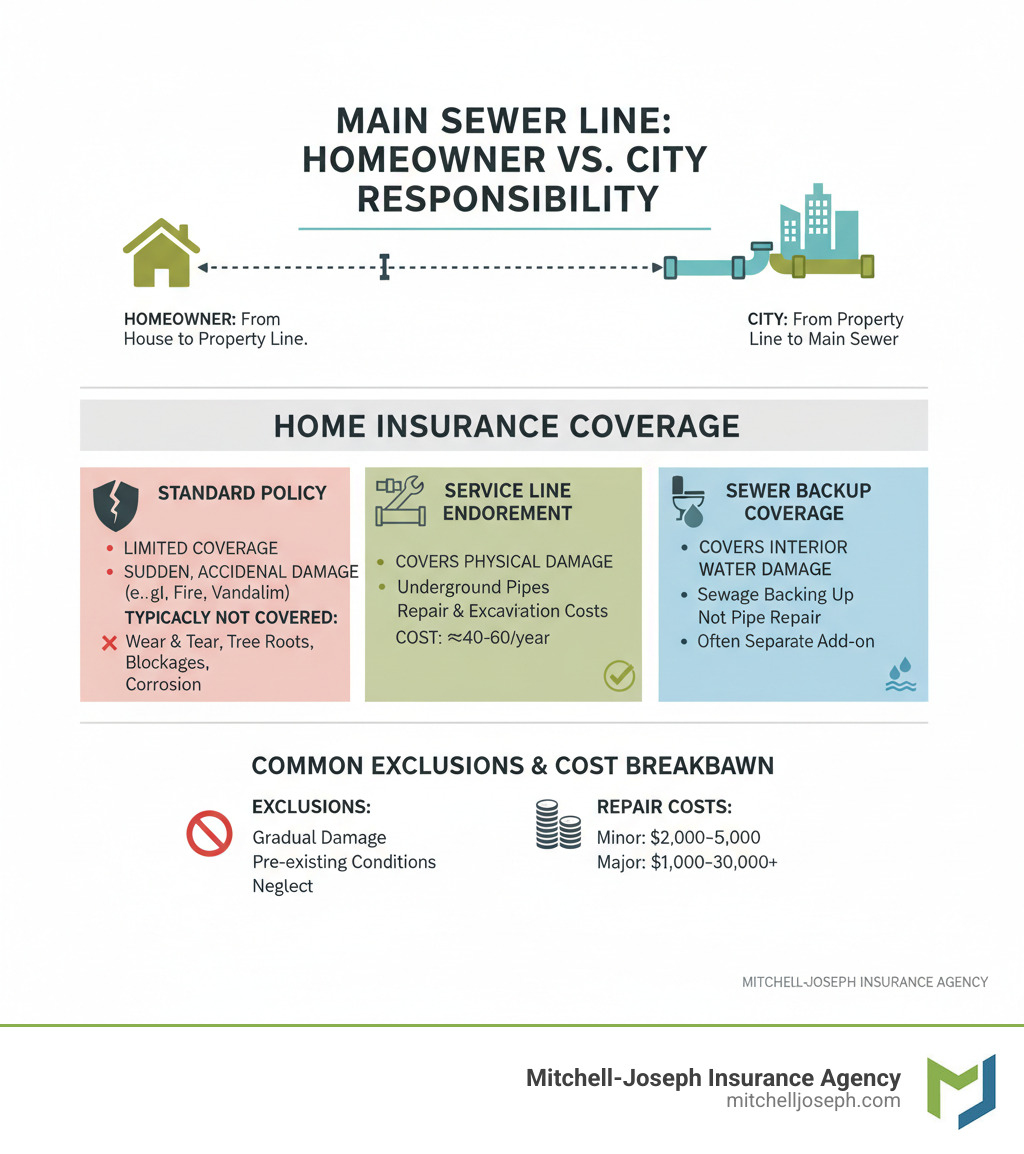
To understand why American water line insurance exists, one must first understand the limitations of a standard HO-3 or HO-5 homeowners policy. Most traditional insurance products are designed to cover "sudden and accidental" damage. While a pipe bursting inside your walls might be covered, the slow degradation of an underground service line due to normal wear and tear is almost universally excluded.
Furthermore, standard policies generally do not cover the cost of excavation—the most expensive part of a water line repair. Digging up a lawn, sidewalk, or driveway to reach a buried pipe requires heavy machinery and significant labor. Without a specific service line endorsement or a third-party protection plan like those offered by American Water Resources, the homeowner is liable for the full cost of the contractor, the materials, and the restoration of the property.
What is American Water Resources (AWR)?
American Water Resources is one of the most prominent providers of water and sewer line protection in the United States. While it operates as a private entity, it often partners with municipal water authorities to offer coverage to residents. This association sometimes leads homeowners to believe the insurance is a government requirement or a part of their utility bill, but it is an optional, third-party service.
By 2026, AWR has expanded its footprint significantly, providing coverage that includes not only water lines but also sewer lines, internal plumbing, and even electrical surge protection. Their core business model relies on a network of pre-vetted local contractors who respond to claims, ensuring that the homeowner does not have to vet a plumber during an emergency.
Comprehensive Coverage Details
When you enroll in a water line protection plan, you are essentially pre-paying for emergency repair services. In 2026, the standard coverage terms for these plans typically include several critical components:
1. Leak and Break Repairs
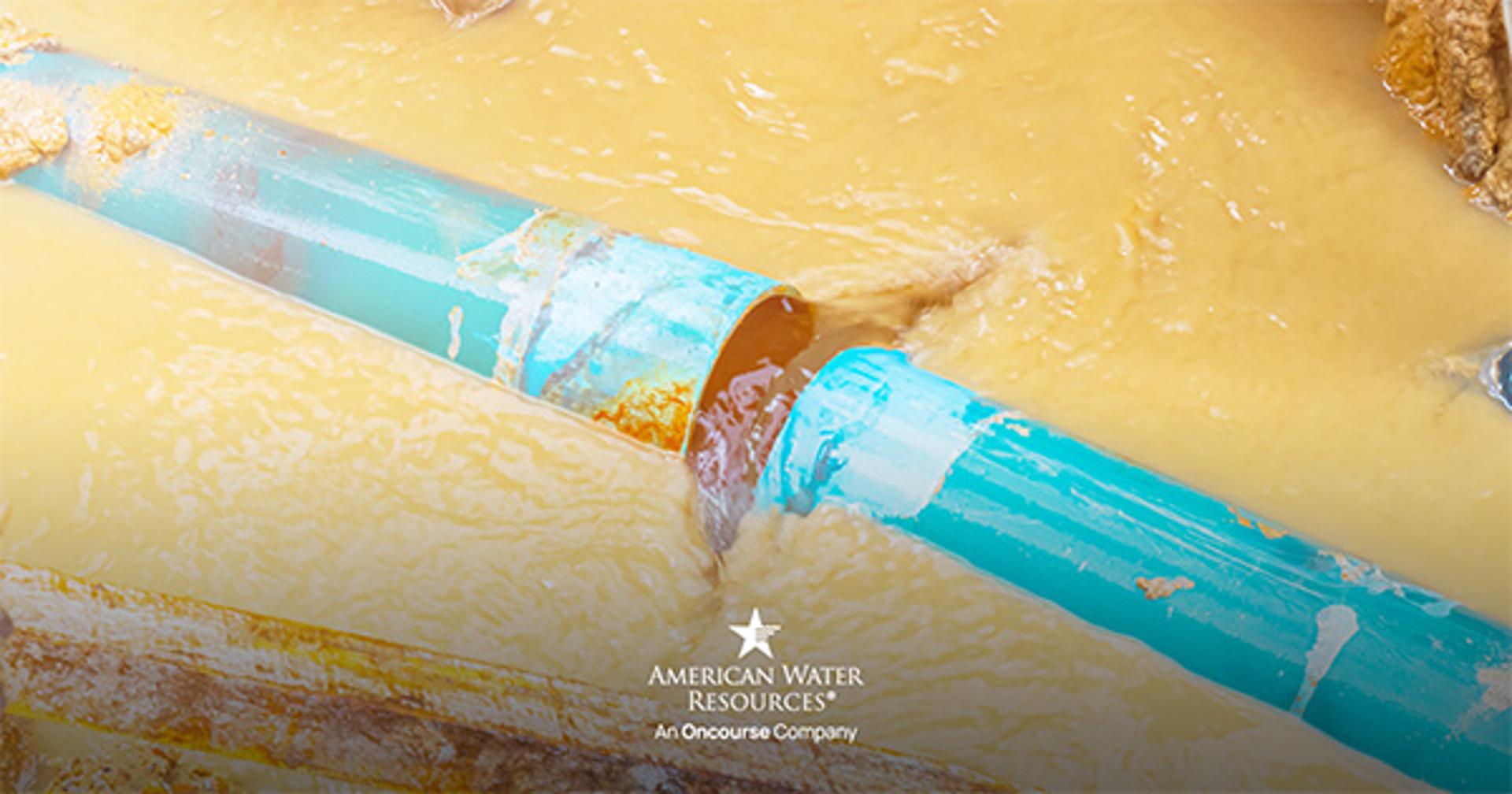
The primary function of the insurance is to repair or replace a leaking or broken water service line. This includes damage caused by normal wear and tear, which is the most common cause of failure in older homes with galvanized steel or orangeburg pipes. Coverage generally extends from the property line (or the water meter) to the point where the pipe enters the home’s foundation.
2. Excavation Costs
As previously mentioned, excavation is a massive financial hurdle. American water line insurance covers the labor and equipment costs associated with digging to reach the damaged section of the pipe. This includes the use of backhoes, trenching tools, and the safety equipment required for deep excavations.
3. Basic Site Restoration
Once the pipe is fixed, the hole must be filled. Most plans cover "basic" site restoration. This usually means backfilling the soil and perhaps sowing grass seed. However, it is vital to read the fine print regarding "hardscape" restoration. While some premium plans cover the repair of cracked driveways or sidewalks, many basic plans only cover the cost of the pipe repair and backfilling the dirt.
4. Professional Coordination
A significant benefit of these plans is the management of the repair process. When a line breaks, the homeowner calls the provider’s 24/7 emergency hotline. The provider then dispatches a licensed, insured contractor from their network. This eliminates the need for the homeowner to find a contractor who is available on short notice and ensures that the work meets local building codes.
Typical Exclusions and Limitations
No insurance policy covers everything. American water line insurance has specific boundaries that homeowners must recognize to avoid surprises during a claim.
- Pre-existing Conditions: If your water line is already leaking when you sign up, the repair will not be covered. Most plans have a 30-day waiting period before coverage becomes active to prevent "emergency sign-ups."
- Relocation for Renovation: If you are remodeling your home and need to move the water line to accommodate a new structure, this insurance will not cover the costs. It is strictly for repair and replacement due to failure.
- Commercial Properties: These plans are almost exclusively designed for residential single-family homes. Multi-unit dwellings or commercial spaces often require different, more expensive commercial coverage.
- Natural Disasters: While standard wear and tear is covered, damage from major catastrophes like earthquakes or floods may be excluded, as these are typically handled by specialized disaster insurance.
- Secondary Lines: Coverage usually applies only to the primary service line. If you have a separate line for a guest house, a pool house, or an irrigation system, those are typically not covered under a standard water line plan.
Costs of Coverage in 2026
The cost of American water line insurance is relatively low compared to the potential payout. In 2026, homeowners can expect to pay a monthly premium that varies based on geography and the age of the local infrastructure.
| Plan Type | Estimated Monthly Cost | Annual Coverage Limit | Typical Deductible |
|---|---|---|---|
| Water Line Only | $5.00 – $9.00 | $5,000 – $10,000 | $0 |
| Sewer Line Only | $9.00 – $14.00 | $8,000 – $12,000 | $0 |
| Combined Water/Sewer | $12.00 – $18.00 | Up to $20,000 total | $0 |
| Full Interior/Exterior | $25.00 – $40.00 | Varies by system | $0 |
Most of these plans boast a $0 deductible, which is a major selling point. Unlike a homeowners insurance claim where you might have to pay the first $1,000 or $2,500, these service line plans usually cover the entire bill from the first dollar up to the annual limit.
Evaluating the Risk: Is It Worth It?
Deciding whether to purchase water line insurance in 2026 depends on several risk factors unique to your property.
Age of the Home
If your home was built before 1980, it likely has original service lines made of materials that are prone to failure. Galvanized steel pipes eventually rust from the inside out, while older copper pipes can develop pinhole leaks. If your home was built in the last 10 years, your risk is significantly lower, as modern PEX or high-density polyethylene (HDPE) pipes have much longer lifespans.
Soil and Environment
Certain soil types are more corrosive than others. Additionally, if you have large trees with aggressive root systems (like Maples or Willows) near your water line, the risk of root intrusion is high. Tree roots can enter small cracks in a pipe and expand, eventually causing a total collapse or a major blockage.
Local Repair Costs
In high-cost-of-living areas, a simple water line repair can be significantly more expensive due to labor rates and permitting fees. If you live in an area where an emergency excavation starts at $4,000, paying $80 a year for insurance is a mathematically sound hedge against risk.
The Claims Process: Step-by-Step
In 2026, the claims process for American water line insurance has been streamlined through digital platforms, though the core steps remain consistent:
- Identification: The homeowner notices a drop in water pressure, a sudden unexplained increase in the water bill, or a persistent wet spot in the yard.
- Notification: The homeowner contacts the provider (e.g., AWR) via their website or emergency phone line.
- Dispatch: The provider confirms the policy is active and dispatches a local contractor, usually within 24 to 48 hours.
- Diagnosis: The contractor performs a site visit, which may include a camera inspection or "dowsing" to locate the leak.
- Approval: The contractor submits the repair estimate directly to the insurance provider. Since the contractor is part of the provider's network, approval is typically near-instant.
- Repair: The line is repaired or replaced.
- Billing: The provider pays the contractor directly. The homeowner is only responsible for costs that exceed the policy's coverage limit (which is rare for standard repairs).
Alternatives to Third-Party Insurance
Before signing up for a plan with American Water Resources, homeowners should investigate two primary alternatives:
1. Homeowners Insurance Endorsements
Many modern insurance companies now offer a "Service Line Manifold" or "Service Line Endorsement" as an add-on to a standard policy. This can often be cheaper than a standalone plan (sometimes as low as $30–$50 per year). However, these usually come with a deductible (often $500) and may count as a claim against your primary insurance, potentially raising your premiums.
2. Self-Insurance
If you have a robust emergency fund, you may choose to "self-insure." By setting aside the money you would have spent on premiums, you maintain control over the funds. However, a $5,000 repair would require over 50 years of "premiums" at $8/month to break even, making this a risky strategy for those with older homes.
Frequently Asked Questions
Is American Water Resources a scam?
No, American Water Resources is a legitimate company and a subsidiary of American Water (though they operate independently). They provide a real service that covers the costs of expensive utility repairs. However, their marketing materials can sometimes look like official government notices, which leads to some consumer confusion.
Can I choose my own plumber?
Typically, no. Most protection plans require you to use a contractor from their pre-approved network. This is how they control costs and ensure quality. If you insist on using your own plumber, the insurance provider may not reimburse you, or they may only pay a small fraction of the bill.
Does the insurance cover the water bill increase?
Most standard water line plans do not cover the cost of the water lost during a leak. They only cover the physical repair of the pipe. Some premium plans may offer a small "loss of water" credit, but this is the exception rather than the rule.
Will my premiums go up if I file a claim?
Generally, no. Unlike auto or homeowners insurance, these service line protection plans usually have a fixed rate. Filing a claim to fix a broken pipe is the intended use of the product and typically does not result in a "surcharge" or premium hike the following year.
What happens if the repair costs more than the coverage limit?
If the repair exceeds the annual limit (for example, if the limit is $5,000 but the repair costs $7,000), the homeowner is responsible for the $2,000 difference. It is important to know the average cost of repairs in your specific city to ensure your coverage limit is sufficient.
Summary and Recommendation
American water line insurance provides a specific safety net for one of the most overlooked risks of property ownership. In 2026, as municipal infrastructures continue to age, the likelihood of service line failure increases. For homeowners with older properties or those who lack the liquid savings to cover a $3,000 to $6,000 emergency repair, these plans offer significant peace of mind.
Next Action: Before enrolling, call your current homeowners insurance agent and ask if they offer a "service line endorsement." Compare the cost and the deductible of that endorsement against a standalone plan from American Water Resources. If your home is more than 30 years old and your insurance provider does not offer an endorsement, a third-party protection plan is a highly recommended investment to protect your home's exterior infrastructure.