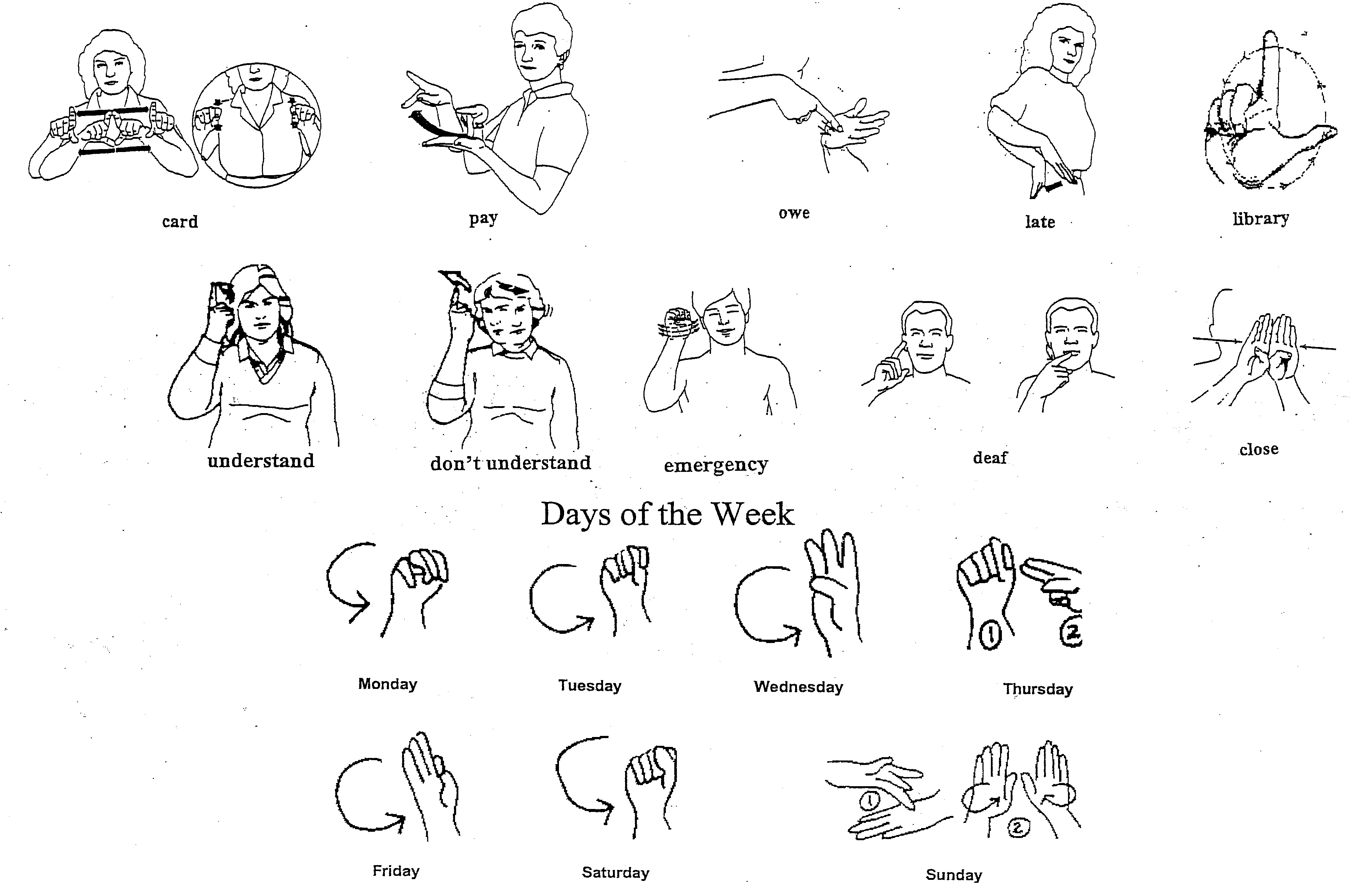
American Sign Language (ASL) serves as a vital communication bridge for individuals with hearing sensitivity—such as hyperacusis, misophonia, or sensory processing disorders—by shifting the linguistic load from the auditory system to the visual cortex, providing a silent, expressive, and effective way to interact without triggering painful or distressing auditory responses.
The intersection of hearing sensitivity and American Sign Language (ASL) is a growing area of interest for clinicians, educators, and the neurodivergent community in 2026. While ASL is traditionally associated with the Deaf and Hard of Hearing (HoH) communities, its utility as a primary or secondary communication tool for those with "hearing sensitivity" has gained significant traction.
Hearing sensitivity is a broad term that encompasses several distinct conditions. For some, it is hyperacusis, a condition where everyday sounds are perceived as intolerably loud or physically painful. For others, it is misophonia, where specific "trigger" sounds (like chewing, breathing, or pen clicking) provoke an intense emotional or physiological "fight-or-flight" response. Additionally, individuals on the autism spectrum often experience sensory overload, where the sheer volume of auditory data becomes cognitively overwhelming. For these populations, ASL offers a "silent sanctuary," allowing for complex human connection without the physical or emotional toll of sound.
Understanding the Clinical Need for Silent Communication
To appreciate why ASL is such a powerful tool for the hearing sensitive, one must first understand the mechanics of auditory distress. Unlike hearing loss, which is a deficit in volume or clarity, hearing sensitivity is often an issue of gain control or emotional processing within the brain's auditory pathways.
Hyperacusis and Recruitment
In hyperacusis, the brain's internal "volume knob" is turned up too high. Common sounds—a vacuum cleaner, a crying baby, or even a normal conversation—can register as physically painful. In some cases, this is accompanied by "recruitment," a phenomenon where a small increase in sound volume leads to a disproportionate and painful increase in perceived loudness. For a person managing these symptoms in 2026, traditional vocal communication is a minefield of potential pain. ASL removes this risk entirely.
Misophonia and Trigger Management
Misophonia is not about loudness; it is about specific patterns and frequencies. Vocal speech is often accompanied by "mouth sounds"—wet clicks, heavy breaths, and sibilant "s" sounds—that are common triggers. For a person with severe misophonia, engaging in a vocal conversation can be an exercise in extreme distress. By switching to ASL, the "noise" of the human voice is replaced by the fluid, silent motion of hands and facial expressions.
Sensory Processing Disorder (SPD)
For many neurodivergent individuals, the brain struggles to filter out background noise. This is often referred to as the "Cocktail Party Effect" in reverse; instead of focusing on one voice, the brain hears everything with equal intensity. ASL provides a focused, visual channel of information that is easier for the brain to isolate and process, reducing the cognitive fatigue associated with auditory decoding.
Why American Sign Language is the Primary Solution
ASL is not merely a collection of gestures; it is a full, complex language with its own syntax, grammar, and cultural nuances. For the hearing sensitive, it offers several structural advantages over other forms of non-verbal communication like texting or writing.
1. Nuance and Emotional Depth
Text-based communication often lacks tone. In contrast, ASL uses Non-Manual Markers (NMMs)—facial expressions and body shifts—to convey tone, urgency, and emotion. A person can "whisper" or "shout" in ASL through the size and speed of their signs, allowing for a full range of human expression without a decibel of sound.
2. Real-Time Interaction
Unlike writing on a notepad, ASL happens at the speed of thought. It allows for the natural "back-and-forth" of conversation, which is essential for maintaining social bonds. In 2026, as society places a higher premium on mental health and sensory-friendly spaces, the ability to communicate fluently in silence is seen as a major cognitive and social asset.
3. Spatial Logic
ASL uses the space around the signer to establish "referents." For example, if you are talking about two different people, you can "place" them in different spots in your signing space. This spatial logic is often highly intuitive for individuals who may struggle with the abstract, linear nature of auditory processing.
Comparative Communication Methods for the Hearing Sensitive
When choosing a communication strategy, individuals must weigh the pros and cons of various modalities. The following table compares ASL to other common adaptations used by the hearing sensitive in 2026.
| Feature | American Sign Language (ASL) | Speech-to-Text (AI Apps) | Written/Texting | Vocal with Earplugs |
|---|---|---|---|---|
| Auditory Trigger Risk | Zero | High (device pings/background) | Zero | Moderate (muffled noise) |
| Speed | High (comparable to speech) | Moderate (lag time) | Low | High |
| Emotional Nuance | Excellent (via NMMs) | Poor | Moderate (via emojis) | Moderate |
| Universal Access | Requires a trained partner | Requires a device | Requires literacy/device | Universal |
| Cognitive Load | High (during learning) | Moderate | Moderate | Extremely High |
Practical Steps for Implementing ASL into a Sensitive Lifestyle
Transitioning to ASL as a hearing-sensitive individual requires a strategic approach. It is not just about learning signs; it is about building a supportive environment.
Step 1: Environmental Audit
Identify your most common auditory triggers. Are they at home, work, or in public? If your triggers are primarily at home (e.g., family members' voices during dinner), learning basic ASL for "Functional Communication" (wants, needs, and feelings) can drastically reduce the stress of shared meals.
Step 2: Choosing the Right Learning Environment
Many ASL classes are held in person, which can be noisy. In 2026, the hearing-sensitive community often prefers:
- One-on-One Tutoring: Conducted via high-definition video calls where the audio can be muted entirely.
- Immersive Silent Retreats: Programs specifically designed to be "voice-off," which are ideal for those who need a break from sound.
- Self-Paced Digital Apps: Using visual-first platforms that do not rely on audio cues to teach the signs.
Step 3: Educating Your Circle
The "hearing sensitive" label is often misunderstood by the general public. When introducing ASL to friends or colleagues, it is helpful to frame it as a medical necessity rather than a hobby. Explain that "Sound is a physical irritant for my nervous system, and ASL is my way of staying connected to you without the pain."
Navigating Deaf Culture as a Hearing-Sensitive Person
It is crucial to recognize that ASL belongs to the Deaf community. When a hearing-sensitive person adopts ASL, they are entering a rich cultural landscape.
Cultural Sensitivity and Etiquette:
- Acknowledge the Source: Respect that ASL was developed by Deaf people as a response to systemic exclusion.
- Visual Noise: Be aware that "silence" in the Deaf world isn't always quiet for the hearing sensitive. Many Deaf individuals use tactile signals (stomping the floor, tapping tables) to get attention. If these vibrations or sudden movements are triggers for you, you will need to find a middle ground or use visual-only cues (like flicking a light).
- The "Hearing" Identity: Even if you use ASL exclusively because of sound sensitivity, you are still "hearing" in the eyes of the Deaf community if you have the biological capacity to process sound. Being honest about why you are using the language fosters better relationships and avoids misunderstandings.
Technological Advancements in 2026 for ASL Users
As of 2026, several technological tools have made ASL more accessible for those with hearing sensitivities. These tools bridge the gap between a silent signer and a non-signing public.
- ASL-to-Text Smart Glasses: Using lightweight AR technology, these glasses can recognize hand shapes and display text overlays in real-time. This allows a hearing-sensitive person to sign to a non-signer who can then read the translation.
- Haptic Alerts: For those who cannot use traditional alarms or doorbells due to sound sensitivity, wearable devices now convert ASL-specific signals or environmental sounds (like a fire alarm) into specific vibration patterns on the wrist.
- Quiet-Space Locators: Mobile apps now provide "sensory maps" of cities, highlighting businesses that employ ASL-fluent staff or maintain "quiet-hours" where auditory stimuli are minimized.
Common Pitfalls and Troubleshooting
While ASL is a powerful solution, it is not without challenges. Users should be prepared for the following:
1. The "Plateau" of Learning: Like any language, ASL has a steep learning curve. The first six months can be frustrating as you try to build the "muscle memory" in your hands. Do not give up; the cognitive relief of a silent conversation is worth the effort.
2. Isolation: If only you know ASL, you are still isolated. The goal should be to create a "micro-community" of signers. Encourage your spouse, children, or closest friends to learn alongside you. Even knowing the first 100 most common signs can reduce auditory interactions by 50% or more.
3. Physical Fatigue: Signing involves the shoulders, arms, and wrists. If you have co-occurring conditions like Ehlers-Danlos Syndrome (common in the neurodivergent community), you may need to adapt your signs to be smaller or "lazy" to avoid joint strain. This is perfectly acceptable in casual conversation.
FAQ: American Sign Language and Hearing Sensitivity
Is ASL only for people who are completely deaf?
No. In 2026, ASL is widely recognized as an accessibility tool for anyone who cannot effectively use vocal speech. This includes individuals with hyperacusis, misophonia, autism, selective mutism, and certain types of traumatic brain injury.
Does ASL itself make noise?
While the signs themselves are silent, the physical act of signing can involve "hand-clap" sounds (such as the sign for "school") or "thumping" the chest (such as the sign for "my"). If these specific sounds are triggers for you, you can modify the signs to be "soft-contact" or "non-contact" while communicating with those who understand your sensitivity.
How long does it take to become fluent enough for daily use?
Most learners can master basic functional signs (hunger, thirst, bathroom, pain, emotions, basic questions) within 4 to 8 weeks of consistent practice. Full fluency typically takes 2 to 3 years of immersive study.
Can I use ASL in a workplace environment if I am hearing sensitive?
Yes. Under the Americans with Disabilities Act (ADA) and similar international laws in 2026, requesting the use of ASL or a visual communication modality is often considered a "reasonable accommodation" for those with documented hearing sensitivities or sensory processing disorders.
What is the difference between ASL and Signed Exact English (SEE)?
ASL is a distinct language with its own grammar, whereas SEE follows English word order and uses specific signs for suffixes (like "-ing" or "-ed"). For the hearing sensitive, ASL is generally preferred because its spatial logic and fluid movement are often more "brain-friendly" for those with processing issues.
Final Recommendation
If you find that the auditory world is becoming a source of pain or exhaustion, do not wait until you reach a state of complete sensory burnout. Start by learning the ASL Manual Alphabet (fingerspelling) and 20 basic survival signs. Use these during "low-energy" periods with your inner circle. By gradually introducing visual language into your life, you build a vital escape hatch from the noise of the world, preserving your mental energy and strengthening your connections through the power of silence.