Finding the best clothes dryer for the money in 2026 requires balancing upfront purchase price with long-term operational costs, durability, and drying efficiency. The LG DLE7400VE stands as the premier value choice, offering a massive 7.3 cubic foot capacity and advanced moisture sensors that prevent over-drying and fabric damage at a mid-range price point.
When purchasing a dryer today, the "value" proposition has shifted. It is no longer just about the lowest sticker price; it is about the Total Cost of Ownership (TCO). With energy prices fluctuating and the increasing availability of high-efficiency heat pump models, a slightly more expensive unit often pays for itself within three to five years through reduced utility bills and fewer mechanical repairs.
How We Define "Best for the Money" in 2026
In the 2026 appliance market, value is determined by four specific metrics: energy efficiency, sensor accuracy, build quality, and repairability. A cheap dryer that requires a $300 heating element replacement after two years is a poor investment. Conversely, a premium unit that lasts 15 years with minimal maintenance represents high value.
1. Energy Efficiency and Energy Star Ratings
Most modern dryers are now Energy Star certified, but the degree of efficiency varies. Conventional vented electric dryers use the most energy, while heat pump dryers (ventless) are the gold standard for savings. In 2026, we prioritize models that use sensor drying technology, which utilizes moisture-conductive strips to detect when clothes are dry, automatically shutting off the cycle to save electricity.
2. Capacity vs. Footprint
For a dryer to be worth the money, it must match your washer’s capacity. A standard rule of thumb is that the dryer should have approximately double the cubic feet of the washer to allow for proper airflow. We look for units offering at least 7.0 cu. ft. to ensure heavy loads like king-sized comforters can be dried in a single cycle.
3. Build Quality and Warranty
The longevity of the motor and the drum support system is critical. We favor brands like Maytag and LG that offer extended warranties (often 10 years) on specific components like the drum or motor, providing peace of mind and reducing the risk of premature obsolescence.
1. The Best Overall Value: LG DLE7400VE (Electric) / DLG7401VE (Gas)
The LG DLE7400VE remains the 2026 leader for consumers who want the perfect intersection of modern features and a reasonable price. Its 7.3 cu. ft. capacity is sufficient for most large families, and the EasyLoad Door—which opens both hamper-style and swing-style—is a functional innovation that justifies its cost.
Why it’s worth the money: The LG AI Sensor Dry system is remarkably accurate. Unlike cheaper models that rely on timers, this unit adjusts drying time in real-time. This prevents the "baked-in" wrinkles and fabric thinning caused by heat exposure on already-dry clothes. Furthermore, LG’s FlowSense Duct Clogging Indicator is a vital safety and value feature; it alerts you when your home’s vent lines need cleaning, preventing the motor from overworking and reducing fire risks.
2. Best Feature-Rich Budget Pick: Samsung DVE45R6100W
Samsung has dominated the mid-range market by including "premium" features at a entry-level price point. The DVE45R6100W features Steam Sanitize+, a cycle once reserved for luxury units. This cycle eliminates 99.9% of bacteria and common allergens, making it an incredible value for families with young children or allergy sufferers.
Value highlights:
- 7.5 cu. ft. Capacity: One of the largest in its price bracket.
- Vent Sensor: Continuously monitors the condition of the air duct to ensure optimal performance.
- Sensor Dry: Prevents heat damage to delicate synthetics.
While Samsung units historically had mixed reputations for repairability, the 2026 parts ecosystem is robust, and the initial savings compared to high-end European brands remain significant.
3. Best for Long-Term Durability: Maytag MED6230HC
If your definition of value is "never having to buy another dryer," the Maytag MED6230HC is the answer. Built with heavier-duty components than many of its competitors, Maytag markets this unit toward those who run multiple loads daily.
The "Extra Power" Button: A common complaint with high-efficiency dryers is that they struggle with mixed-fabric loads (e.g., jeans and t-shirts together). The Maytag's Extra Power button boosts heat and tumbling time for a specific cycle, ensuring that heavy seams are dry the first time. This prevents the need for a second cycle, saving time and energy over the life of the machine. The 10-year limited parts warranty on the drive motor and dryer drum is one of the strongest in the industry.
4. Best Smart Value: GE GFD55ESSNWW
GE has mastered the integration of smart home technology without the "tech tax" usually associated with connected appliances. The GFD55ESSNWW features built-in Wi-Fi and SmartHQ compatibility. This allows the dryer to "talk" to your GE washer; the washer tells the dryer what load was just washed, and the dryer automatically selects the correct settings.
Technical Advantage: This model includes a unique Wrinkle Care mode that tumbles the load periodically without heat for up to 8 hours if you aren’t home to unload it. This saves money on ironing and dry cleaning by preventing deep creases. Its damp alert feature is also helpful for those who want to pull out specific items for hang-drying while the rest of the load continues.
5. Best No-Frills Essential: Whirlpool WED5050LW
For many, the best dryer for the money is the one with the lowest price tag that still performs reliably. The Whirlpool WED5050LW is a top-load matching dryer that eschews digital screens for rugged mechanical dials.
Simplicity as Value: Because there are fewer electronic boards to fail, this unit is exceptionally cheap to maintain. It features the AutoDry Drying System, which is a more basic version of a moisture sensor but far more effective than a standard timer. For landlords or those on a strict budget, this unit provides the most drying "power" per dollar spent. It is also one of the easiest units for a DIY-inclined homeowner to repair, with parts available at almost every local hardware store.
6. Best Fabric Care Value: Electrolux ELFE7637AW
If you own expensive clothing, a dryer that preserves fabric integrity is a better value than a cheap one that ruins it. The Electrolux ELFE7637AW features Predictive Dry, which calculates the exact time needed to dry a load within 90 seconds of starting.
Balanced Dry Technology: Electrolux uses a specialized airflow pattern that prevents clothes from "balling up" during the cycle. This ensures even drying and reduces the friction that leads to pilling and thinning of fabrics. In 2026, where "fast fashion" is being replaced by more durable, expensive garments, the Electrolux serves as an insurance policy for your wardrobe.
7. Best High-Efficiency Investment: Miele T1 Heat Pump Dryer
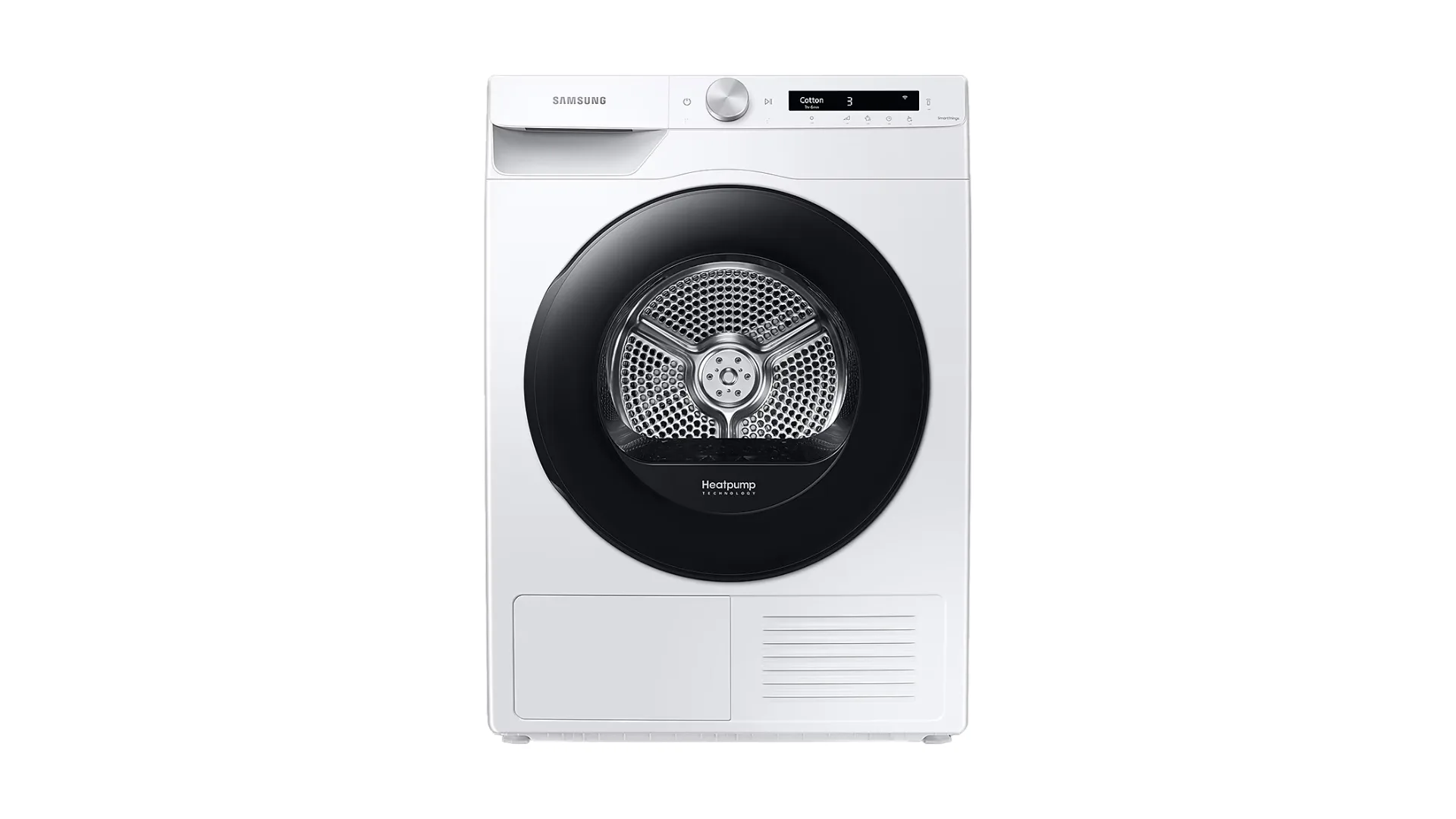
The Miele T1 is the most expensive unit on this list, yet it often provides the highest value over a 20-year period. Using Heat Pump Technology, the T1 does not require a vent. It recycles heat rather than exhausting it outside, making it roughly 60% more efficient than a standard electric dryer.
Total Cost of Ownership (TCO) Analysis: In regions with high electricity rates, the T1 can save a household $100 to $150 per year in utility costs. When combined with its 20-year tested lifespan (compared to the 8-12 year average for standard brands), the Miele T1 becomes the most cost-effective option for long-term homeowners. It also features FragranceDos, which adds a pleasant scent without the use of chemical-heavy dryer sheets.
Comparison Table: 2026 Best Value Dryers
| Model | Type | Capacity (cu. ft.) | Primary Value Factor | Estimated Lifespan |
|---|---|---|---|---|
| LG DLE7400VE | Electric/Gas | 7.3 | Versatility & Sensor Accuracy | 10-12 Years |
| Samsung DVE45R6100W | Electric/Gas | 7.5 | Steam Features at Low Cost | 8-10 Years |
| Maytag MED6230HC | Electric/Gas | 7.0 | Heavy-Duty Build & Warranty | 12-15 Years |
| GE GFD55ESSNWW | Electric/Gas | 7.2 | Smart Integration/Automation | 10-12 Years |
| Whirlpool WED5050LW | Electric/Gas | 7.0 | Low Purchase Price/Repairability | 10-15 Years |
| Electrolux ELFE7637AW | Electric | 8.0 | Largest Capacity & Fabric Care | 10-12 Years |
| Miele T1 | Heat Pump | 4.1* | Energy Savings & 20-Year Life | 20 Years |
*Note: Heat pump dryers like the Miele T1 use different drum logic; 4.1 cu. ft. in a compact European format handles larger loads than the number suggests due to efficient tumbling.
Understanding Dryer Types and Costs
To make the best decision for your money, you must understand the infrastructure requirements of each dryer type.
Electric vs. Gas
Electric dryers are generally $100 cheaper upfront but cost more to operate depending on your local kilowatt-hour rate. Gas dryers require a dedicated gas line and professional installation, which can add $200 to the initial setup. However, gas is historically a cheaper fuel source for heating, and gas dryers typically reach higher temperatures faster, shortening cycle times.
Vented vs. Heat Pump
Vented dryers are the traditional choice. They pull air from the room, heat it, and blow it out a vent. This exhausts your home's climate-controlled air. Heat pump dryers are ventless. They operate like an air conditioner in reverse, removing moisture and recirculating the warm air. While they take longer to dry a load, they are significantly gentler on clothes and drastically reduce energy consumption.
The Importance of Moisture Sensors
Never buy a dryer without a moisture sensor. Manual "Timed Dry" settings are the leading cause of shrunk clothing and wasted electricity. A sensor detects the electrical conductivity of the clothes; as they dry, conductivity drops, signaling the machine to stop. This single feature can save the average household $50 a year and prolong the life of their clothing.
Common Mistakes When Buying a Dryer
- Ignoring the Depth: Modern dryers are often deeper than those from 10 years ago. Always measure your laundry closet depth, including the 4–6 inches required for the vent hose.
- Mismatched Capacity: If your dryer is smaller than your washer, you will have to split loads, doubling your energy usage and time spent on chores.
- Neglecting the Vent: A $1,000 dryer will perform like a $200 dryer if the house vent is clogged with lint. This also leads to heating element failure, a common and expensive repair.
Frequently Asked Questions
Is a heat pump dryer worth the extra money in 2026?
Yes, especially if you live in an area with high electricity costs or if you cannot easily install a vent to the outside. While the upfront cost is higher and drying times are roughly 20-30% longer, the energy savings and the reduced wear on your clothes provide a superior return on investment over the machine's life.
How long should a dryer last for it to be a good value?
A standard modern dryer should last between 10 and 13 years. High-end brands like Miele or Speed Queen are engineered for 20+ years. If a dryer costs $800 and lasts 10 years, your cost is $80/year. If a $1,200 dryer lasts 20 years, your cost is $60/year. Always look at the cost-per-year rather than the sticker price.
Does steam really help in a dryer?
Steam is an excellent value-add for people who hate ironing. It helps release wrinkles from shirts and slacks and can refresh "worn-once" clothes that aren't dirty but need deodorizing. However, it requires a water line connection to the dryer, which may increase installation costs.
Which brand has the lowest repair rates in 2026?
LG and Whirlpool consistently rank at the top for reliability in the dryer category. Dryers are simpler machines than washers, but LG’s move toward brushless motors and Whirlpool’s simplified mechanical designs have made them the most "set it and forget it" brands for the average consumer.
Practical Recommendation
For the majority of households in 2026, the LG DLE7400VE offers the best value. It provides the necessary sensor technology to protect your clothes and enough capacity to handle bulky items without the premium price tag of a heat pump or luxury European brand. If you are a long-term homeowner looking to minimize utility bills and environmental impact, investing the extra capital into a Miele T1 will provide the best financial outcome over the next two decades.