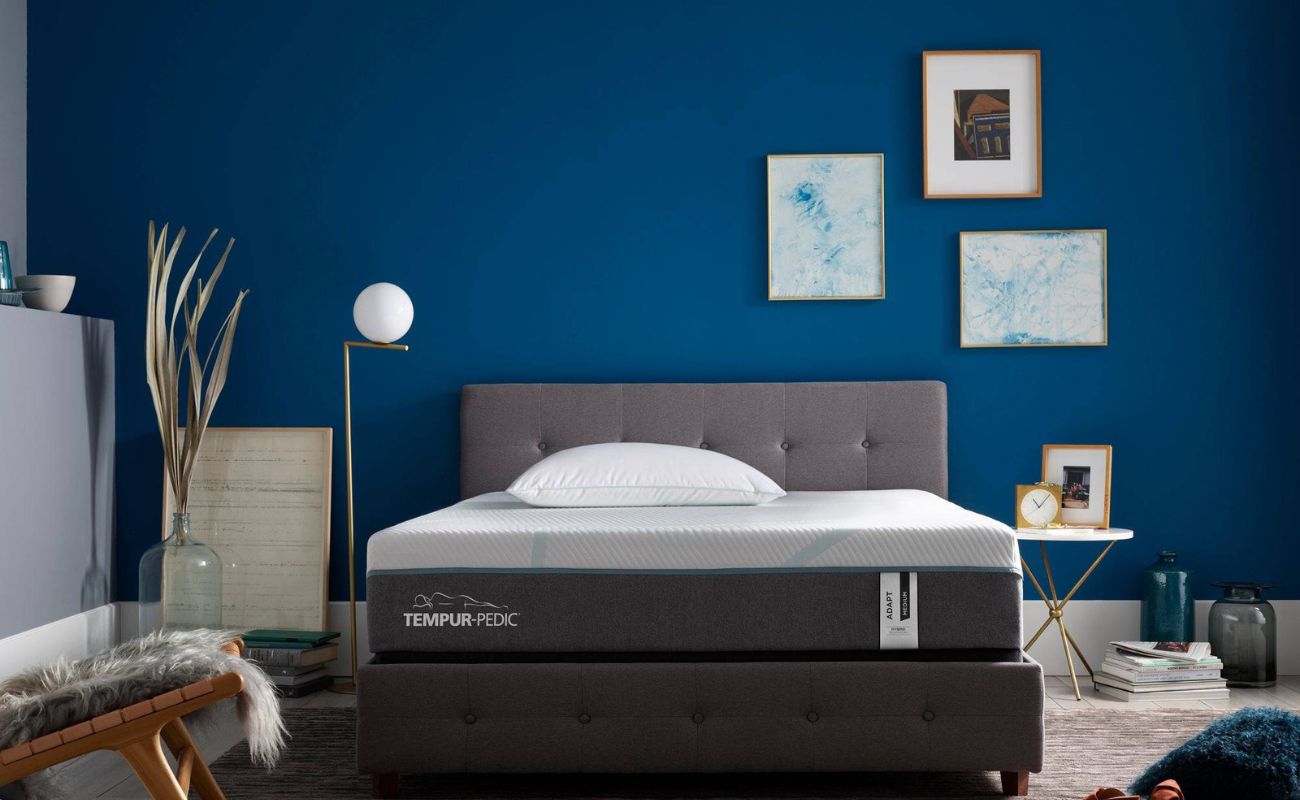
Choosing the best Tempur-Pedic bed involves evaluating your preferred sleeping position, body type, temperature regulation preferences, and motion isolation needs, while matching them against the specific foam formulations and hybrid construction options available in the current Tempur-Pedic mattress lineup.
Navigating the mattress market can feel overwhelming, particularly when looking at luxury memory foam brands that offer multiple collections engineered for distinct physical needs. Tempur-Pedic has built its reputation on proprietary viscoelastic foam technology originally developed out of NASA research to absorb G-force pressure during spaceflight. Unlike traditional memory foam that can feel stiff in a cold room or overly soft when it traps body heat, modern Tempur-Pedic materials react to your body temperature, weight, and shape to deliver personalized contouring. However, because no single mattress suits every sleeper, finding the right model requires a structured, multi-step evaluation process. Below are five foundational ways to analyze your sleep profile and select the ideal Tempur-Pedic bed for your bedroom.
1. Evaluate Your Primary Sleeping Position
Your sleeping position is the single most critical factor in determining the correct mattress firmness and support level. Different sleeping postures distribute body weight unevenly across the mattress surface, requiring specific counter-pressures to keep your spinal alignment neutral.
Side Sleepers
If you sleep primarily on your side, your shoulders and hips concentrate a high amount of pressure onto a small surface area. Without adequate cushioning, this can lead to pressure points, restricted blood circulation, and shoulder or hip pain. Side sleepers generally require a softer to medium-firm mattress that allows these heavier joints to sink in comfortably while the foam contours upward to fill the waist gap. In the Tempur-Pedic lineup, models from the TEMPUR-Cloud or TEMPUR-Adapt Medium Hybrid, as well as softer variants in the TEMPUR-ProAdapt series, provide the deep contouring necessary to cushion joints without bottoming out.
Back and Stomach Sleepers
Back and stomach sleepers require a flatter, more supportive surface to prevent the hips and midsection from sinking too deeply into the bed. Excessive sinkage in these positions forces the lumbar spine into an unnatural downward curve, leading to lower back pain over time. If you sleep on your back or stomach, you should lean toward firmer options, such as the TEMPUR-ProAdapt Firm, TEMPUR-LuxeAdapt Firm, or the firm configurations within the TEMPUR-Breeze collection. These models provide a stable foundation that keeps the spine evenly aligned from the neck to the tailbone.
2. Determine Your Body Type and Weight Distribution
Body weight directly influences how a mattress interacts with your physical frame. A mattress that feels medium-firm to a lighter individual may feel exceptionally soft to a heavier sleeper, while individuals with lower body weight might find an ultra-firm mattress too stiff to activate the pressure-relieving properties of the foam.
Lighter Sleepers (Under 130 Pounds)
Lighter sleepers apply less force to the mattress layers, meaning they may not sink deeply enough into dense memory foam to experience its conforming benefits. If you fall into this weight category, look for softer comfort layers or hybrid constructions that respond quickly to lighter loads. Avoid excessively firm models, as they can cause pressure points on the shoulders and hips.
Average Sleepers (130 to 230 Pounds)
Average-weight sleepers generally match the standard engineering profiles of most mattresses. You can choose freely across the spectrum of soft, medium, and firm models depending on your sleeping position, confident that the underlying support core will perform as designed.
Higher-Weight Sleepers (Over 230 Pounds)
Sleepers over 230 pounds place heavier demands on support cores and comfort layers. While memory foam provides excellent pressure relief, higher-weight individuals often benefit from hybrid mattresses that combine thick layers of Tempur material with a responsive pocketed coil support system. Coils enhance airflow, provide extra edge support, and prevent excessive sinkage. The TEMPUR-Adapt Medium Hybrid or TEMPUR-ProAdapt Medium Hybrid are strong contenders for sleepers who want the pressure relief of foam combined with the bounce and durability of innerspring coils.
3. Assess Your Temperature Regulation Needs
One of the most common historical complaints regarding traditional memory foam is heat retention. Because high-density foam conforms closely to the body, it can trap body heat if it lacks adequate ventilation or cooling technology. Tempur-Pedic addresses this issue across multiple tiers of its product catalog, making it essential to evaluate how much you sleep "hot."
- Standard Cooling: Entry-level models like the TEMPUR-Cloud utilize moisture-wicking covers and breathable materials, but they rely primarily on ambient room airflow for temperature management.
- Advanced Cooling: Collections like TEMPUR-ProAdapt incorporate phase-change material (PCM) infused covers or specialized top layers designed to pull heat away from your body during the first few hours of sleep.
- Maximum Cooling: If you experience severe night sweats or sleep hot year-round, the TEMPUR-Breeze collection (available in PRObreeze and LUXEbreeze models) utilizes multi-stage cooling systems combining ventilated foam layers, pure cool-to-touch covers, and advanced thermal management materials designed to keep the sleeping surface up to 3° or 8° cooler throughout the night, respectively.
| Collection Tier | Primary Cooling Technology | Best Suited For |
|---|---|---|
| TEMPUR-Cloud | Breathable upper layers, moisture-wicking cover | Budget-conscious buyers, moderate sleepers |
| TEMPUR-Adapt / ProAdapt | SmartClimate dual-cover system, phase-change material | Average sleepers seeking balanced temperature control |
| TEMPUR-Breeze | PureCool cover, ventilated TEMPUR material, Phase Change Material | Hot sleepers, chronic night sweaters, warm climates |
4. Choose Between All-Foam and Hybrid Construction
Tempur-Pedic offers two distinct structural designs across its mattress families: all-foam configurations and hybrid models that pair foam comfort layers with encased pocket springs. Understanding the functional differences between these construction styles ensures you select the right feel and mechanical performance.
All-Foam Mattresses
All-foam models consist entirely of proprietary density layers resting on a high-density foam base core. These beds excel at motion isolation, meaning if your sleep partner or pet tosses and turns, the energy is absorbed locally rather than rippling across the bed. They also offer a deeply conforming, body-hugging sensation that minimizes pressure points. If you value a cocoon-like feel and absolute stillness when sharing a bed, an all-foam model from the Adapt or LuxeAdapt lines is an ideal choice.
Hybrid Mattresses
Hybrid models replace the bottom foam core with a layer of individually wrapped pocketed coils while retaining the top layers of Tempur material. Hybrids provide a traditional bounce that makes it easier to change sleeping positions or sit on the edge of the bed. The coil base also promotes superior internal airflow compared to solid foam blocks. If you dislike the "stuck" feeling of all-foam beds or prefer easier mobility during the night, a hybrid model offers a balanced compromise.
5. Review Warranty, Sleep Trials, and Return Logistics
Investing in a high-end luxury mattress requires careful review of the purchasing terms, trial periods, and manufacturer warranties to protect your investment. Tempur-Pedic purchases made directly through authorized channels come with standardized consumer protections that vary slightly from third-party retail partners.
- Sleep Trial: Tempur-Pedic typically offers a 90-night sleep trial when purchased directly from the company. Because high-density memory foam requires a physical break-in period of 30 days as your body adjusts to new spinal alignment, you must test the mattress for at least 30 nights before initiating a return or exchange.
- Warranty Coverage: Current Tempur-Pedic mattresses include a 10-year limited manufacturer's warranty covering structural defects, material flaws, and visible sagging greater than 0.75 inches that is not caused by an improper foundation.
- Delivery and Setup: Premium white-glove delivery is frequently included or available with direct purchases, ensuring the heavy mattress is brought into your bedroom, assembled, and old mattress removal is handled according to local program availability.
Comprehensive Comparison of Major Tempur-Pedic Mattress Series
To help synthesize your decision-making process, the following table compares the core attributes of the primary Tempur-Pedic mattress families available on the market.
| Mattress Series | Construction Options | Available Firmness Levels | Standout Feature |
|---|---|---|---|
| TEMPUR-Cloud | All-Foam | Medium | Accessible price point, convenient bed-in-a-box shipping format |
| TEMPUR-Adapt | All-Foam, Hybrid | Medium, Medium Hybrid | Original pressure-relieving feel with updated SmartClimate cover |
| TEMPUR-ProAdapt | All-Foam, Hybrid | Soft, Medium, Medium Hybrid, Firm | Advanced pressure relief with multi-layer contouring and enhanced cooling |
| TEMPUR-LuxeAdapt | All-Foam | Soft, Firm | Maximum thickness and highest-density TEMPUR material layers |
| TEMPUR-Breeze | All-Foam, Hybrid | Medium, Firm, Soft (depending on model) | Engineered thermal management for maximum overnight cooling performance |
Frequently Asked Questions
How long does it take to break in a Tempur-Pedic mattress?
A Tempur-Pedic mattress typically requires a break-in period of 30 to 60 days. The proprietary viscoelastic foam is sensitive to body heat and pressure; it softens slightly over the first few weeks of regular use as the cell walls open up, matching your body contours more precisely than it does out of the box.
Do Tempur-Pedic mattresses require a specific type of foundation?
Yes. Tempur-Pedic mattresses require a firm, flat, and supportive foundation—such as a matching Tempur-Pedic box spring, a slatted platform bed with slats spaced no more than 3 inches apart, or an adjustable base. Placing a memory foam mattress on an old, sagging box spring or wide-slatted frame can void the warranty and cause uneven wear.
Are Tempur-Pedic beds good for alleviating back pain?
Tempur-Pedic beds are frequently recommended by chiropractors and medical professionals for back pain because their conforming foam evenly distributes body weight and maintains neutral spinal alignment. Selecting the correct firmness for your sleeping position (such as a firmer model for back sleepers) is essential to achieving this therapeutic benefit.
Can I flip a Tempur-Pedic mattress?
No, you cannot flip a Tempur-Pedic mattress. They are built with a unidirectional layered design where the comfort and support layers are stacked in a specific order, with the high-density support core at the bottom. However, you can rotate the mattress 180 degrees head-to-toe every six months to promote even wear.
Do Tempur-Pedic mattresses off-gas a strong chemical odor?
All-foam and hybrid mattresses compressed in plastic packaging can produce a mild, harmless off-gassing odor when first unboxed. This smell stems from the volatile organic compounds (VOCs) released as the foam expands. In a well-ventilated room, this odor typically dissipates entirely within 24 to 72 hours.
Final Recommendation
Selecting the best Tempur-Pedic bed ultimately comes down to balancing your sleeping position, body weight, and thermal preferences against the features of each model tier. If you sleep hot and want maximum pressure relief, target the TEMPUR-Breeze collection. If you prefer a traditional bouncy feel alongside pressure-relieving foam, select a hybrid variant from the Adapt or ProAdapt lines. Always utilize the manufacturer's sleep trial period to ensure your body fully adjusts to the mattress before finalizing your investment.