The 2016 Toyota Camry utilizes a sophisticated lighting system that varies significantly across its trim levels, primarily featuring H11 projector-beam halogen headlights for base models and integrated LED systems for higher trims. Understanding your specific bulb sizes, housing technology, and the nuances of the Daytime Running Light (DRL) configuration is essential for proper maintenance and effective visibility upgrades.
Understanding the 2016 Camry Lighting Architecture
The 2016 model year falls within the "facelift" era of the seventh-generation (XV50) Toyota Camry. This specific iteration brought a more aggressive aesthetic and a bifurcated approach to headlight technology. Toyota designed the front fascia to accommodate two distinct types of headlight assemblies depending on whether the vehicle was an entry-level commuter or a top-tier sport or luxury variant.
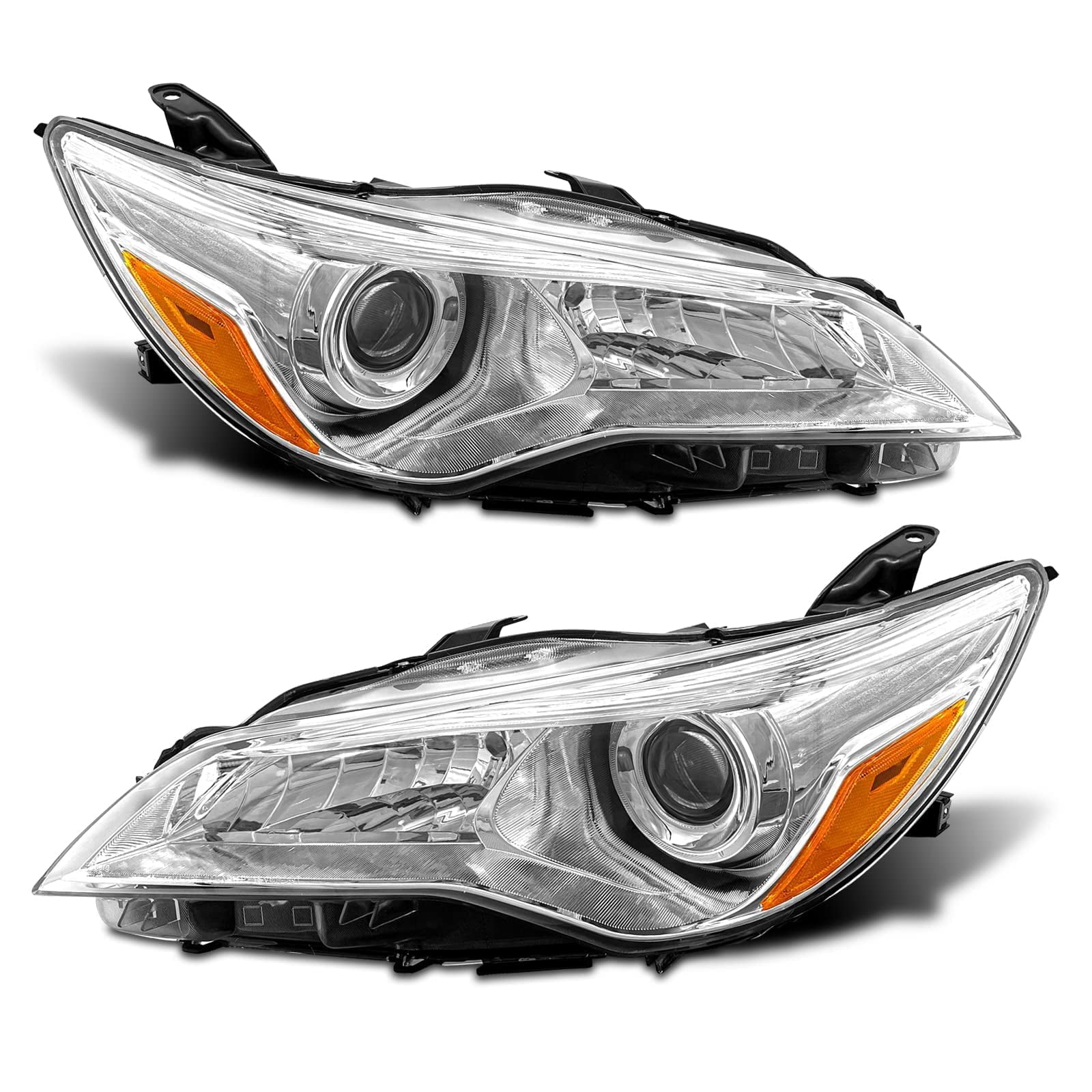
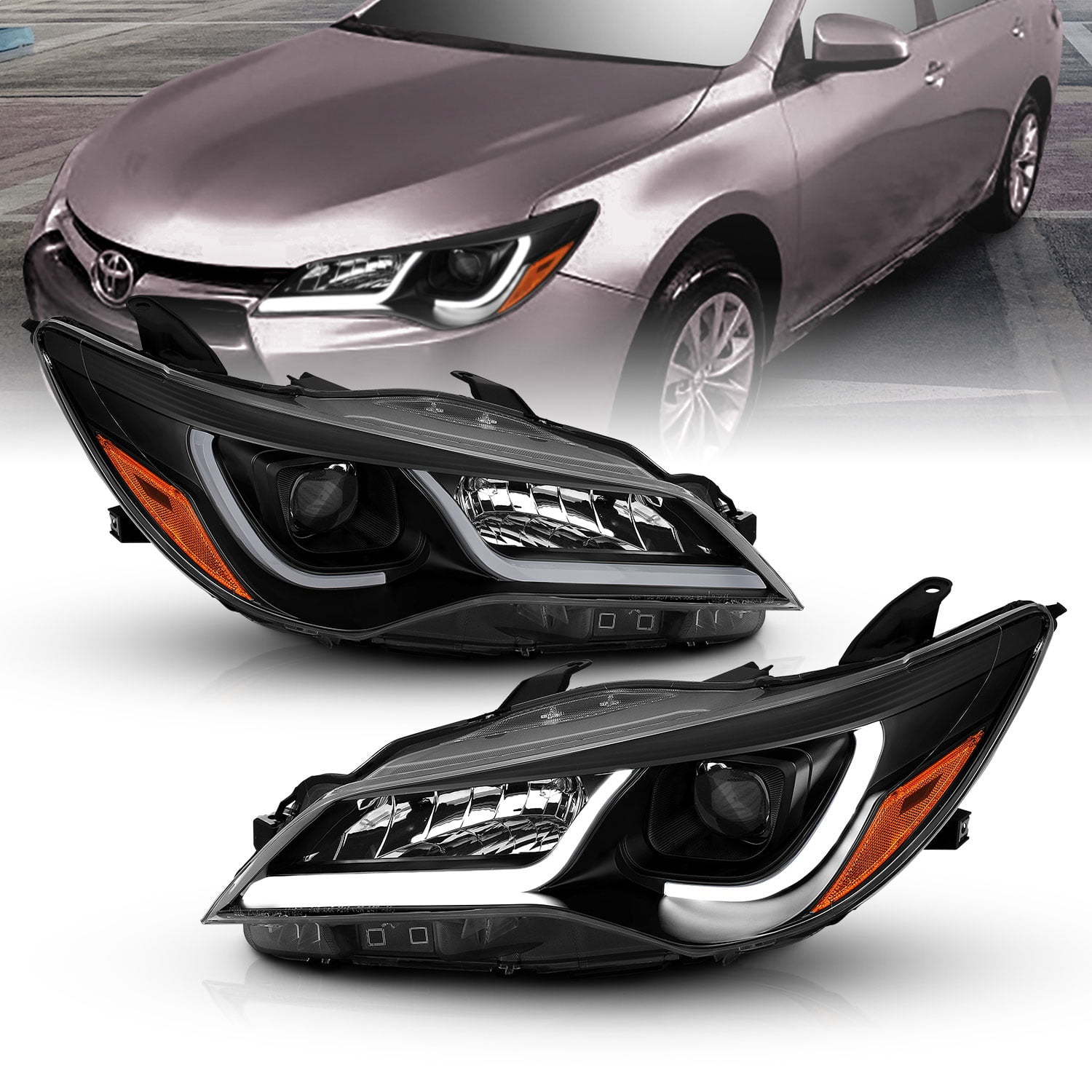
For owners of the LE and SE trims, the vehicle comes standard with projector-beam halogen headlights. Projector technology is a significant step up from older reflector-style lamps, as it uses a lens to focus the light into a concentrated beam with a sharp "cut-off" line. This prevents blinding oncoming drivers while maximizing the reach of the halogen bulb.
Conversely, the XLE and XSE trims—particularly those equipped with premium packages—often feature LED (Light Emitting Diode) low-beam headlights. These units offer a much cooler color temperature (typically around 5000K to 6000K) and a longer lifespan. As we look at these vehicles in 2026, many of the original LED units are still functioning perfectly, whereas halogen-equipped owners have likely replaced their bulbs multiple times.
2016 Toyota Camry Bulb Size and Specification Chart
Before attempting any maintenance or ordering parts, it is vital to identify the correct bulb fitment. Using the wrong bulb can lead to electrical shorts, poor beam patterns, or physical damage to the headlight housing due to excessive heat.
| Lamp Function | Bulb Size/Type | Technology (Standard) | Notes |
|---|---|---|---|
| Low Beam (LE/SE) | H11 | Halogen | Projector housing; common for upgrades. |
| Low Beam (XLE/XSE) | LED (Integrated) | LED | Often non-serviceable without replacing the unit. |
| High Beam / DRL | 9005 (HB3) | Halogen | Dual-function; runs at lower voltage for DRL. |
| Front Turn Signal | 7444NA / 7440 | Incandescent | Amber bulb; dual-filament for parking lights. |
| Front Fog Lights | H11 | Halogen | Only on SE, XSE, and XLE trims. |
| Front Sidemarker | 168 / T10 | Incandescent | Small wedge bulb on the side of the housing. |
The Mechanics of the Projector-Beam System
The 2016 Camry’s use of projector lenses for its low beams is a defining technical characteristic. Inside the headlight assembly, the H11 bulb sits behind a magnifying lens. Between the bulb and the lens is a metal shield known as a "cutoff shield."
This shield is responsible for the distinct horizontal line you see when you shine your headlights against a wall. It ensures that light is directed downward onto the road and to the right (in right-hand drive markets), rather than scattering into the eyes of oncoming traffic. This technical choice by Toyota makes the 2016 Camry an excellent candidate for LED or HID (High-Intensity Discharge) retrofits, as the projector lens can handle the increased light output more safely than a traditional reflector housing.
Daytime Running Lights (DRL) and High Beam Integration
One of the most common points of confusion for 2016 Camry owners involves the Daytime Running Lights. On the LE and SE trims, the DRL system shares the same bulb as the high beams (the 9005 bulb).
When the car is in drive and the headlights are turned off, the vehicle’s computer sends a reduced voltage to the high beam bulbs. This causes them to glow at about 30% to 50% brightness, serving as a safety signal to other drivers. When you flick your high beams on, the system sends the full 12 volts to the same bulb.
This integration is why some owners notice a "flickering" effect if they install cheap LED bulbs into the high beam socket. Most LEDs require a consistent 12V signal to operate; the reduced DRL voltage causes them to strobe or fail to ignite unless a specialized DRL-compatible driver or decoder is installed.
Step-by-Step Bulb Replacement Guide
Replacing the bulbs in a 2016 Camry is relatively straightforward, but space can be tight, particularly on the driver’s side near the battery.
1. Low Beam Replacement (H11)
To access the low beam, locate the circular dust cap or the exposed bulb base at the outer edge of the headlight assembly.
- Access: Reach behind the headlight housing. You do not usually need to remove the bumper, but turning the steering wheel to the side and pulling back the plastic inner fender liner can provide more room if your hands are large.
- Removal: Press the plastic tab on the electrical connector and pull it downward. Twist the bulb counter-clockwise (about a quarter turn) and pull it straight out.
- Installation: Insert the new H11 bulb, ensuring the three metal tabs align with the slots in the housing. Twist clockwise to lock. Reconnect the wiring harness.
2. High Beam/DRL Replacement (9005)
The high beam is located closer to the center of the vehicle (the grille side).
- Access: This bulb is usually quite easy to reach directly from the engine bay.
- Removal: Disconnect the harness first to avoid straining the wires. Twist the bulb counter-clockwise and remove.
- Caution: Never touch the glass of a new halogen bulb with your bare fingers. The oils from your skin can create "hot spots" on the quartz glass, causing the bulb to shatter or burn out prematurely. If you do touch it, clean it with rubbing alcohol before installation.
Upgrading to LED: Opportunities and Pitfalls
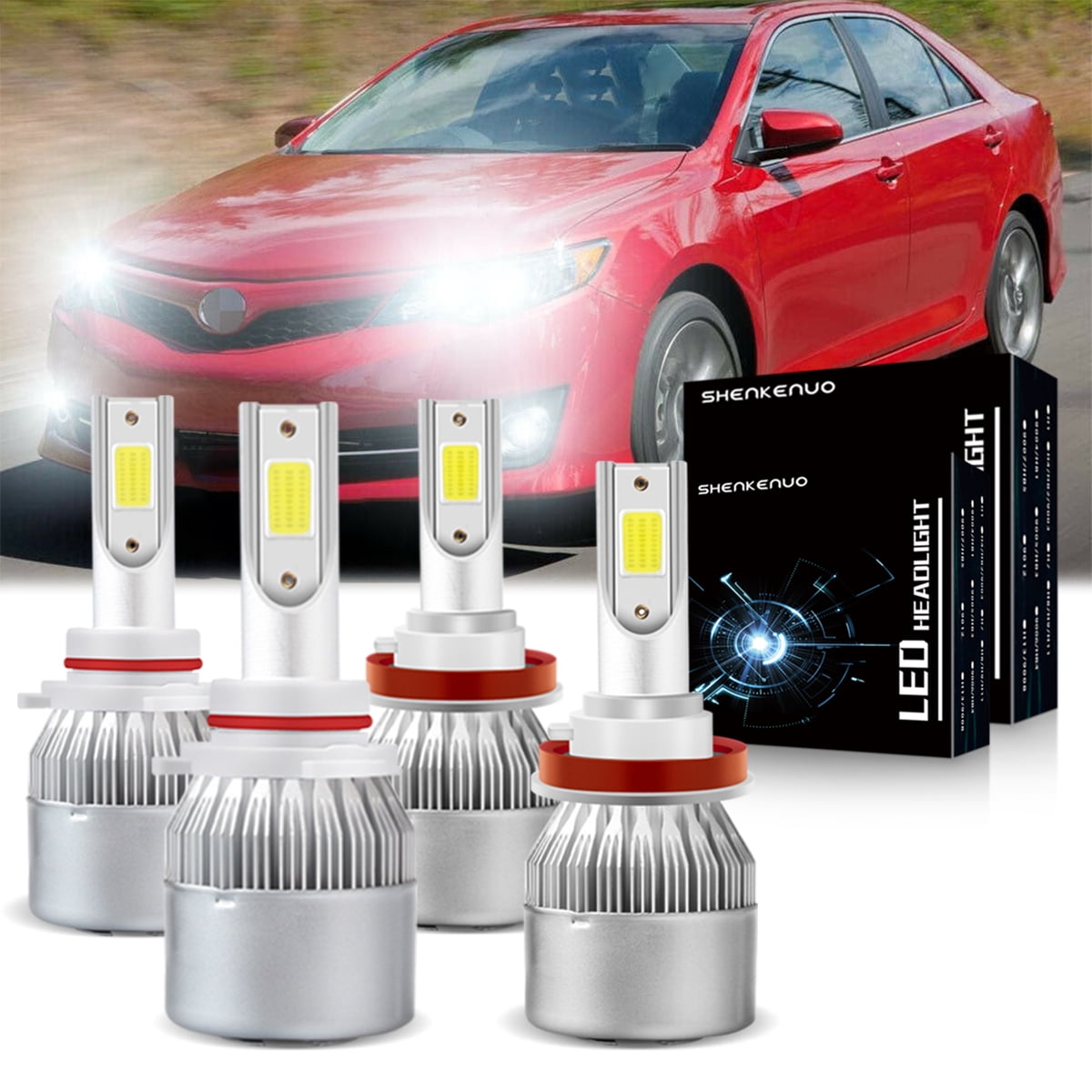
By 2026, many owners are looking to modernize their 2016 Camry by replacing the yellow-hued halogen bulbs with crisp white LED alternatives. While this is a popular modification, it requires careful consideration of technical specs.
Heat Management
Halogen bulbs radiate heat forward through the glass. In contrast, LED bulbs generate heat at the base of the "chip" (the light source). Therefore, high-quality LED upgrades for the 2016 Camry must have either a heat sink or a small cooling fan at the rear. Ensure there is enough clearance behind the headlight housing to accommodate these larger bases.
Beam Pattern and Clocking
Since the Camry uses a projector lens, the orientation of the LED chips matters. Most H11 LED bulbs allow you to "clock" or rotate the bulb within its collar. For the best light distribution, the LED chips should be facing 3 o'clock and 9 o'clock (horizontal) once installed. If they are vertical, you may experience "dark spots" in your field of vision.
Legality and Safety
It is important to note that in many jurisdictions, dropping an LED bulb into a housing designed for halogen is technically for "off-road use only." However, because the Camry uses projectors, the glare is significantly minimized compared to older cars. Always check local regulations regarding "Cool White" vs. "Daylight" color temperatures.
Troubleshooting Common Headlight Issues
As these vehicles age into a decade of service, certain mechanical and electrical issues become more prevalent.
- Hazing and Oxidation: The polycarbonate lenses on the 2016 Camry are susceptible to UV damage. By 2026, many original units may appear cloudy or yellow. This isn't just an aesthetic issue; it significantly reduces light output. Professional restoration or a DIY sanding and clear-coating kit can restore clarity.
- Moisture and Condensation: If you see water droplets inside the lens, the seal between the clear plastic and the black housing has likely failed. While small amounts of fogging are normal in high humidity, standing water indicates a leak that can short out bulbs or corrode the electrical sockets.
- Flickering Bulbs: This is often caused by a loose ground wire or a failing alternator. If only one side flickers, check the connector for signs of melting or corrosion, which can happen if high-wattage (non-standard) bulbs were previously used.
Adjusting the Headlight Aim
If you have recently replaced your headlight assemblies or lowered your vehicle's suspension, you may need to re-aim the beams. On the back of the 2016 Camry headlight housing, there is a small silver adjustment screw (usually an 8mm bolt or a Phillips head).
- Park the car on a level surface exactly 25 feet away from a flat wall.
- Measure the distance from the ground to the center of your projector lens.
- On the wall, mark that same height with a piece of tape.
- Turn on the low beams. The "cutoff line" (the top of the light beam) should sit approximately 2 inches below the tape mark. This ensures the lights are aimed slightly downward to illuminate the road without blinding others.
FAQ: Frequently Asked Questions
Can I install the XSE LED headlights on my Camry LE?
While the physical housings are the same shape and will bolt into the frame, the wiring harnesses are different. The XSE LED system uses a multi-pin connector that does not match the H11/9005 plugs on the LE. Conversion is possible but requires a specialized "plug-and-play" adapter harness or significant rewiring.
Why do my headlights stay on after I turn off the car?
This is a standard Toyota safety feature called "Headlight Exit Delay." It is designed to light your path to your front door. You can usually adjust the duration (30, 60, or 90 seconds) or disable it entirely through the vehicle’s "Settings" menu on the infotainment screen under "Vehicle Customization."
Does the 2016 Camry have "Automatic High Beams"?
Automatic High Beams (AHB) were available as part of the Advanced Technology Package on higher trims like the XLE and XSE. This system uses a camera mounted behind the rearview mirror to detect oncoming headlights or preceding taillights and automatically switches between high and low beams.
What is the best color temperature for visibility?
For the best balance of visibility and safety, look for bulbs in the 4300K to 5000K range. 4300K is "Warm White" (similar to OEM HID), which performs best in rain and fog. 6000K is "Cool White" with a slight blue tint; while it looks modern, it can cause more eye fatigue and more glare during inclement weather.
Why does my DRL warning light come on after installing LEDs?
The car's computer (ECU) expects to see a specific electrical resistance from a halogen bulb. LED bulbs have very low resistance. The car thinks the bulb is blown and triggers a warning. Installing a "load resistor" or a CAN bus-ready LED bulb typically resolves this issue.
Final Recommendations for 2026
Maintaining the headlights on a 2016 Toyota Camry is one of the most effective ways to ensure the vehicle remains safe and looks contemporary. If you are still using original halogen bulbs, consider a high-performance halogen upgrade (like the Philips CrystalVision or Sylvania SilverStar Ultra) for a whiter light without the electrical complications of LEDs.
If you choose to go the LED route, prioritize bulbs with adjustable collars to ensure the beam pattern remains safe and effective. Regularly check your lenses for oxidation and treat them early to avoid the high cost of replacing the entire headlight assembly.