Whether or not a life insurance maturity payout is taxable in the United States depends on the specific structure of the policy, the nature of the cash value, and the amount received relative to the "cost basis" of the policy. In most cases, if a policy matures and you receive a payout of cash value, you are only taxed on the portion of the proceeds that exceeds the total premiums you have paid into the plan over its lifetime.
Understanding the tax treatment of life insurance requires distinguishing between death benefits—which are generally income-tax-free—and living benefits, such as endowment maturity or the surrender of cash value. As of 2026, the Internal Revenue Service (IRS) maintains clear guidelines regarding the taxation of insurance proceeds, and navigating these rules is essential for financial planning.
Understanding the Life Insurance Cost Basis
The "cost basis" is the cornerstone of life insurance taxation. In the context of the U.S. tax code, the cost basis is typically defined as the total amount of premiums paid into the policy minus any dividends, distributions, or untaxed withdrawals already received.
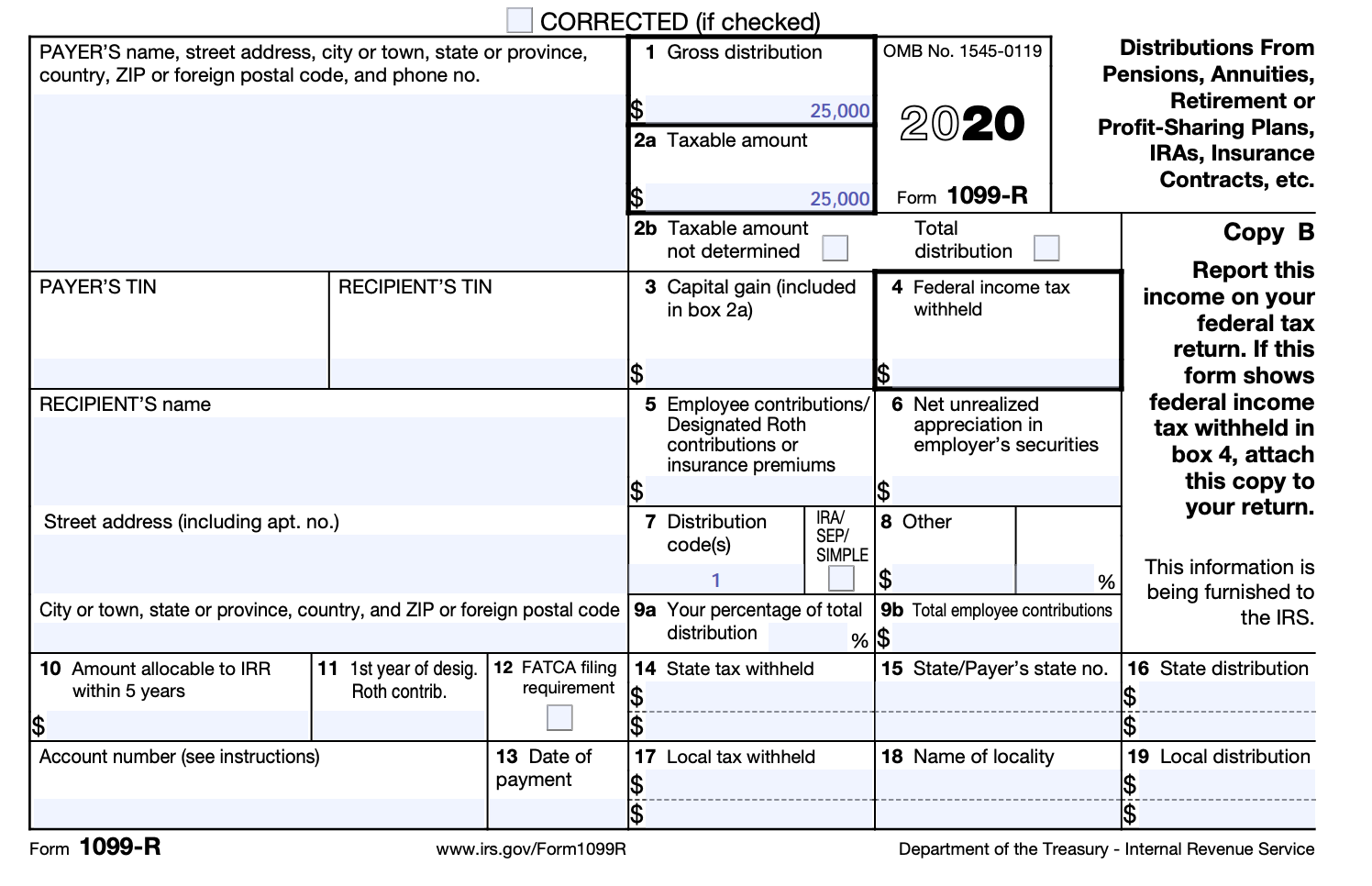
When a life insurance policy matures, the insurance company typically sends a Form 1099-R to the policyholder and the IRS. This form outlines the gross distribution and the taxable amount. If your payout is less than or equal to your cost basis, the IRS generally views this as a return of your own capital, meaning it is not subject to income tax. If the payout exceeds your cost basis, the "gain"—the difference between what you received and what you paid in—is taxed as ordinary income, not capital gains.
The Role of Dividends and Withdrawals
Policyholders often overlook how past actions affect their current tax standing. If you previously took cash distributions or received dividends from a policy that were not taxable at the time (because they were essentially a return of premium), these amounts reduce your remaining cost basis. When the policy reaches maturity, you may find that your cost basis is lower than you anticipated, resulting in a higher taxable gain than initially expected.
Maturity vs. Surrender: What Is the Difference?
While the tax outcome is often similar, the legal mechanism differs between a "maturity" event and a "surrender."
- Maturity: This occurs when a policy, such as an endowment policy, reaches a pre-determined date set in the contract. At this point, the policy reaches its full face value, and the insurance company pays out the cash.
- Surrender: This occurs when a policyholder decides to cancel an active policy before the natural death of the insured party. The company pays out the accumulated cash value, less any surrender charges.
In both instances, the "Gain = Amount Received - Cost Basis" formula applies. However, maturity payouts are often planned, allowing for more precise tax projections, whereas surrenders may be impulsive or prompted by a sudden need for liquidity, sometimes resulting in unexpected tax bills.
Tax Implications Based on Policy Type
Not all life insurance policies operate the same way under the tax code. The specific design of your policy—whether it is a Whole Life, Universal Life, or an Endowment policy—influences how the IRS treats the distribution.
Endowment Policies
Endowment policies are the most common products that trigger a "maturity" event. These are designed to pay out the face value either upon the death of the insured or at the end of a specified term (e.g., 20 or 30 years). When an endowment policy matures, the policyholder receives the face value. The tax obligation arises immediately on the excess gain. Because these policies often have long durations, the gain can be substantial, leading to a significant tax liability in the year of maturity.
Whole Life and Universal Life
These permanent policies generally do not "mature" in the same way an endowment does; they are intended to remain in force until the death of the insured. However, if they reach their "Maturity Age" (often age 100, 115, or 121, depending on the contract’s mortality table), the cash value may equal the death benefit. At this point, the policy is essentially "endowed," and the proceeds are distributed to the policyholder. This distribution is subject to the same cost-basis rules discussed previously.
Table: Tax Treatment of Life Insurance Proceeds
| Scenario | Taxability of Gain | Cost Basis Considerations |
|---|---|---|
| Death Benefit | Generally Tax-Free | N/A |
| Policy Surrender | Taxable as Ordinary Income | Total Premiums Paid - Dividends |
| Endowment Maturity | Taxable as Ordinary Income | Total Premiums Paid - Distributions |
| Policy Loan | Generally Tax-Free | Not a distribution, but impacts basis if unpaid |
| 1035 Exchange | Tax-Deferred | Basis carries over to the new policy |
Strategies for Managing Tax Liability
If you anticipate that your policy will mature with a significant gain, you may explore strategies to manage your tax exposure. It is important to note that these strategies should be discussed with a qualified tax advisor or financial planner to ensure they align with your specific financial goals and the legal constraints of your state.
1. Section 1035 Exchanges
A 1035 exchange allows a policyholder to swap one life insurance policy for another without triggering a taxable event. If you do not need the cash at the time of maturity, you can transfer the proceeds from the maturing policy into a new policy or an annuity. By doing so, you defer the taxes on the gain. The cost basis of the old policy moves to the new policy, effectively kicking the tax liability down the road.
2. Spreading Income
If the maturity event results in a large lump-sum payment, you may face a higher marginal tax bracket in the year of receipt. Some insurance carriers offer options to receive the maturity payout as an annuity over several years rather than a single lump sum. This can sometimes help spread the tax burden over multiple tax years, potentially keeping you in a lower tax bracket.
3. Charitable Donations
If you no longer need the proceeds and are charitably inclined, you might consider donating the policy proceeds to a qualified non-profit organization. Depending on your financial structure, you may be able to offset some of the tax consequences associated with the maturity gain, though this is a complex transaction requiring professional legal and tax guidance.
Common Pitfalls and Mistakes to Avoid
The most frequent error policyholders make is assuming that "all life insurance payouts are tax-free." While death benefits for beneficiaries are almost always free of federal income tax (provided the policy wasn't transferred for value), proceeds paid to the policyowner while they are alive are treated differently.
Another common mistake is failing to keep accurate records of premium payments. Because the taxable gain is calculated based on the cost basis, having documented proof of your premiums—especially for policies that have been in force for decades—is vital. Without these records, the IRS may assume your cost basis is zero, meaning the entire payout could be considered taxable income.
Finally, ignore the potential impact of state-level taxes. While federal law is uniform, state laws vary. Some states may treat insurance gains differently, and it is crucial to check your local tax statutes or consult a CPA who is familiar with your state’s specific treatment of insurance proceeds.
Frequently Asked Questions
Is the entire maturity amount taxable?
No. You are only taxed on the "gain," which is the amount of the payout that exceeds your total cost basis. The portion of the money that represents your own premium payments is considered a return of principal and is not taxed.
What happens if I lose my records of premium payments?
You should contact your insurance company immediately. Most insurance carriers maintain detailed historical records for their policyholders. Request a statement showing the total premiums paid since the inception of the policy to establish your cost basis for tax reporting.
Does the death benefit of the policy get taxed at maturity?
No. A "maturity" event and a "death benefit" event are mutually exclusive. If the insured person dies, the payout is considered a death benefit and is generally free of income tax. If the policy reaches maturity while the insured is still alive, the payout is treated as a distribution of cash value.
Can I reduce the tax by claiming medical expenses or other deductions?
Generally, no. The taxation of life insurance maturity is based on the internal gain of the financial instrument itself. Standard personal tax deductions, such as medical expenses or charitable contributions, are calculated separately on your tax return and do not reduce the gain calculated by the insurance company.
Is the tax rate on life insurance gains the same as capital gains?
No. Gains on life insurance surrenders or maturity payouts are taxed as ordinary income at your regular federal income tax rate. They do not qualify for the preferential lower tax rates often applied to long-term capital gains from stocks or real estate.
Next Actions and Professional Advice
If you have a life insurance policy nearing its maturity date, your first step should be to request a "policy illustration" and a "cost basis report" from your insurance carrier. These documents will provide the figures you need to estimate your potential tax liability.
Because tax laws are subject to change and individual financial situations vary, you should consult with a tax professional or a fee-only financial planner before the maturity date occurs. They can help you model the impact of the payout on your total taxable income and determine if a 1035 exchange or another tax-deferral strategy is appropriate for your long-term goals. Do not rely solely on the insurance agent who sold you the policy, as they may have a vested interest in your retention of the product rather than your specific tax-planning outcome.