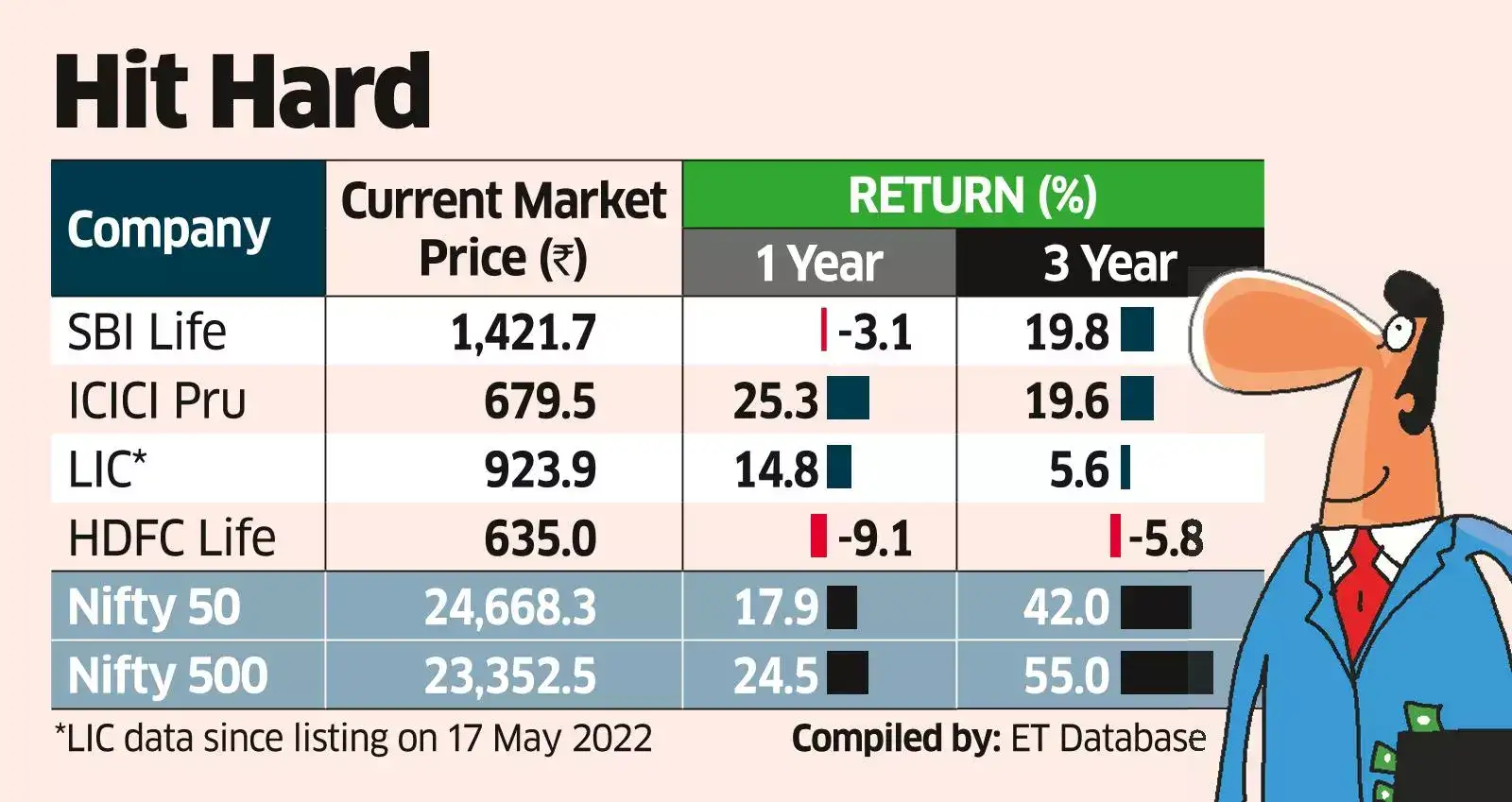
Life insurance stocks are generally considered stable, income-generating assets, but their safety is tied to interest rate environments, regulatory solvency requirements, and long-term actuarial performance. While they lack the aggressive growth potential of the technology sector, they offer dividends and defensive characteristics, provided investors carefully evaluate the specific financial health and product mix of individual carriers.
Understanding the Life Insurance Business Model
To determine whether life insurance stocks are "safe," one must first understand how these companies generate profit. Unlike a retail company that sells a product for a markup, a life insurance company operates on a model of long-term liability management. They collect premiums from policyholders and invest those funds into high-quality, fixed-income securities—primarily government and corporate bonds.
The "safety" of a life insurance stock is fundamentally linked to the "spread." This spread is the difference between the return the insurer earns on its invested assets and the interest it must pay out to policyholders or reserve for future claims. When interest rates are low for extended periods, insurers struggle to earn enough on their bond portfolios to meet their obligations without taking on higher, riskier assets. Conversely, in a rising or stable interest rate environment, life insurance companies often see improved margins.
Factors Influencing the Safety of Insurance Equities
Investors often equate "safety" with low volatility. However, life insurance stocks do not exist in a vacuum. Several macro and micro factors dictate their risk profile in 2026.
Interest Rate Sensitivity
Life insurance companies are highly interest-rate sensitive. A significant portion of their assets is held in long-duration bonds. When interest rates rise, the market value of existing bonds falls, which can impact the book value of an insurance company. However, the long-term benefit of higher rates is that new premiums can be invested at more attractive yields. For the average investor, this makes life insurance stocks a defensive play during periods of economic expansion but a potentially volatile one during rapid shifts in central bank policy.
Actuarial Risk and Mortality Trends
The core business of a life insurer is predicting life expectancy. Unexpected shifts in mortality—such as those seen during global health crises or significant environmental changes—can impact the payouts of life insurance policies. While these companies maintain massive capital reserves to mitigate such shocks, any event that significantly increases the speed of claims settlement can temporarily depress stock prices and dividend coverage ratios.
Regulatory Solvency Standards
Insurance companies are among the most heavily regulated entities in the global financial system. Regulators, such as the National Association of Insurance Commissioners (NAIC) in the United States and similar bodies globally, require insurers to maintain strict Risk-Based Capital (RBC) ratios. These requirements ensure that even in adverse economic scenarios, the company has enough liquid assets to pay its policyholders. This regulatory framework provides a level of "safety" for shareholders that is absent in non-regulated sectors, as it forces management to prioritize capital preservation over aggressive speculation.
Comparing Life Insurance to Other Financial Sectors
It is common for investors to group all financial stocks together, but life insurance is distinct from banking or asset management.
| Feature | Life Insurance Stocks | Commercial Banking Stocks |
|---|---|---|
| Primary Revenue | Premiums and Investment Income | Net Interest Margin and Fees |
| Asset Duration | Very Long-Term (10–30+ years) | Short to Medium-Term |
| Regulatory Focus | Solvency and Claims Ability | Liquidity and Credit Quality |
| Dividend Profile | Generally Consistent | Often Cyclical |
| Volatility | Moderate | High |
The safety of life insurance stocks often stems from the fact that they are "sticky" businesses. Once a client purchases a permanent life insurance policy, they are unlikely to cancel it, providing the insurer with a predictable stream of cash flow for decades. This predictability is the primary driver behind the consistent dividend payouts that many legacy insurance companies offer.
Risks to Consider
Despite their reputation for stability, life insurance stocks are not risk-free. If you are considering adding these to your portfolio, monitor these three specific risks:
- Credit Risk in Bond Portfolios: While insurers focus on "high-quality" bonds, they occasionally drift into corporate debt to boost yields. A significant economic downturn that leads to widespread corporate defaults could impair the assets supporting the insurance liabilities.
- Product Mix Concentration: Companies heavily reliant on interest-sensitive products (like certain types of annuities) are more vulnerable to rate fluctuations than companies with a diversified portfolio of life, health, and disability insurance.
- Technological Disruption: The insurance industry is undergoing a "digitization" phase. Legacy insurers with high operational costs and slow-moving legacy software systems face a competitive disadvantage against "insurtech" firms that can process applications and manage claims with significantly lower overhead.
Evaluating Financial Strength
Before buying an insurance stock, investors should look beyond the stock price. The primary metric for an insurance company’s health is its Financial Strength Rating (FSR) provided by independent agencies like A.M. Best, Moody’s, or S&P.
While these ratings are intended for policyholders, they serve as a perfect proxy for investors. An insurer with an "A" rating or higher has demonstrated an excellent ability to meet its ongoing obligations. If an insurance company is struggling to maintain its FSR, it is a warning sign that the company may need to cut dividends or raise capital, both of which are detrimental to stock performance.
Practical Steps for Investors
If you believe life insurance stocks fit your risk tolerance, follow this methodology to assess potential investments:
- Review the Dividend Yield and Payout Ratio: Look for companies with a history of raising dividends. Ensure the payout ratio (the percentage of earnings paid as dividends) is sustainable, typically below 60–70%.
- Check the Investment Portfolio Composition: Read the company’s annual report (Form 10-K). Identify what percentage of their assets are in government bonds versus corporate, mortgage-backed, or alternative investments.
- Analyze Growth Strategy: Is the company expanding into new markets or demographic segments? A company that is purely static may be safe, but it will likely underperform in terms of total return.
- Monitor Operating Margin Trends: Is the company becoming more efficient? Look for consistent or improving operating margins over a rolling three-year period.
Frequently Asked Questions
Are life insurance stocks a good hedge against inflation? Life insurance stocks are not traditional inflation hedges like gold or commodities. However, they can be beneficiaries of inflation if it leads to higher interest rates, which allows the insurers to achieve higher yields on their massive bond portfolios.
Do life insurance companies go bankrupt? Bankruptcy in the insurance sector is rare due to strict capital requirements, but it can happen. When it does, state-level "Guaranty Associations" typically step in to ensure policyholders continue to receive benefits. For shareholders, however, a failing insurer often leads to a total loss of equity value.
Should I buy insurance stocks during a recession? Insurance stocks are often considered "defensive." Because people generally view their life insurance policies as essential, these companies tend to have more resilient revenue streams during economic downturns compared to discretionary retail or travel sectors.
What is the impact of longevity on life insurance stocks? Increased life expectancy is a double-edged sword. It means the company collects premiums for longer, but it also means they have more time to earn investment income before paying out the death benefit. Historically, actuaries have managed this transition well, but significant breakthroughs in medical science can force companies to re-price their products.
Is it better to own insurance stocks or the insurance company’s policies? These serve entirely different purposes. Insurance policies are for financial protection and risk transfer; insurance stocks are for capital appreciation and dividend income. You should never view the purchase of an insurance stock as a replacement for personal life insurance coverage.
Next Actions for Your Portfolio
If you decide to proceed, begin by identifying 3–5 well-capitalized, publicly traded insurers with strong A.M. Best ratings. Compare their current dividend yield against the 10-year Treasury note to ensure you are being adequately compensated for the equity risk. Once you have a shortlist, analyze their most recent earnings call transcripts to understand how management expects to navigate the interest rate environment through the remainder of 2026. Always remember that, as with any equity investment, diversification is your primary tool for mitigating the risk of a single company's underperformance.