At-home laser hair removal devices offer a clinically proven method for achieving long-term hair reduction by targeting the melanin in hair follicles with light energy. Most high-quality 2026 models utilize either Intense Pulsed Light (IPL) or Diode laser technology to disable hair growth over several sessions. While results vary based on skin tone and hair color, top-rated devices can achieve up to 90% hair reduction within three months of consistent use.
Understanding the Technology: Laser vs. IPL
When researching at-home hair removal, the terms "laser" and "IPL" are often used interchangeably, but they represent distinct technologies with different mechanisms of action. Understanding these differences is the first step in selecting the right device for your needs.
Intense Pulsed Light (IPL)
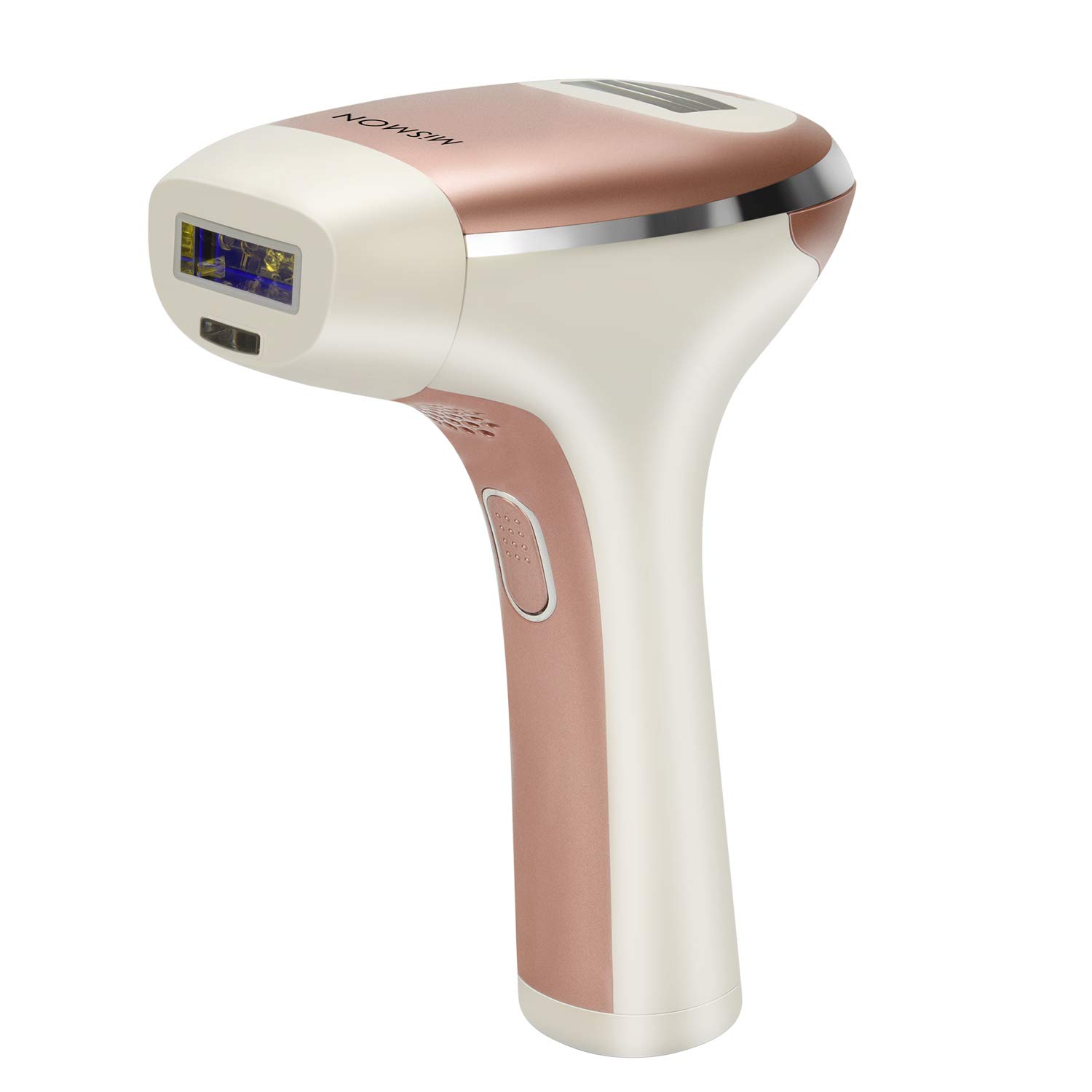
Most consumer devices on the market in 2026 are technically IPL devices. IPL uses a broad spectrum of light with multiple wavelengths. This light scatters across the skin, targeting the pigment (melanin) in the hair. Because the light is less focused than a true laser, IPL devices typically require more sessions to achieve the same results, but they cover larger surface areas quickly, making them ideal for legs and arms.
Diode Laser Technology
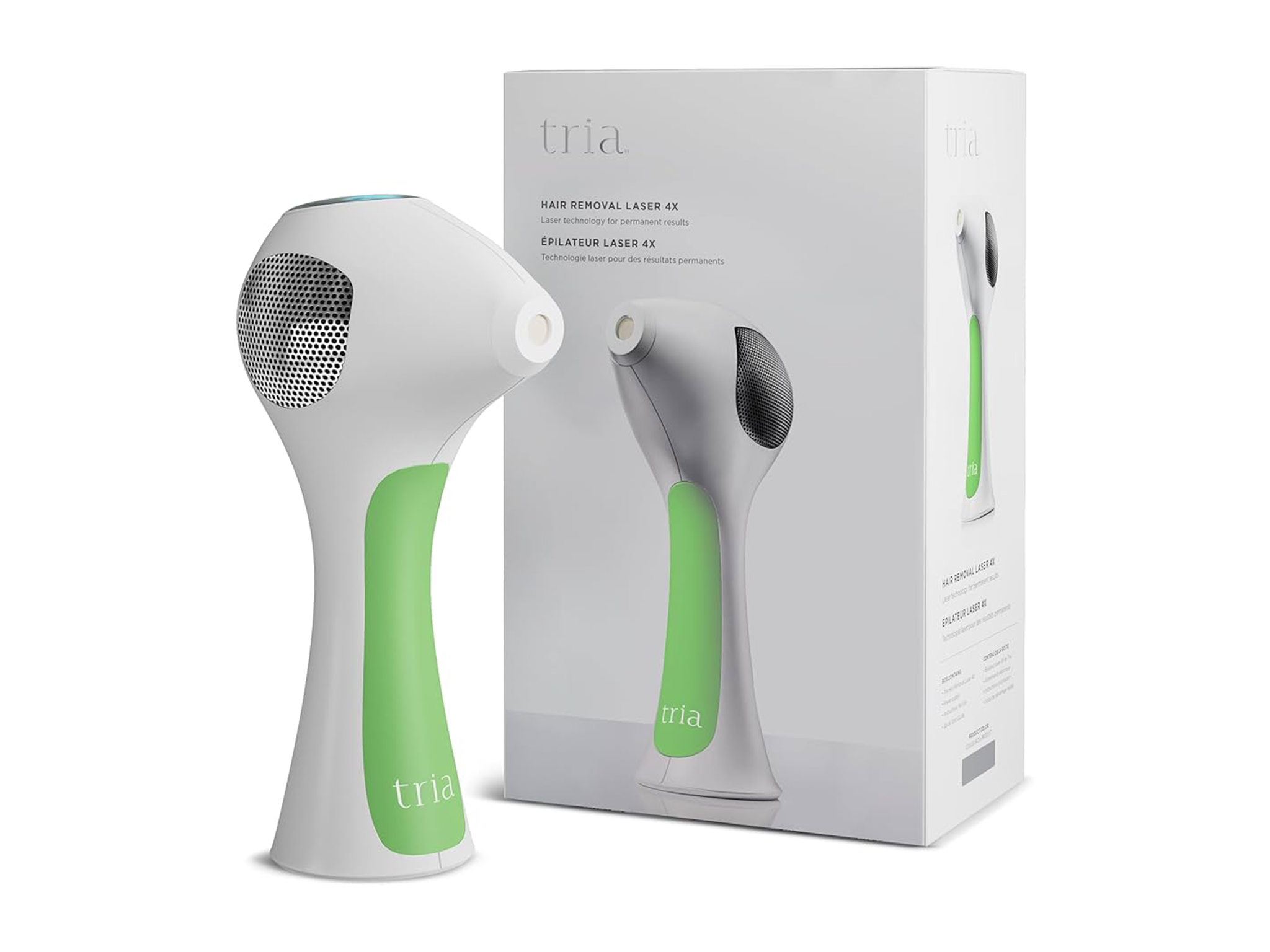
A true at-home laser, such as the Tria Hair Removal Laser 4X, uses a single, concentrated wavelength of light. This monochromatic beam penetrates deeper into the follicle with higher intensity. Diode lasers are generally considered more powerful and can be more effective on stubborn or thick hair, though the treatment window is usually much smaller, making the process more time-consuming for large body areas.
The Importance of the Fitzpatrick Scale
The efficacy and safety of at-home laser hair removal are heavily dependent on the contrast between your skin tone and your hair color. This is measured using the Fitzpatrick Scale, a classification system for human skin color.
- Type I & II: Very fair skin, light eyes, blonde or red hair. (High risk of burning; often ineffective if hair lacks melanin).
- Type III & IV: Medium skin, brown eyes, dark hair. (Ideal candidates for most devices).
- Type V & VI: Dark brown to black skin. (High risk of injury because the device may target the skin's melanin instead of the hair follicle).
In 2026, many premium devices include skin tone sensors that automatically adjust the energy output or lock the device entirely if the skin is too dark for safe use. Using a device on an incompatible skin tone can lead to hyperpigmentation, scarring, or localized burns.
Key Features to Evaluate in 2026 Reviews
When reading "at home laser hair removal reviews," it is easy to get lost in marketing jargon. To make an informed decision, focus on these technical specifications:
Fluence (Energy Output)
Fluence is measured in Joules per square centimeter (J/cm²). It represents the strength of the light pulse. Higher fluence generally leads to better results but increases the risk of discomfort. Professional clinic lasers operate at much higher levels, while home devices typically range from 3 to 22 J/cm².
Cooling Technology
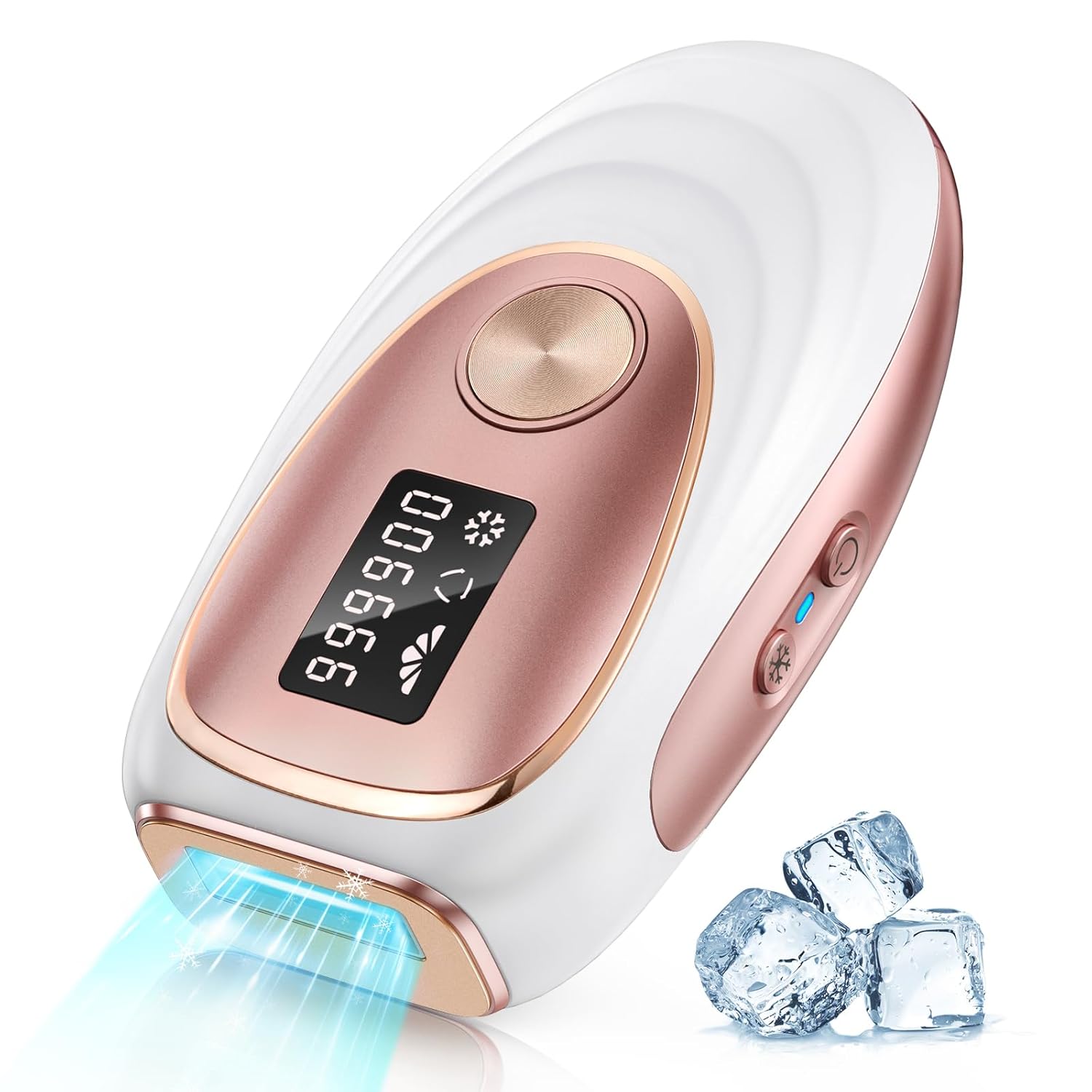
One of the most significant advancements in recent years is integrated cooling. High-end models now feature "Ice-touch" or sapphire cooling heads that maintain a low temperature on the skin surface during the flash. This minimizes pain and allows the device to use higher energy settings without damaging the epidermis.
Flash Speed and Lifespan
Check the "flash interval"—the time between pulses. Faster devices (0.5 to 1 second per flash) allow you to complete a full-body treatment in under 20 minutes. Additionally, look for devices with a high "lamp life," often measured in hundreds of thousands of flashes, which effectively makes the device a lifetime investment.
Top-Rated At-Home Laser Hair Removal Devices of 2026
Based on clinical efficacy, user ergonomics, and safety features, the following devices represent the current gold standard in the industry.
| Device Name | Technology | Best For | Fluence Level | Key Feature |
|---|---|---|---|---|
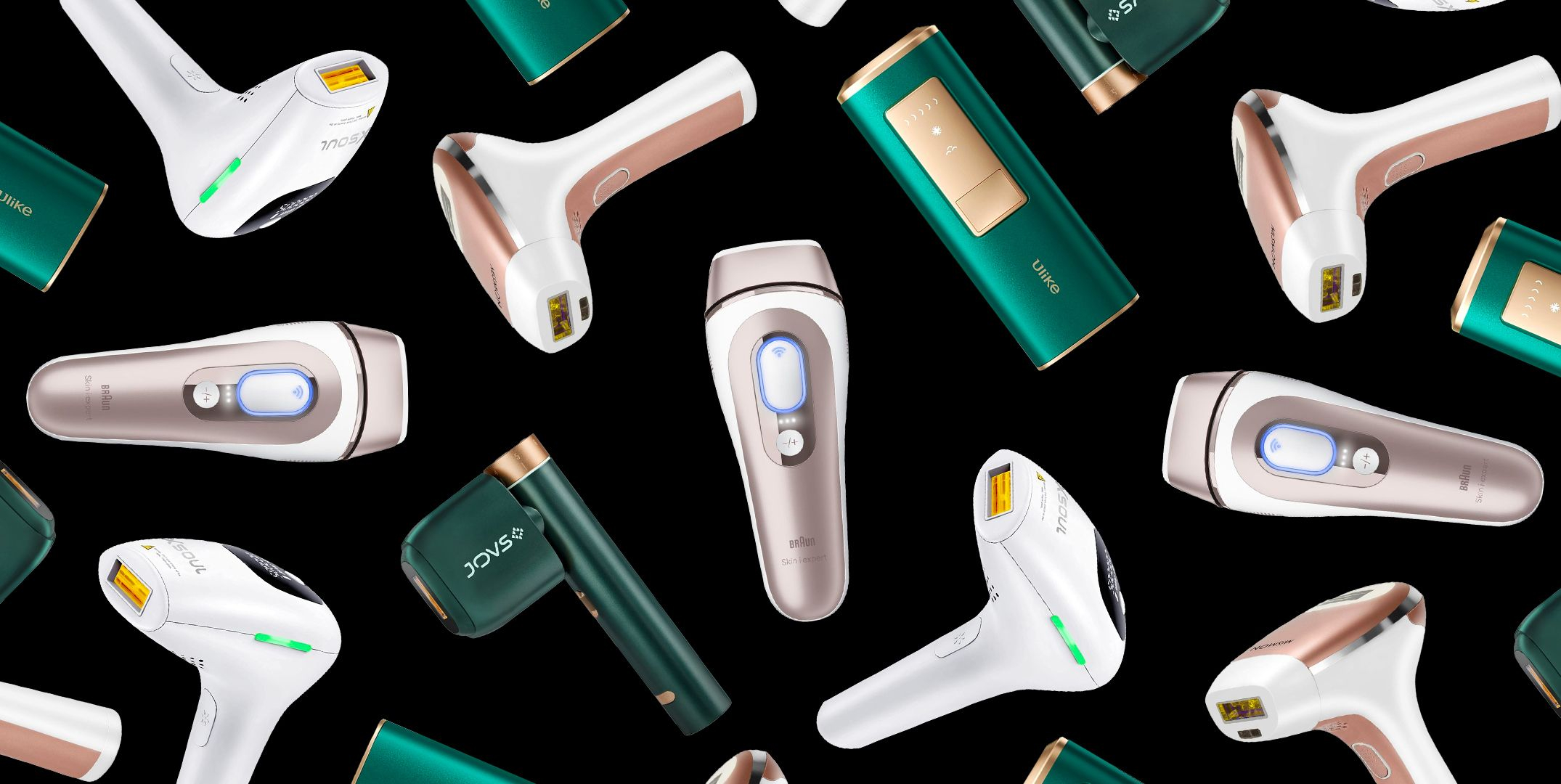
| Braun Silk-expert Pro 5 | IPL | Speed & Safety | Up to 6 J/cm² | SensoAdapt Skin Sensor |
| Ulike Sapphire Air 10 | IPL | Pain-Free Experience | High (Dual Lamp) | Ice-Cooling Tech |
| Tria Hair Removal Laser 4X | Diode Laser | Stubborn/Small Areas | Up to 22 J/cm² | Professional Power |
| Philips Lumea 9900 | IPL | Versatility | High | Cordless + Smart App |
| Silk'n Infinity | HPL/Galvanic | Deep Penetration | Moderate | Galvanic Energy |
Braun Silk-expert Pro 5 Review
The Braun Silk-expert Pro 5 remains a favorite because of its SensoAdapt technology. This sensor reads your skin tone 80 times per second and automatically optimizes the light intensity for every flash. It is FDA-cleared and provides a balance of speed and safety that is difficult to beat. Users typically report a 70% reduction in hair after just four weeks of twice-weekly treatments.
Ulike Sapphire Air 10 Review
The Ulike Sapphire Air 10 is the 2026 leader for those with low pain tolerance. Its dual-light source increases energy delivery while its patented sapphire cooling window keeps the skin at approximately 60°F (15°C). This allows for "Shrinkage Mode" treatments that target deep follicles without the "rubber band snap" sensation common in older IPL models.
Tria Hair Removal Laser 4X Review
As the only FDA-cleared diode laser for home use, the Tria 4X is in a league of its own regarding power. Because it uses a true laser, it is highly effective on the chin, bikini line, and underarms. However, its small treatment window means doing an entire leg could take over an hour, and the higher energy levels can be quite painful without a topical numbing cream.
Preparation and Safety Protocol
To achieve results that mirror professional treatments, you must follow a strict preparation protocol. Failure to do so can result in skin damage or ineffective sessions.
- Shave, Don't Wax: You must shave the area 24 hours before treatment. The goal is to leave the hair root intact beneath the skin so the light can target it. Waxing, plucking, or epilating removes the root, leaving the device with no target.
- Clean and Dry Skin: Ensure the area is free of lotions, deodorants, sunscreens, or self-tanner. Self-tanner is particularly dangerous as it adds artificial pigment to the skin, which the laser may target.
- Patch Test: Always perform a patch test on a small area of skin and wait 24 hours to check for adverse reactions before proceeding with a full treatment.
- Eye Protection: While many IPL devices have safety sensors that prevent flashing unless pressed against the skin, wearing protective eyewear is highly recommended to avoid "stray" light exposure.
Contraindications and Risks
At-home laser hair removal is not suitable for everyone. Avoid use if:
- You are pregnant or breastfeeding (due to hormonal changes affecting hair growth).
- You have tattoos or permanent makeup in the treatment area.
- You have a history of skin cancer or active skin infections.
- You are taking photosensitizing medications (e.g., Accutane, certain antibiotics).
For more detailed safety guidelines, refer to the American Academy of Dermatology regarding light-based treatments.
Cost Analysis: Home vs. Professional Clinics
A primary driver for "at home laser hair removal reviews" is the potential for cost savings. In 2026, the price of a high-end home device ranges from $300 to $600. In contrast, professional laser hair removal typically costs between $200 and $500 per session, with most individuals requiring 6 to 10 sessions per area.
- Professional Treatment (Full Body): $3,000 - $5,000+ over two years.
- At-Home Treatment: $400 (One-time purchase) + your time.
While home devices are significantly cheaper, they require a higher level of user discipline. Professional lasers (like Alexandrite or Nd:YAG) are much more powerful and can treat a wider range of skin tones safely.
Maintaining Your Results
At-home laser hair removal is rarely "permanent" in the sense that hair will never grow back. Instead, it is permanent hair reduction. After the initial "startup phase" (usually 8-12 weekly sessions), you will enter a maintenance phase.
During maintenance, you may only need to use the device once every one to three months to catch "dormant" follicles that have entered the active growth phase (anagen phase). Factors such as hormonal shifts, medications, and genetics can influence how often touch-ups are required.
Frequently Asked Questions
Is at-home laser hair removal painful?
The sensation is often described as a warm snap of a rubber band. Devices with cooling technology, like the Ulike Sapphire series, significantly reduce this discomfort. Diode lasers like the Tria tend to be more painful than IPL devices due to the concentrated energy.
Can I use these devices on my face?
Most 2026 models are safe for use on the face from the cheekbones down (upper lip, chin, jawline). However, they should never be used near the eyes or on the forehead, as the light can damage the retinas or affect the eyebrows. Ensure the device you choose has a dedicated "face mode" or a smaller precision attachment.
How long does it take to see results?
Most users notice a slowing of hair growth and thinner hair after 3 to 4 sessions. Significant results—where you no longer need to shave daily—usually occur between sessions 8 and 12. Consistency is the most critical factor in the success of at-home treatments.
Will it work on grey, ginger, or white hair?
Unfortunately, no. Laser and IPL technology rely on the melanin in the hair to absorb the light. Grey, white, and very light blonde hairs lack sufficient melanin, while red hair contains a different type of melanin (pheomelanin) that does not absorb the light energy effectively.
Can I use it over tattoos?
No. The laser will be attracted to the dark ink in the tattoo rather than the hair follicle. This can cause the ink to "explode" under the skin, leading to severe burns, blistering, and permanent distortion of the tattoo.
Final Recommendation
For most users in 2026, the Braun Silk-expert Pro 5 offers the best combination of safety, speed, and proven results. If you have a lower pain threshold, the Ulike Sapphire Air 10 is the superior choice due to its advanced cooling system. For those targeting small, stubborn patches of dark hair and who want the maximum possible power, the Tria Hair Removal Laser 4X remains the most effective, albeit slower, option.
Before purchasing, always verify your skin tone against the manufacturer’s chart to ensure compatibility. Consistent application and adherence to safety protocols are the only ways to achieve the smooth, hair-free skin promised by these devices.