An assets test overview provides a comprehensive evaluation framework for assessing the total value, liquidity, and distribution of owned resources, helping individuals and organizations determine eligibility for specific financial programs, regulatory compliance thresholds, or strategic portfolio rebalancing goals.
Evaluating an asset portfolio requires a clear, systematic approach that bridges financial accounting, regulatory compliance, and strategic planning. Whether you are navigating means-tested public assistance programs, preparing a personal financial audit, or evaluating corporate resource allocation, understanding how assets are categorized, valued, and tested is essential. This guide explores the mechanics of asset testing, methodologies, standard verification procedures, and best practices for accurate resource reporting.
Understanding the Core Purpose of an Assets Test
An assets test is a mechanism used by financial institutions, government agencies, and corporate entities to evaluate the total economic worth of an individual or organization. Unlike income tests, which measure regular cash inflows over a specific period, an assets test examines accumulated wealth and holdings at a specific point in time.
The primary objective is to establish eligibility, risk exposure, or net worth limits. For instance, public assistance programs use asset thresholds to ensure that limited welfare resources are directed toward individuals with genuine financial need. Conversely, commercial lenders and wealth managers use asset testing to determine creditworthiness, lending limits, or portfolio diversification strategies.
By analyzing both tangible and intangible holdings, stakeholders can obtain an accurate picture of financial stability. This evaluation distinguishes between liquid capital, which can be accessed immediately, and illiquid capital, which requires time and transaction costs to convert into cash.
Categories of Assets Evaluated in Testing
A thorough assessment requires categorizing resources accurately. Not all assets are treated equally during an evaluation; specific exclusions, exemptions, and depreciation rules often apply depending on the governing framework or program guidelines.
Liquid Assets
Liquid assets include cash and any other holdings that can be converted to cash quickly with minimal impact on value. These are typically scrutinized most closely in financial distress or welfare eligibility tests because they represent immediate purchasing power.
- Checking and savings accounts
- Money market accounts
- Certificates of deposit (CDs)
- Readily marketable stocks and bonds
Non-Liquid and Fixed Assets
Fixed or non-liquid assets represent long-term holdings that cannot be easily or quickly converted to cash without significant transaction costs or loss of value.
- Real estate holdings (primary residences, commercial properties, land)
- Business equity and commercial inventory
- Vehicles, boats, and recreational equipment
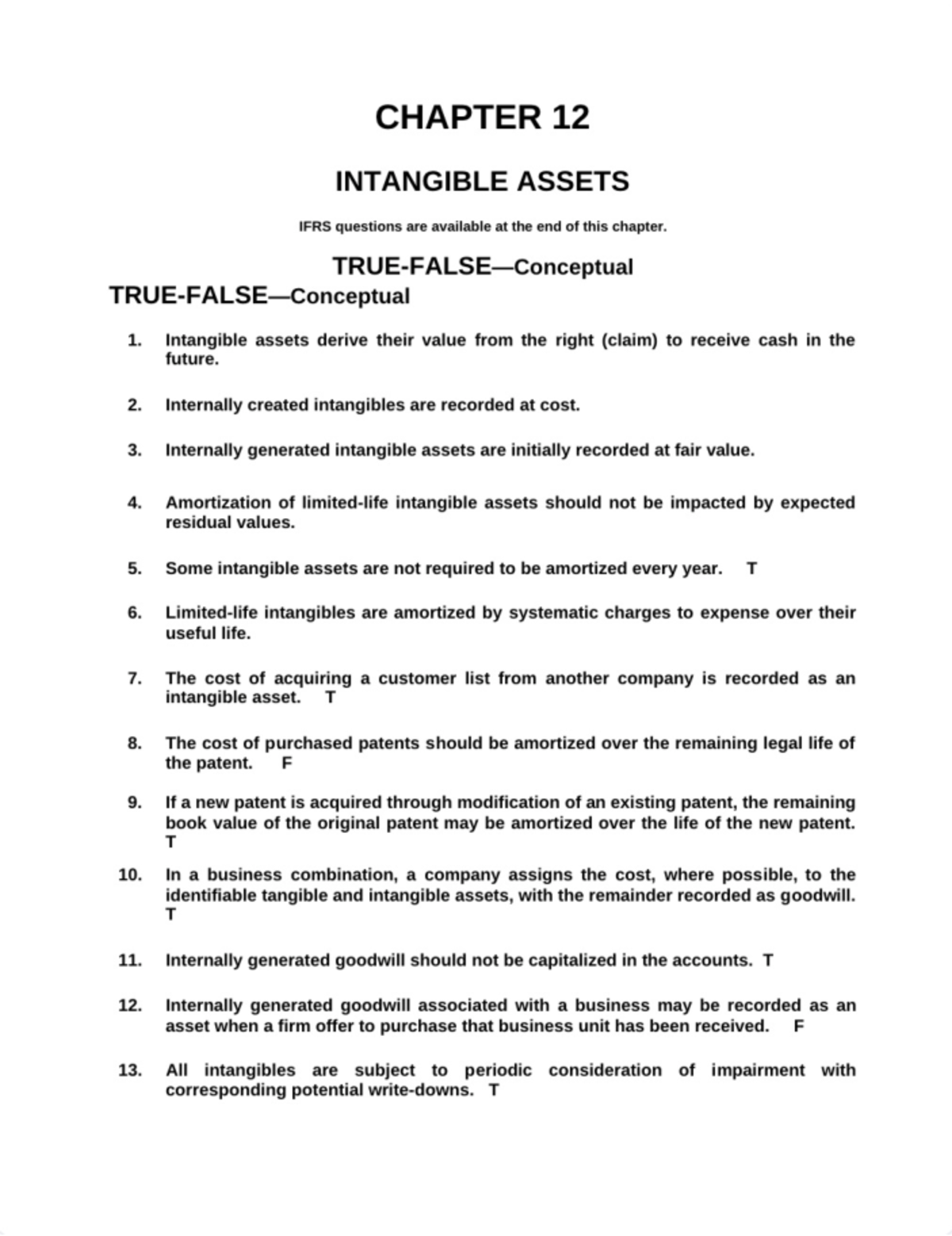
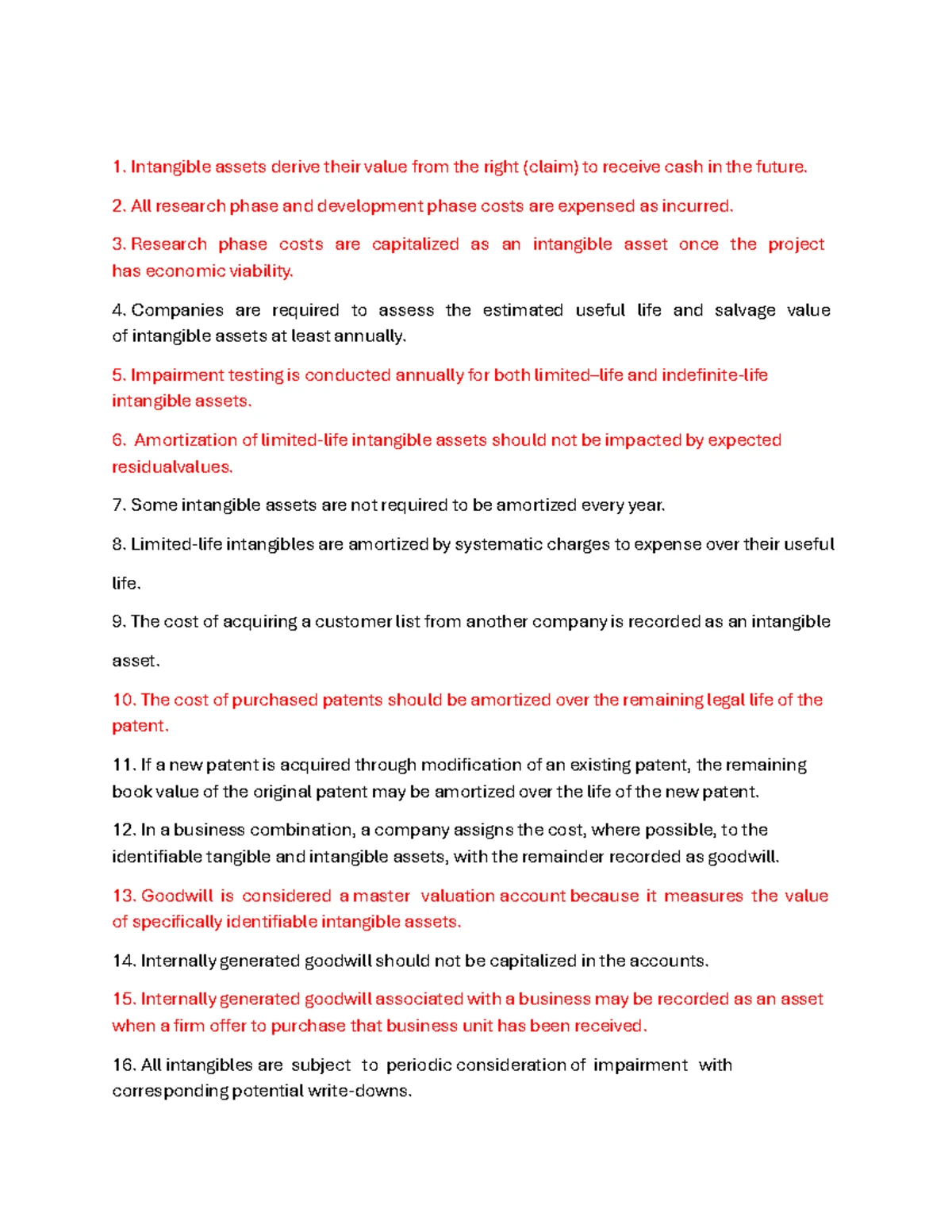
- Intellectual property and patents
Exempt vs. Non-Exempt Assets
During an asset test, certain holdings may be completely excluded from the final calculation based on statutory rules or program guidelines. Understanding what constitutes an exempt asset prevents miscalculations and unnecessary compliance risks.
| Asset Category | Description | Typical Treatment in Testing |
|---|---|---|
| Primary Residence | The main home where the owner resides. | Often exempt up to a certain equity limit in public programs; fully counted in commercial net worth assessments. |
| Personal Vehicles | Cars, trucks, or motorcycles used for daily transportation or work. | Usually one vehicle is exempt or subject to a depreciation value cap; secondary vehicles are typically counted. |
| Retirement Accounts | 401(k)s, IRAs, pensions, and other tax-advantaged savings. | Frequently protected or partially exempted in means-testing, though subject to specific withdrawal penalties and rules. |
| Personal Effects | Clothing, household furnishings, and everyday electronics. | Almost universally exempt due to negligible resale value and basic living necessities. |
Step-by-Step Methodology for Conducting an Asset Assessment
Executing an accurate assets test requires a structured, repeatable process. Whether you are conducting an internal audit or preparing documentation for an external body, following a standardized sequence ensures compliance and transparency.
- Define the Scope and Purpose: Identify the specific guidelines, regulations, or financial goals governing the test. Different programs enforce distinct inclusion and exclusion rules.
- Inventory All Holdings: Compile a comprehensive list of all financial accounts, physical property, investments, and business interests. Avoid omitting minor accounts or secondary properties.
- Establish Valuation Dates: Determine the exact date or valuation window required for the assessment. Asset values fluctuate daily, making synchronization critical for accuracy.
- Gather Documentation: Collect official statements, appraisals, titles, and tax assessments to substantiate the reported values of each holding.
- Deduct Liabilities: Subtract outstanding debts, mortgages, loans, and liens associated with specific assets to calculate net equity rather than gross market value.
- Apply Exemptions: Review the governing rules to subtract any statutorily protected assets, resulting in the final countable asset figure.
Common Standards and Regulatory Frameworks
Asset testing is utilized across multiple industries, each with distinct standards and methodologies. Recognizing these frameworks is vital for proper preparation and interpretation of test results.
Government and Welfare Means-Testing
Public assistance programs, such as Medicaid, Supplemental Security Income (SSI), and certain housing subsidies, enforce strict asset caps. Applicants must prove their countable resources fall below statutory limits. These frameworks heavily penalize uncompensated asset transfers made shortly before application windows to prevent artificial impoverishment.
Mortgage and Lending Underwriting
When individuals or corporations apply for large loans, financial institutions conduct comprehensive asset and liquidity tests. Underwriters examine debt-to-asset ratios and reserve requirements to ensure borrowers can sustain debt service obligations during economic downturns or income disruptions.
Estate Planning and Long-Term Care
Legal and financial professionals perform asset testing to structure estates efficiently and plan for long-term care needs. This involves balancing asset protection strategies against Medicaid look-back periods and probate requirements.
Common Mistakes and Compliance Challenges
Navigating an asset test introduces several operational pitfalls that can lead to delayed approvals, financial penalties, or compliance failures.
- Failing to Account for Liabilities: Reporting gross asset values instead of net equity overstates true financial standing. Always offset property values with corresponding mortgages or secured loans where permitted.
- Overlooking Look-Back Periods: Many regulatory bodies review financial transactions made months or years prior to the test date. Moving money or gifting property without proper documentation can trigger severe penalties.
- Outdated Valuations: Using historical purchase prices instead of current fair market appraisals for real estate or business equity skews the entire evaluation.
- Inconsistent Documentation: Mismatched names, unlinked accounts, or missing paper trails for cash deposits create compliance friction and erode trust with auditors or underwriters.
Frequently Asked Questions
What is the primary difference between an income test and an assets test?
An income test measures regular cash inflows, such as wages, salaries, or dividends, over a specific timeframe like a month or a year. An assets test evaluates accumulated wealth, holdings, and net equity at a single point in time, regardless of whether those holdings generate immediate income.
Are retirement accounts always counted in an assets test?
No. Many government assistance programs and legal frameworks protect qualified retirement accounts like traditional IRAs and 401(k)s, provided the account holder is not yet taking mandatory distributions or liquidating holdings outside of standard rules. However, commercial lenders typically include them in net worth calculations.
How is the value of real estate determined during an asset assessment?
Real estate is typically evaluated using current fair market value, often established through a recent professional appraisal, municipal tax assessment, or comparative market analysis. Outstanding mortgage balances and liens are then subtracted to determine net real estate equity.
Can transferring assets to a family member bypass an asset test?
Generally, no. Most regulatory frameworks and public assistance programs enforce look-back periods—often ranging from 36 to 60 months—where all financial transfers are scrutinized. Uncompensated or below-market transfers can result in severe penalties or disqualification.
What documents are required to complete a thorough asset verification?
Essential documentation includes recent bank and investment statements, property deeds, vehicle titles, business financial reports, life insurance cash surrender value notices, and documentation of any outstanding liabilities or loans.
Strategic Recommendations and Next Actions
To successfully navigate an assets test, preparation and accuracy are paramount. Begin by conducting a preliminary self-audit of your resource portfolio well in advance of any official review or application deadline. Organize all supporting financial documents in a secure, accessible repository, ensuring that valuations reflect current market conditions and that all liabilities are properly accounted for. If you are navigating complex regulatory frameworks—such as Medicaid long-term care planning or corporate credit underwriting—consult with a qualified financial advisor, CPA, or legal professional to ensure full compliance and optimize your resource structuring.