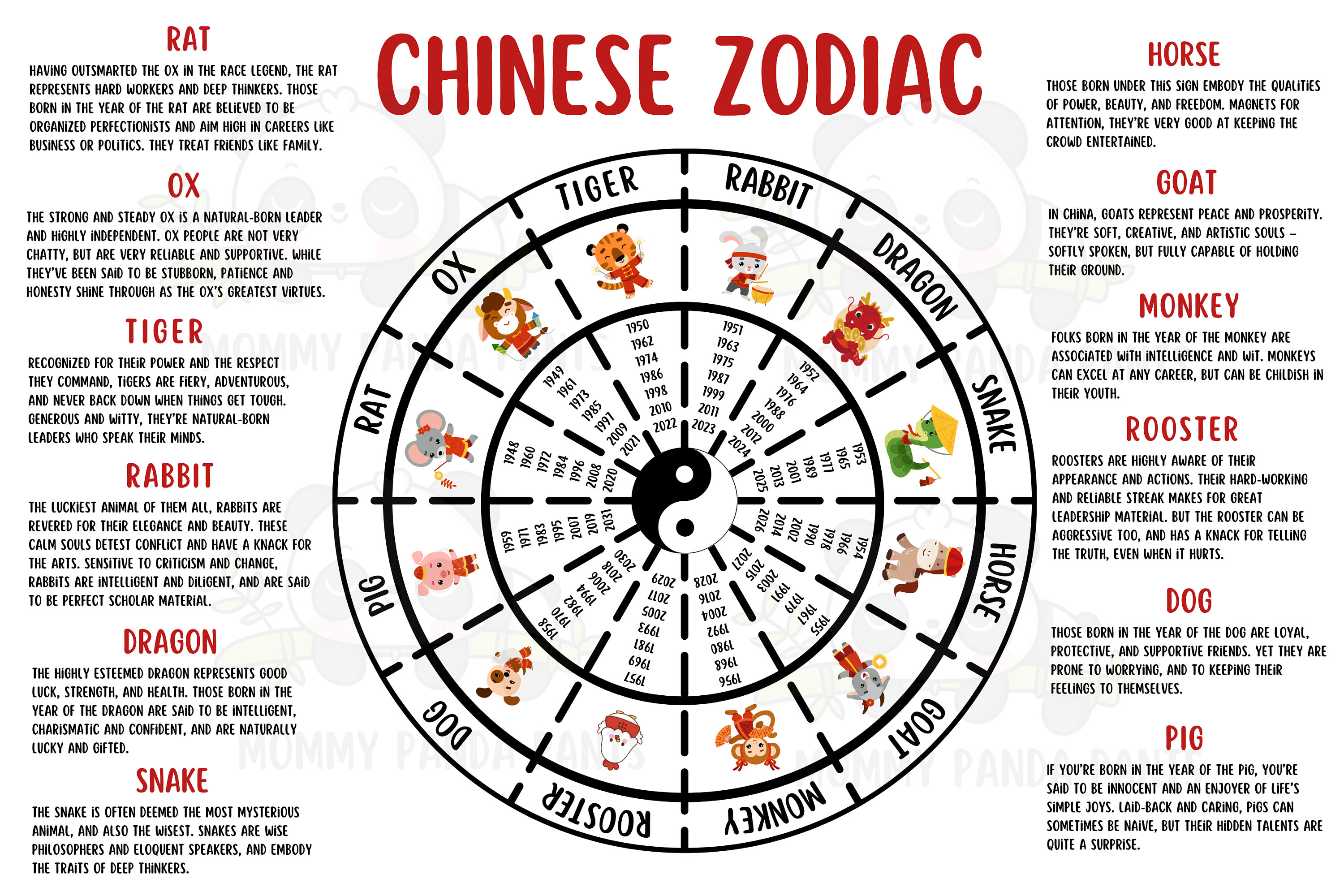
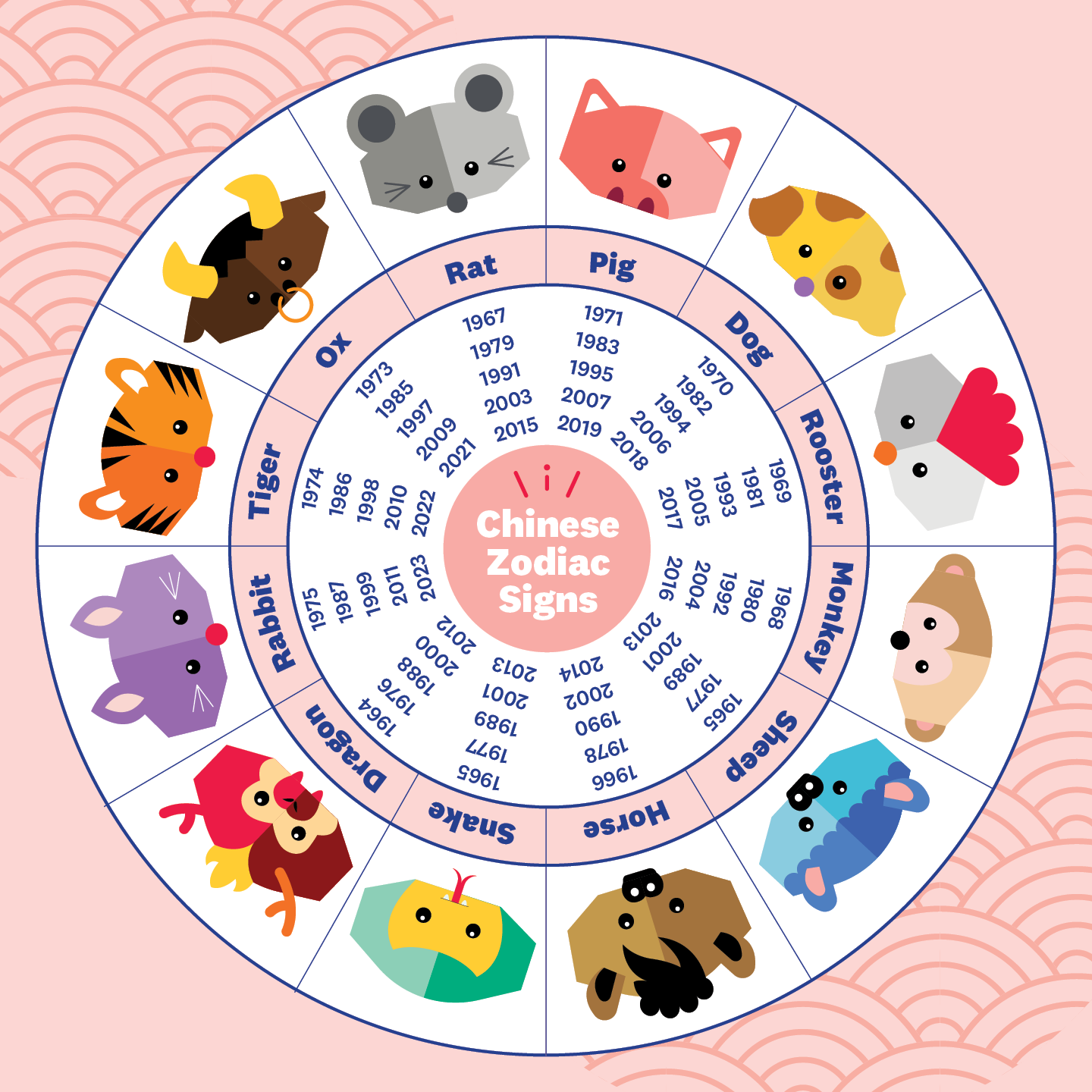
Chinese animal astrology, known as Shengxiao, is a traditional 12-year classification system based on the traditional Chinese lunisolar calendar. Each year in the 12-year cycle is represented by a specific animal, modified by five natural elements. Understanding your sign reveals personality dynamics, innate strengths, relationship compatibility, and energetic timing based on your birth date and time.
The Core Foundations of Shengxiao
Unlike Western astrology, which relies on the movement of the sun through twelve constellations across a solar year, traditional Chinese animal astrology operates primarily on a twelve-year cycle governed by the orbit of Jupiter (traditionally called the "Age Star" or Sui Xing). Each year in this twelve-year rotation is assigned a specific animal archetype.
The origins of Shengxiao trace back over two millennia to the Han Dynasty, blending astronomical observations, folk mythology, and philosophical frameworks. According to popular legend, the Jade Emperor invited the animal kingdom to participate in a "Great Race" across a rapid river. The order in which the animals reached the riverbank determined their placement in the zodiac calendar:
- Rat (Zi)
- Ox (Chou)
- Tiger (Yin)
- Rabbit (Mao)
- Dragon (Chen)
- Snake (Si)
- Horse (Wu)
- Goat (Wei)
- Monkey (Shen)
- Rooster (You)
- Dog (Xu)
- Pig (Hai)
Each animal archetype embodies specific physical and psychological traits that Chinese astrologers map onto human character. For instance, the strategic resourcefulness of the Rat reflects its legendary feat of riding on the back of the Ox to win the race, while the steady determination of the Ox illustrates patience and reliable work ethic.
The 12 Zodiac Animals and Their Fundamental Traits
Every animal in the Shengxiao carries a balance of intrinsic energy, a fixed element, and a polarity (Yin or Yang).
- Rat (Yang Water)
- Ox (Yin Earth)
- Tiger (Yang Wood)
- Rabbit (Yin Wood)
- Dragon (Yang Earth)
- Snake (Yin Fire)
- Horse (Yang Fire)
- Goat (Yin Earth)
- Monkey (Yang Metal)
- Rooster (Yin Metal)
- Dog (Yang Earth)
- Pig (Yin Water)
1. The Rat (Zi)
- Polarity: Yang
- Fixed Element: Water
- Characteristics: Quick-witted, charming, resourceful, adaptable, and highly perceptive. Rats excel at identifying opportunities early, though they must guard against over-calculating or excessive frugality.
2. The Ox (Chou)
- Polarity: Yin
- Fixed Element: Earth
- Characteristics: Methodical, dependable, resilient, and grounded. The Ox values stability and hard work. While fiercely loyal and disciplined, Ox individuals can occasionally demonstrate stubborn rigidity.
3. The Tiger (Yin)
- Polarity: Yang
- Fixed Element: Wood
- Characteristics: Courageous, competitive, passionate, and magnetic. Tigers possess powerful leadership qualities and an adventurous spirit, though impulsiveness and unpredictability can present personal challenges.
4. The Rabbit (Mao)
- Polarity: Yin
- Fixed Element: Wood
- Characteristics: Gentle, refined, diplomatic, and intuitive. Rabbits seek harmony and avoid conflict where possible. They thrive in comfortable, aesthetically pleasing environments but may suffer from over-caution.
5. The Dragon (Chen)
- Polarity: Yang
- Fixed Element: Earth
- Characteristics: Energetic, ambitious, charismatic, and visionary. As the only mythical creature in the zodiac, the Dragon represents strength and auspicious leadership, though pride and high expectations can strain relationships.
6. The Snake (Si)
- Polarity: Yin
- Fixed Element: Fire
- Characteristics: Wise, enigmatic, analytical, and discreet. Snakes possess deep philosophical insight and strong intuition. They move deliberately, though jealousy or excessive reticence can create distance.
7. The Horse (Wu)
- Polarity: Yang
- Fixed Element: Fire
- Characteristics: Animated, independent, active, and freedom-loving. Horses thrive on travel, sports, and rapid movement. Their enthusiastic nature is an asset, though impatience can lead to unfinished projects.
8. The Goat / Sheep (Wei)
- Polarity: Yin
- Fixed Element: Earth
- Characteristics: Artistic, empathetic, gentle, and quiet. Goats exhibit deep creative talents and value compassionate connections. They often benefit from structure to counter anxiety or indecision.
9. The Monkey (Shen)
- Polarity: Yang
- Fixed Element: Metal
- Characteristics: Inventive, humorous, versatile, and intellectually agile. Monkeys excel at problem-solving and rapid learning. However, their playful cleverness can sometimes be mistaken for restlessness or opportunism.
10. The Rooster (You)
- Polarity: Yin
- Fixed Element: Metal
- Characteristics: Precise, observant, confident, and articulate. Roosters take pride in efficiency, organization, and clear communication. Their direct honesty is valuable, though over-criticism can alienate others.
11. The Dog (Xu)
- Polarity: Yang
- Fixed Element: Earth
- Characteristics: Loyal, protective, honest, and duty-bound. Dogs hold strong ethical standards and fiercely defend their loved ones. A tendency toward cynicism or worry can occasionally cloud their outlook.
12. The Pig (Hai)
- Polarity: Yin
- Fixed Element: Water
- Characteristics: Generous, tolerant, warm-hearted, and sincere. Pigs enjoy life's comforts and build trusting, long-lasting friendships. They must practice discernment to avoid being overly trusting.
The 60-Year Sexagenary Cycle and the Five Elements (Wu Xing)
Understanding Chinese animal astrology requires looking beyond the twelve animal archetypes alone. The complete astrological system relies on the Sexagenary Cycle (Ganzhi), a 60-year combination of two separate systems: the Ten Heavenly Stems (Tiangan) and the Twelve Earthly Branches (Dizhi).
- Ten Heavenly Stems (5 Elements × Yin/Yang)
- Twelve Earthly Branches (12 Zodiac Animals)
- 60 Unique Yearly Combinations (Sexagenary Cycle)
The Five Elements (Wu Xing)—Wood, Fire, Earth, Metal, and Water—interact continuously in generative and controlling cycles. Every birth year carries both an animal sign and an governing element, creating 60 distinct year profiles (e.g., Wood Dragon, Metal Tiger, Water Horse).
The Five Elements Defined
- Wood (Mu): Associated with growth, benevolence, expansion, intuition, and planning. Wood adds flexibility, creativity, and vision to an animal archetype.
- Fire (Huo): Associated with passion, dynamism, expression, leadership, and warmth. Fire amplifies energy, boldness, and assertiveness.
- Earth (Tu): Associated with stability, practicality, grounding, patience, and nurture. Earth provides balance, reliability, and realism.
- Metal (Jin): Associated with structure, discipline, clarity, determination, and righteousness. Metal enhances focus, ambition, and boundary-setting.
- Water (Shui): Associated with wisdom, adaptability, communication, depth, and fluid motion. Water enhances emotional intelligence and diplomatic skill.
The Interacting Cycles of Wu Xing
- The Generative (Producing) Cycle: Wood fuels Fire $\rightarrow$ Fire creates Earth (ash) $\rightarrow$ Earth produces Metal $\rightarrow$ Metal condenses Water $\rightarrow$ Water nourishes Wood.
- The Controlling (Overcoming) Cycle: Wood penetrates Earth $\rightarrow$ Earth absorbs Water $\rightarrow$ Water extinguishes Fire $\rightarrow$ Fire melts Metal $\rightarrow$ Metal cuts Wood.
An individual born in a Fire Horse year will manifest high intensity, boldness, and rapid energy, whereas an individual born in an Earth Horse year will express the Horse's independence through grounded, steady, and practical endeavors.
The Four Pillars of Destiny (BaZi): Four Animals Per Person
A common misconception in Western adaptations of Chinese astrology is that a person has only one zodiac animal based entirely on their birth year. In traditional Chinese astrology—specifically within the system of BaZi (The Four Pillars of Destiny)—an individual's astrological chart is constructed using four distinct time components: Year, Month, Day, and Hour. Each component corresponds to an animal sign and an element.
| Pillar | Timeframe Represented | Astrological Significance | Commonly Called |
|---|---|---|---|
| Year Pillar | Year of Birth | Ancestral roots, public persona, outer social behavior | The Outer Animal |
| Month Pillar | Month of Birth | Career, life path, parents, inner emotional drive | The Inner Animal |
| Day Pillar | Day of Birth | Essential self, core identity, life partner/spouse | The True Animal |
| Hour Pillar | Hour of Birth | Internal thoughts, children, legacy, secret desires | The Secret Animal |
Identifying the Four Animals
- Year Animal: Determined by the lunar/solar year of birth. Represents how you present yourself to the world at large.
- Month Animal: Determined by the solar month (the 24 Solar Terms). Governs your career tendencies and psychological motivations.
- Day Animal: Determined by calculated daily Sexagenary tables. Considered the most accurate representation of personal identity in professional BaZi readings.
- Hour Animal: Determined by the 2-hour window of your birth time (e.g., 11:00 AM – 1:00 PM corresponds to the Horse). Governs private thoughts and latent talents.
Zodiac Animal Overview and Elemental Attributes
The table below summarizes the fundamental properties of the twelve zodiac animals, including their fixed inner element, natural polarity, compatible partners, and primary character focus.
| Animal Sign | Fixed Element | Polarity | Complementary Trine | Primary Character Focus |
|---|---|---|---|---|
| Rat | Water | Yang | Dragon, Monkey | Strategy, diplomacy, adaptability |
| Ox | Earth | Yin | Snake, Rooster | Perseverance, order, stability |
| Tiger | Wood | Yang | Horse, Dog | Courage, leadership, action |
| Rabbit | Wood | Yin | Goat, Pig | Aesthetics, peacemaking, intuition |
| Dragon | Earth | Yang | Rat, Monkey | Ambition, vitality, presence |
| Snake | Fire | Yin | Ox, Rooster | Wisdom, analysis, mystery |
| Horse | Fire | Yang | Tiger, Dog | Autonomy, energy, movement |
| Goat | Earth | Yin | Rabbit, Pig | Empathy, art, gentleness |
| Monkey | Metal | Yang | Rat, Dragon | Innovation, wit, problem-solving |
| Rooster | Metal | Yin | Ox, Snake | Precision, candor, discipline |
| Dog | Earth | Yang | Tiger, Horse | Duty, loyalty, protection |
| Pig | Water | Yin | Rabbit, Goat | Generosity, sincerity, harmony |
Calculating Your Zodiac Sign: Solar vs. Lunar Calendar Nuances
Determining an accurate Chinese zodiac sign requires attention to calendar transition dates. Many online calculators generate incorrect results for individuals born in January or February because they rely strictly on the Gregorian calendar.
Lunar New Year vs. Solar New Year (Lichun)
Chinese astrology utilizes two calendar systems simultaneously:
- The Lunisolar Calendar (Lunar New Year): Begins on the second new moon after the winter solstice (varying between January 21 and February 20). This date marks cultural celebrations and popular year-animal designations.
- The Solar Calendar (Lichun / Beginning of Spring): Begins precisely when the sun reaches $315^\circ$ celestial longitude, which almost always falls on February 3, 4, or 5.
For technical astrological calculations—such as BaZi charts and precise elemental balancing—most traditional practitioners use the Solar Calendar (Lichun) as the definitive start of the astrological year rather than Lunar New Year's Day.
- GREGORIAN YEAR START (January 1)
- Born Jan 1 to Feb 3/4? You belong to the PREVIOUS year's zodiac sign and element.
- SOLAR NEW YEAR / LICHUN (Feb 3-5)
- Born on or after Feb 4/5? You belong to the CURRENT year's zodiac sign and element.
If you were born between January 1 and February 4, confirm whether your birth date preceded Lichun for that specific year to determine your true year sign.
Relationship Dynamics and Compatibility Trines
In Chinese animal astrology, interpersonal compatibility is evaluated through specific energetic groupings known as Four San He Trines (Three Harmonies) and direct opposing clashes (Liu Chong).
- FIRST TRINE (Action & Power)
- Rat
- Dragon
- Monkey
- SECOND TRINE (Mind & Strategy)
- Ox
- Snake
- Rooster
- THIRD TRINE (Freedom & Duty)
- Tiger
- Horse
- Dog
- FOURTH TRINE (Art & Empathy)
- Rabbit
- Goat
- Pig
The Four Compatibility Trines
- First Trine (Rat, Dragon, Monkey): Intense, action-oriented, and innovative signs. They possess high mental energy, decisiveness, and leadership potential.
- Second Trine (Ox, Snake, Rooster): Pragmatic, analytical, and purposeful signs. They value endurance, careful planning, devotion, and high standards.
- Third Trine (Tiger, Horse, Dog): Humanitarian, freedom-loving, and idealistic signs. They prioritize integrity, independence, and mutual support.
- Fourth Trine (Rabbit, Goat, Pig): Compassionate, artistic, and peaceful signs. They focus on emotional connections, aesthetic appreciation, and intuitive understanding.
Opposing Signs (Direct Clashes)
Animals positioned directly six steps apart on the zodiac wheel experience direct elemental tension. These opposing pairs require intentional effort and communication to maintain balance:
- Rat vs. Horse (Water clashes with Fire)
- Ox vs. Goat (Earth clashes with Earth; structural stubbornness)
- Tiger vs. Monkey (Wood clashes with Metal)
- Rabbit vs. Rooster (Wood clashes with Metal)
- Dragon vs. Dog (Earth clashes with Earth; clash of ideals)
- Snake vs. Pig (Fire clashes with Water)
In Chinese astrology, direct clashes are not inherently negative; rather, they signify points of high dynamic tension, transformation, and personal growth when managed consciously.
Frequently Asked Questions
What determines my Chinese zodiac element?
Your birth year's ending digit in the Gregorian calendar indicates your stem element (for births occurring after Lichun in early February):
- Years ending in 0 or 1: Metal
- Years ending in 2 or 3: Water
- Years ending in 4 or 5: Wood
- Years ending in 6 or 7: Fire
- Years ending in 8 or 9: Earth
Why do some sources call the Goat sign a Sheep or Ram?
The original Chinese character for the 8th zodiac sign is Yang (羊). In the Chinese language, Yang is a broad term for caprine species, encompassing goats (Shan Yang), sheep (Mian Yang), and rams. All three terms represent the same astrological sign and energy profile.
What is Ben Ming Nian, and why is it significant?
Ben Ming Nian refers to your "Zodiac Year of Birth"—the year when the current zodiac animal matches your birth year animal (occurring every 12 years). Traditional culture views Ben Ming Nian as a transitional time overseen by Tai Sui (the Grand Duke of Jupiter). Individuals in their Ben Ming Nian often wear red clothing or jade accessories to invite smooth transitions and ward off disruption.
Is Chinese animal astrology compatible with Western astrology?
Yes. The two systems operate independently and can be integrated. Western astrology maps personality through monthly solar placements and planetary aspects, while Chinese astrology evaluates multi-year elemental cycles, birth timing, and life stages. Combining both perspectives offers a rich, multidimensional view of character.
What is the difference between my birth year animal and my secret animal?
Your birth year animal (Outer Animal) represents your public persona, societal impression, and generational traits. Your secret animal (Hour Animal) is determined by the exact hour of your birth and represents your inner thoughts, hidden motivations, and private self.
Practical Steps to Apply Chinese Astrology
To make practical use of Chinese animal astrology in daily life and personal development, follow these steps:
- Verify Your Solar Birth Date: Determine whether your birth falls before or after Lichun (typically February 4) to confirm your true birth year animal and stem element.
- Calculate Your Full Four Pillars (BaZi): Look up your Year, Month, Day, and Hour animals to understand your complete energetic composition rather than relying solely on your birth year.
- Identify Elemental Imbalances: Analyze the balance of Wood, Fire, Earth, Metal, and Water in your chart. For example, if your chart lacks Water energy, incorporate water activities, reflective mindfulness practices, or strategic planning into your routines to restore personal equilibrium.
- Leverage Compatibility Dynamics: Apply knowledge of the Four Compatibility Trines when building professional teams or navigating personal relationships, pairing strategic traits with operational strengths to foster natural alignment.