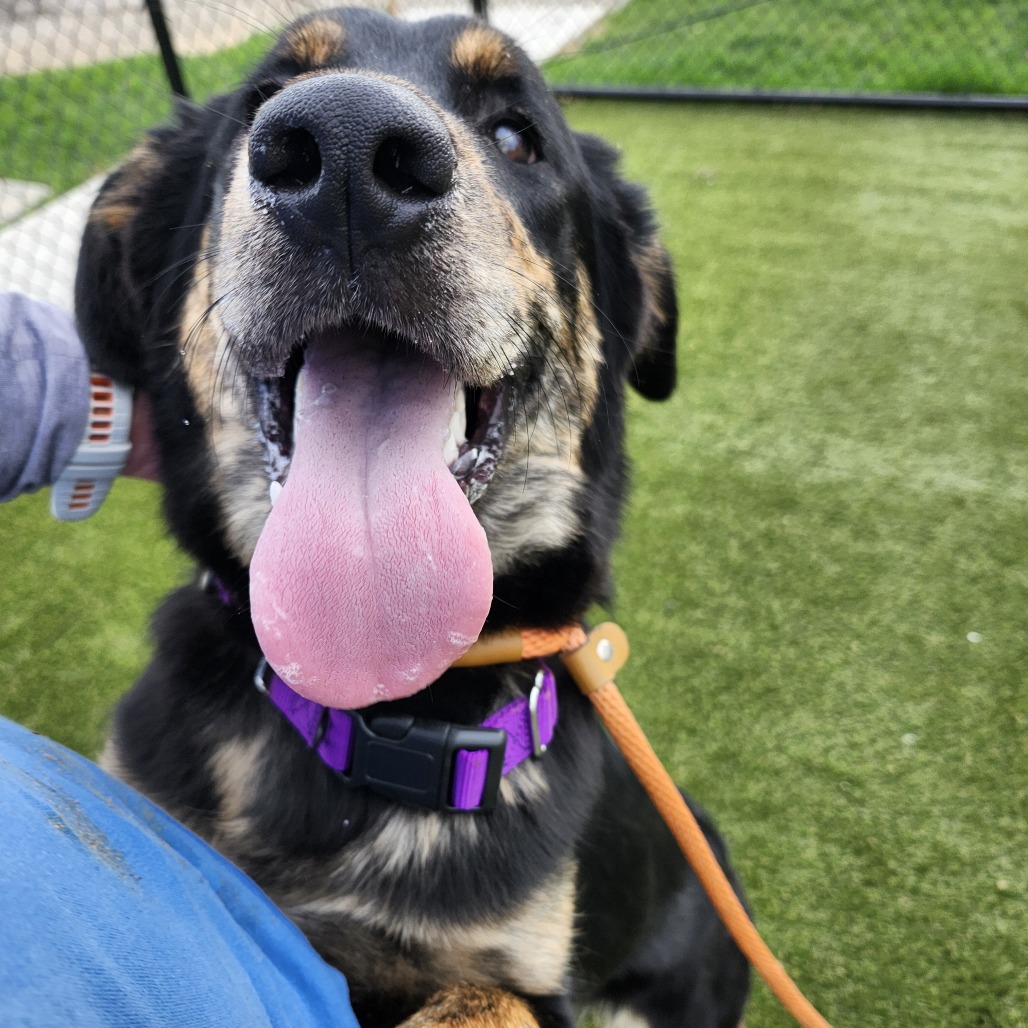
Animal Planet does not directly operate an animal shelter or handle pet adoptions. Instead, the media network partners with verified non-profit shelters, humane societies, and digital adoption platforms like Petfinder to showcase adoptable animals. Viewers can adopt pets featured on shows like the Puppy Bowl or Pit Bulls & Parolees by applying directly through the participating rescue organizations.
Understanding Animal Planet’s Role in Pet Adoption
To navigate pet adoption associated with Animal Planet, it is essential to understand the boundary between entertainment broadcasting and animal welfare operations. Animal Planet is a television network owned by Warner Bros. Discovery. While the channel has built its brand identity around animal care, wildlife conservation, and pet rescue stories, it is not a licensed animal shelter, rescue group, or placement agency.
Historically, Animal Planet played a direct role in digital adoption infrastructure. In 2006, Discovery Communications acquired Petfinder, integrating online search databases directly into Animal Planet’s digital ecosystem. In 2013, Nestlé Purina PetCare purchased Petfinder. Despite this corporate separation, Animal Planet maintains strong promotional partnerships with national non-profit organizations, including:
- Petfinder: The primary search engine used to connect prospective adopters with local rescue groups.
- The ASPCA (American Society for the Prevention of Cruelty to Animals): A frequent partner in national adoption awareness campaigns and disaster rescue coverage.
- Best Friends Animal Society: A national animal welfare organization focused on ending the euthanasia of shelter pets.
- Regional Humane Societies and Municipal Shelters: Hundreds of independent shelters across North America supply adoptable animals for broadcast programming.
When viewers see adoption public service announcements (PSAs) or featured animals on television, Animal Planet serves as a media amplifier. The actual legal guardianship, evaluation, vetting, application processing, and adoption contracts remain strictly between the prospective owner and the independent rescue organization caring for the animal.
How to Adopt Animals Featured on Animal Planet Shows and Events
Many viewers search for Animal Planet adoption procedures because they want to adopt a specific animal seen on television. The process varies depending on the specific show, special, or broadcast event.
Adoption Broadcast Pipeline
- Filming & Production: Animal featured from partner rescue (months prior)
- Broadcast Event: Show airs on Animal Planet (e.g., Puppy Bowl)
- Adopter Search: Viewer locates partner shelter or adoptable peer
- Agency Application: Adopter applies directly with the holding rescue
- Final Placement: Shelter completes vetting, home check, and adoption
The Puppy Bowl Adoption Pipeline
The Puppy Bowl is Animal Planet’s flagship annual event, broadcast every February on Super Bowl Sunday. Every puppy that participates in the game comes from an animal shelter or rescue organization across the United States or international partner territories.
Because the Puppy Bowl is filmed several months in advance (typically in the autumn prior to the broadcast), most of the specific puppies featured on game day have already been placed into permanent homes by the time the show airs. However, the participating shelters use the broadcast visibility to promote:
- Littermates and Similar Rescue Pups: The original shelter often has sibling puppies or similar dogs available at the time of broadcast.
- Shelter Visibility: Viewers are encouraged to contact the specific shelter listed in the player bios to adopt other animals currently in their care.
- Local Shelter Participation: Viewers can search the official participating shelter roster published annually on Animal Planet's website to support facilities in their region.
Adopting from Pit Bulls & Parolees (Villalobos Rescue Center)
For over a decade, Pit Bulls & Parolees showcased the rescue work of Tia Torres and the team at Villalobos Rescue Center (VRC), located in Louisiana (and formerly California). Viewers seeking to adopt a dog featured on or connected to the show must work directly with Villalobos Rescue Center, not the network.
Adopting from VRC involves a rigorous evaluation process designed to ensure lifelong stability for pit bulls and other large-breed dogs:
- Application Submission: Applicants must complete a detailed questionnaire regarding living arrangements, fencing height, pet history, and household members.
- Property & Landlord Verification: Homeowners must provide proof of ownership. Renters must provide written, verifiable permission from their landlord allowing pit bull-type breeds.
- Existing Pet Policies: VRC generally requires all existing pets in the home to be spayed or neutered, up-to-date on vaccinations, and tested for heartworms.
- In-Person Meet-and-Greet: Adopters are required to travel to the rescue facility in Louisiana to meet the dog and participate in hands-on behavioral evaluations before approval.
Step-by-Step Guide to Adopting a Rescue Pet
Whether you are inspired by an Animal Planet broadcast or seeking a companion through a partner platform like Petfinder, following a systematic adoption process ensures a smooth transition for both you and the animal.
Pet Adoption Step-by-Step Flow
- Step 1: Assess Lifestyle, Budget, and Home Environment
- Step 2: Search Verified Platforms (Petfinder/Shelters)
- Step 3: Submit Form Application & Background Details
- Step 4: Complete Vetting (Landlord, Vet, Reference)
- Step 5: In-Person Meet-and-Greet & Temperament Screening
- Step 6: Environmental Audit / Home Visit (If Required)
- Step 7: Sign Contract, Pay Fee, & Commence Decompression
Step 1: Conduct a Household Self-Assessment
Before initiating an application, evaluate your living situation, work schedule, daily activity level, and financial readiness. Consider the long-term commitment: dogs and cats routinely live 10 to 15 years or longer. Factor in recurring expenses such as high-quality food, monthly flea/tick/heartworm preventatives, annual veterinary examinations, unexpected emergency veterinary care, and grooming.
Step 2: Locate Verified Rescue Organizations
Use reputable aggregate search engines to locate animals within your geographical area or within your travel radius:
- Petfinder.com: Search by breed, age, size, coat length, gender, and compatibility with children or other animals.
- Adopt-a-Pet.com: Another major search portal aggregating inventory from thousands of municipal and private shelters.
- Local Shelter Directories: Visit your city or county animal control facility, municipal animal care center, or independent regional Humane Society.
Step 3: Complete the Application Package
Adoption applications require detailed background information. Be prepared to provide:
- Housing Details: Indication of whether you own or rent, square footage, yard access, and fence height/type.
- Veterinary Records: Name and phone number of your current or past veterinarian. Rescue groups will call to verify that past pets were kept current on vaccinations and preventative medication.
- Personal References: Contact details for non-family members who can vouch for your responsibility as a caregiver.
- Household Inventory: Number and ages of adults and children residing in the home, along with details regarding visiting family members or frequent guests.
Step 4: Participate in the Screening and Vetting Phase
The rescue organization's adoption committee reviews the application. This stage may include:
- Landlord Verification: Confirming pet policies, weight limits, and breed restrictions directly with property managers.
- Veterinary Check: Confirming compliance history for past animals.
- Phone Interview: A representative will discuss your schedule, training philosophy, emergency plans, and expectations for the pet.
Step 5: Schedule the Meet-and-Greet
Once pre-approved, you will schedule an official meeting with the animal. If you currently own a dog, most rescues require a controlled "dog-to-dog" introduction conducted on neutral ground at the shelter or rescue facility under the supervision of a trained behaviorist or handler.
Step 6: Complete the Home Visit (Where Required)
Private rescue organizations—especially those working with specific giant, working, or power breeds featured on television—may require a virtual or in-person home visit. The objective is to identify potential safety hazards, such as low fence lines, un-fenced swimming pools, toxic plants, or insecure doors and windows.
Step 7: Finalize the Adoption Contract
Upon final approval, you will sign a legally binding adoption agreement. Standard contract clauses require you to:
- Provide basic food, shelter, water, and routine veterinary care.
- Maintain regional licensing and rabies vaccination requirements.
- Agree to return the pet to the rescue organization if you are ever unable to keep it, prohibiting rehoming to third parties or surrendering to open-admission shelters.
- Pay the non-refundable adoption fee.
Comparing Adoption Pathways: Fees, Requirements, and Services
Different types of adoption organizations operate under different fee structures, screening policies, and medical protocols. The table below outlines standard benchmarks across the shelter and rescue spectrum.
| Adoption Channel Type | Typical Fee Range | Included Medical Services | Screening Rigor | Average Processing Time |
|---|---|---|---|---|
| Municipal / County Shelters | $25 – $150 | Microchip, basic core vaccines, spay/neuter surgery, basic physical exam | Low to Moderate (ID check, basic housing confirmation) | Same day to 48 hours |
| Regional Non-Profit Humane Societies | $75 – $300 | Spay/neuter, microchip, age-appropriate vaccines, deworming, heartworm/FeLV test | Moderate (Application, landlord check, vet check) | 1 to 5 days |
| Private Foster-Based Rescue Groups | $200 – $600 | Full vaccination series, microchip, spay/neuter, heartworm treatment (if positive), dental cleaning (if needed) | High (Detailed application, vet check, home visit, references) | 1 to 3 weeks |
| Specialty / Show-Featured Rescues (e.g., VRC) | $150 – $450 | Spay/neuter, complete health evaluation, microchip, core vaccines, behavioral screening | Very High (Strict housing guidelines, breed experience check, travel required) | 2 to 6 weeks |
What Adoption Fees Actually Cover
It is a common misconception that adoption fees represent a commercial purchase price. In reality, adoption fees rarely cover the full cost of rescuing, housing, feeding, and medically rehabilitating an animal.
A standard $300 adoption fee routinely subsidizes medical protocols that would cost between $600 and $1,200 at a retail veterinary clinic, including:
- Surgical Sterilization: Spay or neuter procedures performed by shelter veterinarians.
- Immunizations: Core vaccinations including DHPP/FVRCP, Rabies, and Bordetella.
- Parasite Management: Flea, tick, heartworm, and intestinal parasite treatments.
- Identification: High-frequency microchip implantation and registration.
- Diagnostic Testing: Heartworm testing for dogs; FIV/FeLV testing for cats.
Navigating Adoption Rules, Restrictions, and Red Flags
Understanding shelter criteria helps prevent application delays and rejections. Furthermore, recognizing red flags protects adopters from illegitimate operations.
Application Validation & Red Flags
| Legitimate Rescue Characteristics | Red Flag / Scam Indicators |
|---|---|
| Registered 501(c)(3) tax status | Demands payment via non-traceable apps |
| Complete transparent medical records | Refuses video or in-person viewings |
| Detailed adoption contract terms | Promises delivery before screening |
| Verifiable veterinary references | Operates without valid non-profit EIN |
Common Eligibility Requirements
- Age Limit: Primary applicants must usually be at least 18 or 21 years old with valid government-issued photo identification.
- Housing Policies: Written consent from property managers is mandatory for renters. Rescues will independently verify breed, weight, and pet count limits.
- Containment Requirements: Certain high-energy working breeds (such as Australian Shepherds, Huskies, or Belgian Malinois) or high-prey-drive breeds may require a physical fence of specific height (e.g., 6-foot solid enclosure). Invisible electronic fences are often rejected by private rescues due to security risks.
- Current Pet Compliance: Existing household pets must be fully vaccinated, spayed/neutered, and on continuous parasite prevention unless a valid medical exemption from a licensed veterinarian is provided.
Identifying Reputable Rescues vs. Fraudulent Operations
As online pet searches grow, fraudulent schemes impersonating rescue groups have increased. Protect yourself by evaluating these markers:
- 501(c)(3) Non-Profit Status: Verify that the organization is a registered non-profit. In the United States, search the IRS Tax Exempt Organization Search database to confirm active status.
- Payment Method Safety: Reputable rescue organizations accept secure payments via check, credit card, official organizational portals, or registered non-profit merchant services. Be cautious of entities requiring wire transfers, gift cards, or irreversible peer-to-peer mobile payments prior to application approval.
- Medical Transparency: Legitimate rescues provide complete, physical veterinary records upon adoption. Avoid organizations that refuse to provide health histories or prohibit you from contacting their attending veterinarian.
- No Pressure Tactics: Legitimate groups prioritize proper matching over fast transaction speed. Be wary of sellers who pressure you to make immediate cash payments to "save" an animal from immediate euthanasia without standard screening.
Bringing Your Rescue Home: The 3-3-3 Rule and Integration
Adopting an animal featured on television or saved from a local shelter is only the first phase. Successfully integrating a rescue pet requires realistic expectations during the transition period. Professional behaviorists recommend utilizing the 3-3-3 Rule as a operational framework for shelter pet decompression.
The 3-3-3 Integration Rule
| Phase | Description |
|---|---|
| FIRST 3 DAYS | Decompression: Highly overwhelmed, may hide or refuse food.Focus: Quiet space, low stress, set predictable routines. |
| FIRST 3 WEEKS | Adjustment: Starts feeling safe, shows true personality.Focus: Basic boundaries, reward-based training, routine care. |
| FIRST 3 MONTHS | Integration: Builds trust, feels secure, establishes bond.Focus: Advanced socialization, long-term habit consolidation. |
Phase 1: The First 3 Days (Decompression)
During the initial 72 hours, a rescued pet experiences extreme sensory processing shifts. The transition from a loud shelter environment or temporary foster home into a new environment causes elevated cortisol levels.
- Behavioral Expectations: The animal may sleep excessively, show low appetite, hide, or display nervous behaviors.
- Management Strategy: Provide a dedicated quiet sanctuary space (such as a designated room or crate). Keep household activity levels low. Limit visitor access and refrain from hosting large family introductions or trips to public stores. Keep dog walks brief, structured, and focused purely on elimination.
Phase 2: The First 3 Weeks (Adjustment)
As stress hormone levels subside, the animal begins adjusting to your household rhythm.
- Behavioral Expectations: The pet begins to let down its guard and reveal its true personality, which may include test boundaries, curiosity, or emerging behavioral challenges (e.g., minor separation anxiety or leash reactivity).
- Management Strategy: Establish consistent daily schedules for feeding, walking, and sleep. Use positive-reinforcement training methods to establish household rules. Avoid punishing fear-based behaviors; instead, redirect unwanted actions toward approved outlets.
Phase 3: The First 3 Months (Integration)
At the three-month mark, most rescue animals develop genuine trust and structural security within their new family.
- Behavioral Expectations: The pet feels settled, exhibits comfort within the home environment, and understands established daily routines.
- Management Strategy: Continue building confidence through consistent routines, ongoing training, appropriate mental enrichment, and regular veterinary maintenance.
Frequently Asked Questions
Can you adopt a puppy directly from the Animal Planet Puppy Bowl?
No, you cannot adopt a puppy directly from Animal Planet. All participating animals in the Puppy Bowl belong to independent animal shelters and rescue groups located across the nation. By the time the event airs on television, the specific puppies featured are often already adopted because filming takes place months in advance. However, viewers can contact the participating shelters listed in the broadcast credits to adopt sibling puppies or other animals currently available at those facilities.
Is Petfinder owned by Animal Planet?
No. While Discovery Communications (parent company of Animal Planet at the time) purchased Petfinder in 2006, it sold the pet adoption database to Nestlé Purina PetCare in 2013. Petfinder remains an independent online search database used by thousands of shelters, and Animal Planet frequently highlights the platform during its awareness campaigns.
What are the primary reasons pet adoption applications get rejected?
Adoption applications are most commonly rejected due to housing restrictions (such as landlord bans on pets or specific breed weight limits), unverified pet histories (such as existing pets not being current on core vaccines or spay/neuter requirements), an un-fenced yard for high-energy working breeds, or incomplete application details that prevent veterinary and reference checks.
How much does it cost to adopt a dog from a rescue featured on television?
Adoption fees for dogs from featured rescues typically range from $150 to $600, depending on the age of the dog, medical needs, and organizational structure. High-demand puppies or rare breeds may carry higher fees, which help cross-subsidize medical care for older, sick, or special-needs animals in the rescue's care.
Can out-of-state residents adopt pets from featured groups like Villalobos Rescue Center?
Yes, out-of-state adoption policies depend on the specific rescue group. Organizations like Villalobos Rescue Center allow out-of-state applicants, provided the adopter travels in person to the facility in Louisiana for the required screening and meet-and-greet sessions. Most rescues do not ship live companion animals to adopters under any circumstances.
Recommended Next Steps
If you are ready to move forward with a pet adoption:
- Audit Your Housing Rules: Obtain official written documentation of pet permissions, weight caps, and breed policies from your landlord or homeowner association before applying.
- Gather Records: Contact your current or former veterinarian to grant permission for them to release pet history records to screening committees.
- Search Verified Portals: Visit Petfinder.com or Adopt-a-Pet.com to search for adoptable animals near your zip code.
- Connect with Local Facilities: Locate local open-admission animal control shelters or non-profit humane societies, where you can meet animals in person without waiting for lengthier foster-application approval cycles.