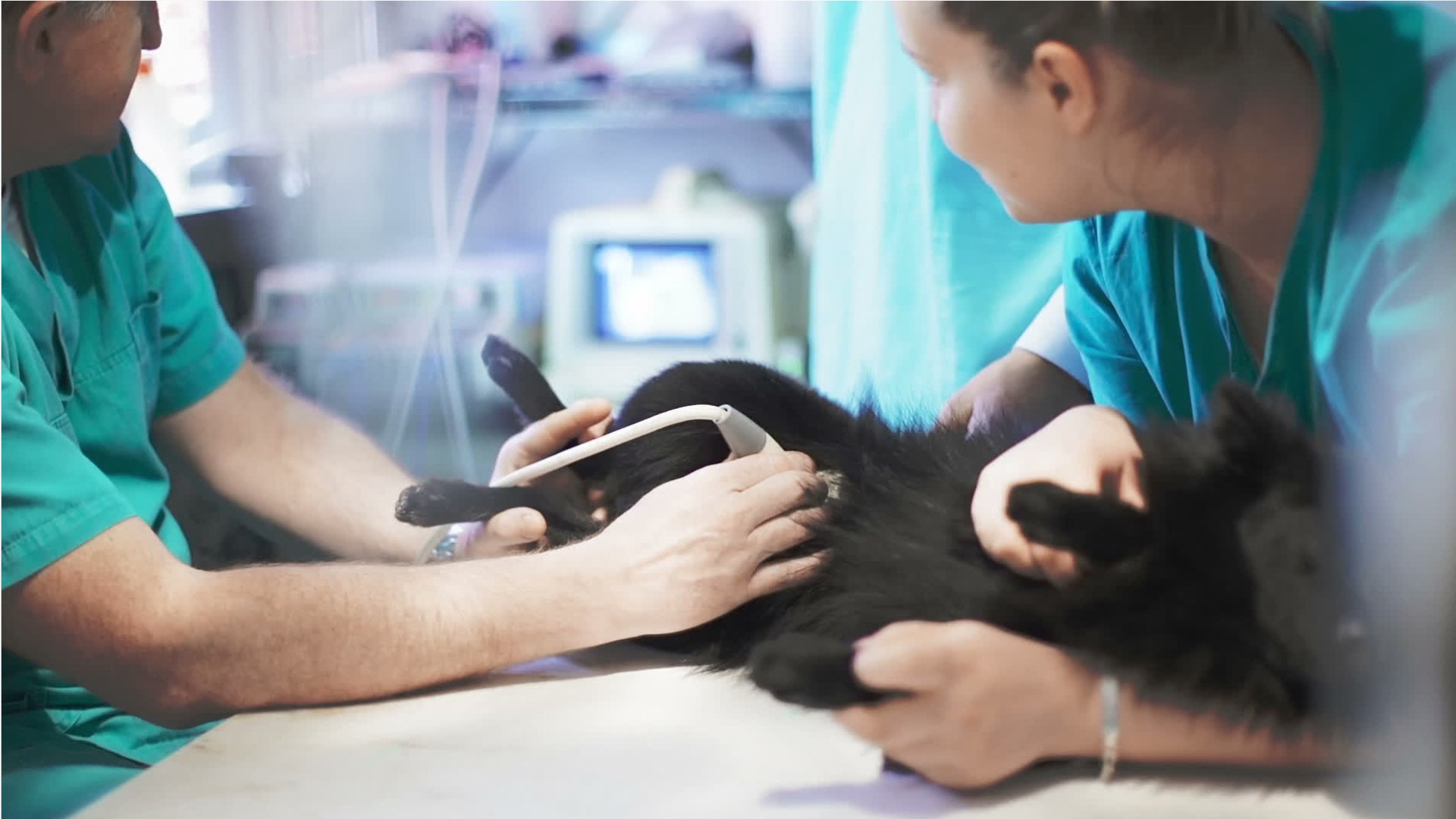
To find an animal nursing assistant course near you, search for programs accredited by recognized veterinary authorities such as NAVTA (in the United States), City & Guilds or Lantra (in the United Kingdom), or your country's vocational education board. High-quality courses combine online or classroom theory with required clinical work placements at licensed veterinary clinics.
Understanding the Role: What Does an Animal Nursing Assistant Do?
An Animal Nursing Assistant (ANA)—often referred to as a Veterinary Care Assistant (VCA) or Veterinary Assistant depending on your region—plays a foundational role in the daily operation of veterinary clinics, animal hospitals, shelters, and research facilities. Working directly under the supervision of Registered Veterinary Nurses (RVNs) and licensed Veterinarians (DVMs or MRCVS), animal nursing assistants handle essential patient care tasks, clinical sanitation, and administrative support.
While the exact legal scope of practice varies by jurisdiction, the primary responsibilities of an animal nursing assistant typically include:
- Direct Patient Care and Monitoring: Feeding, bathing, exercising, and grooming hospitalized animals. Observing patient behavior, monitoring vital signs (temperature, pulse, respiration), and reporting changes in patient condition to veterinary staff.
- Restraint and Handling: Safely restraining dogs, cats, small mammals, and occasionally exotic species during physical examinations, blood draws, diagnostic imaging, and treatments to protect both the animal and the medical team.
- Surgical and Clinical Preparation: Cleaning, sterilizing, and packing surgical instruments; preparing operating rooms; setting up diagnostic equipment; and assisting in pre- and post-operative care.
- Laboratory Support: Collecting and preparing non-invasive diagnostic samples (such as fecal or urine specimens), running basic point-of-care laboratory tests, and maintaining laboratory cleanliness.
- Sanitation and Infection Control: Disinfecting patient cages, treatment tables, surgical suites, and isolation wards according to strict biosecurity protocols to prevent cross-contamination and nosocomial infections.
- Client Communication and Reception: Greeting pet owners, taking patient histories, explaining basic preventative care products, handling hospital admissions and discharges, and maintaining electronic medical records.
Animal Nursing Assistant vs. Veterinary Technician/Nurse
Understanding the legal and educational distinctions between veterinary support roles is critical before enrolling in a training program:
| Role | Typical Education Required | Credential / Licensing | Scope of Practice |
|---|---|---|---|
| Animal Nursing Assistant (ANA / VCA) | Certificate or Diploma (3–12 months) | Institutional Certificate; optional national credential (e.g., AVA) | Supportive care, restraint, sanitation, client intake, basic procedures under direct supervision. Cannot diagnose, prescribe, or perform surgery. |
| Veterinary Technician / Veterinary Nurse | Associate or Bachelor Degree / Level 3 Diploma (2–4 years) | State/National Registration (LVT, CVT, RVT, RVN) | Advanced clinical care, induction/monitoring of anesthesia, administering controlled medications, dental prophylaxis, diagnostic imaging, triage. |
| Kennel / Animal Care Attendant | On-the-job training / High School Diploma | Usually none | Daily feeding, cage cleaning, exercise, and facility maintenance; minimal direct involvement in medical treatments. |
Types of Animal Nursing Assistant Courses
When searching for an animal nursing assistant course nearby, you will encounter three primary instructional formats. Selecting the right option depends on your current schedule, learning style, budget, and local employment requirements.
- Animal Nursing Assistant Training Types
- Fully In-Person Vocational: Campus labs & local placement
- Distance/Online Hybrid Program: Online lectures + mandatory externship
- Work-Based / Apprenticeship: Employed in clinic + day-release study
1. In-Person Vocational and Community College Programs
These traditional programs take place on campus at local community colleges, vocational institutes, or specialized veterinary academies. Students participate in classroom lectures alongside structured laboratory sessions where they practice physical restraint, instrument handling, and sterile processing techniques on simulated models or live animals under instructor supervision.
- Pros: Immediate hands-on instruction, direct peer interaction, structured schedule, and built-in clinical externships at partner clinics.
- Cons: Higher tuition, rigid class schedules, and potential commuting demands.
2. Distance Learning and Hybrid Programs
Hybrid courses deliver theoretical coursework through an online learning management system (LMS) while requiring students to complete a mandatory clinical externship at an approved veterinary hospital near their residence.
- Pros: Flexible study hours, ability to learn while working another job, generally lower tuition rates, and geographic accessibility for rural students.
- Cons: Requires strong self-discipline, time management skills, and self-advocacy to secure a local clinic willing to host and mentor you during your externship hours.
3. Work-Based Apprenticeships and Traineeships
Offered primarily in regions with formal vocational frameworks (such as the UK, Australia, and select US hospital networks), apprenticeships allow individuals to be employed as paid junior staff in a veterinary practice while working toward an accredited Level 2 or Level 3 qualification through a partner training provider.
- Pros: Earn a wage while studying, immediate real-world immersion, tuition costs often covered by the employer or government funding schemes.
- Cons: Highly competitive admission, longer program timelines, and requiring a local practice to sponsor your training position.
Accreditation and Regulatory Recognition
Not all animal nursing courses hold equal weight on a resume. Veterinary employers heavily favor applicants who hold credentials recognized by established industry governing bodies. Enrolling in an unaccredited program can limit your job prospects and prevent you from transferring credits into higher-level veterinary nursing or technology programs later in your career.
Key Accreditation Bodies by Region
- United States: Look for courses approved by the National Association of Veterinary Technicians in America (NAVTA) as an Approved Veterinary Assistant (AVA) program. Graduates of NAVTA-approved programs are eligible to sit for the national AVA examination.
- United Kingdom: Look for courses accredited by City & Guilds, Lantra, or VetSkill, ideally following the curriculum recognized by the Royal College of Veterinary Surgeons (RCVS) for Veterinary Care Assistants.
- Canada: Look for certificates offered through public colleges that align with guidelines set by provincial veterinary medical associations (such as the OVMA in Ontario or SBCV in British Columbia).
- Australia & New Zealand: Look for registered training organizations (RTOs) delivering nationally recognized qualifications within the Australian Qualifications Framework (AQF), such as the ACM30121 Certificate III in Animal Care Services (Veterinary Nursing Stream).
Prerequisites and Admission Requirements
Before applying to a local or online animal nursing assistant program, ensure you meet the institutional and physical entry criteria:
- Educational Attainment: High school diploma, GED, or equivalent secondary education qualifications (e.g., 4–5 GCSEs at grade 4/C or above, including English, Mathematics, and Science in the UK).
- Minimum Age: Most training providers require applicants to be at least 16 to 18 years of age prior to beginning clinical work placements, due to liability and safety regulations surrounding medical equipment and radiation exposure.
- Physical Capabilities: Animal nursing involves demanding physical activity. Students must be able to stand for extended periods, bend, kneel, lift patients weighing up to 40–50 pounds (18–23 kg) unassisted, and maneuver safely around stressed or unpredictable animals.
- Health Safeguards and Immunizations: Tetanus vaccination is universally mandatory for students handling animals. Pre-exposure Rabies vaccination may be recommended or required depending on regional epidemiology and clinic policies.
- Background Checks and Drug Screening: Many clinical partner sites require students to undergo criminal background checks and drug testing prior to beginning externships.
Standard Course Curriculum and Learning Modules
A comprehensive animal nursing assistant course covers both theoretical knowledge and verified practical competencies. Courses typically span between 150 to 600 total instructional and practical hours.
| Theoretical Foundation | Practical & Clinical Competencies |
|---|---|
| • Medical Terminology & Anatomy | • Safe Animal Handling & Restraint |
| • Biosecurity & Infection Control | • Vital Signs Assessment |
| • Veterinary Pharmacology Basics | • Surgical Instrument Sanitation |
| • Animal Nutrition & Husbandry | • Wound Dressing & Bandage Care |
| • Triage & Emergency Response | • Laboratory Sample Preparation |
| • Client Services & Recordkeeping | • Diagnostic Imaging Assistance |
Module Breakdown
- Veterinary Medical Terminology and Anatomy: Learning roots, prefixes, and suffixes used in clinical notes, along with fundamental skeletal, muscular, digestive, respiratory, and circulatory systems of domestic species.
- Animal Handling, Welfare, and Restraint: Fear-free handling techniques, low-stress restraint methods for dogs and cats, utilization of protective equipment (muzzles, Elizabethan collars, towel wraps), and assessing animal body language to prevent bites and scratches.
- Infection Control and Facility Sanitation: Principles of microbiology, chemical dilution calculations, aseptic techniques, management of hazardous biomedical waste, and cleaning protocols for surgical suites, isolation rooms, and kennels.
- In-Patient Nursing Care and Monitoring: Daily patient assessments, fluid therapy monitoring, surgical site monitoring, administration of prescribed topical and oral medications (where legally permitted), thermal support, and record maintenance.
- Surgical Assisting and Sterilization: Operating room preparation, scrub-in protocols, operation of autoclaves, maintenance of surgical packs, and assisting the veterinary surgeon or technician during perioperative procedures.
- Administrative and Client Communications: Utilizing veterinary practice management software (VPMS), scheduling appointments, recording medical histories, managing inventory, maintaining client confidentiality, and exercising compassion during end-of-life care discussions.
Course Costs and Financial Considerations
The financial investment for an animal nursing assistant course varies significantly based on provider type, geographic location, and program length.
| Course Format | Average Tuition Range (USD) | Additional Estimated Fees | Practical Placement Included? |
|---|---|---|---|
| Community College / Vocational (In-Person) | $1,500 – $5,000 | $300 – $600 (Textbooks, uniforms, scrub suits, stethoscopes, medical insurance) | Yes (Assigned by institution) |
| Approved Distance Learning (Online + Hybrid) | $800 – $2,500 | $200 – $400 (Proctored exam fees, externship background checks) | Self-arranged at local clinic |
| Employer-Sponsored Apprenticeship | $0 (Earn while learning) | $50 – $150 (Basic personal supplies) | Integrated into employment |
Financial Aid and Sponsorship Opportunities
- Government Grants and Workforce Development: In the US, state workforce innovation programs (WIOA) frequently fund vocational non-degree certificates. In the UK, Advanced Learner Loans or government apprenticeship funding can cover course costs.
- Employer Education Assistance: Many corporate veterinary networks (such as VCA, Banfield, BluePearl, or Linnaeus) offer tuition assistance or complete fee coverage for current entry-level staff members who enroll in accredited assistant or technician training programs.
Step-by-Step Guide: How to Find and Evaluate Courses Near You
Finding a reputable course in your immediate geographic area requires a systematic approach to research, accreditation verification, and clinic partnership checks.
- Step 1: Check Accrediting Registry Search (NAVTA / City & Guilds / Lantra)
- Step 2: Compare In-Person vs. Distance Learning Options
- Step 3: Confirm Local Clinical Placement Requirements (Minimum externship hours)
- Step 4: Verify Clinic Mentorship Availability in Your Area
- Step 5: Review Total Costs, Equipment Requirements, & Pass Rates
Step 1: Utilize Official Directory Tools
Avoid generic web searches that return unaccredited online-only diploma mills. Instead, start directly on official regulatory sites:
- In the US: Visit the NAVTA Approved Veterinary Assistant Programs Directory.
- In the UK: Consult the Royal College of Veterinary Surgeons (RCVS) directory of approved training providers.
- In Australia: Search My Skills (myskills.gov.au) for accredited Certificate III providers.
Step 2: Audit the Clinical Externship Policy
If you choose a hybrid or distance-learning course, carefully review their clinical placement rules. A quality program must require a minimum of 100 to 200 documented clinical hours in a licensed veterinary facility under the direct supervision of a licensed veterinarian or credentialed technician.
- Ask the school: Does the institution assign clinical placements, or must the student locate their own facility?
- If self-located: Does the school provide dedicated externship coordinators to establish legal affiliation agreements with local veterinary hospitals?
Step 3: Visit Local Veterinary Clinics
Before enrolling in a program, speak with clinic managers or chief technicians at general practices, emergency hospitals, or shelter clinics in your town. Ask them:
- Which local training providers do they recruit from?
- Do they accept externship students from the online or hybrid program you are considering?
- What credentials (such as AVA certification) do they prioritize when hiring entry-level nursing assistants?
Step 4: Evaluate Program Metrics and Support
Before submitting an application or paying tuition deposit fees, request the following data from the admissions department:
- Completion/graduation rate of enrolled students.
- Pass rate on national credentialing exams (e.g., the AVA examination).
- Career placement rate within six months of graduation.
- Student-to-instructor ratio in hands-on clinical lab modules.
Common Pitfalls to Avoid
- Enrolling in Programs Without Clinical Components: Courses that operate 100% online without any mandatory, hands-on clinical externship or laboratory hours are rarely recognized by veterinary employers. Physical dexterity and live-animal handling experience are indispensable requirements for clinical employment.
- Confusing Assistant Programs with Technician/Nurse Programs: Ensure you are clear on your career timeline. If your goal is to perform advanced anesthesia, administer IV drugs, or run diagnostic imaging independently, you should apply directly to an AVMA-CVTEA or RCVS-accredited Veterinary Technology/Nursing associate or degree program rather than an assistant certificate.
- Ignoring Travel and Schedule Demands: Clinical externships often require standard business-hour availability (e.g., weekdays between 8:00 AM and 5:00 PM). Ensure your personal schedule can accommodate unpaid externship shifts alongside work or family obligations.
Career Advancement: The Pathway to Registered Veterinary Nursing
Completing an animal nursing assistant course is often the first milestone in a long-term veterinary career. Working as an assistant allows you to earn an income, gain real-world exposure to clinical medicine, and build relationships with licensed mentors.
- Kennel / Care Attendant: Entry-level, basic animal care
- Animal Nursing Assistant: Completed ANA/VCA Certificate (3–12 mos)
- Gain clinical hours & complete prerequisites
- Registered Vet Nurse / Tech: Earn Associate/Degree (LVT/CVT/RVT/RVN)
- Specialization & Advanced Practice
- VTS / Clinical Specialist: Specialty Certification (Anesthesia, Emergency, etc.)
Many registered veterinary technicians and nurses started their training as nursing assistants. Several universities and colleges offer bridge programs or allow students to apply completed ANA coursework toward prerequisites in anatomy, physiology, and medical terminology when upgrading to an accredited Veterinary Technology (AVMA) or Veterinary Nursing (RCVS) degree.
Frequently Asked Questions
How long does an animal nursing assistant course take to complete?
Most certificate and diploma programs take between 3 and 12 months to complete, depending on whether you study full-time or part-time. Programs typically include 150 to 300 hours of classroom or online instruction combined with 100 to 200 hours of practical clinical externship.
Can I complete an animal nursing assistant course entirely online?
You can complete theoretical modules (such as medical terminology, anatomy, and pharmacology) online, but reputable programs always require a hands-on clinical externship at a physical veterinary practice. Purely theoretical online courses without hands-on clinical components generally do not meet employer hiring standards.
What is the average salary for an animal nursing assistant?
Salaries vary by geographic region, practice type (general practice vs. 24/7 specialty/emergency hospital), and professional credentials. As of 2026, entry-level animal nursing assistants in North America and Western Europe generally earn between $15.00 and $22.00 per hour (or £12.00 to £16.00 per hour in the UK). Holding a recognized credential such as the Approved Veterinary Assistant (AVA) often leads to higher starting pay.
Do I need a college degree to become an animal nursing assistant?
No. A high school diploma or equivalent (GED or GCSEs) is the standard educational requirement for entry into an animal nursing assistant program. You do not need a four-year bachelor's degree or a two-year associate degree to work as an assistant.
What is the difference between an animal nursing assistant and a veterinary assistant?
In most regions, "Animal Nursing Assistant" (ANA), "Veterinary Nursing Assistant" (VNA), and "Veterinary Assistant" are used interchangeably to describe the same entry-level clinical support role. In the UK, the role is formally recognized as a Veterinary Care Assistant (VCA), while in the US it is officially termed an Approved Veterinary Assistant (AVA) when accredited by NAVTA.
Next Steps to Begin Your Training
- Identify Accredited Providers: Search official accreditation listings (such as NAVTA in the US or City & Guilds in the UK) to locate approved online or local programs.
- Contact Local Veterinary Practices: Reach out to local animal hospitals to inquire about shadow opportunities or to verify if they accept clinical externs from your target training providers.
- Audit Course Prerequisites and Schedules: Review application deadlines, tuition payment plans, background check requirements, and clinical hour expectations to select the program format that best fits your lifestyle.