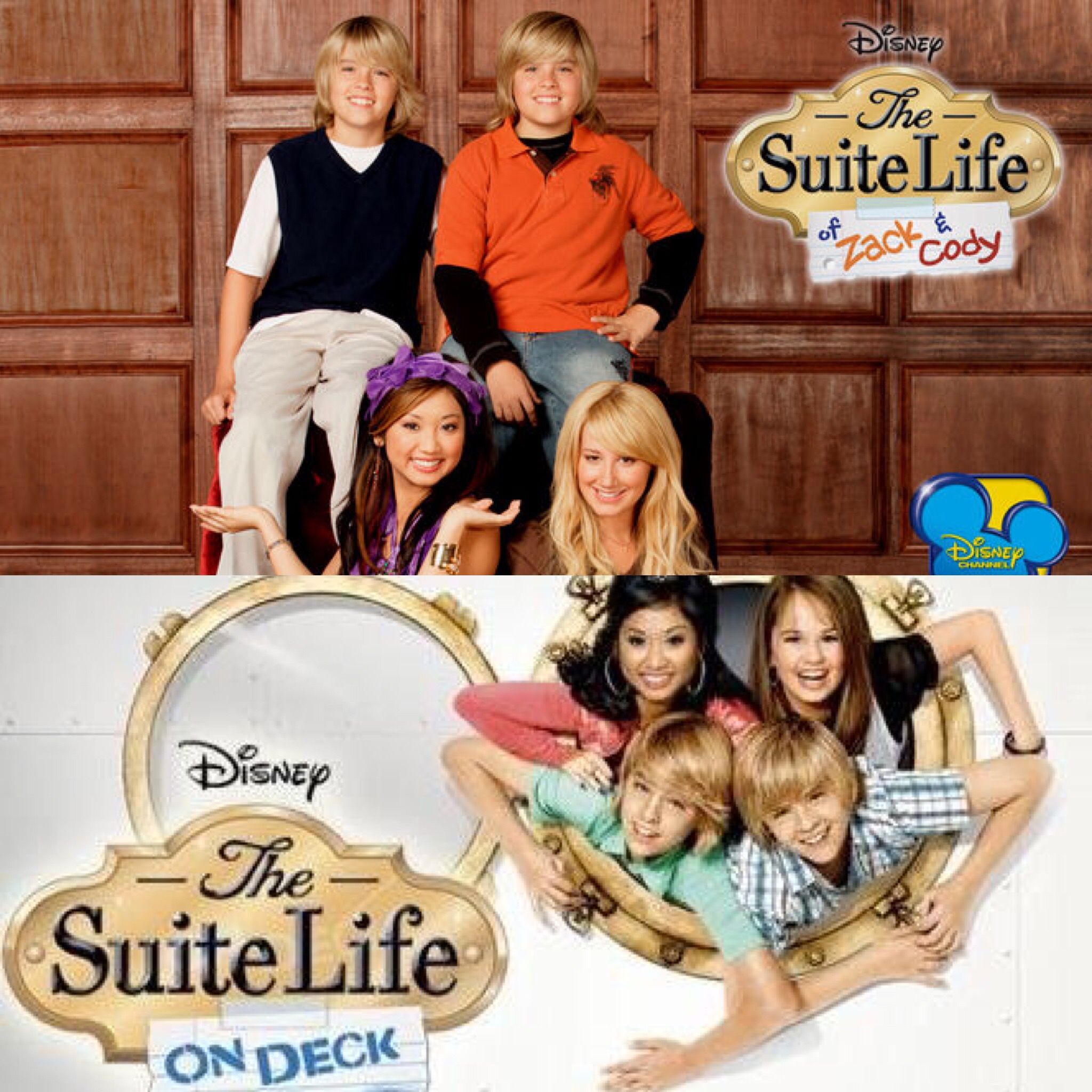
Alyson Stoner portrayed the recurring character Max on The Suite Life of Zack & Cody, bringing professional-grade hip-hop skills to the Disney Channel sitcom during its 2005–2008 run. Her performances, particularly in episodes like "Commercial Breaks" and "Kisses and Basketball," integrated high-energy choreography into the show's narrative, showcasing Stoner's real-world background as a premier child dancer in the music industry.
The Professional Roots of Alyson Stoner
To understand why the dance segments in The Suite Life of Zack & Cody were so impactful, one must first look at Alyson Stoner’s professional trajectory before entering the Tipton Hotel. By the time she was cast as Max, Stoner was already a household name in the dance world. She had gained international recognition as the "little girl" in Missy Elliott's music videos, most notably "Work It," "Gossip Folks," and "I'm Really Hot." Her ability to execute complex, rhythmic, and high-intensity hip-hop choreography at a young age set her apart from traditional child actors.
Stoner’s training wasn't merely for the screen; she was a student of the craft, studying under legendary choreographers and mastering styles like popping, locking, and breakdancing. When Disney Channel executives cast her as Max, they weren't just hiring an actor; they were hiring a specialized athlete. This background allowed the show's writers to create segments that transcended the typical "school play" level of dancing often seen in sitcoms. Instead, they could write "dance battles" and professional-style auditions that felt authentic and technically impressive.
In the mid-2000s, Disney was beginning to lean heavily into the "multi-hyphenate" model—actors who could sing and dance. Stoner was a pioneer of this movement. Her presence on The Suite Life provided a blueprint for how technical dance could be integrated into a scripted comedy, a trend that would later culminate in shows like Shake It Up. Even as of 2026, Stoner’s early work remains a gold standard for technical execution in children's television.
Redefining the Tomboy: Max’s Role in the Tipton Universe
The character of Max was introduced as a "tomboy" friend to Zack and Cody Martin. In the context of 2005 television, this often meant a girl who liked sports and wore baggy clothes. However, the showrunners utilized Stoner’s skills to give Max a layer of depth that moved beyond stereotypes. Max wasn't just "one of the guys" because she played basketball; she was a powerhouse who dominated through physical expression—specifically dance.
Max served as a bridge between the different worlds of the Tipton Hotel. While Zack and Cody were often embroiled in schemes, Max provided a grounded, disciplined contrast. Her character’s dedication to dance reflected Stoner’s real-life work ethic. In episodes where dance was the focus, Max was often the character who pushed others to improve, acting as the de facto leader of their small social circle.
This subversion of the tomboy trope was important. It showed the audience that femininity and athleticism weren't mutually exclusive and that a girl could be the most "tough" member of a group while still participating in the performing arts. This narrative choice resonated with a generation of viewers who saw Max as a relatable figure who prioritized talent and skill over the more superficial concerns of characters like London Tipton.
Deep Dive: "Commercial Breaks" and the Hip-Hop Audition
Perhaps the most famous dance segment in the entire series occurs in Season 1, Episode 10, titled "Commercial Breaks." The plot centers on a commercial being filmed at the Tipton Hotel, and the children all audition for a role. This episode serves as a showcase for Stoner’s specific style of hip-hop.
In her audition scene, Stoner (as Max) performs a solo routine that remains a fan favorite decades later. The choreography is fast-paced, featuring intricate footwork and the "staccato" movements characteristic of mid-2000s hip-hop. What makes this segment technically significant is the "isolation"—the ability to move one part of the body independently of the others. Stoner demonstrates exceptional control over her head, shoulders, and chest, a hallmark of professional-grade popping.
Unlike the other characters who approach the audition with comedic incompetence, Max’s performance is serious and highly skilled. This creates a "spotlight" effect where the show pauses its comedic momentum to acknowledge genuine talent. For many young viewers in 2005, this was their first introduction to the "street" style of dance that was dominating music videos at the time, brought into the safe, familiar environment of the Tipton Hotel.
The Athleticism of "Kisses and Basketball"
In Season 1, Episode 13, "Kisses and Basketball," the show merges Max’s two primary traits: her basketball prowess and her physical agility. While the episode is primarily remembered for the awkward kiss between Max and Zack, the "dance" elements are found in the fluidity of the sports choreography.
Alyson Stoner’s background in dance significantly influenced how she moved on the basketball court. The way she handled the ball and navigated the "court" (which was a set) displayed a rhythmic quality. This episode highlighted the "Why" behind Max’s character: her discipline in dance translated into discipline in sports. The coordination required for the choreographed basketball plays in this episode was effectively a form of dance, requiring precise timing and spatial awareness.
This episode also established the dynamic between Max and the twins. By proving herself as the best athlete on the team, Max earned a level of respect that allowed her character to recur frequently. The dance-like precision of her movements during the game scenes served as a subtle reminder of Stoner's versatility, showing that her "dancing spotlight" wasn't limited to a stage or an audition floor.
Technical Analysis of 2000s Disney Dance Aesthetics
The dance segments in The Suite Life of Zack & Cody were products of their time, reflecting the "Urban Pop" aesthetic of the mid-2000s. This era of choreography, often seen in films like You Got Served or Step Up (which also starred Stoner), prioritized power and "tricks" over the more lyrical or contemporary styles seen in later years.
| Episode Title | Season/Episode | Primary Dance Style | Key Performer(s) |
|---|---|---|---|
| Commercial Breaks | S1 E10 | Hip-Hop / Popping | Max (Alyson Stoner) |
| Club Twin | S2 E15 | Freestyle / Club Dance | Max, Zack, Cody, London |
| Lip Synchin' in the Rain | S3 E9 | Musical Theater / Pop | London, Maddie, Max |
| Kisses and Basketball | S1 E13 | Athletic Choreography | Max, Zack |
| Footloose (Segment) | Various | 80s Tribute | Cast Ensemble |
The technical depth of Stoner's performances usually involved "downward" energy. In hip-hop, staying low to the ground and maintaining a slight bend in the knees is crucial for balance and power. Stoner’s ability to maintain this "pocket"—the rhythmic groove of the music—was far superior to her peers. While Zack (Dylan Sprouse) and Cody (Cole Sprouse) often used dance for comedic effect, Stoner’s movements were grounded in professional technique, providing a necessary anchor for the show's musical segments.
Broader Dance Segments in the Series
While Alyson Stoner was the primary "specialist" for dance, The Suite Life of Zack & Cody frequently incorporated dance into its broader narrative. This helped create a high-energy atmosphere that suited the chaotic setting of a busy hotel.
London Tipton’s Comedic Dance
Brenda Song’s character, London Tipton, often participated in dance segments, but her "talent" was usually played for laughs. However, from a technical perspective, Song had to be a capable mover to execute "bad" dancing convincingly. In "Lip Synchin' in the Rain," London’s lack of rhythm is a central plot point, contrasting sharply with Max’s background presence as a reliable, skilled performer.
The Tipton Staff and Ensemble Pieces
Occasionally, the hotel staff, including Mr. Moseby (Phill Lewis) and Esteban (Adrian R'Mante), participated in musical numbers. Phill Lewis, in particular, had a background in theater that allowed him to bring a more rhythmic, "Vaudeville" style to his movements. These ensemble pieces often utilized simple jazz steps—like the "chassé" or "pivot turn"—to ensure the entire cast could stay in sync, even those without Stoner’s professional training.
The "Club Twin" Atmosphere
In the episode "Club Twin," the lobby of the Tipton is transformed into a teen club. This episode allowed for a more "freestyle" approach to dance. While the choreography was less structured than Max’s solo in "Commercial Breaks," it showcased the social dance trends of 2006. The use of "party dances" helped the show feel current and connected to the youth culture of the time.
The Impact on Later Disney Channel Choreography
Alyson Stoner’s success as a "dancer-actor" on The Suite Life had a ripple effect on the Disney Channel's casting strategy. Seeing how much the audience responded to Max’s dance segments, the network began to prioritize talent that could handle heavy choreography.
By the time The Suite Life on Deck premiered, and later shows like Shake It Up and Austin & Ally, dance had become a central pillar of the Disney brand. The "spotlight" on Max’s dance segments proved that kids were interested in the technical side of the arts, not just the comedic side. This led to a more polished look for Disney musical numbers throughout the late 2000s and early 2010s.
Stoner’s influence can be traced directly to later stars like Zendaya and Bella Thorne. The "Max" archetype—the cool, talented girl who didn't need to conform to traditional "girly" standards—became a staple of the network. Stoner’s technical proficiency raised the bar, ensuring that future "dance" shows had to meet a certain level of credibility to be taken seriously by the audience.
Perspectives from 2026: Why These Segments Still Matter
As of 2026, The Suite Life of Zack & Cody remains a cornerstone of the "nostalgia" era of streaming. On platforms like Disney+, the "dance episodes" are frequently cited in social media retrospectives and "best of" compilations. Alyson Stoner’s career has since expanded into voice acting, music, and mental health advocacy, but her time as Max remains a defining moment for fans.
The reason these dance segments hold up in 2026 is their authenticity. In an era where digital effects can enhance almost any physical performance, there is a renewed appreciation for the raw, unedited talent Stoner displayed. Her sequences weren't "fixed" in post-production; they were the result of years of training and a genuine passion for movement.
Furthermore, the "Max" segments are often used today as examples of early 2000s street style. Fashion trends in 2026 have looped back to the "Y2K" and "Mid-2000s" aesthetics, making Max’s baggy cargo pants and oversized jerseys fashionable again. This has led to a resurgence of interest in her choreography among younger dancers who use her "Commercial Breaks" solo as a reference for authentic 2000s hip-hop.
FAQ: Alyson Stoner and The Suite Life Dance Segments
Was Alyson Stoner a professional dancer before appearing on the show?
Yes, Alyson Stoner was a highly successful professional dancer long before joining the cast. She was most famous for her work in Missy Elliott’s music videos and had trained at various prestigious dance academies. This professional background is why her dance segments on the show were significantly more technical than those of her co-stars.
Which episode features Max’s most famous dance solo?
The most iconic dance solo occurs in Season 1, Episode 10, "Commercial Breaks." In this episode, Max auditions for a commercial being filmed at the Tipton Hotel and performs a high-energy hip-hop routine that showcases her popping and locking skills.
Did Alyson Stoner do her own choreography for The Suite Life?
While Disney Channel shows usually employed professional choreographers (such as Rosero McCoy, who worked on many Disney projects), Stoner often contributed her own style and "flair" to her routines. Her deep understanding of hip-hop allowed her to collaborate with choreographers to ensure the moves felt authentic to her character and her real-world skills.
Why was Alyson Stoner’s character named Max?
The name "Max" was likely chosen to reflect her character’s "tomboy" persona. During the mid-2000s, it was a common trope to give athletic or "non-traditional" female characters gender-neutral or traditionally male names to emphasize their departure from feminine stereotypes.
Are there any other shows where Alyson Stoner showcases her dancing?
Beyond The Suite Life, Stoner is well-known for her role as Camille Gage in the Step Up film franchise, where her dancing is a primary focus. she also voiced Isabella in Phineas and Ferb and appeared in Camp Rock, though her dancing in The Suite Life remains her most prominent sitcom-based performance.
Practical Recommendation for Fans
If you are looking to revisit these iconic moments, the best way to do so in 2026 is via Disney+. Navigate to Season 1 and prioritize episodes 10 ("Commercial Breaks") and 13 ("Kisses and Basketball"). For those interested in the technical evolution of Stoner’s dance career, comparing her Suite Life performances with her work in the Step Up series provides a fascinating look at how a child prodigy transitions into a professional adult dancer.