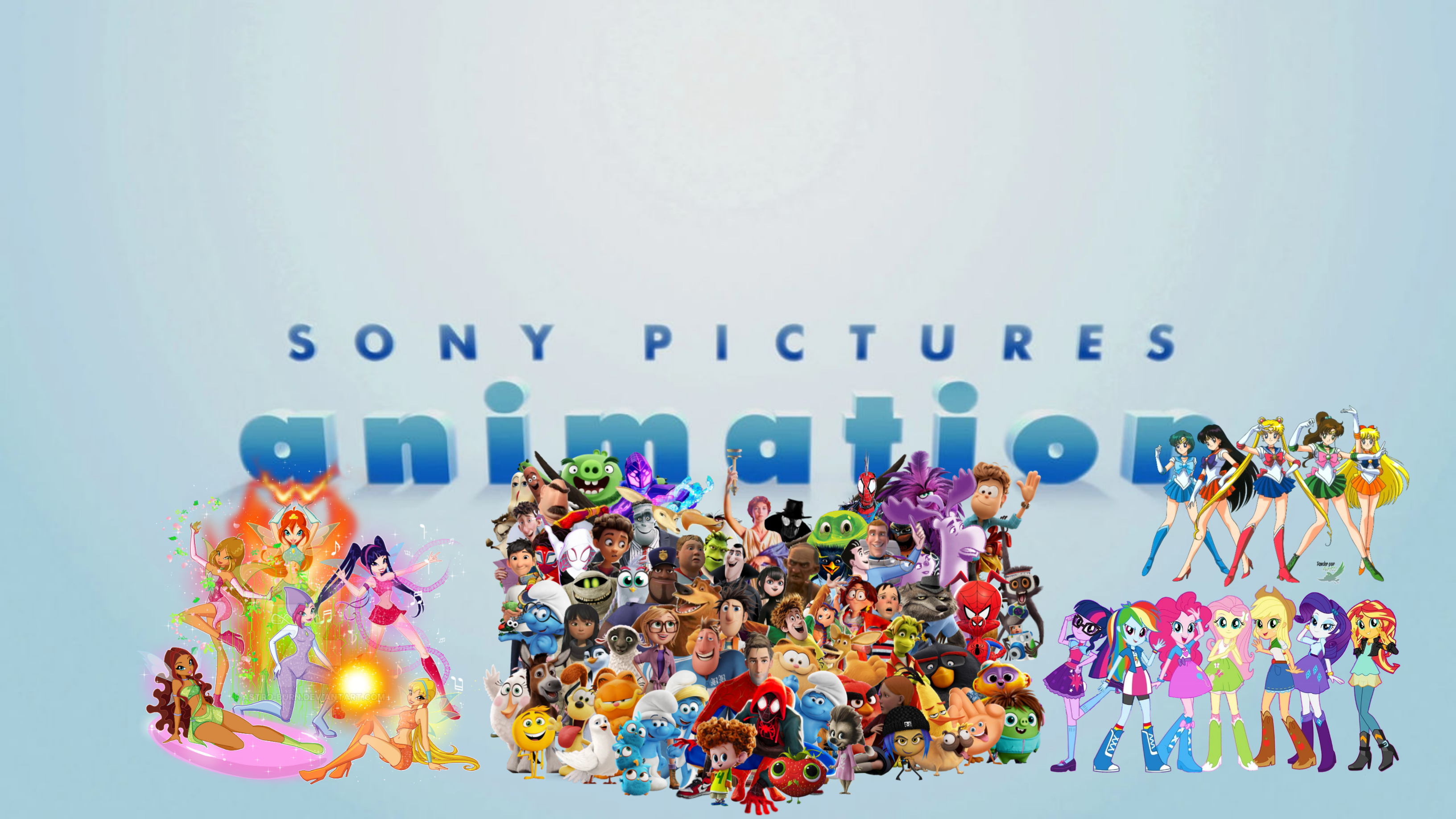
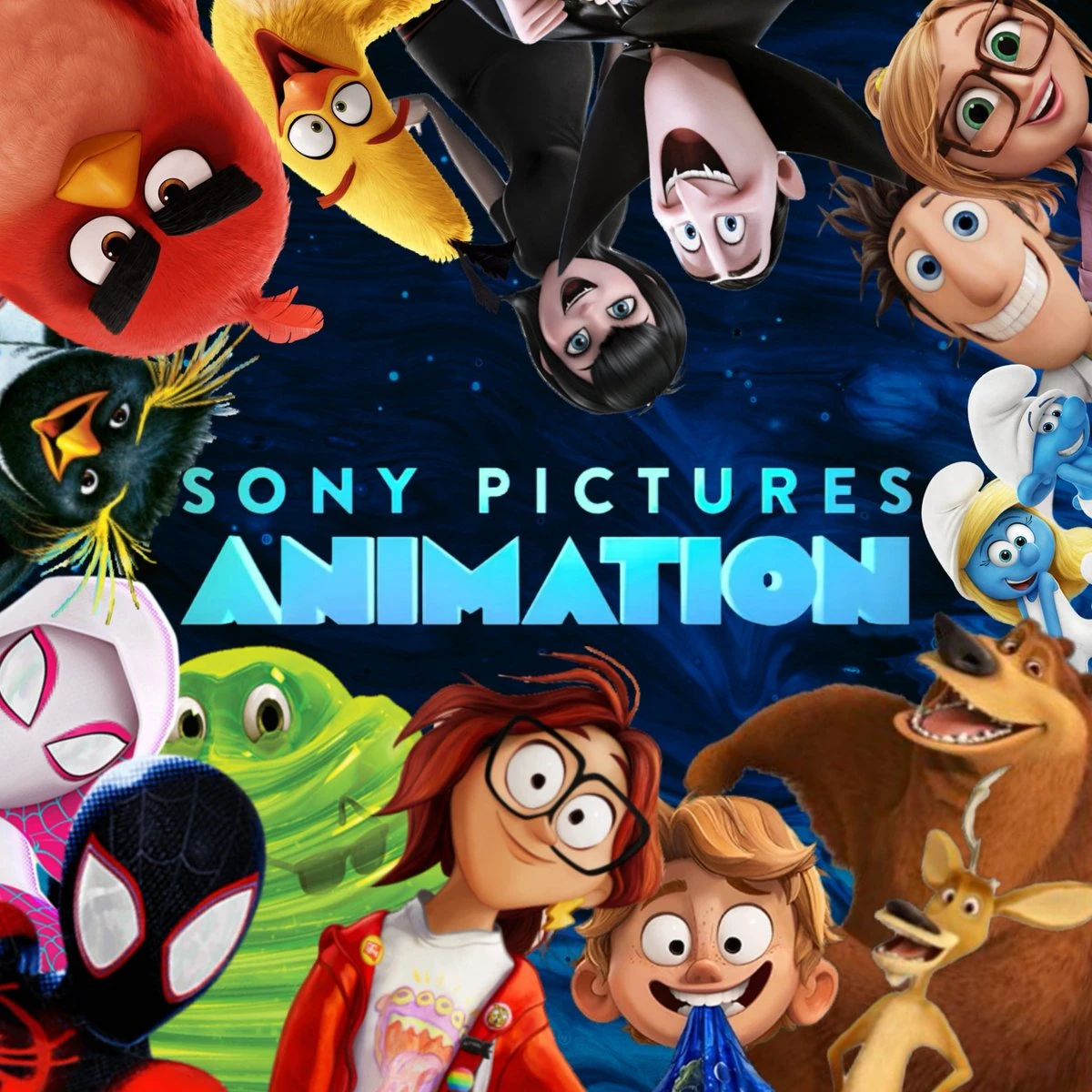
Sony Pictures Animation, founded in 2002, has spent over two decades establishing a distinct visual identity and narrative style that ranges from slapstick comedy to the revolutionary, stylized aesthetics of the Spider-Verse franchise. Navigating the full catalog of their feature-length productions requires an understanding of their evolution from early CGI experimentations to their current position as an industry leader in experimental animation techniques.
Since the studio’s debut with Open Season in 2006, Sony Pictures Animation has released a diverse array of films, varying significantly in critical reception, artistic methodology, and target demographics. Whether you are looking to explore their earliest works, tracking the success of their major franchises like Hotel Transylvania, or analyzing the technical milestones achieved in their more recent projects, understanding the chronological development of their library is essential. This guide provides a comprehensive overview of the feature films produced under the Sony Pictures Animation banner, categorized by their release timeline and impact on the industry.
The Formative Years (2006–2010)
The early era of Sony Pictures Animation was defined by a transition into the fully digital landscape of the mid-2000s. During this time, the studio focused on establishing a footing in the family comedy market.
Open Season (2006) served as the studio’s inaugural theatrical feature. It set the precedent for their early business model: high-concept, humor-driven narratives aimed at a broad family audience. Following this, Surf’s Up (2007) introduced a mockumentary style that stood out for its unique camerawork and improvisational feel, which differed significantly from the more traditional animated features of the time.
The year 2009 saw the release of Cloudy with a Chance of Meatballs, a turning point for the studio. Directed by Phil Lord and Christopher Miller, the film established a signature "squash and stretch" visual language that would eventually become a hallmark of the studio’s later work. This period concluded with The Smurfs (2011), which combined live-action with CGI, reflecting a trend among major studios to integrate animation with established intellectual property to maximize reach.
The Franchise Era and Stylistic Consolidation (2012–2017)
By 2012, Sony Pictures Animation found its footing in long-form storytelling. The release of Hotel Transylvania launched a massive, multi-film franchise that anchored the studio's financial success for the next decade. Genndy Tartakovsky’s direction brought an intense, kinetic energy to the film, characterized by exaggerated character movements and timing that leaned heavily into the traditions of hand-drawn animation, even while rendered in 3D.
During this phase, the studio expanded its portfolio with projects like Arthur Christmas (2011), which received significant critical acclaim for its narrative depth and warmth. The focus during this period was on building internal consistency and developing recognizable brands. The mid-2010s also saw the release of The Emoji Movie (2017), which represented a different strategy: leaning into modern cultural phenomena. While controversial among critics, it highlighted the studio's willingness to experiment with subjects that were deeply embedded in the contemporary digital landscape.
The Stylistic Revolution (2018–Present)
The most significant shift in Sony Pictures Animation’s history occurred with the 2018 release of Spider-Man: Into the Spider-Verse. This film moved away from the standard "polished" look of digital animation and instead embraced a medium-blending aesthetic that incorporated comic book textures, halftone patterns, and lower frame rates to simulate the feel of a living illustration.
This breakthrough set a new industry standard and provided the studio with a blueprint for future success. The Mitchells vs. the Machines (2021) furthered this goal by utilizing "hand-painted" textures overlaid on 3D models, creating an aesthetic that felt personal, messy, and human. The 2023 release of Spider-Man: Across the Spider-Verse pushed these boundaries even further, employing multiple distinct animation styles to reflect the different universes visited by the characters.
Essential Catalog of Sony Animation Feature Films
The following table summarizes the primary feature-length films released by the studio. This list excludes short films and television-only productions, focusing on the theatrical output that defines the studio's history.
| Film Title | Release Year | Primary Genre |
|---|---|---|
| Open Season | 2006 | Comedy/Adventure |
| Surf’s Up | 2007 | Mockumentary/Comedy |
| Cloudy with a Chance of Meatballs | 2009 | Sci-Fi/Comedy |
| The Smurfs | 2011 | Live-Action/CGI Hybrid |
| Arthur Christmas | 2011 | Holiday/Comedy |
| Hotel Transylvania | 2012 | Horror/Comedy |
| The Smurfs 2 | 2013 | Live-Action/CGI Hybrid |
| Cloudy with a Chance of Meatballs 2 | 2013 | Sci-Fi/Comedy |
| Hotel Transylvania 2 | 2015 | Horror/Comedy |
| The Smurfs: The Lost Village | 2017 | Adventure |
| The Emoji Movie | 2017 | Comedy |
| The Star | 2017 | Religious/Adventure |
| Hotel Transylvania 3: Summer Vacation | 2018 | Horror/Comedy |
| Spider-Man: Into the Spider-Verse | 2018 | Superhero/Action |
| The Angry Birds Movie 2 | 2019 | Comedy/Adventure |
| The Mitchells vs. the Machines | 2021 | Comedy/Sci-Fi |
| Vivo | 2021 | Musical/Adventure |
| Hotel Transylvania: Transformania | 2022 | Horror/Comedy |
| Spider-Man: Across the Spider-Verse | 2023 | Superhero/Action |
| Garfield | 2024 | Comedy/Adventure |
Technical Evolution: Why the Look Matters
When evaluating the quality and progression of Sony animation movies, the technical evolution is just as important as the plot. Unlike some studios that strive for a single, consistent "house style," Sony Pictures Animation has increasingly prioritized aesthetic diversity.
The transition from the standard, clean look of Open Season to the chaotic, expressive, and highly stylized world of the Spider-Verse represents a major technical investment in shading, lighting, and rendering. By developing proprietary software and workflows that allow for 2D-inspired techniques within a 3D environment, the studio has managed to differentiate its offerings in a crowded market. Understanding this evolution helps viewers appreciate why certain films look so radically different from others, even when they originate from the same production house.
Strategies for Accessing the Library
Accessing the complete library of Sony animation movies in 2026 involves navigating various distribution platforms. Most of the studio’s catalog is held under Sony Pictures Home Entertainment, meaning these films are frequently licensed to specific streaming services.
- Streaming Platforms: Many of the older titles rotate through major subscription services (e.g., Netflix, Hulu, or Disney+ depending on regional licensing agreements). It is advisable to use a streaming aggregator service to check current availability in your specific jurisdiction.
- Digital Rental/Purchase: Platforms such as Amazon Prime Video, Apple TV, and Google TV generally maintain the entire library for rent or purchase. This is often the most reliable way to watch a specific film if it is not currently licensed to a subscription platform.
- Physical Media: Sony continues to release high-definition and 4K UHD versions of their films. For enthusiasts of the Spider-Verse series, physical media is often the best way to ensure maximum visual fidelity, as streaming compression can occasionally impact the intricate textures and frame rates utilized in their modern, stylized projects.
Common Misconceptions
There is often confusion regarding which films fall under the "Sony Pictures Animation" umbrella. For example, some viewers assume that any film distributed by Sony Pictures is also animated by them. It is important to distinguish between films produced by the studio and films merely distributed by the parent company.
Additionally, many viewers mistake the studio’s earlier live-action/CGI hybrids, such as The Smurfs, for purely animated films. While they feature heavy animation components, they are technically classified as hybrid films. Recognizing these distinctions ensures that when you are searching for "Sony animation movies," you are finding the specific type of content—either fully animated or hybrid—that you intend to view.
Frequently Asked Questions
Which Sony animation movie is considered the most technically advanced? Spider-Man: Across the Spider-Verse (2023) is widely cited as the most technically advanced, due to its complex blend of multiple, distinct animation styles, thousands of custom-made character designs, and the integration of traditional and digital art techniques.
Are all Sony animated films suitable for children? While the majority of the studio's films are rated PG or lower, they vary in tone. Some, like the Hotel Transylvania series, are broadly comedic, while others, like the Spider-Verse films, feature more intense action sequences and complex narratives that may be better suited for older children and teens.
Does Sony Pictures Animation own all the characters in their films? Not necessarily. For example, the Spider-Man characters are licensed from Marvel, and The Smurfs are licensed from Peyo. The studio produces the films, but the intellectual property rights remain with the original owners in many cases.
Why do some Sony movies look like hand-drawn animation while others look like standard 3D? This is a conscious stylistic choice by the directors and lead animators. Starting around 2018, the studio shifted toward "stylized" animation, where software is used to mimic the imperfections and artistic flair of 2D or stop-motion animation, as seen in The Mitchells vs. the Machines.
Where can I find a list of upcoming Sony animation releases? The official Sony Pictures Animation website serves as the primary source for upcoming projects. Industry news outlets, such as Variety or The Hollywood Reporter, also track production schedules and confirmed release dates.
Recommendation for Further Exploration
To truly understand the trajectory of Sony Pictures Animation, the most effective approach is to watch the films in chronological order, starting with Cloudy with a Chance of Meatballs (2009) to observe the birth of their signature humor, followed by Spider-Man: Into the Spider-Verse (2018) to witness the radical shift in their artistic capabilities. This progression highlights not only the studio’s success but also the broader evolution of computer-generated animation as a flexible, artistic medium. If you are interested in the technical side, look for behind-the-scenes "art of" books, which provide specific insights into how the studio manages its unique visual pipelines.