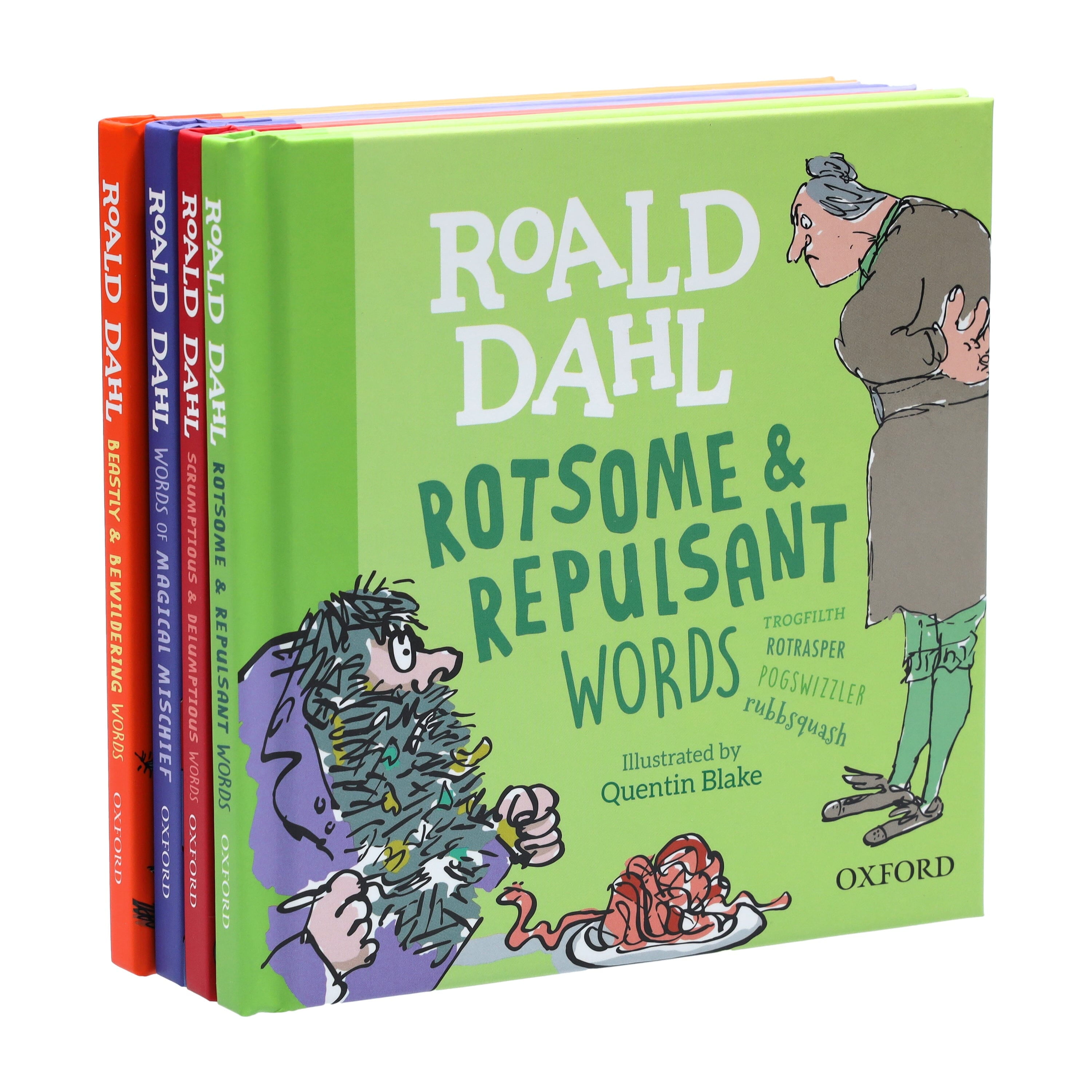
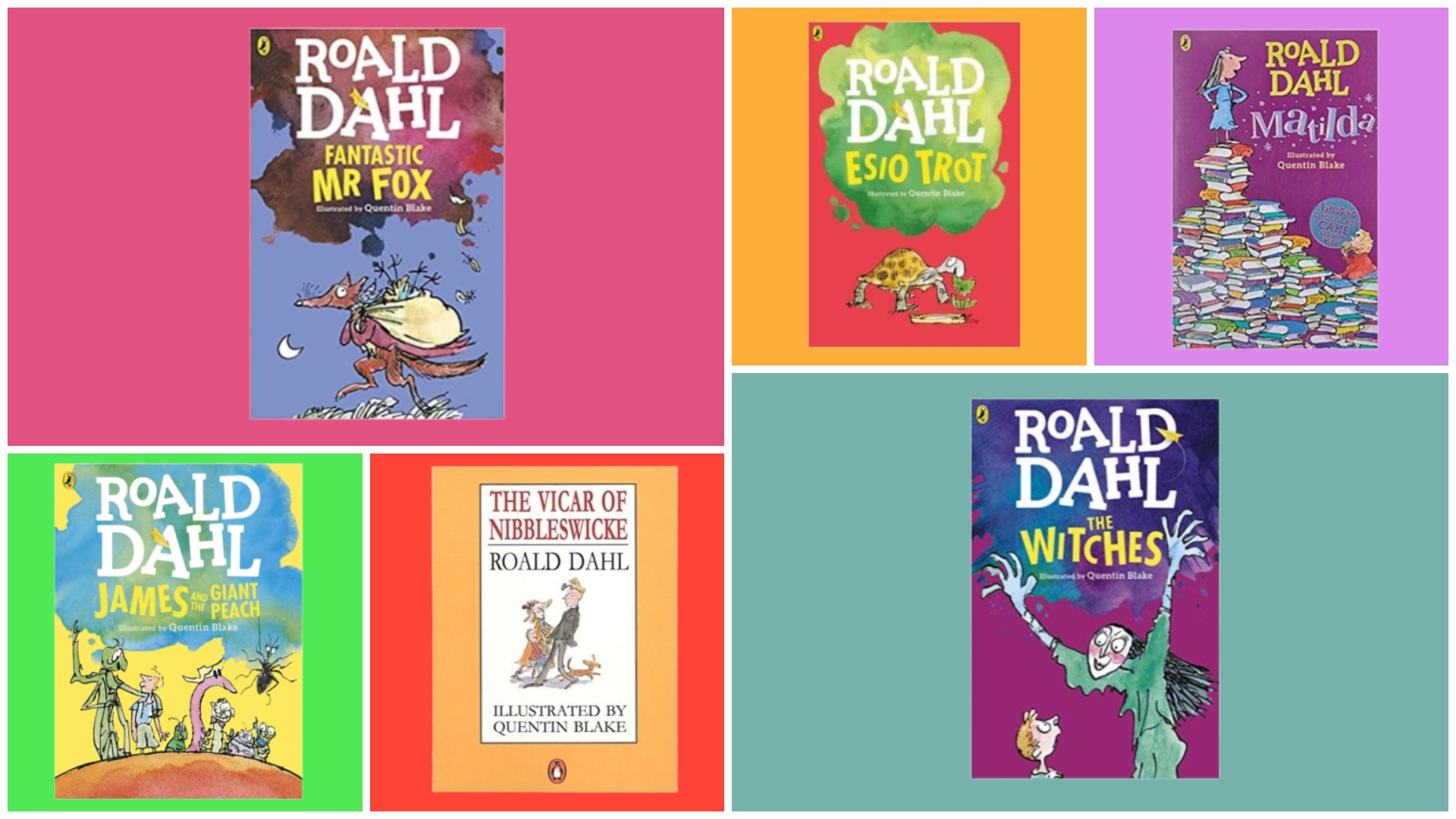
Roald Dahl’s bibliography spans a broad spectrum of reading levels, typically categorized for children between the ages of 5 and 12. While picture books like The Enormous Crocodile are suitable for readers as young as 5, longer, more complex novels such as The BFG or Matilda are generally best suited for children aged 8 to 10, with some titles reserved for slightly more mature middle-grade readers.
Understanding the Literary Scope of Roald Dahl
The work of Roald Dahl holds a unique position in children’s literature. His stories are characterized by a distinct blend of whimsical humor, dark wit, and highly imaginative worlds. Because his catalog includes everything from short picture books to novel-length narratives, there is no single "Roald Dahl age range." Instead, caregivers, educators, and parents must assess the reading level and emotional maturity required for specific titles.
Dahl’s writing style often utilizes sophisticated vocabulary, which serves to challenge young readers while keeping them engaged through fast-paced, often rebellious plots. This linguistic complexity is one of the reasons his books remain staples in classrooms globally. However, the tone—which frequently features grotesque villains and mild peril—means that individual comfort levels vary significantly from child to child.
Early Readers: Ages 5 to 7
For younger children, the entry point into the world of Roald Dahl is typically his shorter, highly illustrated works. At this stage, the primary goal is often shared reading, where a parent or teacher reads aloud to help the child bridge the gap between simple phonics and more narrative-heavy storytelling.
- The Enormous Crocodile: This story uses repetition and clear, simple stakes, making it an excellent bridge for early readers who are transitioning out of standard picture books.
- The Giraffe and the Pelly and Me: With a gentler tone than many of his longer novels, this title is accessible for children who are beginning to read independently.
- The Magic Finger: Though it touches on themes of animal rights and human behavior, the brevity of the book makes it appropriate for younger readers who have a solid grasp of basic sentence structure.
At this level, the focus remains on the joy of the story rather than complex character development. The illustrations, famously by Quentin Blake, play an essential role in helping children contextualize the narrative, providing visual cues that support the text.
Middle-Grade Transitions: Ages 8 to 10
The "golden age" for Roald Dahl’s most iconic works falls squarely between the ages of 8 and 10. During this developmental window, children are typically transitioning from "learning to read" to "reading to learn." They are capable of following multiple plot threads, appreciating character arcs, and understanding the nuance of Dahl’s signature dark humor.
- Charlie and the Chocolate Factory: This is arguably the definitive Dahl experience. It requires a longer attention span and the ability to process a series of morality-based events involving the different children in the factory.
- Matilda: This story explores themes of intellectual frustration, bullying, and empowerment. While the reading level is mid-range, the emotional themes resonate deeply with children in the later years of primary education who are beginning to navigate complex social dynamics at school.
- James and the Giant Peach: This novel serves as a perfect introduction to fantasy elements. It requires the reader to suspend disbelief and engage with surrealist imagery, which is a hallmark of the 8–10 age bracket's developmental growth.
Advanced Middle Grade: Ages 10 to 12
For older children, the selection of Dahl’s work shifts toward titles that deal with slightly more intricate plots or higher-level vocabulary. These books are often assigned as independent reading projects in upper-primary or early middle school.
- The Witches: This title is frequently cited as the most "frightening" of Dahl’s children’s books. Because it involves themes of loss and somewhat intense, suspenseful sequences, it is often better suited for children at the older end of the 10–12 spectrum.
- The BFG: While whimsical, the book uses "Gobblefunk"—Dahl’s invented language. Readers in the 10-12 bracket are better equipped to enjoy the playful manipulation of language and the more sophisticated themes regarding the relationship between the giant and Sophie.
Comparative Guide to Reading Complexity
The following table provides a breakdown of common Roald Dahl titles categorized by their suggested reading level and thematic intensity.
| Book Title | Suggested Age Range | Thematic Complexity | Reading Level |
|---|---|---|---|
| The Enormous Crocodile | 5–7 | Low | Easy/Beginner |
| The Magic Finger | 6–8 | Low | Early Intermediate |
| Fantastic Mr. Fox | 7–9 | Moderate | Intermediate |
| Charlie and the Chocolate Factory | 8–10 | Moderate | Intermediate |
| Matilda | 8–10 | High | Advanced Intermediate |
| The Witches | 10–12 | High | Advanced |
The Role of Illustration in Accessibility
One factor often overlooked when determining the age appropriateness of Dahl’s books is the contribution of his long-time illustrator, Quentin Blake. His scratchy, expressive, and slightly chaotic drawing style serves as a vital anchor for the text. For younger readers, these illustrations provide a sense of safety, signaling that the "scary" elements of the story are, in fact, part of a fantastical and humorous world. When evaluating a book for a younger reader, parents should consider whether the child responds well to these specific visual cues, as they significantly impact the overall tone of the reading experience.
Addressing Themes and Tone
Parents and educators often ask about the "scary" elements in Roald Dahl books. It is important to remember that Dahl never talked down to his audience. He recognized that children often enjoy stories that contain a degree of danger or subversion of authority.
However, if a child is particularly sensitive to themes of abandonment (often found in his protagonists’ backstories) or cruelty from adult antagonists, it may be beneficial to read these sections together rather than allowing the child to read them alone. This creates an opportunity for discussion about the story’s events and helps the child process the more "grotesque" elements of the villainy, which are intended as caricatures rather than realistic depictions.
Tips for Introducing Dahl’s Work
When introducing a child to Roald Dahl, consider the following strategies to ensure an enjoyable and successful reading experience:
- Read Aloud First: For the 5-8 age range, reading aloud allows you to act out the various characters, which emphasizes the humor in Dahl’s dialogue.
- Match Interests, Not Just Age: A child who loves animals might enjoy Fantastic Mr. Fox regardless of whether they are at the "official" age for that level.
- Check for "Gobblefunk": Be prepared to discuss the made-up words. Encouraging children to define these words based on the context of the sentence is a great way to build vocabulary skills.
- Use the Films as a Gateway: If a child is hesitant to start a chapter book, showing an adaptation (such as Matilda or The BFG) can help spark interest in the source material.
Common Misconceptions
A common error is assuming that all of Dahl's books are written at the same difficulty level. While his prose style is consistently clear and accessible, the narrative length varies wildly. A reader who is comfortable with a short story may find the pacing of a full-length novel like Charlie and the Chocolate Factory daunting. Always start with shorter titles if you are unsure of the reader’s stamina.
Additionally, do not assume that a book is "easy" just because it is classified as a children's book. Many of Dahl’s works contain vocabulary that is surprisingly robust. If a child is struggling with specific passages, it is usually a sign that the book should be treated as a collaborative reading experience rather than an independent one.
Frequently Asked Questions
Are Roald Dahl books appropriate for all children? Most children find his books engaging, but those who are easily frightened by themes of peril or mean-spirited adult characters may prefer to wait until they are slightly older or read the stories alongside a parent.
What is the best Roald Dahl book to start with? The Enormous Crocodile is an excellent starting point for younger children, while Fantastic Mr. Fox is widely considered the most approachable entry point for slightly older children transitioning into chapter books.
How do I handle the "scary" parts of his books? These moments are intentional stylistic choices that heighten the drama. If your child is distressed, pause the reading to discuss the fact that the antagonists are exaggerations or caricatures, which can help lower the emotional stakes.
Are these books still relevant in 2026? Yes. While the social settings of his stories reflect the time they were written, the fundamental themes of justice, creativity, and the power of children remain timeless, ensuring their continued relevance in modern curricula.
Can children read these books in any order? Yes. Since none of the books are part of a continuous series, children can jump between titles based on their interests without losing track of any overarching plot.
Final Recommendation
The best way to gauge whether a Roald Dahl book is right for a child is to preview the first two chapters together. If the child is captivated by the plot and isn't overwhelmed by the vocabulary, they are ready to dive in. For beginners, start with The Enormous Crocodile or The Magic Finger. Once they have developed the confidence to handle those shorter narratives, move them toward Fantastic Mr. Fox or Charlie and the Chocolate Factory to begin their journey into his more substantial works. By focusing on the child's individual pace rather than rigid age brackets, you can ensure a lasting love for Dahl’s imaginative universe.