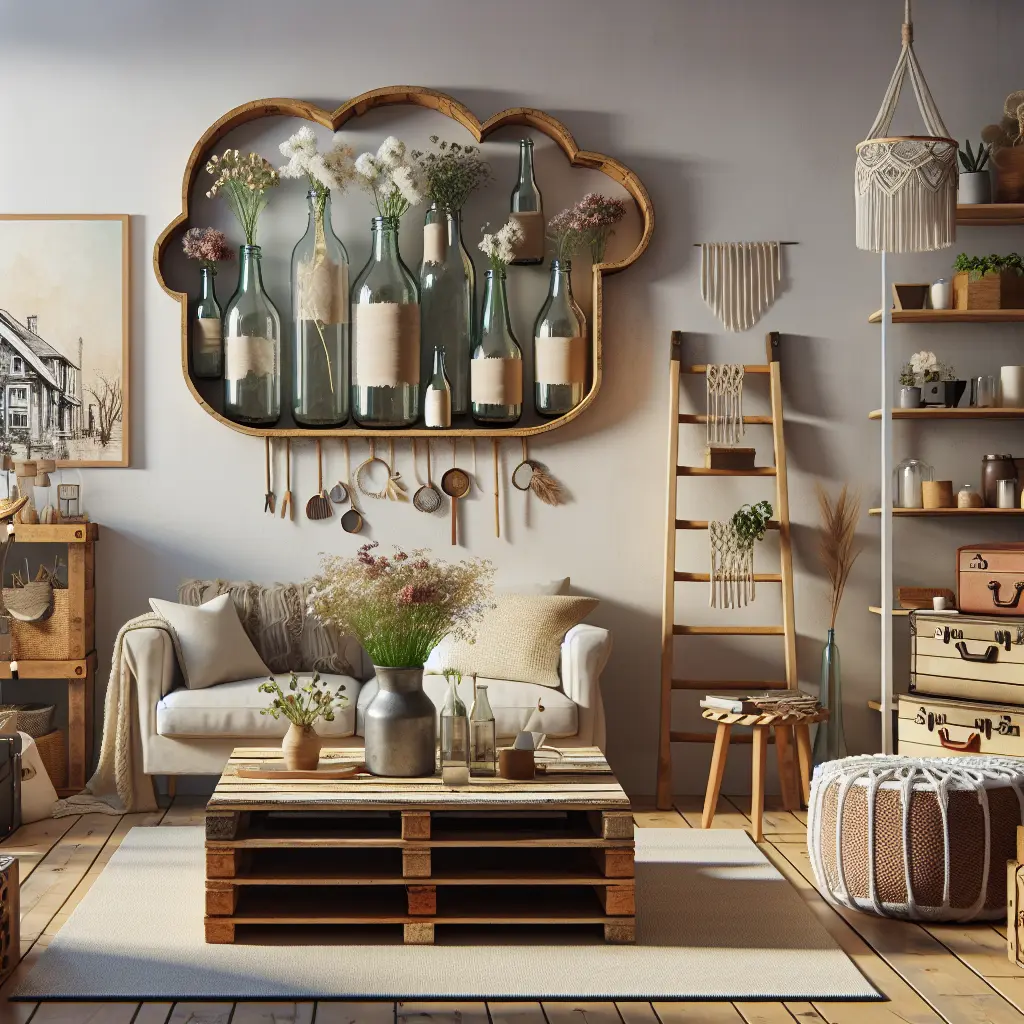
Transforming a living room into a stylish, inviting space does not require a luxury budget or an interior designer. By leveraging creative do-it-yourself (DIY) projects, homeowners and renters alike can refresh their primary gathering space using affordable materials, basic household tools, and a weekend's worth of time. These strategic updates focus on high-impact visual changes that elevate aesthetics without straining personal finances.
1. Upgrade Walls with an Affordable Accent Wall or Gallery Display
The living room walls occupy the largest surface area in the room, making them the most influential factor in overall design perception. However, professional painting services or high-end wallpaper installations can quickly become expensive. A budget-friendly approach focuses on targeted visual interest rather than whole-room overhauls.
Creating a Faux Board-and-Batten or Panel Wall
MDF (Medium-Density Fiberboard) strips or thin lattice boards can be adhered and nailed directly to drywall to create a high-end architectural look for a fraction of the cost of professional millwork.
- Materials Needed: Lattice boards or MDF strips, construction adhesive, finishing nails, a level, wood filler, and paint.
- Execution: Measure the wall height and plan the spacing—typically 12 to 18 inches apart for a classic look. Secure the boards to the wall studs or use heavy-duty adhesive with pin nails. Fill the nail holes and gaps with caulk or wood filler, sand smooth, and paint the entire wall in a rich, matte finish to unify the texture.
Curating a Thrifty Gallery Wall
Instead of purchasing expensive framed art, assemble a gallery wall using personal photography printed in black and white, vintage book illustrations, or free digital prints placed in mismatched thrift store frames. Spray painting thrifted frames in a uniform matte black, white, or metallic gold instantly pulls a diverse collection together into a cohesive, high-end display.
2. Refresh Textiles with No-Sew Cushion Covers and Throws
Textiles soften the hard angles of living room furniture and introduce warmth, color, and texture. Buying brand-new designer pillows and heavy-weight throw blankets can easily add up to hundreds of dollars.
The Magic of Fabric Remnants and Iron-On Adhesive
You do not need sewing machine mastery to update your throw pillows. By using envelope-closure designs or iron-on hem tape, you can transform inexpensive fabric remnants or even heavy-duty linen tea towels into custom pillow covers.
- Step 1: Measure your existing pillow inserts and cut your fabric to size, allowing an extra inch for seams.
- Step 2: Fold and press the edges with an iron.
- Step 3: Use iron-on hem tape and a household iron to bond the fabric edges securely, leaving an opening to insert the pillow form.
To complement the pillows, purchase plain, budget-friendly cotton throws and dye them using natural or commercial fabric dyes (such as Rit dye) to match your living room's color palette. An ombre dip-dye technique adds a modern, designer touch to an otherwise plain blanket.
3. Build a Statement Floating Shelf Unit
Display space is essential in a living room for showcasing books, small sculptures, and trailing plants. Custom shelving units purchased from furniture retailers often come with hefty price tags and rigid sizing that may not fit your specific wall space.
Crafting Custom Wooden Floating Shelves
Using standard dimensional lumber (such as pine or oak boards) from a local hardware store, you can build sturdy floating shelves that look remarkably high-end.
- The Process: Cut the lumber to your desired length and sand the surface thoroughly to remove any rough patches or stamps. Apply a wood stain or a water-based polyurethane sealer to highlight the natural grain.
- Mounting: Use heavy-duty internal bracket hardware anchored securely into wall studs. This ensures the shelf can support heavy decorative objects without sagging or pulling away from the drywall.
Styling these shelves with a mix of vertical books, small potted pothos plants, and ceramic objects creates a dynamic focal point that draws the eye upward, making the living room feel larger.
4. Repurpose and Upcycle Thrifted Furniture
Brand-new coffee tables, side tables, and media consoles often feature low-quality engineered wood wrapped in paper veneers, yet they command high retail prices. Upcycling solid wood furniture found at garage sales, thrift stores, or online marketplaces offers superior durability and unique character at a fraction of the cost.
Transforming Dated Wood Finishes
A dated oak or mahogany coffee table from the 1990s can be entirely modernized through stripping, sanding, and applying a lighter wood stain or a coat of chalk paint.
- Sanding and Prep: Remove the old glossy varnish using a handheld orbital sander with medium-grit sandpaper (80-grit), finishing with fine-grit (150-grit) for a smooth surface.
- Finishing Options: Apply a "white wash" (diluted white paint) to soften dark wood while retaining visible grain, or paint the base a bold, modern color while leaving the tabletop natural wood sealed with a durable matte polyurethane.
- Hardware Swaps: Replace tarnished or ornate brass knobs and pulls with sleek modern handles or leather pulls to instantly modernize a dated cabinet or side table.
5. Harness the Impact of Budget-Friendly Lighting Upgrades
Lighting dictates the mood of a living room, shifting a space from sterile and harsh to warm and inviting. Standard builder-grade dome lights or plastic floor lamps often detract from a room's aesthetic.
Swapping Builder-Grade Fixtures for Statement Pendants or Sconces
Replacing a central flush-mount light fixture with an affordable rattan, bamboo, or fabric drum pendant light changes the architectural feel of the room. Many plug-in wall sconces also eliminate the need for hardwiring, allowing renters to mount reading lights beside a sofa without dealing with electrical wiring.
The "Magic Bulb" Hack for Wireless Accent Lighting
If you love the look of wall sconces or glass pendant lights but want to avoid electrical work, use battery-operated LED puck lights or smart bulbs inside non-wired fixtures. Controlled via remote or smartphone, these bulbs provide warm ambient lighting for dark living room corners without requiring an electrician or unsightly hanging cords.
6. Introduce Natural Elements with Propagation Stations and Indoor Plants
Plants breathe life into interior spaces, adding organic shapes and vibrant color that synthetic decor cannot replicate. However, purchasing large, mature fiddle-leaf figs or monsteras from nurseries can be prohibitively expensive.
Budget Plant Propagation and Custom Propagation Stations
Start your indoor jungle on a micro-budget by asking friends for plant cuttings (such as pothos, snake plants, or heartleaf philodendrons) or purchasing small starter plants in 2-inch pots for just a few dollars.
- DIY Propagation Station: Mount small test tubes or glass bottles onto a piece of reclaimed wood using leather straps or metal clamps. Fill the tubes with water and place your plant cuttings inside. As roots develop over a few weeks, transfer them to small pots filled with nutrient-rich potting soil.
- Styling: Display your propagated plants on windowsills, floating shelves, or atop stacks of coffee table books to integrate natural elements throughout the room seamlessly.
7. Craft Custom Large-Scale Abstract Art
Large artwork anchors a living room seating area, but retail art prints of significant size easily cost hundreds or thousands of dollars. Creating your own abstract canvas allows you to dictate the exact dimensions, color scheme, and texture to match your interior design style.
Textured Plaster and Acrylic Canvas Techniques
You do not need advanced drawing skills to create striking contemporary art. Textured minimalist art relies on texture and composition rather than figurative representation.
- Materials Needed: A blank canvas (stretcher bars with unprimed or primed cotton duck fabric), joint compound or spackle, a putty knife or notched trowel, and acrylic paint.
- Execution: Apply joint compound thickly across the canvas using a putty knife, creating ridges, sweeps, or geometric patterns. Allow the compound to dry completely (usually 24 hours), which creates a matte, stone-like texture. Once dry, wash over the texture with a muted acrylic paint color—such as warm beige, olive, or soft charcoal—diluted with water to create subtle depth and shadows.
Comparison of DIY Living Room Projects
To help you decide which project to tackle first based on your available time, budget, and skill level, review the comparative breakdown below:
| Project Idea | Estimated Cost | Time Commitment | Skill Level | Impact on Room |
|---|---|---|---|---|
| Accent Wall / Millwork | $40 – $150 | 1–2 Weekends | Intermediate | High |
| No-Sew Pillows & Throws | $15 – $30 | 2–4 Hours | Beginner | Moderate |
| Floating Shelves | $25 – $60 | Half a Day | Beginner-Intermediate | High |
| Thrifted Furniture Makeover | $20 – $50 | 1 Weekend | Beginner | High |
| Lighting Upgrades | $30 – $100 | 1–2 Hours | Beginner | High |
| Propagation Stations | $5 – $20 | 2 Hours | Beginner | Moderate |
| Large-Scale Canvas Art | $25 – $70 | 1 Weekend (plus drying) | Beginner | High |
Frequently Asked Questions
How can I make budget decor look expensive rather than cheap?
To avoid a cluttered or crafty look, focus on a cohesive color palette, limit your materials to two or three dominant finishes (such as warm wood, matte black, and brass), and prioritize decluttering. High-end design relies on negative space, texture variation, and clean lines rather than an abundance of small items.
What are the best DIY projects for renters who cannot paint or drill walls?
Renters can focus on non-permanent decor updates. Use tension rods for curtains, command-strip gallery walls, peel-and-stick contact paper to refresh tabletops, and freestanding furniture upgrades. Area rugs, throw blankets, and accent pillows also introduce color and pattern without requiring landlord approval.
Where is the best place to source cheap materials for DIY home decor?
Local thrift stores, Facebook Marketplace, garage sales, and Habitat for Humanity ReStores offer incredible deals on solid wood furniture, picture frames, and mirrors. For raw materials like lumber, fabric, and hardware, big-box home improvement stores or local fabric warehouses provide the best pricing per unit.
How do I choose a cohesive color palette for my living room?
Start with a neutral base for large items like walls and the sofa (such as warm white, beige, or soft gray). Choose one secondary tone for wood or metal finishes, and select one or two accent colors (found in your pillows, art, and decor items) to tie the room together harmoniously.
Next Actions for Your Living Room Transformation
Begin by auditing your current living room space. Identify one friction point—such as blank, uninspired walls, dated furniture, or poor lighting—and select a single project from this list that addresses it. Gather your materials over the week, clear out your workspace, and dedicate a weekend morning to bringing your vision to life. By taking a deliberate, step-by-step approach, you will achieve a customized, high-end living room while keeping your expenses strictly under control.