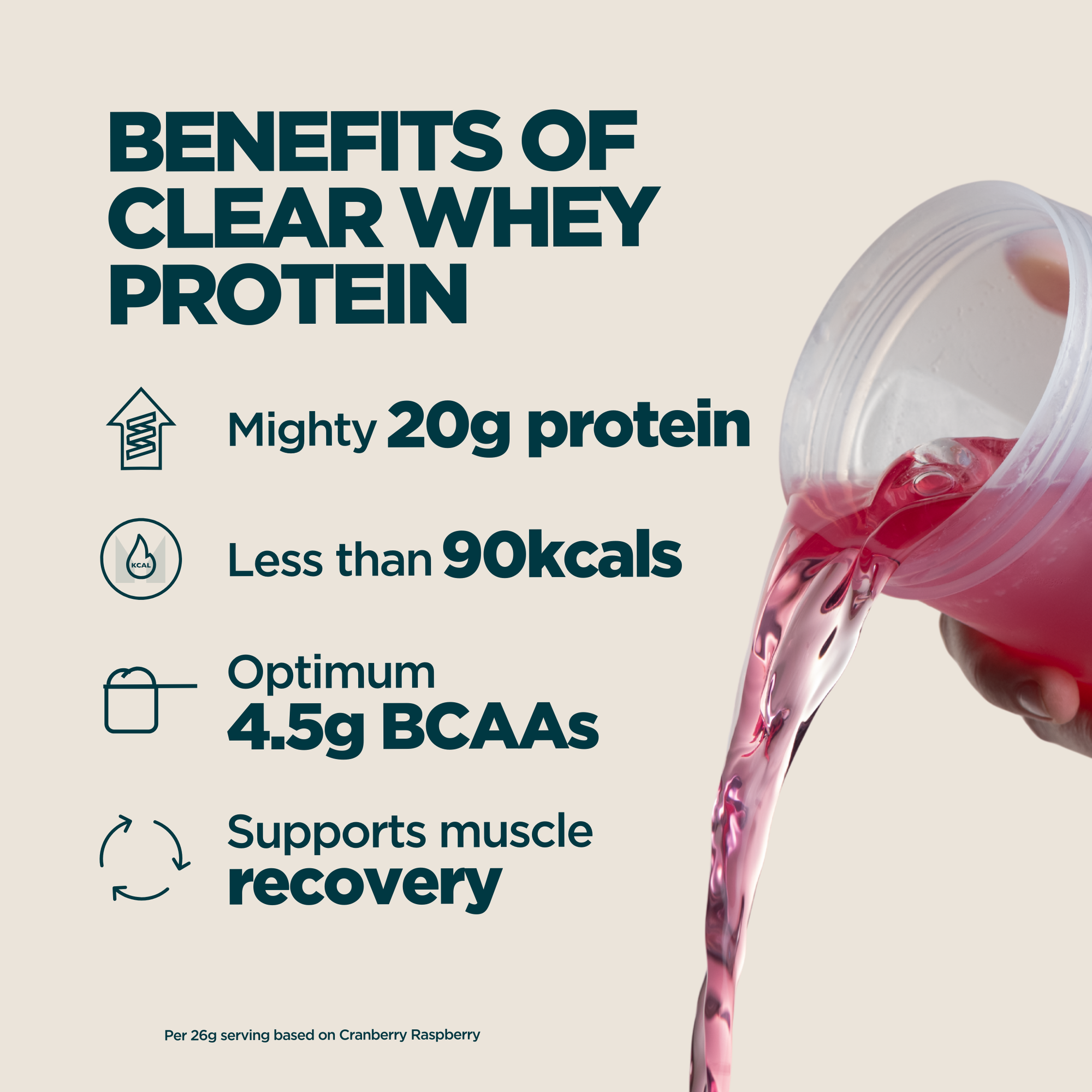
Timing your whey protein intake around muscle-building phases can optimize muscle protein synthesis, support exercise recovery, and enhance overall body composition when paired with progressive resistance training and adequate daily protein intake.
Understanding Whey Protein and Muscle Hypertrophy
Whey protein, a natural byproduct of cheese production, is widely recognized as a gold standard supplement for athletes, bodybuilders, and fitness enthusiasts pursuing muscle gain. Its high biological value, rapid digestibility, and exceptional profile of essential amino acids—particularly the branched-chain amino acid leucine—make it a powerful tool for driving muscle hypertrophy. However, navigating the myriad opinions on when to consume this supplement can be overwhelming. While total daily protein intake remains the single most important dietary factor for muscle growth, strategic timing can provide distinct physiological advantages, helping you maximize the efficiency of your workouts and recovery cycles.
To understand the best times to take whey protein, it helps to examine how the body processes amino acids. When you ingest whey protein, it is rapidly broken down and absorbed into the bloodstream, causing a swift, sharp spike in plasma amino acid concentrations. This surge, driven largely by leucine, acts as a molecular trigger that activates the mechanistic target of rapamycin complex 1 (mTORC1), the primary signaling pathway responsible for muscle protein synthesis (MPS). By aligning your whey protein consumption with periods when your body is most receptive to nutrient uptake, you can optimize the muscle-building response.
1. Immediately Post-Workout (The Anabolic Window)
The most popular and scientifically supported time to consume whey protein is immediately following a resistance training session. For years, fitness literature heavily emphasized the "anabolic window"—a narrow, fleeting timeframe of 30 to 60 minutes post-exercise during which nutrient intake was thought to be mandatory for muscle growth. Contemporary sports science views this window with more flexibility, recognizing that it remains open for a longer duration, extending several hours pre- and post-workout depending on pre-exercise meals.
Nonetheless, consuming whey protein within an hour after finishing your workout remains a highly efficient practice. Resistance training causes microscopic damage to muscle fibers and depletes intracellular energy stores, putting the muscle tissue into a catabolic (breakdown) state. Supplying a fast-digesting protein source like whey immediately afterward shifts the metabolic balance from net protein breakdown to net protein synthesis. This rapid influx of amino acids accelerates the repair of damaged muscle tissue, replenishes depleted reserves, and jump-starts the adaptation process necessary for hypertrophy.
2. Pre-Workout (Nutrient Priming)
While post-workout nutrition gets the lion's share of attention, taking whey protein before your workout is an effective strategy for optimizing performance and protecting muscle mass. Consuming a small to moderate serving of whey protein 30 to 45 minutes prior to hitting the gym ensures that circulating amino acid levels are elevated while you lift.
When you train in a fasted or low-amino-acid state, the body may break down existing muscle tissue to fuel energy demands, running the risk of a catabolic drift. Having circulating amino acids available during resistance training helps blunt this breakdown and provides the building blocks required for muscle repair the moment the workout ends. Because whey digests relatively quickly, consuming it shortly before training rarely causes the gastrointestinal discomfort or sluggishness associated with heavier whole-food meals, making it an ideal pre-workout supplement.
3. First Thing in the Morning (Breaking Overnight Fasts)
Sleep is essential for muscle recovery, but it also represents a prolonged period of fasting. During an uninterrupted night of sleep lasting seven to nine hours, your body receives no dietary protein or nutrients. Throughout this window, muscle protein synthesis slows down, and the body gradually shifts toward a catabolic state to maintain basic metabolic functions.
Consuming a serving of whey protein immediately upon waking up is an effective way to halt this overnight catabolic state. Because whey is absorbed rapidly by the body, it quickly spikes blood amino acid levels, turning off muscle breakdown and rapidly stimulating muscle protein synthesis. Combining your morning whey shake with a complex carbohydrate source can also help restore glycogen stores, preparing your body and mind for the day ahead or an upcoming training session.
4. Between Meals (Sustaining Anabolism)
For individuals struggling to hit their daily protein targets through whole foods alone, using whey protein as a between-meal snack is a practical solution. Muscle protein synthesis is maximized when amino acid levels in the blood are elevated at regular intervals throughout the day—typically every three to five hours.
Snacking on a whey protein shake between breakfast and lunch, or between lunch and dinner, helps maintain a steady stream of amino acids flowing to your skeletal muscles. This continuous supply prevents prolonged dips in blood amino acid levels, keeping the metabolic environment favorable for ongoing tissue repair and growth. Furthermore, whey protein is highly satiating, meaning it can help curb appetite and prevent overeating, supporting lean mass gains while keeping body fat accumulation in check.
5. Before Bed (Extended Recovery Support)
Using whey protein right before bed is a debated topic in sports nutrition. Traditionally, experts recommended slow-digesting proteins like micellar casein before sleep to provide a sustained, trickle-feed release of amino acids throughout the night. However, research indicates that whey protein can still play a valuable role in a pre-sleep routine, particularly for individuals who fell short of their daily protein goals or those who prefer its taste and mixability.
While whey digests faster than casein, consuming a serving before bed still contributes to the daily nitrogen balance required for muscle hypertrophy. If you choose to take whey before bed, pairing it with a source of healthy fats or fiber—such as natural peanut butter or chia seeds—can slow down its gastric emptying rate, prolonging the release of amino acids into the bloodstream during the early stages of sleep.
6. On Rest Days (Consistent Protein Synthesis)
A common misconception among beginner trainees is that protein supplements are only necessary on days you actually exercise. In reality, muscle growth and adaptation do not happen inside the gym; they happen during periods of rest and recovery, which can extend for 24 to 48 hours following an intense resistance training session.
Maintaining consistent protein intake on rest days is vital to support this ongoing repair process. Taking whey protein between meals or in the morning on your days off ensures that your muscles have a continuous supply of the building blocks necessary to rebuild stronger and larger. Treating rest days with the same nutritional discipline as training days creates an optimal environment for long-term muscle hypertrophy.
7. During Extended Training Sessions (Intra-Workout)
For advanced athletes, bodybuilders, or individuals engaging in exceptionally long, grueling resistance training sessions lasting upwards of 90 minutes, consuming whey protein during the workout (intra-workout) can be beneficial. While water and electrolytes are sufficient for shorter workouts, prolonged exertion depletes muscular energy reserves and increases systemic fatigue.
Mixing a hydrolyzed whey protein isolate into your water bottle alongside fast-digesting carbohydrates can provide a continuous trickle of amino acids to working muscles while training is still underway. This approach helps reduce perceived exertion, blunts exercise-induced muscle damage, and accelerates the recovery process even before you step out of the gym.
| Timing Strategy | Primary Physiological Benefit | Best Suited For | Digestion Speed / Absorption |
|---|---|---|---|
| Post-Workout | Maximizes muscle protein synthesis and repairs tissue damage | All resistance-trained individuals | Fast |
| Pre-Workout | Primes muscles with amino acids and prevents catabolism | Training in a fasted or semi-fasted state | Fast |
| Morning / Awakening | Halts overnight catabolic breakdown and sparks anabolism | Everyone waking up from a fast | Fast |
| Between Meals | Maintains a steady, elevated amino acid pool | Those struggling to hit daily protein targets | Moderate (when mixed with food) |
| Before Bed | Supports overnight nitrogen balance and recovery | Individuals with unfulfilled daily protein goals | Slow (if paired with fats/fiber) |
| Rest Days | Sustains tissue repair and continuous growth adaptations | All fitness goals focusing on hypertrophy | Variable |
| Intra-Workout | Supplies amino acids during prolonged, fatiguing sessions | Advanced athletes with long training blocks | Fast |
Practical Considerations and Dosage Guidelines
While identifying the best times to take whey protein helps optimize your routine, timing ultimately takes a backseat to total daily protein consumption. To maximize muscle gain, most research suggests consuming between 1.6 to 2.2 grams of protein per kilogram of body weight daily (approximately 0.8 to 1.0 grams per pound), distributed evenly across three to five meals.
For a single serving of whey protein, a standard dose of 20 to 40 grams is generally sufficient to maximally stimulate muscle protein synthesis in most adults. Exceeding this amount in a single sitting does not necessarily yield greater muscle-building benefits; the excess amino acids are simply oxidized for energy or used for other metabolic processes. Additionally, individuals with milk allergies, severe lactose intolerance, or specific digestive sensitivities should consider alternative protein powders, such as plant-based blends (pea and rice protein) or lactose-free whey protein isolate.
Frequently Asked Questions
Does the exact timing of whey protein really matter for muscle gain?
Total daily protein intake and consistent resistance training are far more important for muscle gain than precise timing. However, strategic timing—such as consuming whey post-workout or between meals—provides a helpful optimization edge, ensuring amino acid availability matches periods of high demand.
Can I take too much whey protein in one day?
While high protein intakes are generally safe for healthy individuals, consuming excessive amounts beyond your body's daily requirements offers no additional muscle-building benefits and can lead to digestive discomfort, bloating, or displace other essential macronutrients in your diet.
Is whey protein isolate better than whey protein concentrate for muscle gain?
Both forms contain high-quality amino acid profiles, but whey protein isolate undergoes additional processing to remove nearly all fat and lactose, resulting in a higher protein percentage per serving with fewer calories. Concentrate is often more economical and contains minor beneficial compounds, making your choice dependent on dietary preferences and digestive tolerance.
Should I mix whey protein with water or milk?
Mixing whey protein with water allows for faster digestion and absorption, making it ideal immediately post-workout. Mixing it with milk slows down digestion slightly due to milk's fat and casein content, while adding extra calories, protein, and carbohydrates, which can be beneficial if you are trying to bulk.
Can beginners rely solely on whey protein for muscle growth?
No supplement can replace whole foods, progressive overload training, and adequate sleep. Whey protein is simply a convenient dietary tool designed to help you reach your daily nutritional goals; it should complement a balanced diet rich in whole-food protein sources like poultry, fish, eggs, and legumes.
Next Actions for Your Muscle-Building Routine
To put these strategies into practice, evaluate your current daily protein intake and identify any gaps where your nutrition falls short. If you struggle to hit your targets, incorporate a morning or between-meal whey shake. If your post-workout nutrition is inconsistent, prioritize keeping a shaker bottle with whey protein in your gym bag so you can refuel immediately after your final set. Consistency, progressive overload, and patience remain the foundational pillars of successful muscle gain.