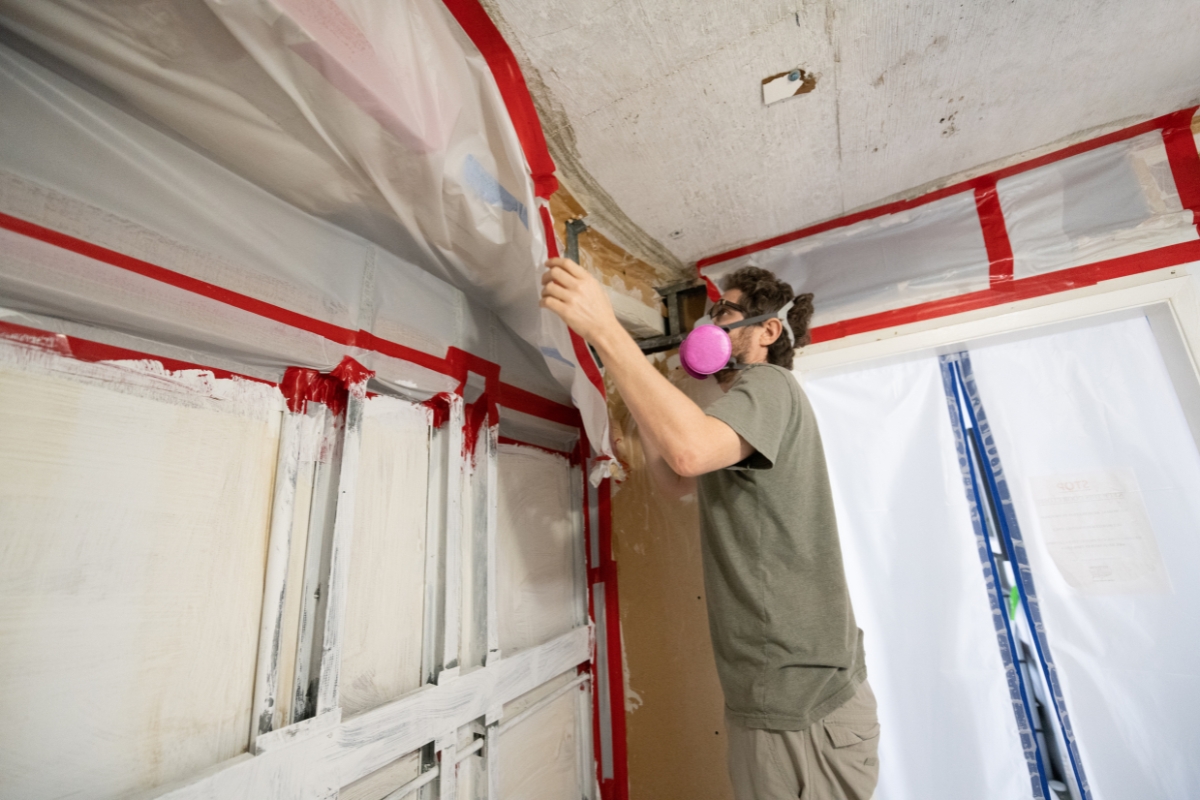
Seeking a second opinion for mold remediation is a crucial step when homeowners face high-cost estimates, conflicting contamination reports, or aggressive treatment plans that require extensive demolition. This independent assessment provides objective verification of spore types, structural impacts, and necessary protocols before signing a binding remediation contract.
When dealing with suspected fungal contamination in a residential or commercial building, the initial assessment can sometimes trigger overwhelming recommendations. Homeowners are frequently told that entire walls must be torn down, air scrubbers must run continuously for weeks, or expensive proprietary chemical treatments are mandatory. Because the indoor environmental professional (IEP) industry operates across a wide spectrum of standards and commercial incentives, obtaining a second opinion helps ensure that the proposed scope of work matches the actual severity of the infestation.
Understanding why, when, and how to pursue an objective evaluation safeguards your living space from unnecessary structural disruption and protects your finances from inflated project scopes. Below are five foundational considerations to evaluate when commissioning a secondary review of a mold remediation protocol.
1. Differentiating Between the Assessor and the Remediator
The most critical conflict of interest in the mold industry occurs when the same company or individual performs both the initial inspection (testing) and the subsequent cleanup (remediation). To secure an unbiased second opinion, you must understand how separating these roles protects property owners.
- Independent Environmental Professionals (IEPs): These specialists focus exclusively on visual inspections, moisture mapping, thermal imaging, and air or surface sampling. They do not perform physical cleanup or repairs, meaning their financial incentive is tied to diagnostic accuracy rather than the volume of demolition required.
- Remediation Contractors: These firms execute the containment, cleaning, disposal, and structural drying. While many reputable contractors maintain high ethical standards, companies that offer "free inspections" often uncover severe contamination issues that necessitate expensive remediation packages.
When seeking a second opinion, your primary goal is to hire an independent IEP who holds recognized certifications, such as a Council-certified Microbial Investigator (CMI) designation from the ACAC (American Council for Accredited Certification) or equivalent credentials. Their evaluation will provide a neutral baseline against which any contractor's estimate can be measured.
2. Evaluating the Diagnostic Accuracy of the Initial Testing
A reliable second opinion begins with verifying the accuracy and methodology of the original assessment. Mold growth is rarely random; it is almost always the direct result of an active, unaddressed moisture source. If the first inspection failed to identify the root cause of water intrusion, any proposed remediation protocol will serve only as a temporary fix.
Review the initial report against standard industry guidelines, such as those published by the IICRC (Institute of Inspection Cleaning and Restoration Certification) in the S520 Standard for Professional Mold Remediation. A comprehensive diagnostic report should include:
- Moisture Meter and Thermal Imaging Data: Precise measurements of relative humidity, dew point, and structural moisture content in framing, drywall, and subfloors.
- Source Identification: Clear documentation of whether the moisture is due to an acute plumbing leak, chronic roof infiltration, high ambient relative humidity, or condensation from HVAC deficiencies.
- Chain of Custody for Samples: If air or tape-lift samples were collected, verify that they were processed by an accredited laboratory (such as an AIHA-LAP, LLC accredited facility) and that outdoor control samples were taken to establish a baseline.
If the first inspection relied solely on a visual walkthrough without moisture meters or lab verification, a second opinion featuring rigorous diagnostic testing is essential before authorizing major work.
3. Scrutinizing the Proposed Scope of Work and Containment Protocols
Remediation estimates often feature technical jargon that can obscure whether the proposed actions are genuinely necessary. A thorough second opinion evaluates the exact scope of work to determine if the contractor's plan adheres to standard containment and removal principles.
Different categories of mold contamination require distinct levels of containment and personal protective equipment (PPE). The table below outlines how standard remediation protocols scale with the size and severity of the affected area.
| Contamination Tier | Typical Size / Extent | Standard Containment Level | Recommended Personal Protective Equipment (PPE) |
|---|---|---|---|
| Level 1 | Small isolated areas (under 10 square feet) | None required; simple damp wiping or HEPA vacuuming | N95 respirator, gloves, eye protection |
| Level 2 | Medium areas (10 to 30 square feet) | Limited containment; polyethylene sheeting with zippered access | N95 respirator, gloves, eye protection |
| Level 3 | Large areas (30 to 100 square feet) | Full containment; critical barriers, negative air pressure with HEPA filtration | Full-face PAPR or half-mask respirator with HEPA filters, disposable suit, gloves |
| Level 4 | Extensive contamination (>100 sq. ft. or HVAC systems) | Full containment, negative pressure, airlocks, decontamination chambers | Full-face respirator, Tyvek protective suit, gloves, boots |
When reviewing a second opinion, check whether the contractor has prescribed Level 3 or Level 4 containment for minor surface spots (Level 1 or 2). Over-containment significantly inflates labor hours, equipment rental fees, and overall project costs without providing additional safety benefits.
4. Distinguishing Between Cosmetic Staining and Structural Remediation
One of the most common points of friction between homeowners and remediation contractors involves the treatment of framing lumber and subflooring. When mold develops on wood surfaces, it can cause aesthetic staining while leaving the underlying structural integrity completely intact.
An objective second opinion will differentiate between:
- Surface Mildew/Mold: Fungal growth that feeds on accumulated dust, paint additives, or surface moisture without penetrating the wood matrix. This typically requires HEPA vacuuming, damp wiping with an appropriate antimicrobial agent, and thorough structural drying rather than structural replacement.
- Fungal Decay (Rot): Advanced wood-destroying fungi that break down cellulose and lignin, compromising the structural load-bearing capacity of studs, joists, or sheathing. This requires physical reinforcement or replacement of the affected framing members.
Unscrupulous contractors may label all visible discoloration as structural rot, recommending the wholesale demolition of load-bearing walls. A qualified second opinion provides physical probing and moisture analysis to confirm whether wood members are structurally compromised or merely stained.
5. Cost-Benefit Analysis and Post-Remediation Verification (PRV)
Before committing funds to a secondary remediation plan, you must analyze the total project economics, including clearance testing. A comprehensive second opinion should always emphasize the necessity of Post-Remediation Verification (PRV), also known as clearance testing.
- Independent Clearance: PRV must be conducted by the independent IEP who performed the second opinion, never by the remediation contractor who performed the work. This ensures an unbiased evaluation of whether the space has returned to normal fungal ecology.
- Visual and Analytical Criteria: Passing clearance requires that all visible dust and debris are removed, moisture levels are within acceptable dry standards, and airborne spore concentrations indoors are comparable to or lower than outdoor background levels, with no indicator species (such as Stachybotrys or Chaetomium) present in living spaces.
Weighing the cost of the second opinion inspection against the potential savings of avoiding unnecessary demolition generally favors obtaining the review. Spending a few hundred dollars on an independent assessment frequently prevents thousands of dollars in redundant or destructive repairs.
Frequently Asked Questions
Can I use my original mold test report to get a second opinion?
Yes. An independent indoor environmental professional can review laboratory data, photographs, and moisture logs from your initial test. However, if the original testing was incomplete or lacked proper outdoor controls, the second-opinion consultant may recommend supplemental sampling to establish an accurate baseline.
Should I notify my first contractor that I am getting a second opinion?
You are under no legal or contractual obligation to inform the initial contractor until you decide to cancel or modify their proposed scope of work. Many homeowners prefer to complete the second evaluation quietly to ensure they receive an uninfluenced assessment of the property's condition.
What qualifications should I look for in a second-opinion inspector?
Look for independent certifications such as ACAC's CMI (Council-certified Microbial Investigator) or CIE (Council-certified Indoor Environmentalist), or designations from the National Organization of Remediators and Mold Inspectors (NORMI). Ensure they carry professional liability and errors-and-omissions insurance specific to mold consulting.
Does homeowners insurance cover the cost of a mold remediation second opinion?
Standard homeowners insurance policies typically exclude mold remediation unless the fungal growth is the direct result of a sudden, accidental covered peril, such as a burst supply pipe. Consult your specific policy language or insurance adjuster to determine if diagnostic testing or independent expert reviews qualify for reimbursement under your claim.
How long does a mold remediation second opinion inspection take?
A thorough on-site evaluation typically ranges from one to three hours, depending on the property's square footage and the complexity of the suspected contamination sources. Laboratory sample turnaround times generally add an additional two to five business days before the final written protocol is delivered.
Final Recommendation
When facing high-cost mold remediation proposals, pause before signing contracts or authorizing destructive demolition. Retain an independent, certified indoor environmental professional to conduct a thorough diagnostic assessment and provide a second opinion on the required scope of work. By separating testing from remediation and verifying the actual moisture sources and containment needs, you ensure your home is restored safely, effectively, and cost-efficiently.