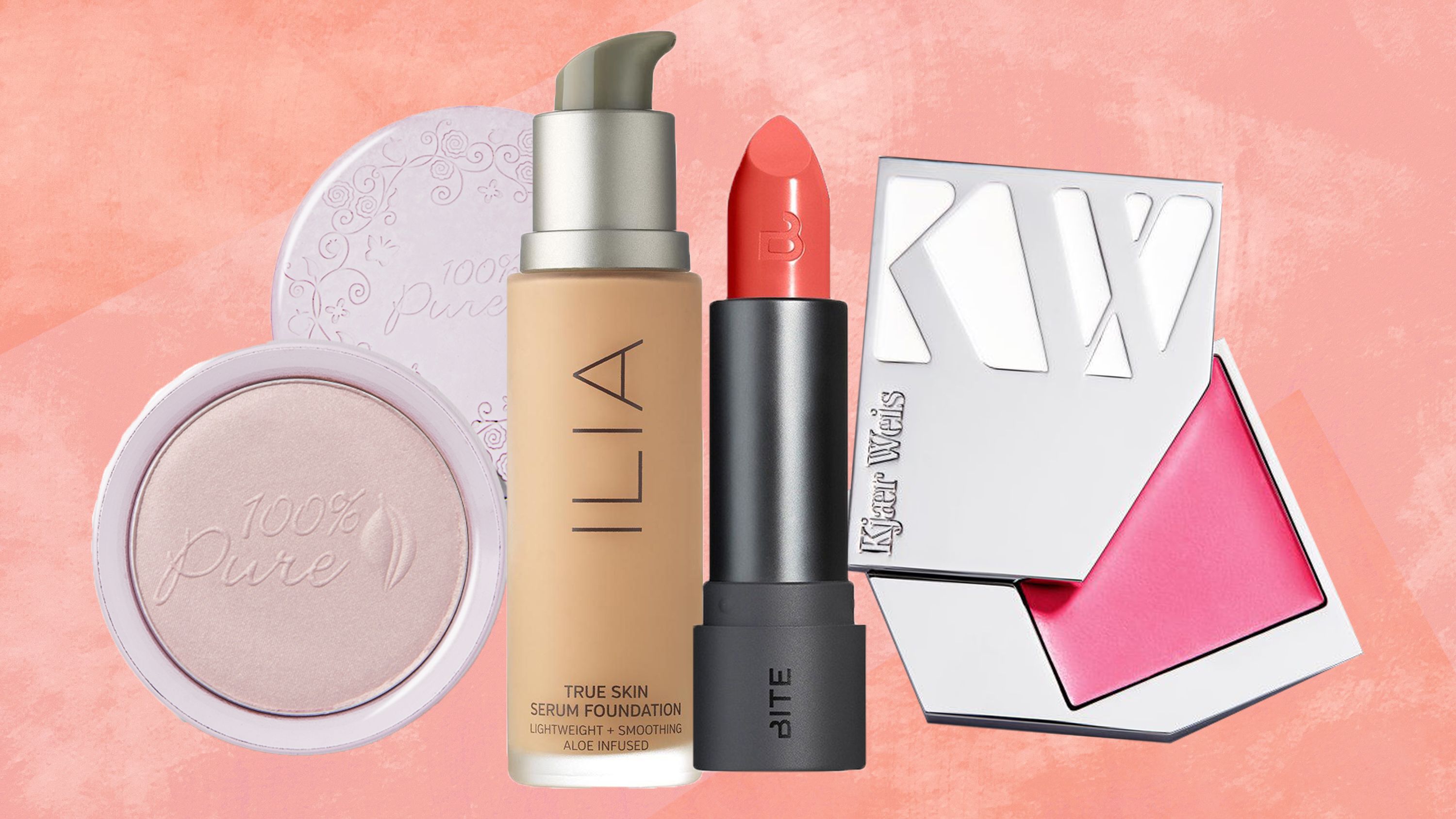
In 2024, the natural beauty industry reached a significant maturation point, shifting from niche "green" alternatives to high-performance formulas that rivaled traditional luxury cosmetics. The top five brands—ILIA Beauty, Tata Harper, OSEA Malibu, True Botanicals, and Saie—defined the year by prioritizing ingredient transparency, clinical efficacy, and sustainable packaging without compromising on professional-grade results.
The transition toward natural beauty in 2024 was not merely a trend but a fundamental shift in consumer expectations. As we look back from 2026, it is clear that 2024 was the year that "clean" beauty stopped being a marketing buzzword and started being a technical standard for the industry. Consumers began demanding rigorous third-party certifications and sophisticated formulations that could address complex skin concerns like hyperpigmentation, collagen loss, and barrier repair using only botanical and mineral-derived ingredients.
Defining the "Natural" Standard of 2024
To understand why these five brands dominated the 2024 market, one must understand the regulatory and cultural landscape of that time. Unlike the early 2010s, where "natural" often meant simple oils and waxes, the 2024 standard involved biotechnology. Brands were utilizing lab-grown botanical actives and fermented ingredients to increase potency while maintaining a "clean" profile.
In 2024, the industry generally followed the "Clean at Sephora" or "Credo Clean Standard," which prohibited ingredients such as parabens, sulfates (SLS and SLES), phthalates, mineral oils, and formaldehyde-releasing agents. However, the top brands went further, achieving Leaping Bunny certification for animal welfare and often seeking B Corp status to prove their social and environmental impact.
The Role of Ingredient Transparency
A key differentiator for the top brands was the "full disclosure" movement. In 2024, it was no longer sufficient to list "fragrance" on a label. Leading brands began breaking down every component of their scent profiles, often using essential oils or isolates derived from plants, ensuring that those with sensitivities could make informed choices. This transparency extended to the sourcing of mica (ensuring ethical labor) and the use of RSPO-certified palm oil.
1. ILIA Beauty: The Leader in Clean Color
ILIA Beauty remained the undisputed champion of the "skincare-as-makeup" category in 2024. Their philosophy centered on the idea that makeup should not just cover the skin but actively improve its health over time. This resonated deeply with the 2024 consumer who favored the "clean girl aesthetic"—a look characterized by dewy, healthy-looking skin and minimal visible product.
Hero Product: Super Serum Skin Tint SPF 40
The Super Serum Skin Tint was arguably the most influential product of the year. It combined non-nano zinc oxide (for sun protection) with a blend of hyaluronic acids, plant-based squalane, and niacinamide. This formulation was revolutionary because it bypassed the traditional "chalky" feel of mineral sunscreens, providing a weightless, silken finish that appealed to all skin types.
Technical Formulation and Sustainability
ILIA utilized non-nano zinc oxide, which is safer for marine ecosystems and less likely to be absorbed into the bloodstream than chemical filters. In 2024, the brand also made significant strides in circularity, partnering with recycling programs to ensure that their multi-material components—like pumps and droppers—didn't end up in landfills. Their commitment to using recycled aluminum and glass helped set the pace for the rest of the prestige beauty market.
2. Tata Harper: The "Queen of Green" Luxury
If ILIA won on everyday wearability, Tata Harper won on uncompromising luxury and "farm-to-face" authenticity. Operating from a 1,200-acre farm in Vermont, the brand controlled nearly every aspect of production, from growing ingredients to bottling the final product.
The Power of Complex Formulas
Unlike many brands that use one or two "star" ingredients, Tata Harper’s 2024 formulations often featured over 30 bioactive botanicals in a single bottle. The brand avoided "fillers" (like water or synthetic polymers), opting instead for floral hydrosols and plant-derived esters. This high concentration of actives justified the premium price point for consumers looking for visible anti-aging results without synthetic retinols.
Hero Product: Regenerating Cleanser
This product served as a cornerstone of the natural beauty movement in 2024. It functioned as a daily BHA (Beta Hydroxy Acid) exfoliator using apricot microspheres and white willow bark. This mechanical and chemical exfoliation combination was designed to polish the skin without disrupting the delicate microbiome, a major focus of dermatological research during that period.
3. OSEA Malibu: Seaweed-Based Innovation
OSEA (Ocean, Sun, Earth, Atmosphere) was one of the first brands to achieve climate-neutral status, and in 2024, it led the pack in vegan, ocean-derived skincare. Their specialty lay in the use of Gigartina Skottsbergii, a red algae known for its incredible hydrating properties and mineral density.
Marine-Based Bio-Actives
The brand’s technical depth in 2024 was found in their fermentation processes. By fermenting seaweed, they were able to break down its molecular structure, making the minerals and antioxidants more bioavailable to human skin. This focus on "bio-fermentation" was a major trend that OSEA helped pioneer, bridging the gap between nature and laboratory science.
Hero Product: Undaria Algae Body Oil
In 2024, body care became just as important as facial skincare. The Undaria Algae Body Oil became a viral sensation, not just for its scent, but for its efficacy in firming and hydrating the skin. The oil was infused for weeks in barrels of seaweed, allowing the fat-soluble vitamins to leach into a blend of acai, babassu, and rice bran oils. This traditional infusion method, combined with modern safety standards, made it a standout product.
4. True Botanicals: The Clinical Naturalist
True Botanicals spent 2024 proving that "natural" could outperform "synthetic" in independent clinical trials. Their focus was on replacing common irritants with biocompatible alternatives that the skin could easily recognize and utilize.
Chebula: The Breakthrough Ingredient
While the rest of the industry was focused on Vitamin C, True Botanicals championed Chebula, an Ayurvedic fruit and one of the most bioactive antioxidants in the world. In 2024, their Chebula Active Serum was clinically shown to outperform traditional anti-aging serums in reducing the appearance of fine lines and evening skin tone. Chebula is a "cascading antioxidant," meaning it stays active in the skin longer than traditional Vitamin C, which can oxidize quickly.
Sustainability and Safety
True Botanicals was one of the few brands to be MADE SAFE® certified, one of the most rigorous scientific screenings in the industry. This certification ensured that every product was free from over 6,500 prohibited ingredients known to be toxic to human health or the environment. This level of verification was essential for the discerning 2024 consumer who was wary of "greenwashing."
5. Saie: High-Performance Minimalism
Saie (pronounced "say") emerged as the breakout star for younger demographics in 2024. They bridged the gap between the ultra-luxury pricing of Tata Harper and the mass-market natural brands, offering "cool-girl" packaging with high-integrity ingredients.
The "Big Clean" Standard
Saie’s internal "The Big Clean" list prohibited over 2,000 ingredients. Their focus was on texture and performance; they wanted their products to feel like traditional high-end makeup while being entirely biodegradable. They heavily utilized plant-derived glycerin and sugarcane-derived squalane to achieve the "slip" and "glow" usually provided by silicones.
Hero Product: Glowy Super Gel
In 2024, the Glowy Super Gel was a staple for achieving a luminous base. It was formulated with 75% water and contained papaya seed oil and Vitamin C. Its success was due to its versatility; it could be used as a primer, a highlighter, or mixed into foundation. This "multi-use" philosophy was a hallmark of 2024 beauty, as consumers sought to streamline their routines and reduce waste.
Comparative Analysis of 2024 Natural Beauty Leaders
The following table compares the primary focus areas and price points of these five leading brands as they stood in 2024.
| Brand | Primary Focus | Signature Ingredient | Price Range | Key Certification |
|---|---|---|---|---|
| ILIA Beauty | Skincare-First Makeup | Squalane / Zinc Oxide | Mid-High ($30–$60) | Leaping Bunny |
| Tata Harper | Botanical Luxury | Estate-Grown Herbs | High ($80–$250+) | EcoCert / B Corp |
| OSEA Malibu | Seaweed Skincare | Undaria Algae | Mid-High ($40–$100) | Climate Neutral / Vegan |
| True Botanicals | Clinical Efficacy | Chebula | High ($90–$150) | MADE SAFE® |
| Saie | Modern Minimalism | Sugarcane Squalane | Accessible ($25–$50) | Leaping Bunny / B Corp |
Why 2024 Was a Turning Point for Clean Beauty
Prior to 2024, many consumers felt they had to choose between products that were "safe" and products that "worked." The brands mentioned above eliminated that compromise. Several factors contributed to this shift:
- Biotechnology: The use of lab-synthesized natural ingredients (like bio-identical squalane or yeast-derived collagen) allowed for consistency and potency that wild-harvested ingredients couldn't always match.
- Refillable Systems: 2024 saw a massive surge in refillable packaging. Tata Harper and OSEA, in particular, introduced glass-and-stainless-steel refill systems that reduced plastic waste by up to 80% per unit.
- Microbiome Health: There was a move away from "stripping" the skin. All five of these brands focused on maintaining the skin's acid mantle and beneficial bacteria, leading to a decline in the use of harsh sulfates and high-percentage alcohol denat.
- Inclusive Shade Ranges: Historically, natural makeup brands struggled with inclusive pigment ranges due to the limitations of mineral oxides. By 2024, ILIA and Saie had cracked the code, offering 30+ shades that catered to deep skin tones without looking ashy or grey.
Identifying Authentic Natural Brands: A Guide for Consumers
Even in 2024, "greenwashing" remained a challenge. To distinguish the best brands from those simply using green marketing, experts pointed to several "verification pillars":
- Third-Party Logos: Look for the EWG Verified, COSMOS, or B Corp stamps. These indicate that an outside organization has audited the brand’s claims.
- The First Five Ingredients: In any skincare product, the first five ingredients make up roughly 80% of the formula. If the first ingredient is "Aqua" (water) followed by several synthetic thickeners, the "natural" extracts listed at the bottom are likely present in negligible amounts.
- Packaging Materials: High-quality natural brands in 2024 prioritized glass, aluminum, or post-consumer recycled (PCR) plastic. They also moved away from unnecessary outer boxes and plastic cello-wrap.
Frequently Asked Questions
Is "natural" beauty always safer than synthetic beauty?
Not necessarily. The term "natural" is not strictly regulated by the FDA. A "natural" product can contain heavy metals in mineral pigments or irritating essential oils. However, the top brands of 2024 used formulation science to ensure their natural ingredients were stable, non-toxic, and dermatologically tested. For those with specific allergies, synthetic ingredients are sometimes more predictable, but clean beauty brands prioritize "biocompatible" ingredients that the skin can metabolize effectively.
Why were these brands more expensive in 2024?
Natural ingredients are often more expensive to source and stabilize than their synthetic counterparts. For example, high-quality botanical oils like prickly pear or rosehip require extensive harvesting and cold-pressing, whereas mineral oil is a cheap byproduct of the petroleum industry. Additionally, the certifications (like B Corp) and sustainable packaging (like Italian glass) utilized by these brands added to the production costs.
Did natural makeup last as long as traditional makeup in 2024?
By 2024, natural makeup longevity had improved significantly. While natural brands avoided silicones (which provide "staying power" in traditional makeup), they replaced them with film-forming natural resins and plant waxes. These provided excellent wear-time without clogging pores or causing environmental damage.
Can natural brands treat acne and aging?
Yes. In 2024, brands like True Botanicals and Tata Harper used natural salicylates (from willow bark) to treat acne and bakuchiol (a plant-based retinol alternative) to treat aging. Clinical studies throughout the year showed that these ingredients provided similar results to their synthetic counterparts (salicylic acid and retinol) with significantly less irritation.
Practical Steps for Transitioning to Natural Beauty
If you are looking to adopt a more natural routine based on the standards set in 2024, the best approach is a "phased replacement." You do not need to discard your entire vanity at once.
- Start with Leave-on Products: Prioritize replacing products that sit on your skin all day, such as moisturizer, serum, and foundation. This reduces your total "chemical load" most effectively.
- Check the EWG Skin Deep Database: This is a reliable resource for checking the safety ratings of individual ingredients.
- Look for Multi-Taskers: Brands like Saie and ILIA specialized in products that replaced three steps with one (e.g., a tinted moisturizer with SPF and serum). This makes the transition more affordable and sustainable.
By focusing on these top five brands, consumers in 2024 were able to achieve professional-level results while supporting ethical business practices and environmental stewardship. Their success paved the way for the even more advanced, regenerative beauty standards we see today in 2026.