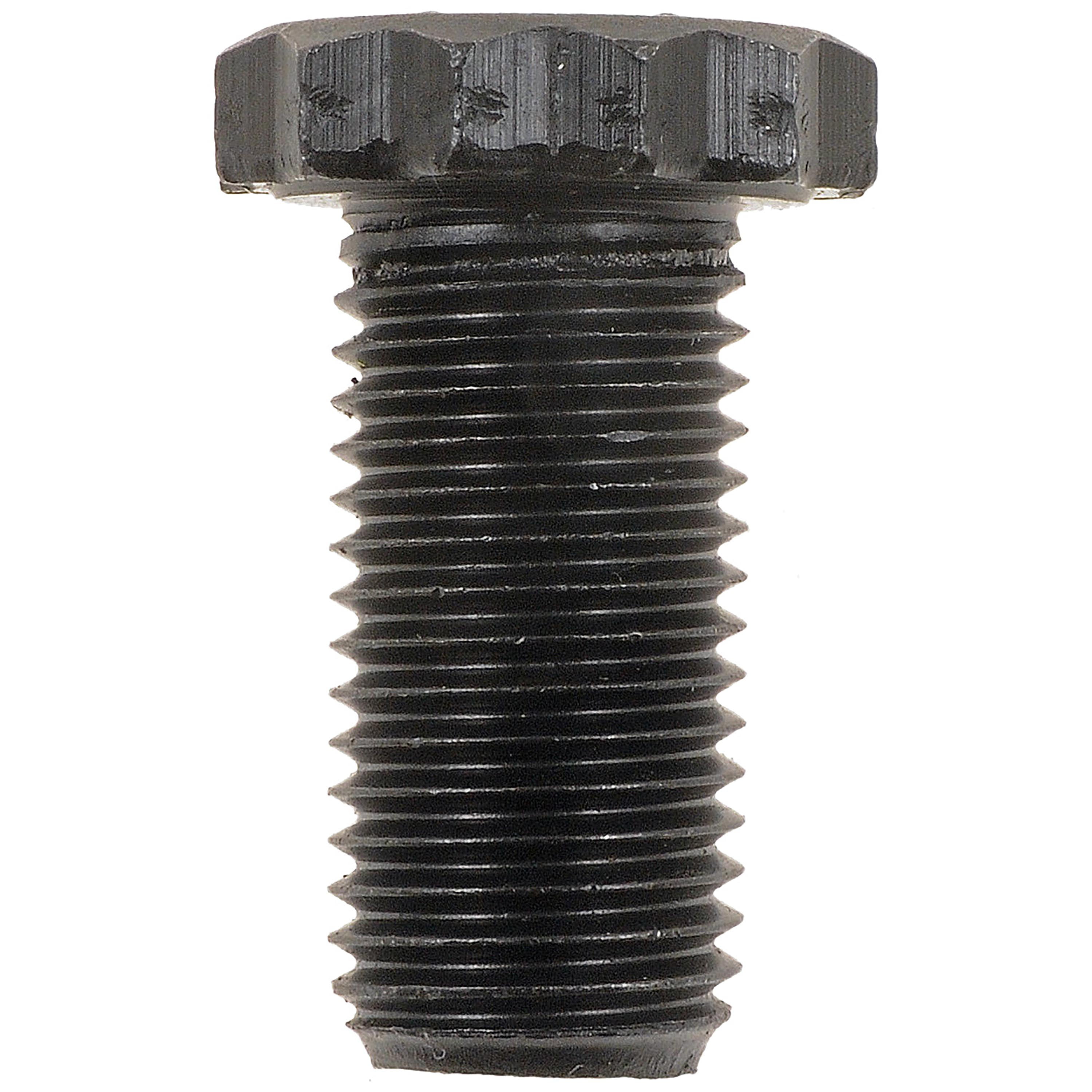
The 2003 Ford Ranger features a 5x4.5-inch (5x114.3mm) wheel bolt pattern across all standard configurations, paired with a 70.5mm center bore and 1/2"-20 wheel studs. Understanding these precise wheel specifications is crucial for safely selecting replacement rims, upgrading to aftermarket wheels, or installing correct wheel spacers.
Selecting wheels for a vintage or modern classic compact truck like the 2003 Ford Ranger requires meticulous attention to factory specifications. Whether you are replacing a rusted steel wheel, restoring an old XLT model, or outfitting an Edge or Tremor package with a fresh set of aftermarket alloys, understanding the exact wheel bolt pattern is non-negotiable. Using an incorrect bolt pattern or failing to match the center bore and thread pitch can lead to catastrophic wheel separation, severe vibrations, or premature suspension wear. This guide explores the mechanical nuances of the 2003 Ford Ranger wheel architecture, providing you with everything you need to know to safely modify or maintain your vehicle.
Understanding Wheel Bolt Patterns: The Basics
A wheel bolt pattern, frequently referred to as a bolt circle, is defined by two distinct measurements: the total number of bolt holes and the diameter of the imaginary circle drawn through the center of those holes. For the 2003 Ford Ranger, the designation is 5x4.5 inches, which is mathematically identical to 5x114.3 millimeters.
In this configuration, the "5" indicates that there are five individual lug holes distributed evenly around the hub mounting face. The "4.5" or "114.3" indicates that if you measure from the center of one lug hole directly across the hub to the outer edge of the opposite hole on a 5-lug pattern, the distance is exactly 4.5 inches or 114.3 millimeters. This specific pattern is one of the most common bolt configurations in automotive history, sharing compatibility with a vast array of rear-wheel-drive Ford cars, modern Mustangs, and numerous Japanese import vehicles. However, shared bolt patterns do not automatically guarantee universal wheel interchangeability due to variations in offset, backspacing, and center bore diameters.
2003 Ford Ranger Specifics: Beyond the Bolt Pattern
While the 5x4.5-inch bolt pattern is standard across the vast majority of 2003 Ford Ranger models, changing wheels involves several other critical dimensions. Ignoring these secondary measurements can result in wheels that rub against brake calipers, stick out too far past the fenders, or fail to center correctly on the vehicle's axle hub.
Center Bore Diameter
The center bore is the machined hole in the exact middle of the wheel that rests directly upon the vehicle's hub lip. The hub-centric design of factory wheels transfers the weight of the truck onto the hub rather than relying entirely on the shear strength of the wheel studs.
- Factory Center Bore: The 2003 Ford Ranger features a hub center bore of 70.5 mm.
- Implications for Aftermarket Wheels: If you purchase aftermarket wheels with a larger center bore (such as 73.1 mm), the wheel is considered "lug-centric." While functional, you should use hub-centric rings to bridge the gap and prevent high-speed steering wheel vibrations. Never install a wheel with a center bore smaller than 70.5 mm unless it is professionally machined to fit.
Wheel Stud Thread Pitch
When mounting new wheels, the lug nuts must match the exact thread pitch of the factory wheel studs. The 2003 Ford Ranger utilizes 1/2"-20 wheel studs. Attempting to force metric lug nuts (such as M12x1.5) onto these studs will strip the threads, compromising wheel security. Additionally, ensure you select the correct seat style for your lug nuts—factory Ford aluminum wheels typically utilize a flat washer or acorn style seat, while many aftermarket wheels require a 60-degree conical taper seat.
Model-Specific Variations and 4WD vs. 2WD Differences
A common point of confusion among Ford Ranger owners is whether four-wheel-drive (4WD) and two-wheel-drive (2WD) models utilize different wheel configurations.
During the 2003 model year, Ford produced several trim levels, including the XL, XLT, and the rugged Edge package (which featured a raised suspension mimicking the 4WD stance on a 2WD platform). Despite the differences in ride height, gross vehicle weight ratings, and brake configurations between base 2WD models and heavy-duty 4WD or Edge models, all standard 2003 Ford Rangers retain the 5x4.5-inch (5x114.3mm) bolt pattern and 70.5mm center bore.
| Trim Level / Drivetrain | Bolt Pattern | Center Bore | Thread Pitch | Factory Wheel Size |
|---|---|---|---|---|
| Base XL / XLT (2WD) | 5 x 4.5" (5x114.3mm) | 70.5 mm | 1/2"-20 | 14" or 15" Steel/Alloy |
| XLT / Edge (4WD) | 5 x 4.5" (5x114.3mm) | 70.5 mm | 1/2"-20 | 15" or 16" Alloy |
| Ranger EV (Electric) | 5 x 4.5" (5x114.3mm) | 70.5 mm | 1/2"-20 | 16" Aluminum |
Note: The rare Ford Ranger EV (Electric Vehicle) produced in limited quantities through the early 2000s also maintained the standard 5x4.5-inch bolt pattern, though its unique weight distribution and regenerative braking system required specific load-rated tires.
Common Wheel Upgrade and Replacement Options
Because the 5x4.5-inch bolt pattern is ubiquitous, owners of the 2003 Ford Ranger have access to a wide marketplace of replacement and upgrade wheels. However, selecting an aftermarket wheel requires careful calculation of wheel offset and backspacing.
Offset and Backspacing Constraints
Offset is the distance from the mounting surface of the wheel to the true centerline of the wheel.
- Factory Offset: Typically ranges from +12mm to +20mm depending on the original rim width (usually 6 inches or 7 inches wide).
- Negative vs. Positive Offset: Choosing a wheel with a heavily negative offset will push the tires outward, causing them to project past the fenders and potentially rub against the inner plastic wheel liners or front valance during sharp turns, especially on stock-height 2WD models. Conversely, excessive positive offset can cause the inside tire sidewall to rub against the upper control arm or front sway bar.
Interchangeability with Other Vehicles
Many truck and car enthusiasts look for junkyard wheel swaps to save money. While the 5x4.5 bolt pattern is shared with vehicles like the Ford Explorer (1991–2001) and older Ford Mustangs, you must verify two critical elements before bolting them onto a 2003 Ranger:
- Load Rating: Car wheels (such as those from a Mustang) are engineered for significantly lower weight capacities than a compact utility truck. Installing passenger car wheels on a Ranger utilized for hauling or towing can lead to structural wheel failure.
- Center Bore Clearance: Explorer wheels generally match the 70.5mm center bore, but older Jeep or aftermarket wheels may require hub modifications.
Step-by-Step Guide to Measuring an Unknown Bolt Pattern
If you suspect your 2003 Ford Ranger has modified axles or you are looking at loose wheels of uncertain origin, never guess the bolt pattern. Measure it manually using a caliper or tape measure.
- Prepare the Wheel: Place the wheel flat on the ground with the mounting face pointing upward.
- Count the Lugs: Confirm that there is an odd number of lug holes (5 holes).
- Measure a 5-Lug Pattern: Unlike 4-lug or 6-lug patterns where you measure directly across center-to-center from opposite holes, a 5-lug pattern requires measuring from the outer edge of one hole to the center of the second hole across the hub, or using a specialized bolt pattern gauge tool.
- Verify Metric Conversion: If your measurement yields approximately 4.5 inches, convert it to millimeters ($4.5 \times 25.4 = 114.3$) to confirm it is a standard 5x114.3mm fitment.
Frequently Asked Questions
Will wheels from a newer Ford Ranger fit a 2003 model?
No. Modern Ford Rangers (2019 and newer) utilize a completely different metric bolt pattern—6x139.7mm (6x5.5 inches)—along with a different center bore and thread pitch. They are entirely incompatible with a 2003 model without custom adapter plates.
Do I need special lug nuts when installing aftermarket wheels?
Yes, in most cases. Factory Ford wheels often use a proprietary shank-style or flat-washer lug nut mated to steel inserts or OEM alloy seats. Most aftermarket aluminum wheels require a 60-degree conical acorn lug nut to distribute clamping force evenly into the chamfered wheel holes.
Can I use wheel spacers on my 2003 Ford Ranger?
You can use wheel spacers, but safety is paramount. Stick to high-quality, hub-centric spacers made from billet aluminum that bolt directly to the factory studs, utilizing their own secondary studs for the wheel. Avoid cheap slip-on spacers that reduce thread engagement on your factory 1/2"-20 wheel studs.
What is the maximum tire size I can fit on stock 2003 Ranger wheels?
On a stock 2D or 4WD suspension, a 31x10.50R15 tire is generally considered the maximum size that will fit without rubbing on the sway bars or inner fenders during full steering lock. Edge and 4WD models with factory lift blocks accommodate this size more easily than base 2WD models.
Practical Next Actions and Safety Recommendations
When buying new wheels or tires for your 2003 Ford Ranger, always verify the load index rating stamped on the inner rim barrel to ensure it meets or exceeds Ford's original factory specifications. Once installed, torque all wheel lug nuts in a star pattern to the manufacturer's specified torque limit (typically 85 to 100 ft-lbs for 1/2"-20 studs), and re-torque the lugs after driving the first 50 to 100 miles.