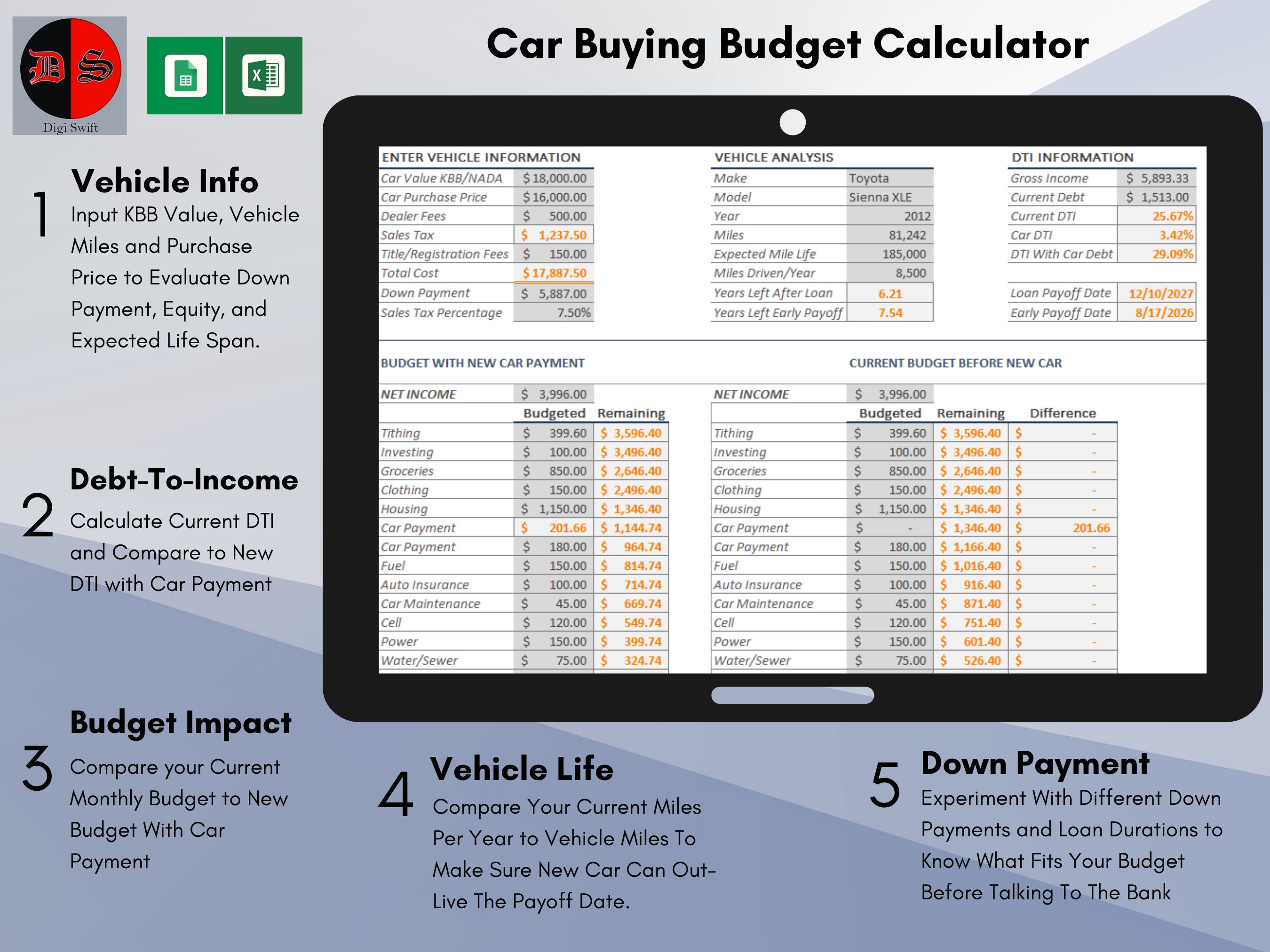
Buying a car in 2026 requires a structured approach that balances financial discipline with thorough technical evaluation. The seven practical steps involve establishing a comprehensive budget, defining your specific vehicle requirements, conducting deep market research, securing competitive financing, performing rigorous inspections and test drives, negotiating the final price, and meticulously completing the legal documentation.
The automotive landscape has evolved significantly, with a diverse mix of internal combustion engines (ICE), hybrids, and electric vehicles (EVs) competing for consumer attention. Navigating this market is no longer just about kicking tires; it is about understanding software integration, battery health, and long-term depreciation cycles. Whether you are purchasing your first vehicle or upgrading to a newer model, following a standardized process mitigates risk and ensures that your investment provides reliable transportation for years to come.
Step 1: Establish a Realistic Total Ownership Budget
The most common mistake in car buying is focusing solely on the monthly payment rather than the total cost of ownership (TCO). In 2026, vehicle prices and operating costs remain significant factors in household planning. Before browsing listings, you must determine exactly how much you can afford without compromising your financial stability.
The 20/4/10 Rule
A time-tested guideline for vehicle budgeting is the 20/4/10 rule. This suggests a down payment of at least 20%, a financing term of no more than four years (48 months), and total monthly transportation costs—including loan payments, insurance, and fuel—that do not exceed 10% of your gross monthly income. While some lenders offer 72-month or 84-month loans, these often lead to "negative equity," where you owe more than the car is worth as it depreciates.
Accounting for Hidden Costs
Beyond the sticker price, you must calculate the recurring expenses that fluctuate based on the vehicle type.
- Insurance Premiums: Rates in 2026 are influenced heavily by the vehicle's safety tech and repairability. High-tech sensors in modern bumpers make even minor fender-benders expensive to fix, driving up premiums.
- Maintenance and Repairs: EVs generally have lower routine maintenance costs (no oil changes or spark plugs), but tires often wear out faster due to the increased weight of the battery. ICE vehicles require traditional mechanical upkeep.
- Fuel and Energy: Compare the cost of home charging versus public charging or traditional gasoline.
- Depreciation: This is the largest "hidden" cost. Research which brands and models hold their value best over a five-year period.
Step 2: Define Your Vehicle Needs vs. Wants
With the budget set, the next step is to perform a lifestyle audit. It is easy to be swayed by a car’s aesthetic or a specific high-tech feature, but the vehicle must serve your daily functional requirements to be a "practical" purchase.
Assessing Usage Patterns
Consider your primary use case. Are you a solo commuter who drives 40 miles a day, or a parent needing to haul three children and sports equipment?
- Seating and Cargo: Do you truly need a third row, or would a spacious two-row SUV suffice?
- Drivetrain and Terrain: If you live in a region with heavy snowfall, All-Wheel Drive (AWD) might be a necessity. However, for urban driving in mild climates, Front-Wheel Drive (FWD) is often more fuel-efficient and less expensive.
- Towing Capacity: If you own a boat or a trailer, verify the maximum towing capacity and the payload limits, ensuring they exceed your actual needs for safety.
Choosing the Power Source
In 2026, the choice between ICE, Hybrid, and EV is more complex than ever.
- Internal Combustion: Best for those with limited access to charging and those who frequently take long-distance road trips into remote areas.
- Hybrid/Plug-in Hybrid (PHEV): Provides a "best of both worlds" scenario, offering electric-only ranges for short trips and gasoline backup for long hauls.
- Electric Vehicles: Ideal for homeowners with the ability to install a Level 2 charger. EVs offer superior torque and lower operating costs but require a different approach to trip planning.
Step 3: Conduct Comprehensive Market Research
Once you know the type of car you need, begin narrowing down specific makes and models. Use independent data to verify reliability and safety rather than relying on manufacturer marketing.
Leveraging Reliability Ratings
Consult resources such as Consumer Reports, J.D. Power, and various automotive forums to identify common mechanical failures or software glitches for specific model years. In 2026, particular attention should be paid to the reliability of infotainment systems and Advanced Driver Assistance Systems (ADAS), as these are now the most frequent sources of consumer complaints.
New vs. Used vs. Certified Pre-Owned (CPO)
Deciding the "age" of the car is a critical strategic move.
| Feature | New Car | Used Car | Certified Pre-Owned (CPO) |
|---|---|---|---|
| Initial Cost | Highest | Lowest | Mid-Range |
| Depreciation | Steep (20% in year 1) | Minimal | Moderate |
| Warranty | Full Factory Warranty | Often Expired | Extended Factory Warranty |
| Technology | Most Current | Varies by Year | Recent (Last 3-5 years) |
| Condition | Pristine | "As-Is" | Multi-point Inspected |
Determining Fair Market Value
Use valuation tools like Kelley Blue Book (KBB) or Edmunds to find the "Fair Purchase Price." This is the average price others in your area are paying for the same vehicle. Armed with this number, you can enter negotiations with a data-backed anchor point.
Step 4: Secure Financing and Insurance Quotes
Never wait until you are at the dealership to think about financing. Dealers often make significant profit on the "spread" between the interest rate the bank gives them and the rate they offer you.
Pre-Approval is Power
Visit your local bank or credit union to obtain a pre-approved loan. This gives you a "blank check" and a firm interest rate. When you go to the dealership, you can ask them to beat your pre-approved rate. If they cannot, you already have your financing secured. This shifts the negotiation focus back to the vehicle’s price rather than the monthly payment.
Understanding Your Credit Score
Your credit tier significantly impacts your Annual Percentage Rate (APR). In the 2026 credit market, even a small 50-point difference in your credit score can result in thousands of dollars in interest over the life of a 48-month loan. Obtain your credit report early and dispute any inaccuracies before applying for a car loan.
The Insurance "Dry Run"
Before committing to a specific VIN, call your insurance provider for a quote. Some vehicles, particularly certain high-performance models or EVs with expensive battery components, carry surprisingly high insurance premiums. Knowing this cost beforehand prevents "sticker shock" after the purchase.
Step 5: The Physical Inspection and Test Drive
The test drive is your primary opportunity to identify flaws that a glossy online listing might hide. It should be a clinical evaluation, not a joyride.
The "Cold Start" and Exterior Check
If possible, arrive at the dealership or the seller's home early to ensure the engine is "cold." A warm engine can hide starting issues or initial smoke from the exhaust.
- Exterior: Look for mismatched paint panels (a sign of previous accidents) and check the tire tread depth. Uneven tire wear can indicate alignment or suspension problems.
- Fluid Levels: Check the oil, coolant, and brake fluid. Dark, gritty oil or low coolant levels suggest a lack of maintenance.
The Test Drive Checklist
Do not let the salesperson distract you with the radio or climate control during the drive.
- Low-Speed Maneuvering: Turn the wheel fully to both sides to check for clicking sounds from the CV joints.
- Highway Speeds: Accelerate to 65 mph. Watch for vibrations in the steering wheel or seats, which indicate balancing or drivetrain issues.
- Braking: Apply the brakes firmly (where safe). The car should stop straight without pulsing or squealing.
- Technology Check: Test every button. Ensure the ADAS (lane-keep assist, adaptive cruise control) functions as intended without throwing error codes.
The Professional Pre-Purchase Inspection (PPI)
For used vehicles, hiring an independent mechanic for a PPI is the single best investment you can make. For roughly $150–$250, a professional can put the car on a lift and identify leaks, frame damage, or worn bushings that are invisible from the curb.
Step 6: Master the Negotiation Process
Negotiation is a psychological game of information. The person with the most data and the willingness to walk away usually wins.
Focus on the "Out-the-Door" Price
Salespeople often try to negotiate based on the "monthly payment." Avoid this. A dealer can give you a low monthly payment by extending the loan term to 84 months, but you will pay far more in the long run. Negotiate the Out-the-Door (OTD) price, which includes the vehicle price, sales tax, documentation fees, and registration.
Handling Add-ons and the "F&I" Room
Once you agree on a price, you will be sent to the Finance and Insurance (F&I) office. This is where the dealer attempts to sell high-margin add-ons like:
- Extended Warranties: Often unnecessary if the car is reliable or still under factory warranty.
- Gap Insurance: Only necessary if your down payment was less than 20%.
- Fabric Protection/VIN Etching: Usually overpriced and can be done elsewhere for a fraction of the cost.
- Documentation Fees: Some states cap these fees, while others do not. Verify the local legal limit.
The Power of Walking Away
If the numbers do not align with your research or the dealer adds "market adjustment" fees that weren't disclosed, be prepared to leave. There are thousands of cars on the market; do not let emotional attachment to a specific vehicle lead to a poor financial decision.
Step 7: Finalizing the Paperwork and Delivery
The final step is the most legally significant. In 2026, much of this may be handled digitally, but the scrutiny required remains the same.
Verifying the Title and VIN
Ensure the Vehicle Identification Number (VIN) on the dashboard matches the VIN on the title and the sales contract. For private sales, ensure there are no liens on the title. If the seller owes money on the car, the bank holds the title, and the transaction must be coordinated through that financial institution to ensure the lien is released.
Reviewing the Bill of Sale
The Bill of Sale should clearly state the purchase price, the odometer reading at the time of sale, and whether the car is being sold "As-Is" or with a warranty. In the United States, "Lemon Laws" vary by state and often only apply to new vehicles. For used cars, once you sign the "As-Is" clause, you are responsible for any mechanical failures that occur the moment you drive off the lot.
Immediate Post-Purchase Steps
- Registration: Most states require registration within 10 to 30 days.
- Sales Tax: Be prepared to pay sales tax at the DMV if it wasn't collected by the dealer.
- Maintenance Baseline: For a used car, perform an immediate oil change and filter replacement so you have a "Day Zero" record for your maintenance log.
Frequently Asked Questions
Should I trade in my old car or sell it privately?
Selling a car privately almost always yields a higher price, often 15-20% more than a dealer's trade-in offer. However, trading in a car is significantly more convenient and can offer tax advantages. In many jurisdictions, you only pay sales tax on the difference between the new car's price and your trade-in value. If your car is worth $10,000 and the new car is $30,000, you only pay tax on $20,000. Calculate whether the tax savings outweigh the lower trade-in offer.
Is an extended warranty worth the cost for a 2026 vehicle?
Extended warranties are essentially insurance policies. For brands with lower reliability scores or highly complex electronic systems, they can provide peace of mind. However, statistically, most consumers pay more for the warranty than they ever receive in repairs. If you choose one, ensure it is an "exclusionary" policy (covering everything except a short list of items) rather than a "stated component" policy, and prefer manufacturer-backed warranties over third-party ones.
How does the 2026 EV tax credit system work?
As of 2026, federal and state incentives for EVs and PHEVs are often applied at the "point of sale." This means the credit is deducted directly from the purchase price at the dealership rather than being claimed on your year-end taxes. Eligibility usually depends on the vehicle's MSRP, the battery's sourcing components, and your household's adjusted gross income. Always verify the current IRS "Clean Vehicle Credit" status for the specific VIN you are considering.
How can I check if a used car has been in a major accident?
The three-pronged approach involves checking a vehicle history report (like Carfax or AutoCheck), looking for physical inconsistencies (overspray on rubber seals, non-matching bolt heads on fenders), and using a paint depth gauge. Reports are not foolproof; if an owner repaired the car out-of-pocket without involving insurance, the accident won't appear on the report. This is why a physical inspection is mandatory.
What is a "reasonable" documentation fee?
Documentation fees (or "doc fees") cover the dealer's administrative costs for processing the title and registration. While some states like California or New York have historically capped these at a few hundred dollars, other states allow dealers to charge $600 to $900. While the fee itself is rarely negotiable, you can ask the dealer to reduce the price of the car by the amount of the fee to offset the cost.
Practical Recommendation
Before you visit a dealership or contact a private seller, obtain a written pre-approval for an auto loan from your credit union and a detailed insurance quote for your top two vehicle choices. This creates a financial "ceiling" that prevents emotional overspending and gives you the leverage needed to negotiate the best possible deal.