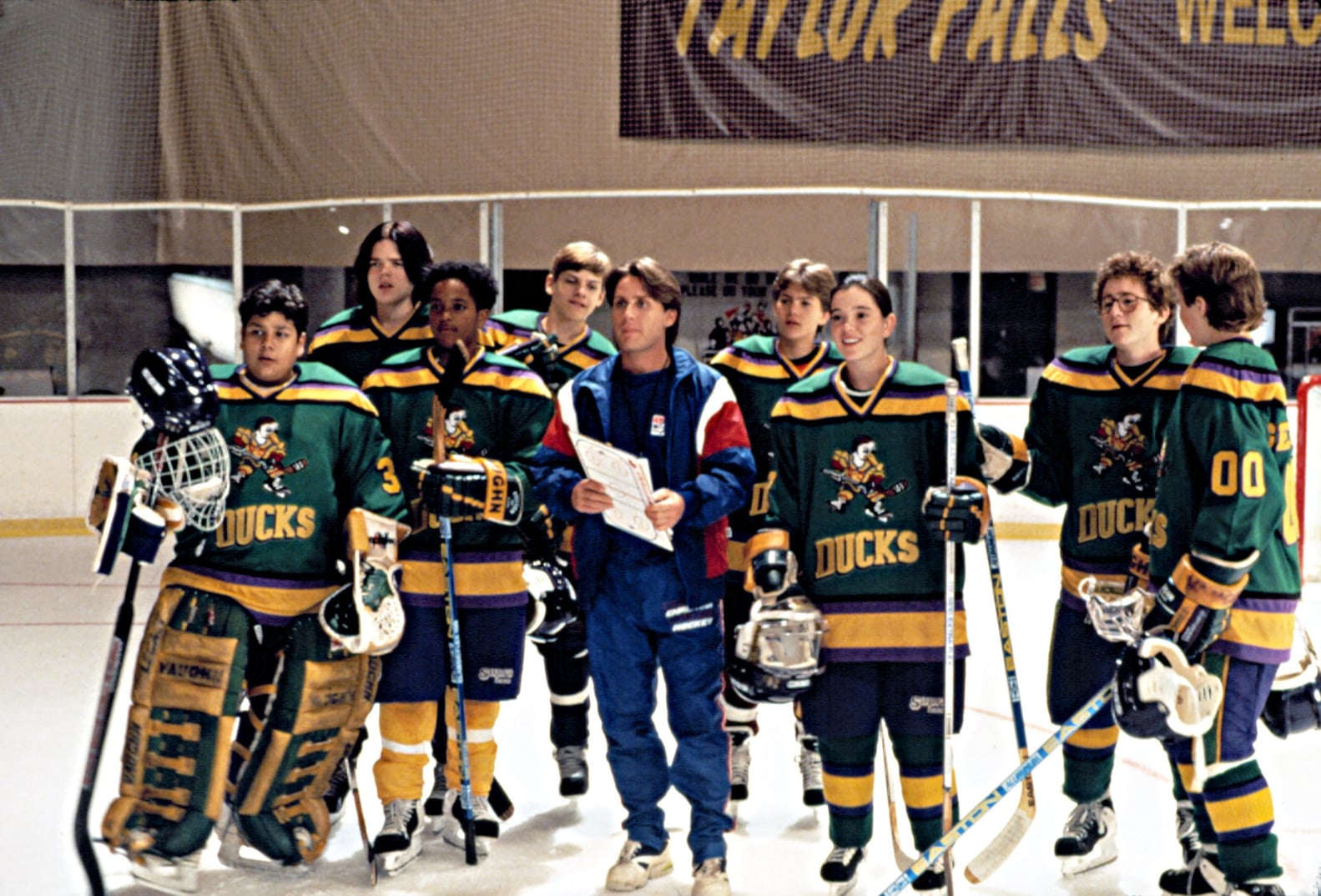
The Iceland team in D2: The Mighty Ducks, led by the formidable Gunnar Stahl, serves as the ultimate cinematic antagonist. While the film is a beloved cornerstone of 90s sports cinema, the actors behind the Icelandic "Wolf Pack" team brought a unique mix of professional hockey experience, cultural background, and diverse backgrounds to the ice, creating a legacy that persists well beyond the film's 1994 release.
1. The Professional Pedigree of the Iceland Team
While the Mighty Ducks were portrayed as a ragtag group of misfits finding their footing, the Iceland team was cast to look like a professional, well-oiled machine. A surprising fact about the production is the level of actual hockey talent recruited to fill the rosters of the Junior Goodwill Games.
Many of the actors cast as Icelandic players were not merely performers taking skating lessons; they were legitimate hockey players scouted for their ability to handle the camera while maintaining high-speed gameplay. The production team realized early on that to make the international competition believable, they needed actors who could move with the intensity of professional junior players. This requirement led to a cast that featured several individuals with competitive ice hockey backgrounds, allowing director Sam Weisman to capture more authentic gameplay sequences without relying exclusively on stunt doubles. This tactical decision paid off in the film’s iconic climactic final game, where the fluidity of the Iceland team’s passing and tactical positioning provided a stark, menacing contrast to the Ducks’ chaotic, creative energy.
2. The Multi-National Composition of "Iceland"
A common misconception among casual viewers is that the actors playing the Icelandic national team were, in fact, Icelandic. In reality, the casting process for D2 was a continental search that prioritized athletic ability and an intimidating physical presence over strict national origin.
While the characters represented the cold, calculated efficiency of an Icelandic hockey program, the cast was composed primarily of North American actors. This was a standard practice in Hollywood productions during the mid-90s, where proximity to filming locations—primarily in Los Angeles and Minneapolis—often dictated casting choices. The "Iceland" players were essentially a multicultural ensemble tasked with adopting a unified aesthetic. By utilizing uniforms, specific haircut styles, and a disciplined approach to the choreography, the production successfully sold the illusion of a monolithic, foreign powerhouse. For fans looking back, the realization that "Team Iceland" was a product of Hollywood’s melting pot adds a layer of irony to the intense on-screen nationalism portrayed during the Goodwill Games.
3. The Casting of Gunnar Stahl: The Icon of Antagonism
Carsten Norgaard, who portrayed the legendary Iceland captain Gunnar Stahl, remains the face of the Mighty Ducks villainy. Unlike many of his co-stars in the film, Norgaard brought a genuine European background to the production. Born in Denmark, Norgaard’s casting was pivotal in creating the "foreign threat" archetype that the script demanded.
What is often surprising to fans is how Norgaard approached the role. Rather than playing the character as a caricature of a villain, he focused on the internal discipline of a high-stakes athlete. In interviews, it has been noted that the directors wanted a character who radiated "cool" rather than overt malice. The quiet, almost robotic confidence of Gunnar Stahl—particularly his infamous "triple deke" obsession—defined him as the ultimate foil for Gordon Bombay’s redemption arc. Norgaard’s performance was so effective that it arguably established the template for the "European antagonist" in North American sports films for the next decade. His ability to convey arrogance through subtle glances and minimal dialogue allowed the audience to project their own frustrations onto him, cementing his status as one of the most memorable antagonists in the Disney live-action library.
4. The Intensive Hockey "Boot Camp"
Preparation for the Iceland team was significantly more grueling than most viewers realize. Because the script demanded that Iceland dominate the early portions of the tournament, the actors playing the Icelandic players were put through a rigorous hockey boot camp before filming began.
This was not a casual experience. The actors had to learn a specific style of skating that looked more "European"—often characterized by longer, more powerful strides and a more rigid, disciplined posture compared to the North American style adopted by the Ducks. They trained alongside professional instructors to ensure that their maneuvers looked synchronized. This attention to detail meant that when they stepped onto the ice for the final showdown, the movements of the team were genuinely precise. The production crew utilized this training to film long, wide shots of Iceland’s plays, which required the actors to execute high-speed, complex patterns without cutting away to close-ups of extras. This commitment to the physical reality of the sport helped D2 transcend the typical "kid’s movie" label and hold up as a legitimate sports film in the eyes of hockey fans.
5. Life After the Goodwill Games: Where are they now?
The actors who played for Team Iceland took vastly different paths after the film’s wrap in 1994. While some, like Carsten Norgaard, continued successful careers in film and television—appearing in projects like The Man in the High Castle and Alien vs. Predator—others stepped away from the spotlight entirely.
This divergence is typical of ensemble casts in youth-oriented sports films. The Iceland cast became a snapshot of 90s casting trends, and for many of the supporting players, the Goodwill Games were their only major studio credit. This adds a layer of nostalgia to their presence; they exist in the cultural consciousness frozen in that specific 1994 moment, wearing those iconic grey, white, and red jerseys. Even by 2026, fan forums and social media reunions continue to track the lives of these actors, demonstrating the enduring impact of the film. Whether they stayed in the industry or moved into private sectors, the "Wolf Pack" remains a collective memory for a generation of hockey enthusiasts who grew up watching the Ducks take on the world.
Comparative Overview of the 1994 Iceland Team
The following table highlights the unique production aspects that defined the team’s portrayal in the film.
| Feature | Production Approach | Effect on Narrative |
|---|---|---|
| Physicality | Stressed athletic height and discipline | Created the "Robot" image |
| Acting Style | Minimalist/Detached | Increased the "Cool Villain" persona |
| Hockey Training | Specialized power-skating boot camp | Allowed for complex cinematic shots |
| Cultural Casting | Pan-continental search | Emphasized the "International" threat |
Frequently Asked Questions
Did the actors playing Team Iceland actually know how to play hockey? Most of the primary actors underwent extensive training, and several were recruited specifically because they had previous experience with the sport. While they were not professional NHL-level players, they were competent enough to perform the film's complex skating sequences.
Was Gunnar Stahl actually from Iceland? No, Carsten Norgaard, the actor who played Gunnar Stahl, is Danish. He was cast for his look and his ability to project a refined, continental presence that contrasted with the more "American" style of the Ducks.
Why was the Iceland team depicted as "robots"? The script intended to contrast the Ducks' "knuckle puck" and street-hockey creativity with the highly structured, defensive, and cold efficiency of the Icelandic team. This served to visually reinforce the theme of discipline versus heart.
Are there any professional hockey players in the cast? While the film employed professional hockey players and figure skaters as stunt doubles for the high-intensity sequences, the main speaking roles were largely handled by actors who had been trained to look the part.
Will there be any new footage of the Iceland cast? As of 2026, there are no official plans for a reboot or a reunion that features the original Iceland team. The legacy of the team remains confined to the original 1994 production and the nostalgic references made in subsequent Mighty Ducks media.
Final Recommendation for Fans
If you are looking to revisit the impact of the Iceland team, focus on the second act of D2: The Mighty Ducks. Pay close attention to the cinematography during the Iceland games; the director intentionally uses cooler, bluer color grading and wider, more static camera angles when the Iceland team is on screen. This deliberate choice, combined with the actors' disciplined movements, is a masterclass in visual storytelling. By focusing on these production details, you can better appreciate the work that went into making the Iceland team the ultimate antagonist for the Ducks, and perhaps gain a new perspective on the film's enduring success in the sports genre.