Roast Battle Season 4 represents a significant milestone in the evolution of the competitive insult comedy genre. While the original American series concluded its initial run after three seasons, both the Canadian and United Kingdom iterations produced acclaimed fourth seasons that expanded the franchise's reach, refined the judging criteria, and introduced a new generation of sharp-tongued comedians to global audiences.
The concept of the "Roast Battle" is rooted in the high-stakes environment of The Belly Room at The Comedy Store in West Hollywood. What began as a local underground competition created by Brian Moses and Jeff Ross eventually transformed into a worldwide phenomenon. By the time the franchise reached its fourth season in various regional formats—most notably in Canada and the UK—the "Art of the Roast" had evolved from mere name-calling into a sophisticated display of linguistic misdirection, timing, and psychological warfare.
The Global Landscape of Roast Battle Season 4
To understand the scope of Season 4, one must distinguish between the different regional productions. As of 2026, these iterations are viewed as the "Golden Era" of the format, where production value finally caught up to the raw energy of the live club scene.
Roast Battle Canada Season 4
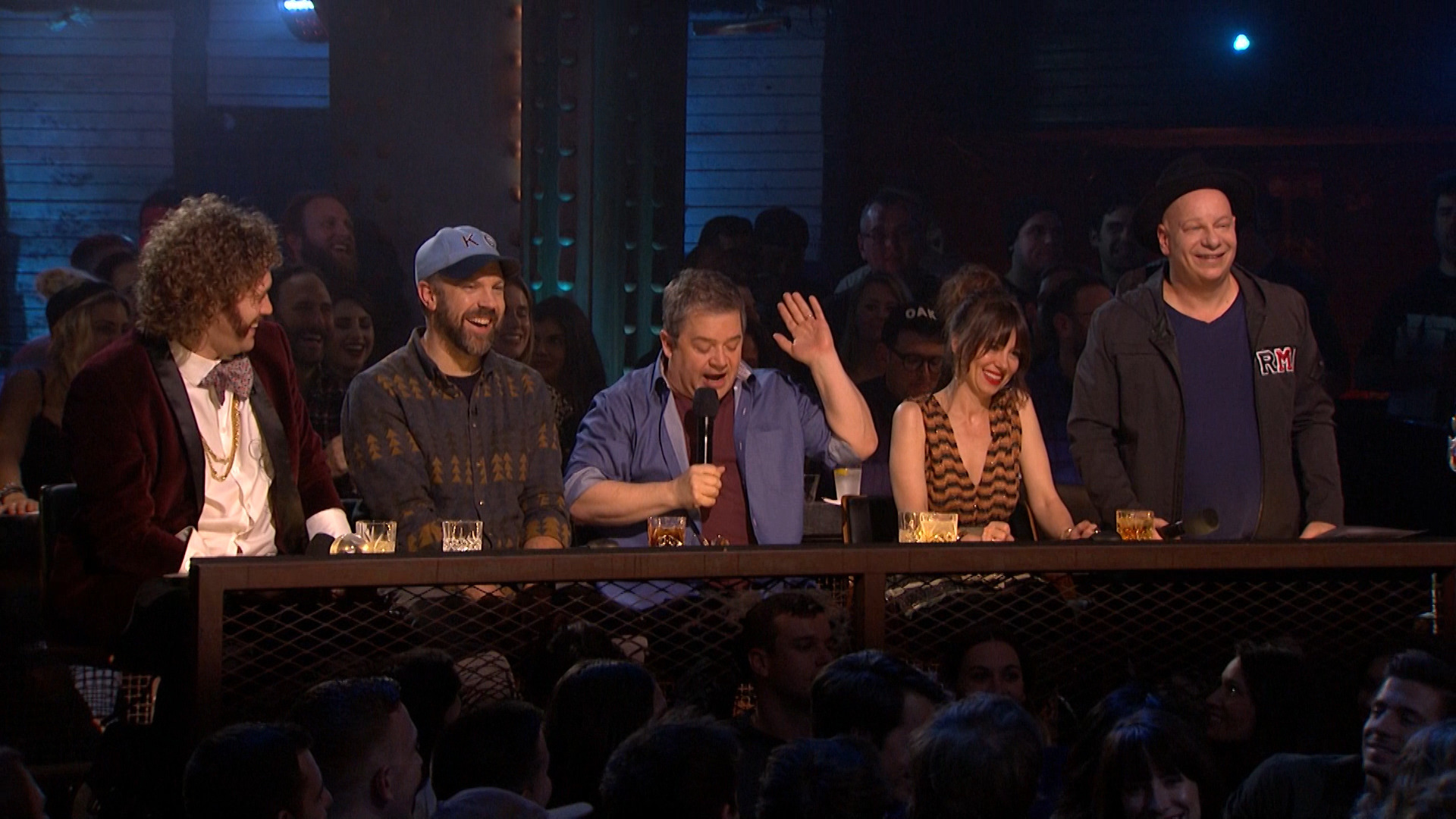
Premiering on CTV Comedy Channel, the fourth season of the Canadian version solidified the series as a powerhouse of Northern comedy. Hosted by the charismatic Ennis Esmer, the season maintained its prestige by retaining a judging panel of heavy hitters: Russell Peters, Sabrina Jalees, and K. Trevor Wilson.
The fourth season in Canada was characterized by a broader diversity of comedic styles. Unlike earlier seasons that relied heavily on "yo mama" tropes, Season 4 saw comedians utilizing deep-dive research into their opponents' social media histories, past failures, and specific stylistic quirks. This season proved that the Canadian comedy scene possessed a "mean streak" that could rival any international contemporary.
Roast Battle UK Season 4
The UK iteration, airing on Comedy Central UK, reached its fourth season earlier than its Canadian counterpart, premiering in 2020. Led by the quintessential roast master Jimmy Carr and the acerbic Katherine Ryan, this season featured a rotating door of high-profile guest judges, including figures like Richard Ayoade and Noel Fielding.
The British version of Season 4 was notable for its brevity and wit. The "deadpan" delivery style common in UK stand-up translated exceptionally well to the roast format. The battles were often shorter but packed more semantic density per minute than the North American versions.
Technical Mechanics: The Anatomy of a Winning Roast
In Season 4 of any Roast Battle iteration, the technical proficiency required to win became significantly higher. Judges no longer rewarded simple insults; they looked for specific technical elements that elevated a joke from a "diss" to a "roast."
The Rule of Three and Misdirection
Comedians in Season 4 frequently employed complex setups where the first two parts of a joke established a predictable pattern, only for the third part—the "punch"—to subvert expectations entirely. This misdirection is crucial in a roast battle because the audience is already expecting an insult. To be successful, the comedian must hide the direction of the insult until the final syllable.
The "Callback" and Internal Logic
A hallmark of high-level roasting seen in these seasons was the "callback." This involves a comedian taking an insult thrown at them in a previous round and flipping the logic to use it against their opponent. This demonstrates mental agility and the ability to listen—a trait often overlooked in comedy competitions.
Punching Up vs. Punching Down
Season 4 marked a shift in the "ethical" boundaries of roasting. While the genre is inherently aggressive, the most successful competitors learned to "punch up" or "punch laterally." Attacking an opponent’s perceived arrogance or professional success often landed better with both the judges and the audience than attacking immutable characteristics, which had started to feel dated by 2024-2026 standards.
Key Participants and Notable Matchups
The fourth seasons of these shows served as a launchpad for several comedians who have since become household names in the global comedy circuit.
| Region | Key Comedians | Notable Battle | Winning Traits |
|---|---|---|---|
| Canada (S4) | Paul Thompson, Martha Chaves, Alan Shane Lewis | Paul Thompson vs. Martha Chaves | High-energy delivery and generational clash dynamics. |
| UK (S4) | Rosie Jones, Alex Brooker, Fern Brady | Rosie Jones vs. Alex Brooker | Use of self-deprecating humor as a shield and weapon. |
| Canada (S4) | Mark Little, Dakota Ray Hebert | Mark Little vs. Alan Shane Lewis | Intellectual wordplay and "meta" commentary on the roast format. |
| UK (S4) | Larry Dean, Sophie Duker | Larry Dean vs. Sophie Duker | Precise timing and exploitation of regional stereotypes. |
Production Values and Format Changes
By Season 4, the production teams had perfected the "arena" feel of the show. In the Canadian version, the lighting was adjusted to be more dramatic, emphasizing the "one-on-one" combat nature of the sport. The sound engineering was also improved to ensure that every syllable of a whispered "burn" was captured for the home audience.
One significant change in Season 4 was the introduction of more detailed "pre-game" packages. These segments provided viewers with the backstory of the comedians, often highlighting real-world friendships or rivalries. This added a layer of emotional stakes to the battles, making the insults feel more personal and the victories more consequential.
The Role of the Host
Ennis Esmer (Canada) and Jimmy Carr (UK) served as more than just emcees; they were the "referees" of the room. In Season 4, the hosts became more active in managing the "vibe" of the crowd. If a roast went too far or a joke failed to land, the host's ability to pivot with a quick quip was essential for maintaining the momentum of the episode.
How to Access and Watch Roast Battle Season 4 in 2026
For viewers looking to catch up on these seasons, the availability depends largely on regional licensing agreements.
- Streaming Services: Most seasons of Roast Battle Canada are available on Crave and the CTV app. For the UK version, Paramount+ and Now TV typically host the back catalog of Comedy Central UK content.
- Purchase Platforms: Seasons are often available for individual purchase on digital storefronts such as Apple TV and Amazon Prime Video.
- Clips and Highlights: For those who prefer a "best-of" experience, the official Comedy Central YouTube channels maintain extensive archives of the most iconic battles from Season 4.
It is important to note that due to the "edgy" nature of the content, some platforms may apply content warnings or age-gate the material. Viewers are encouraged to check their local listings as regional availability frequently shifts.
The Art of Judging: Beyond the Laughs
The judging panels in Season 4—led by veterans like Russell Peters and Katherine Ryan—standardized a set of "unwritten rules" that have since governed most roast competitions.
- Originality: If a joke had been heard before on the internet or in a previous season, it was immediately disqualified by the judges.
- Presence: A comedian who looked shaken by an opponent's insult would lose points, even if their own jokes were superior. The "poker face" became a vital technical skill.
- The "Burn" Factor: This is the visceral reaction of the audience. A joke that resulted in a collective "Ooh!" from the crowd was often weighted more heavily than a joke that resulted in standard laughter.
Cultural Impact and Legacy
The fourth season of the Roast Battle franchise did more than just provide entertainment; it influenced the broader landscape of stand-up comedy. It forced comedians to become more economical with their writing. In an age of short-form content (TikTok, Reels), the "punchy" nature of a roast battle was perfectly suited for the 2020s digital environment.
Furthermore, these seasons helped to deconstruct the "taboos" of comedy. By creating a consensual space where anything could be said, Roast Battle Season 4 allowed comedians to explore difficult topics through the lens of humor, provided the "craft" of the joke was sufficient to justify the premise.
Critical Reception
Critics generally praised Season 4 of both the Canadian and UK iterations for their "polish." While earlier seasons were sometimes criticized for being "mean-spirited without a point," Season 4 was seen as a celebration of comedic skill. The British Comedy Guide and various Canadian entertainment outlets noted that the format had matured into a legitimate "sport" of the mind.
Common Mistakes Made by Competitors
Reflecting on the performances in Season 4, several common pitfalls emerged that led to the defeat of otherwise talented comedians:
- Over-Reliance on Physical Appearance: While "low-hanging fruit" can get a quick laugh, the judges in Season 4 grew tired of repetitive jokes about weight, height, or hair.
- Reading from Notes: By the fourth season, the expectation was that comedians had memorized their sets. Looking at a "cheat sheet" was seen as a sign of weakness and often led to a loss.
- Poor Rebuttals: Many comedians prepared their "attacks" but failed to prepare for their "defense." When the opponent landed a heavy blow, the inability to react in the moment was a common cause of defeat.
FAQs
Who won Roast Battle Canada Season 4?
While the show follows a tournament-style or individual battle format rather than a single season-long winner, the standout performers frequently cited by fans include Paul Thompson and Alan Shane Lewis. Each episode typically crowns a winner for that specific matchup rather than a singular "Grand Champion" of the season.
Is Jeff Ross in Season 4 of the international versions?
Jeff Ross, the "Roastmaster General," often appears as a guest judge or executive producer, but he does not host the Canadian or UK versions. His influence, however, is felt throughout the formatting and the "Belly Room" rules that govern the competition.
Where can I find the uncensored versions of Season 4?
The versions aired on cable television (CTV or Comedy Central) are usually edited for time and broadcast standards. Uncensored versions are typically found on premium streaming platforms like Crave or Paramount+, where the language and adult themes are preserved in their entirety.
Why did the US version stop after Season 3?
The American Jeff Ross Presents: Roast Battle was a series of specials and short seasons. While a formal "Season 4" was never released under that exact title on Comedy Central in the US, the spirit of the show continued through the international spin-offs and various live events at The Comedy Store.
Can I attend a Roast Battle filming in 2026?
Filming schedules for 2026 are subject to production announcements. Historically, Roast Battle Canada films in Toronto, while the UK version films in London. Tickets are usually made available through audience casting agencies a few weeks prior to production.
How are the pairings decided?
Producers and bookers typically pair comedians based on their existing relationships or contrasting styles. The goal is to create a "narrative" for the battle—such as a veteran vs. a newcomer or two close friends who know each other's deepest secrets.
Final Recommendation: How to Approach Season 4
For those new to the franchise, starting with Season 4 of either the Canadian or UK version is highly recommended. The production is at its peak, the jokes are contemporary, and the judging provides a masterclass in comedy theory. If you appreciate high-speed wordplay and have a thick skin for aggressive humor, these seasons represent the pinnacle of the televised roast format. Start with the "Best of" compilations on official YouTube channels to get a feel for the rhythm before diving into the full episodes on streaming platforms.