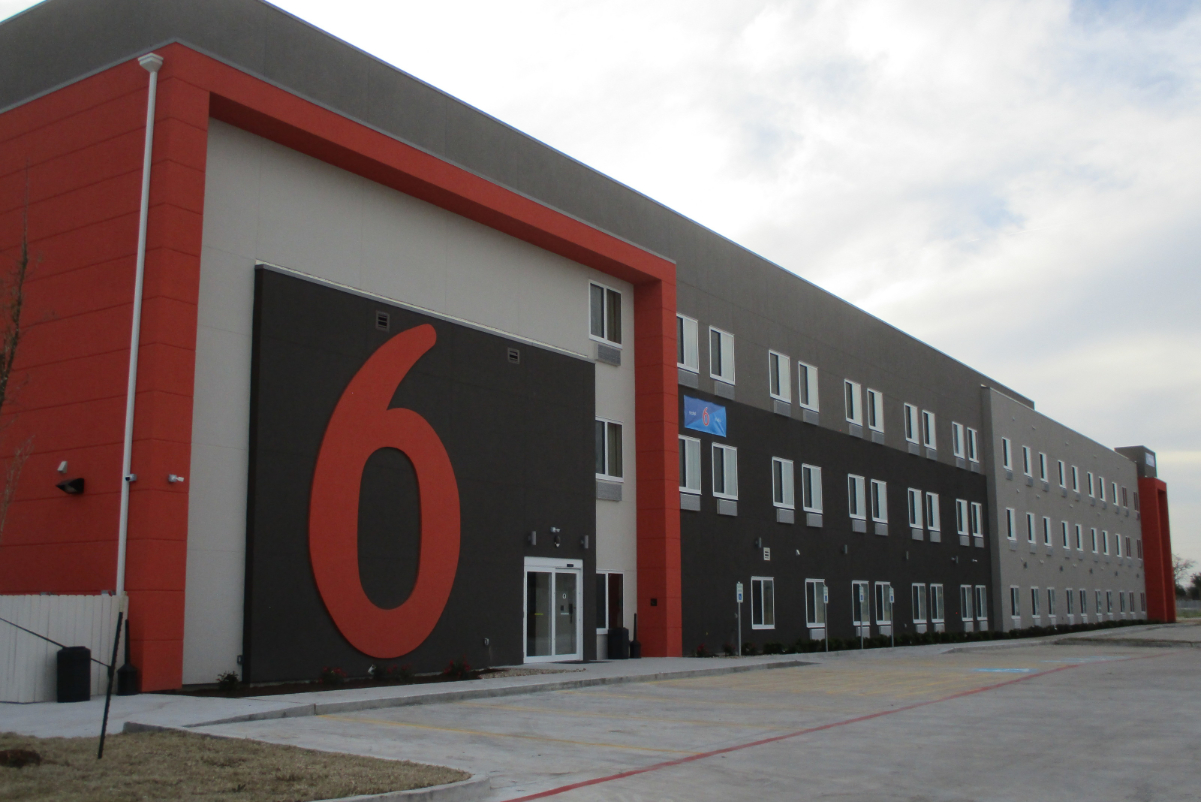
Motel 6, one of the most recognizable economy lodging brands in North America, has changed hands multiple times through corporate acquisitions, shifting from its founding family-backed origins to large-scale private equity ownership and massive hospitality conglomerates. Understanding who owns Motel 6 requires examining a complex lineage of real estate investment trusts, multinational hospitality corporations, and private equity firms that have shaped the brand's operational model since its inception in 1962.
1. Historical Roots and Early Ownership
To understand the modern ownership landscape of Motel 6, it is necessary to examine how the brand started and who initially held its reins. Motel 6 was founded in Santa Barbara, California, in 1962 by two local building contractors, William Becker and Paul Greene.
The original business model was straightforward yet revolutionary for its time: offer clean, comfortable rooms without unnecessary frills at a nightly rate of just $6—hence the iconic brand name. Becker and Greene financed the first location themselves, utilizing their construction expertise to keep development costs exceptionally low. They targeted budget-conscious motorists traveling along the expanding American highway system, particularly along the West Coast.
As the concept gained traction, the founders expanded rapidly. However, operating a growing chain of economy motels required significant capital injections and complex management structures. In 1968, the founders sold Motel 6 to a real estate and land development company, beginning a long chain of corporate transitions.
Throughout the 1970s and 1980s, the brand continued to grow under various corporate umbrellas until it attracted the attention of a major international lodging powerhouse. This early phase established the foundational architecture of the brand: high-density, standardized, low-cost rooms designed for maximum operational efficiency and minimal overhead.
2. The Blackstone Group Era and Modern Private Equity Transition
The most significant structural shift in recent corporate history occurred when private equity entered the picture. In 2012, The Blackstone Group, a prominent global private equity firm, acquired Motel 6 (along with its extended-stay sibling, Studio 6) from the French multinational hospitality corporation Accor for approximately $1.9 billion.
Accor had originally purchased Motel 6 in 1990, integrating the American budget brand into its massive global portfolio. During Accor's tenure, the brand underwent substantial modernization, including the introduction of the "Pioneer" room design and increased franchising efforts. However, by 2012, Accor decided to divest its North American economy lodging assets to focus on its upscale and midscale brands worldwide.
Under Blackstone's ownership, Motel 6 operated under G6 Hospitality, a management company created specifically to oversee the brand's portfolio of company-owned and franchised properties. Blackstone implemented a sweeping modernization program across hundreds of locations, known as the "notification" design scheme, which updated the aesthetic of the rooms while maintaining the strict cost controls central to the brand's identity. Blackstone also aggressively expanded the franchise network, transitioning a large percentage of the property portfolio from corporate ownership to independent franchisees.
3. The Acquisition by Extended Stay America and G6 Hospitality Integration
The ownership narrative advanced significantly when Blackstone agreed to sell G6 Hospitality—the parent company of Motel 6 and Studio 6—to Extended Stay America (ESA), an owner and operator of branded extended-stay hotels backed by the private equity firms Blackstone and Starwood Capital Group.
Announced in late 2024, this transaction consolidated two major segments of the North American economy and midscale lodging landscape. By bringing Motel 6 under the same corporate umbrella as Extended Stay America, the combined entity created a powerhouse in the budget and value-oriented lodging sector.
The rationale behind this acquisition centers on operational synergies, shared digital infrastructure, and a unified loyalty and distribution strategy. While Motel 6 continues to operate as a distinct brand retaining its familiar name, logo, and value proposition, its back-end management, procurement, and franchising support are now integrated with ESA's operational framework. This ensures that the brand can leverage economies of scale in marketing, vendor negotiations, and digital booking platforms, navigating the competitive budget hospitality market more effectively.
| Ownership Era | Key Entity | Active Period | Strategic Focus |
|---|---|---|---|
| Founding Era | William Becker & Paul Greene | 1962–1968 | Low-cost construction, highway travel, original $6 nightly rate model. |
| Accor Ownership | Accor S.A. | 1990–2012 | International expansion, brand modernization, increased franchising. |
| Blackstone Era | The Blackstone Group (G6 Hospitality) | 2012–2024 | Asset light transition, property renovations, franchise growth. |
| Current Era | Extended Stay America | 2024–Present | Operational consolidation, supply chain synergies, unified economy lodging network. |
Frequently Asked Questions
Who currently owns Motel 6?
Motel 6 is owned by Extended Stay America (ESA), which acquired G6 Hospitality in a major transaction. ESA is backed by prominent private equity firms, including investment funds affiliated with Blackstone and Starwood Capital Group.
Is Motel 6 still a franchise model?
Yes. While Motel 6 operates both corporate-owned and franchised locations, a substantial portion of the system operates under franchise agreements. Independent hotel owners license the Motel 6 and Studio 6 brands, utilizing corporate reservation systems, marketing, and operational standards.
Did Accor ever own Motel 6?
Yes. The French multinational hospitality company Accor acquired Motel 6 in 1990 and owned the brand for over two decades until selling it to The Blackstone Group in 2012 as part of a strategic shift toward upscale and luxury markets.
What is G6 Hospitality?
G6 Hospitality is the operating company that manages the Motel 6 and Studio 6 lodging brands. Following the acquisition by Extended Stay America, G6 Hospitality's portfolio and operational infrastructure were integrated into ESA's broader lodging network.
How many locations does Motel 6 operate?
Motel 6, alongside Studio 6, maintains a massive footprint across the United States and Canada, encompassing well over 1,400 economy lodging locations, making it one of the largest economy motel chains in North America.
Summary and Practical Next Steps
The ownership history of Motel 6 reflects broader trends in the hospitality industry, transitioning from independent entrepreneurial founders to massive corporate conglomerates and private equity stewardship. For real estate investors, prospective franchisees, and industry analysts, tracking these ownership shifts is essential for understanding how the brand manages property standards, supply chains, and franchising opportunities. Those interested in pursuing a Motel 6 franchise or analyzing corporate real estate investments in the economy lodging sector should consult official G6 Hospitality or Extended Stay America corporate investor portals for current franchise disclosure documents (FDDs) and partnership requirements.