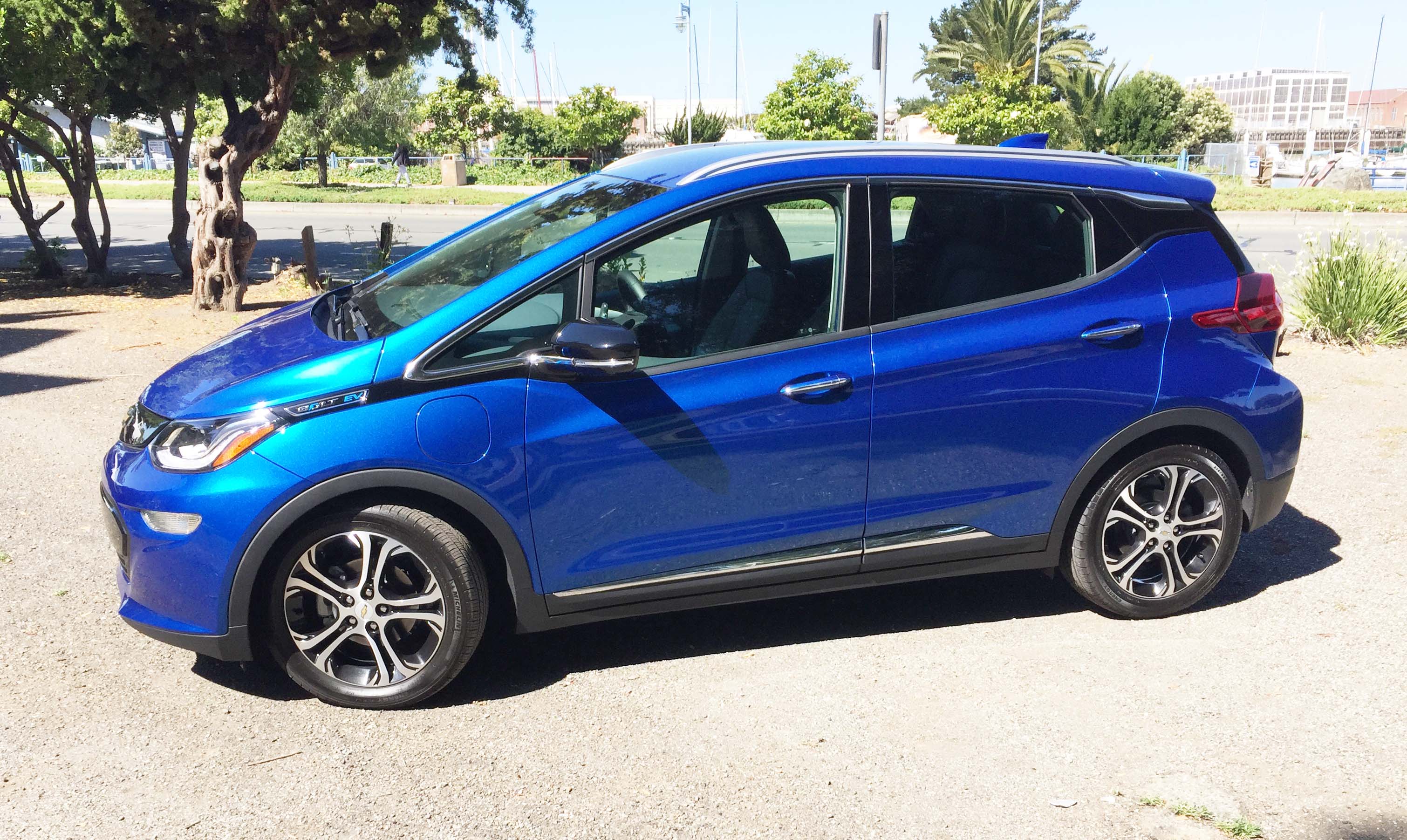
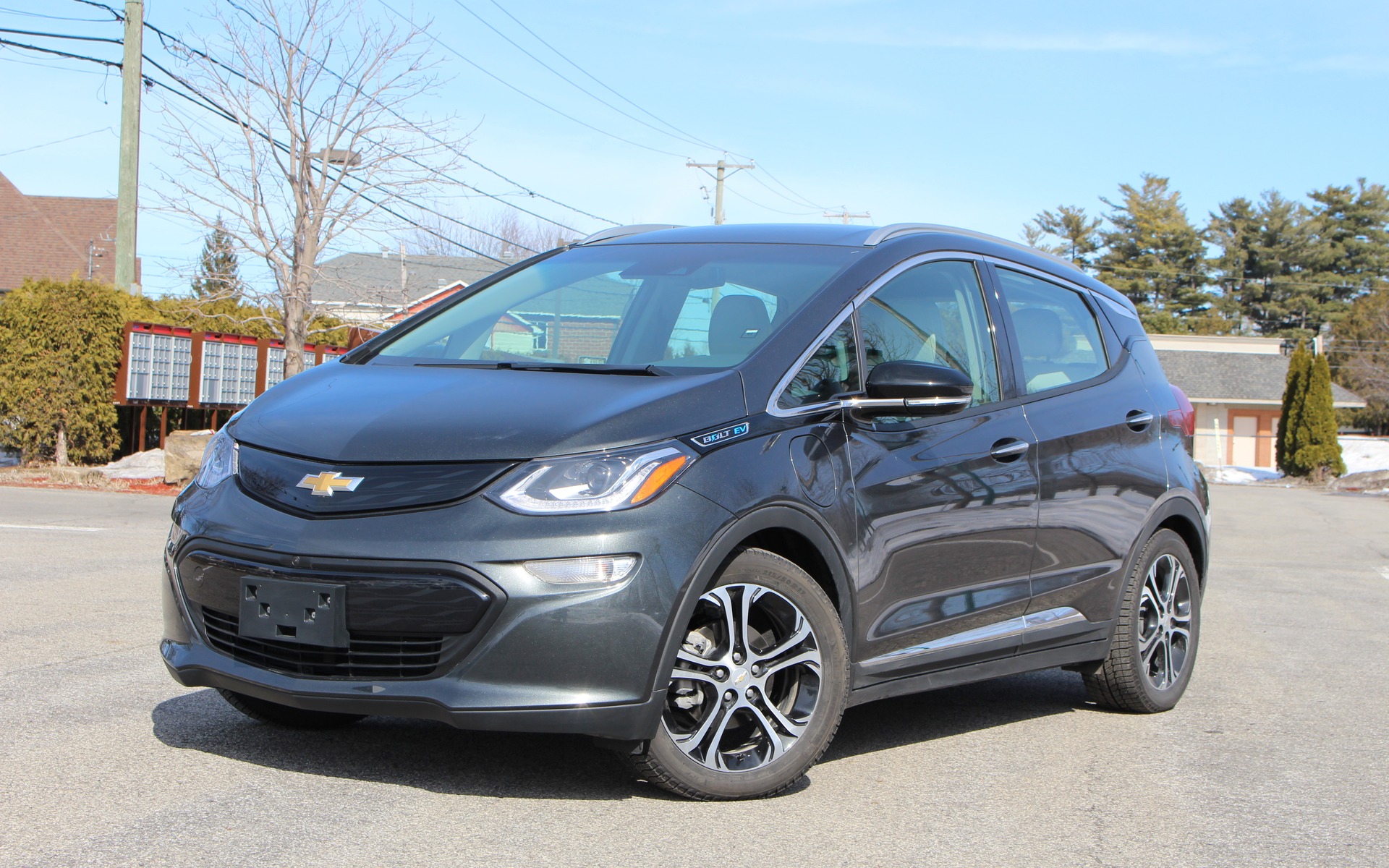
The 2017 Chevrolet Bolt EV remains one of the most cost-effective entry points into long-range electric vehicle ownership. Originally launched with an EPA-estimated range of 238 miles, most 2017 models have received brand-new 66 kWh factory battery pack replacements due to a major safety recall, providing upgraded range, renewed battery health, and extended warranty coverage for second-hand buyers.
Overview of the 2017 Chevrolet Bolt EV
When General Motors introduced the 2017 Chevrolet Bolt EV, it marked a significant shift in the electric vehicle (EV) market. Prior to its arrival, electric cars offering more than 200 miles of driving range were largely restricted to premium luxury brands. The Bolt EV brought long-distance battery electric mobility to a mainstream price point, earning honors such as the 2017 MotorTrend Car of the Year and the North American Car of the Year.
Built on GM’s dedicated BEV2 platform, the Bolt EV is a five-door subcompact hatchback engineered around a flat floorboard battery pack. Its tall, upright profile creates an surprisingly spacious cabin relative to its compact exterior footprint.
While newer EV models have surpassed the 2017 Bolt EV in maximum charging speed and infotainment integration, its combination of punchy acceleration, practical utility, and refreshed battery capacity makes it an exceptionally strong contender in the pre-owned EV marketplace.
The GM Battery Recall: What Used Buyers Must Know
The defining chapter in the lifecycle of the 2017 Chevrolet Bolt EV is General Motors' safety recall involving its high-voltage lithium-ion battery pack. Understanding this recall is essential for anyone evaluating a used 2017 model.
Cause of the Recall
In late 2020 and 2021, GM released recalls covering all 2017–2022 Bolt EV models following reports of high-voltage battery fires. Investigations identified two rare manufacturing defects—a torn anode tab and a folded separator—present in the same battery cells supplied by LG Energy Solution. Under specific conditions, such as bringing the battery to a 100% state of charge, these combined defects created an internal short-circuit risk.
The Remedy and Battery Upgrades
GM resolved the issue by replacing the defective original 60 kWh battery modules in 2017 models with newly manufactured lithium-ion cell modules.
- Original 2017 Pack: 60 kWh Capacity
- EPA Range: 238 Miles
- Replacement Pack: 66 kWh Capacity
- Estimated Range: 259 Miles
This replacement process yielded three major benefits for buyers:
- Increased Capacity: The replacement pack utilizes updated cell chemistry, raising total usable capacity from 60 kWh to 66 kWh.
- Restored Electric Range: Estimated driving range increased from the original 238 miles up to approximately 259 miles under ideal conditions.
- Reset Battery Warranty: GM provided an updated 8-year / 100,000-mile limited high-voltage battery warranty that began on the date and mileage at which the replacement pack was installed, rather than the vehicle’s original purchase date.
Verifying Recall Status
Before purchasing a pre-owned 2017 Bolt EV, prospective buyers should verify whether the battery replacement has taken place:
- Obtain the vehicle identification number (VIN).
- Input the VIN into the NHTSA Recalls Lookup Tool.
- Cross-reference the VIN on Chevrolet’s official GM Recall Center portal.
- Look for an official GM sticker placed inside the driver-side door jamb or engine bay documenting the high-voltage battery module assembly replacement, alongside documentation verifying the start date of the revised 8-year/100,000-mile battery warranty.
Powertrain, Performance, and Driving Dynamics
The 2017 Chevrolet Bolt EV relies on a single permanent-magnet electric motor driving the front wheels. Despite its modest exterior appearance, its electric powertrain provides energetic performance that surprises many first-time EV drivers.
Power and Acceleration Specs
- Motor Output: 200 horsepower (150 kW)
- Torque: 266 lb-ft (360 Nm) available instantly from zero RPM
- 0–60 MPH Acceleration: Approximately 6.5 seconds
- Top Speed: Electronically limited to 91 mph
Because electric motors deliver instant torque without gear shifts, the Bolt EV executes quick passes and merges into highway traffic with ease. Its low center of gravity—achieved by placing the heavy battery pack low beneath the floor—gives the vehicle responsive handling and stability through tight turns, though its narrow tires prioritize low rolling resistance over aggressive cornering grip.
One-Pedal Driving and Regenerative Braking
The 2017 Bolt EV features advanced regenerative braking modes designed to convert kinetic energy back into usable battery power during deceleration:
- Drive Mode (D): Simulates standard automatic transmission coasting with light regenerative braking when lifting off the accelerator pedal.
- Low Mode (L): Enables true "One-Pedal Driving." Releasing the accelerator applies aggressive regenerative braking, bringing the car to a complete stop without touching the mechanical brake pedal.
- Regen on Demand: A paddle mounted behind the left side of the steering wheel allows the driver to manually trigger maximum regenerative braking on demand in either drive mode.
Battery Charging Capabilities and Real-World Usability
Understanding the charging infrastructure requirements and limitations of the 2017 Bolt EV helps set realistic expectations for daily commuting and longer road trips.
| Charging Level | Performance |
|---|---|
| Level 1 (120V Home Outlet) | ~4 miles added per hour |
| Level 2 (240V / 32-Amp Home) | ~25 miles added per hour (~9.5 hrs full) |
| DC Fast Charging (CCS Combo) | Up to 55 kW peak (~100 miles in 30 mins) |
Level 1 Charging (120-Volt AC)
Included with the car is a standard portable charge cord capable of plugging into any standard 120-volt household outlet. Level 1 charging is slow, replenishing roughly 3 to 4 miles of range per hour of plug-in time. It is best suited for low-mileage daily commutes or emergency top-ups.
Level 2 Charging (240-Volt AC)
For typical residential use, a 240-volt Level 2 charging setup is recommended. The 2017 Bolt EV features an onboard charger rated at 7.2 kW. Connected to a 32-amp or higher Level 2 home charging station, the vehicle fully replenishes a depleted battery pack in approximately 9 to 9.5 hours, making overnight charging convenient. Official fuel efficiency and energy consumption ratings can be verified via the U.S. Department of Energy's FuelEconomy.gov.
DC Fast Charging (CCS Connector)
A critical detail for used car buyers is that DC Fast Charging was optional on the LT trim in 2017 (though standard on the Premier trim).
If you intend to take road trips, ensure the specific LT vehicle you are inspecting was equipped with the factory DC Fast Charge option (look for an orange rubber dust cover below the main charging port inlet covering the two extra high-voltage pins).
- Peak DC Fast Charge Rate: Approximately 55 kW max peak.
- 0–80% Charge Time: Approximately 60 to 75 minutes at a public CCS fast charger.
- Charging Curve: The Bolt EV throttles its charge rate down to ~38 kW once the battery reaches 55% state of charge, and slows further past 80% to protect cell health.
Because modern EVs often charge at rates exceeding 150 kW to 350 kW, the 2017 Bolt EV is better suited as a daily commuter and regional runner than a cross-country road-tripper.
Trim Level Comparison: LT vs. Premier
The 2017 Chevrolet Bolt EV was offered in two primary trim levels: the base LT and the upgraded Premier. The following table outlines the key differences between the two trims.
| Feature / Specification | 2017 Bolt EV LT | 2017 Bolt EV Premier |
|---|---|---|
| Original Base MSRP | $37,495 | $41,780 |
| DC Fast Charging Port | Optional ($750 extra when new) | Standard |
| Seating Upholstery | Cloth seats | Perforated leather-appointed seats |
| Heated Seats | Optional (Comfort & Convenience Pkg) | Standard front and rear heated seats |
| Heated Steering Wheel | Optional (Comfort & Convenience Pkg) | Standard |
| Wheels | 17-inch painted aluminum | 17-inch ultra-bright machined aluminum |
| Surround Vision (360 Camera) | Not Available | Standard |
| Rear Camera Mirror | Not Available | Standard |
| Roof Rails | Not Available | Standard roof-mounted rails |
| Blind Zone & Cross Traffic Alert | Optional (Driver Confidence Pkg) | Standard |
| Forward Collision Alert & Lane Keep | Optional (Driver Confidence II Pkg) | Optional (Driver Confidence II Pkg) |
| Bose 7-Speaker Audio System | Not Available | Optional (Infotainment Package) |
Key Differences Explained
- LT Trim: Excellent value if equipped with the optional DC Fast Charging port and Comfort & Convenience Package (which adds heated front seats and a leather-wrapped heated wheel).
- Premier Trim: Adds luxurious touches like ambient interior lighting, rear heated seats, a center armrest for rear passengers, roof rails, and advanced parking assistance including the high-resolution 360-degree Surround Vision camera system.
Interior Comfort, Cargo Space, and Infotainment
Cabin Ergonomics and Seat Design
The 2017 Bolt EV utilizes a high-seating position that offers drivers excellent forward visibility akin to a small crossover. However, seat comfort is a common point of discussion among owners. To minimize weight and maximize rear legroom, GM engineered ultra-thin front seat frames. Some drivers find the front seats narrow and lacking in lower back and thigh padding, particularly on journeys longer than an hour. If considering a purchase, take an extended test drive to ensure the seat geometry suits your posture.
| Cargo Configuration | Capacity |
|---|---|
| Behind Rear Seats | 16.9 cu ft (Dual-level floor) |
| Rear Seats Folded | 56.6 cu ft (Flat loading surface) |
Storage and Cargo Utility
Despite its small footprint, the Bolt EV makes smart use of space:
- Passenger Volume: 94.4 cubic feet, offering headroom and legroom comparable to larger compact hatchbacks.
- Rear Cargo Space: 16.9 cubic feet behind the 60/40 split-folding rear seats.
- Maximum Cargo Volume: Folding the rear seats flat expands total cargo capacity to 56.6 cubic feet.
- False Cargo Floor: Premier models (and optional on LT) include a rigid, removable cargo board that creates a hidden lower storage compartment and provides a seamless flat floor when rear seats are folded.
Infotainment and Connectivity
Every 2017 Bolt EV comes standard with a 10.2-inch color touchscreen infotainment display.
- Smartphone Integration: Apple CarPlay and Android Auto compatibility are standard, allowing navigation, music streaming, and voice commands directly through your smartphone.
- Built-in Navigation: Native built-in satellite navigation was not offered; the system relies entirely on connected smartphone apps or OnStar turn-by-turn guidance.
- Driver Information Center: An 8-inch configurable digital instrument cluster provides real-world energy efficiency metrics, remaining battery capacity percentage, and climate system power consumption readouts.
Known Issues, Reliability, and Pre-Purchase Inspection Checklist
Outside of the high-voltage battery recall, the 2017 Chevrolet Bolt EV has proven mechanically durable, largely because electric vehicles eliminate high-wear internal combustion components like spark plugs, timing belts, alternators, and exhaust systems. However, specific mechanical and electrical areas warrant careful evaluation.
Common Mechanical Issues
- Front Suspension Noise: Sway bar end links and lower control arm bushings on early Bolt EVs can wear prematurely, producing clunking noises over low-speed bumps.
- Steering Column Clicking: Some early production models developed a slight clicking or popping sensation in the intermediate steering shaft when turning the wheel at low speeds.
- 12-Volt Auxiliary Battery Failure: Like most modern EVs, the Bolt EV relies on a standard 12-volt lead-acid battery to power onboard electronics, computer modules, and contactors. If the 12V battery drops below optimal voltage (typically around 3 to 5 years of age), it can trigger false error codes, non-responsive infotainment screens, or prevent the high-voltage system from engaging.
- Heater Module Failures: The high-voltage cabin heater module (PTC heater) can fail in cold climates, leaving the vehicle without cabin heat despite functioning air conditioning.
Pre-Owned Inspection Checklist
When examining a used 2017 Chevrolet Bolt EV, complete the following inspection steps:
- Verify DC Fast Charging: Check under the charge port door to confirm the presence of the orange dual-pin CCS flap.
- Confirm High-Voltage Battery Status: Check the VIN through GM/NHTSA databases to confirm recall completion and verify the start date of the replacement pack's warranty.
- Inspect the 12V Auxiliary Battery: Check the age and voltage of the 12V battery under the hood; replace it proactively if it is over three years old.
- Test the Heating and Cooling Systems: Turn the HVAC system to maximum heat and verify warm air flows rapidly from the vents. Electric heating draws directly from the main battery and should engage immediately.
- Check Tire Wear: EVs generate instant torque, which can lead to faster tire wear on the front drive wheels. Inspect tread depth and check for uneven wear patterns.
- Evaluate Brake Rotors: Because One-Pedal Driving relies primarily on regenerative braking, traditional mechanical brake pads and rotors get used less frequently. Check friction surfaces for heavy rust accumulation or binding calipers.
- Verify Key Fobs: Ensure the vehicle comes with two working remote key fobs; replacing and programming modern GM smart keys can be costly.
Operating Costs and Ownership Economics
Purchasing a used 2017 Bolt EV offers compelling long-term cost benefits for budget-conscious drivers.
Fuel Savings vs. Gasoline Cars
The 2017 Bolt EV carries an EPA efficiency rating of 119 MPGe combined (128 MPGe city / 110 MPGe highway), consuming roughly 28 kWh of electricity per 100 miles driven.
- Assuming an average electricity rate of $0.15 per kWh, driving 1,000 miles in a Bolt EV costs approximately $42.00.
- By contrast, driving a gas-powered compact car averaging 30 MPG over 1,000 miles (with gasoline at $3.50 per gallon) costs approximately $116.60.
Reduced Scheduled Maintenance
With no engine oil to change, transmission fluids to flush, or spark plugs to replace, regular maintenance costs are low. Standard scheduled maintenance for a Bolt EV primarily involves:
- Rotating tires every 7,500 miles.
- Replacing the cabin air filter every 22,500 miles.
- Inspecting brake components and fluid levels.
- Flushing the high-voltage thermal management coolant loop (recommended at 150,000 miles or 5-year intervals under normal operating schedules).
Detailed technical safety standards and vehicle platform crash ratings are maintained by the National Highway Traffic Safety Administration at NHTSA.gov.
Frequently Asked Questions
How long does the battery last in a 2017 Chevy Bolt EV?
Most 2017 Bolt EVs received brand-new 66 kWh factory replacement batteries between 2021 and 2024 as part of GM's safety recall. These replacement packs carry their own 8-year / 100,000-mile limited warranty starting from the installation date. Under normal operating conditions with liquid thermal management, these packs are designed to last the practical operational lifespan of the vehicle.
Does the 2017 Bolt EV have Apple CarPlay and Android Auto?
Yes. Apple CarPlay and Android Auto are standard equipment on all 2017 Bolt EV trim levels (LT and Premier). They operate via a wired USB connection plugged into the center console ports.
Can you take a 2017 Bolt EV on long road trips?
While possible, taking a 2017 Bolt EV on extended cross-country trips requires patience. Its DC Fast Charging peak rate is limited to approximately 55 kW, requiring 60 to 75 minutes to charge from near empty to 80%. It excels primarily as an urban commuter and regional vehicle. Also note that DC Fast Charging was an extra-cost option on the LT trim, so ensure any LT model you evaluate includes the CCS port.
How do I tell if a 2017 Bolt EV has the replacement battery?
You can confirm battery replacement status by entering the vehicle's 17-digit VIN into the official GM Recall Center or NHTSA recall search tools. Additionally, open the driver’s door to check for a dealer-applied recall completion label or consult an authorized Chevrolet dealership service department to view the vehicle's global service history.
What is the difference between Drive (D) and Low (L) modes?
In Drive (D) mode, the vehicle coasts smoothly like a traditional automatic gas car when you lift off the accelerator, applying gentle regenerative braking. In Low (L) mode, aggressive One-Pedal Driving is enabled; releasing the accelerator pedal applies strong regenerative braking, bringing the car to a full stop without needing to press the foot brake pedal.
Final Verdict: Is a Used 2017 Chevy Bolt EV Worth Buying?
The 2017 Chevrolet Bolt EV is one of the practical value leaders in the pre-owned electric car market. While its DC fast-charging rates are modest compared to newer designs, and its front seats may feel firm to some drivers, these trade-offs are balanced out by its overall utility.
Thanks to GM's battery recall program, buyers can often find pre-owned 2017 models featuring a 66 kWh battery pack, ~259 miles of real-world usable range, and active factory warranty coverage on the high-voltage system. For commuters, daily city drivers, or families seeking an economical second car, a well-inspected 2017 Bolt EV represents an exceptional blend of low operating costs and reliable electric performance.