The 2013 Nissan Altima requires Nissan Blue Long Life Antifreeze/Coolant (L250 or L255), which is a pre-diluted 50/50 mixture. This specific fluid is a Phosphated Organic Acid Technology (P-OAT) formula designed to protect the aluminum components of the engine while preventing corrosion, cavitation, and scale buildup for up to 105,000 miles.
As of 2026, the 2013 Nissan Altima remains a common fixture on the road, often reaching high mileage milestones where cooling system integrity becomes paramount. Whether you own the fuel-efficient 2.5L four-cylinder engine or the more powerful 3.5L V6 variant, maintaining the thermal balance of the powertrain is the single most effective way to prevent catastrophic engine failure. Using the incorrect coolant or failing to adhere to the manufacturer's chemistry requirements can lead to internal corrosion that is both expensive and difficult to reverse.
Understanding Nissan Blue Coolant (P-OAT Chemistry)
The cooling system in a 2013 Nissan Altima is primarily constructed from aluminum, with various rubber seals and plastic radiator tanks. To protect these materials, Nissan utilizes a specific chemical profile known as P-OAT (Phosphated Organic Acid Technology). This is a sub-category of Organic Acid Technology (OAT) that adds phosphates to provide immediate protection to metal surfaces.
Historically, older Nissan models used a green-colored Inorganic Additive Technology (IAT) coolant. However, starting with the 2009–2010 model years, Nissan transitioned to the Blue "Super Long Life" formula. The 2013 Altima was designed exclusively with this blue fluid in mind.
Why Phosphates Matter
Phosphates act as a sacrificial layer on the internal metal surfaces of the engine block and radiator. They are particularly effective at preventing "pitting" in aluminum, which occurs when air bubbles collapse against the metal (cavitation). While some European manufacturers avoid phosphates due to "hard water" scaling issues, Japanese manufacturers like Nissan prioritize them because they offer superior protection for high-heat aluminum engines.
Silicate and Borate Free
The Nissan Blue formula is strictly silicate-free, amine-free, and borate-free. Silicates, often found in "Universal" or older green coolants, can be abrasive to water pump seals over time. Borates are often omitted because they can contribute to aluminum corrosion under certain conditions. By adhering to the L250/L255 specification, you ensure that the internal seals and the water pump's mechanical face remain lubricated and intact.
Capacity and Engine Specifications
The amount of coolant required for a 2013 Nissan Altima depends entirely on which engine is under the hood. It is important to note that a standard "drain and fill" will not remove 100% of the fluid, as some remains trapped in the heater core and engine block.
2.5L 4-Cylinder (QR25DE)
The 2.5L engine is the most common configuration for the 2013 model year. It is a relatively compact cooling system but requires precise levels to prevent overheating in the cylinder head.
- Total Capacity: Approximately 7.1 to 7.6 quarts (6.7 to 7.2 liters).
- Reservoir Tank Capacity: 0.8 quarts (0.8 liters) at the "MAX" level.
3.5L V6 (VQ35DE)
The V6 engine generates significantly more heat and has a more complex network of coolant passages. It requires a higher volume of fluid to manage the thermal load.
- Total Capacity: Approximately 8.6 to 9.1 quarts (8.2 to 8.6 liters).
- Reservoir Tank Capacity: 0.8 quarts (0.8 liters) at the "MAX" level.
When purchasing coolant, it is advisable to buy at least two gallons of the pre-diluted mixture. This ensures you have enough for the initial fill and any subsequent "topping off" required after the air has been purged from the system.
Comparison of Coolant Types for 2013 Altima
| Feature | Nissan Blue (L250/L255) | Aftermarket Asian Blue (Zerex/Pentofrost) | Universal "All Makes" Coolant |
|---|---|---|---|
| Chemistry | P-OAT (Phosphated) | P-OAT (Phosphated) | OAT (Sebacate-based) |
| Color | Blue | Blue / Teal | Yellow / Orange |
| Compatibility | Factory Recommended | High Compatibility | Low (Not Recommended) |
| Service Life | 105,000 Miles | 100,000+ Miles | 50,000 Miles (Estimated) |
| Corrosion Protection | Optimized for Aluminum | High | Variable |
The Risks of Using Universal Coolant
Many auto parts stores promote "Universal" or "All Makes/All Models" coolants. While these are chemically compatible in the sense that they won't immediately cause a gel-like reaction, they are not optimized for the 2013 Altima’s specific metallurgy.
- Chemical Incompatibility: Universal coolants often use 2-EHA (2-Ethylhexanoic Acid) as a plasticizer. In some cooling systems, this can soften certain types of gaskets and seals over several years, leading to leaks.
- Dilution of Additives: If you mix the factory Blue coolant with a Universal yellow coolant, you dilute the phosphate concentration. This reduces the immediate protection provided to the aluminum engine block.
- Color Confusion: Mixing colors results in a murky brown or green-brown fluid. This makes it nearly impossible to perform a visual inspection of the coolant's health in the future, as you won't be able to distinguish between old fluid and actual rust or oil contamination.
Step-by-Step Coolant Replacement Guide
Performing a coolant exchange on a 2013 Altima is a manageable DIY task, but it requires patience to ensure all air is purged from the system.
Prerequisites and Tools
- 2 Gallons of Nissan Blue Pre-diluted 50/50 Coolant.
- A clean drain pan.
- Pliers (for hose clamps).
- 10mm socket or screwdriver (for the under-body splash shield).
- Spill-proof coolant funnel (highly recommended).
The Procedure
- Preparation: Ensure the engine is completely cold. Never open a radiator cap on a hot engine, as the pressurized steam can cause severe burns.
- Access the Drain: Elevate the front of the vehicle using ramps or jack stands. Remove the plastic splash guard (under-engine cover) to access the bottom of the radiator.
- Drain the Radiator: Locate the plastic drain plug (petcock) at the bottom of the radiator. Place your pan underneath and loosen the plug. To speed up the flow, remove the radiator cap.
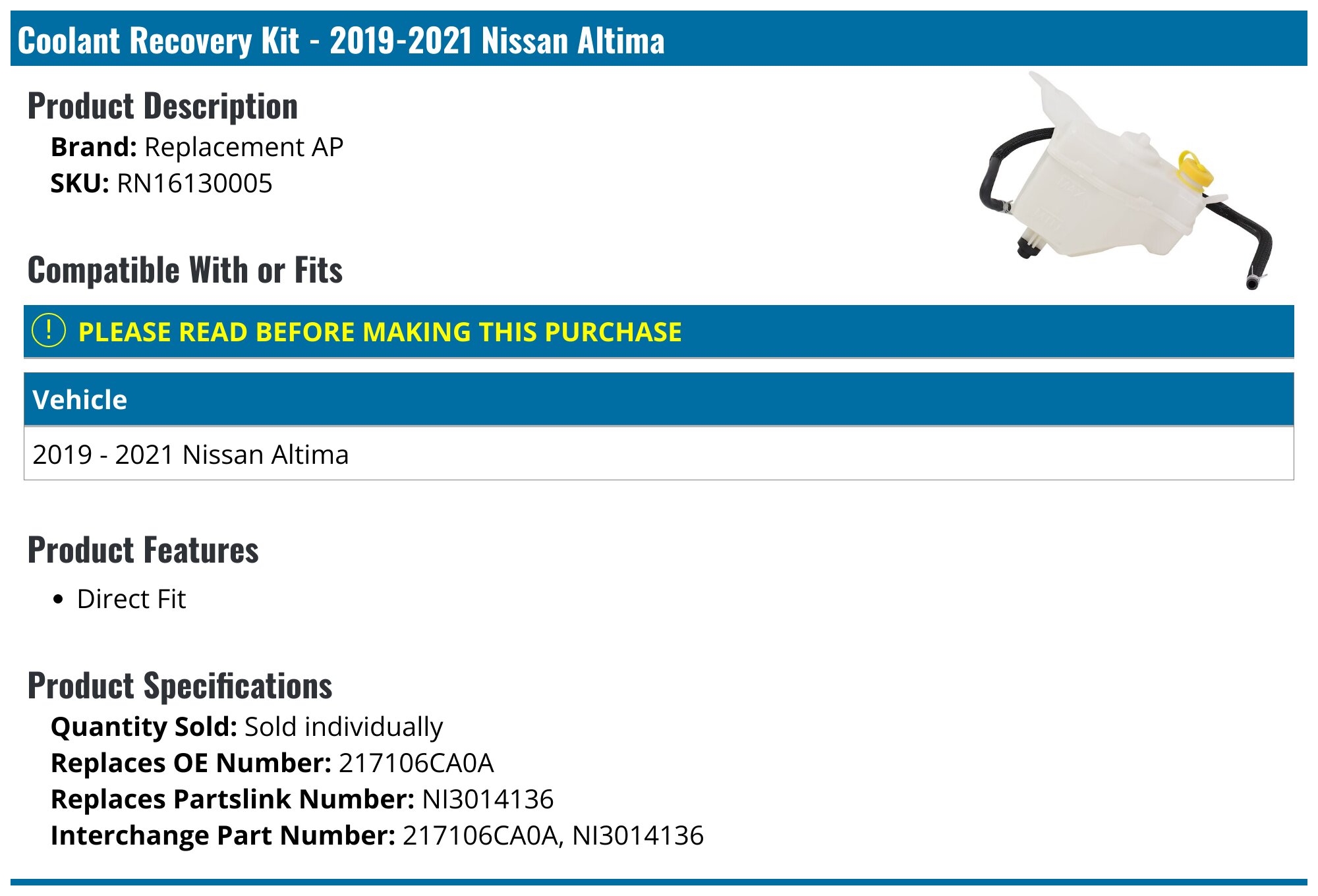
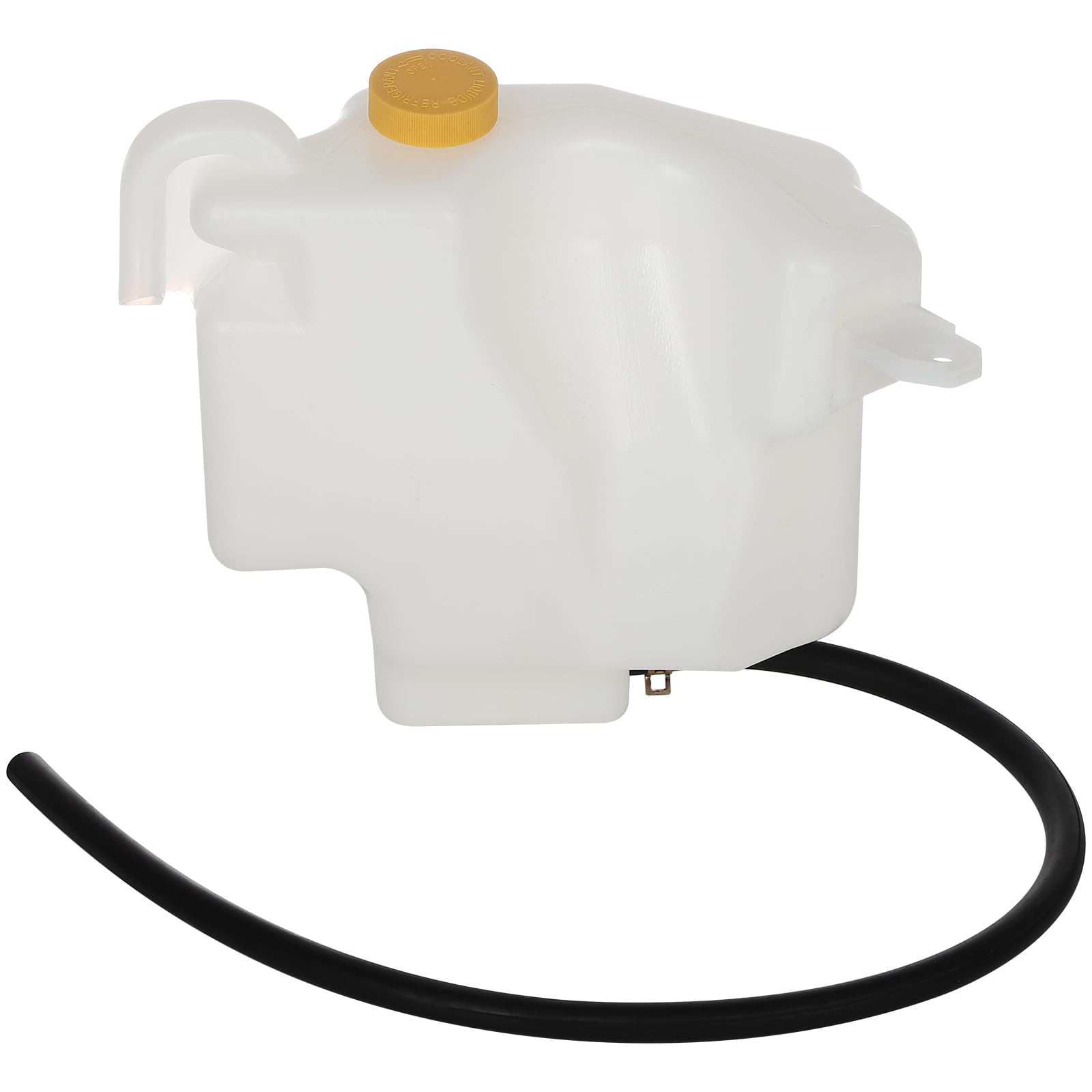
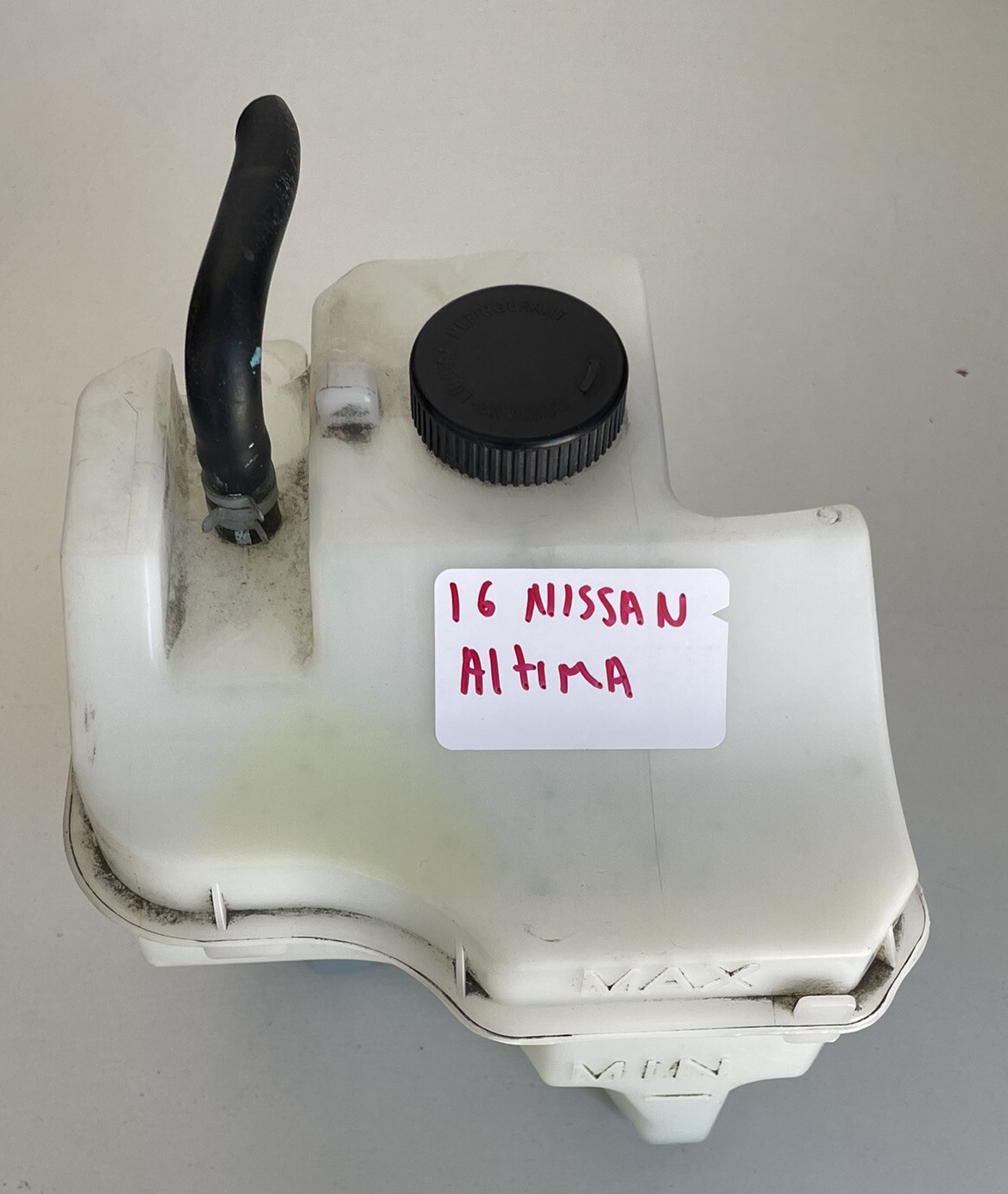
- Drain the Reservoir: The overflow tank should be removed and cleaned, or the old fluid should be siphoned out.
- Refill: Close the drain plug. Insert a spill-proof funnel into the radiator neck. Slowly pour the new Nissan Blue coolant into the radiator until it is full. Fill the reservoir tank to the "MAX" line.
- The "Burping" Process: This is the most critical step for the 2013 Altima. Start the engine with the radiator cap off (or with the funnel attached). Set the interior heater to the "Full Hot" position on a low fan setting.
- Air Evacuation: As the engine warms up and the thermostat opens, you will see bubbles rising through the funnel. This is air escaping the system. Continue to monitor the level and add fluid as needed.
- Completion: Once the bubbles stop and the cooling fans have cycled at least twice, replace the radiator cap. Check the reservoir level over the next two days of driving, as small amounts of remaining air may still work their way out.
Maintenance Intervals and Warning Signs
The original factory fill of Nissan Blue coolant is rated for 7 years or 105,000 miles, whichever comes first. However, once that initial fluid has been replaced, the service interval changes.
- Subsequent Changes: Most technicians recommend changing the coolant every 5 years or 75,000 miles after the first service. This is because a small amount of old, oxidized fluid always remains in the system, slightly degrading the lifespan of the fresh fluid.
- Annual Inspection: Check the level and color of the coolant every time you change your oil. The fluid should remain a clear, vibrant blue.
Signs of Coolant Failure
- Sweet Smell: A maple syrup-like odor inside or outside the car indicates a coolant leak. In the 2013 Altima, this often points to a leaking heater core or a hairline crack in the radiator's plastic end tanks.
- Temperature Spikes: If the temperature gauge on the dashboard rises above the middle point, your coolant may be low or the thermostat may be sticking.
- No Heat: If the engine is warm but the heater blows cold air, there is likely an air pocket in the heater core, or the coolant level is too low to reach the core.
Troubleshooting Common Cooling Issues
The 2013 model year was part of the L33 generation of the Altima. While generally reliable, there are specific cooling system issues that owners should monitor as these vehicles age into 2026.
Radiator Fan Failures
The dual cooling fans on the 2013 Altima are known to wear out. If the fans do not spin when the A/C is on or when the engine is hot, the coolant will heat up rapidly, potentially causing the head gasket to fail. Check the fan motor connectors for melting or corrosion.
Thermostat Sticking
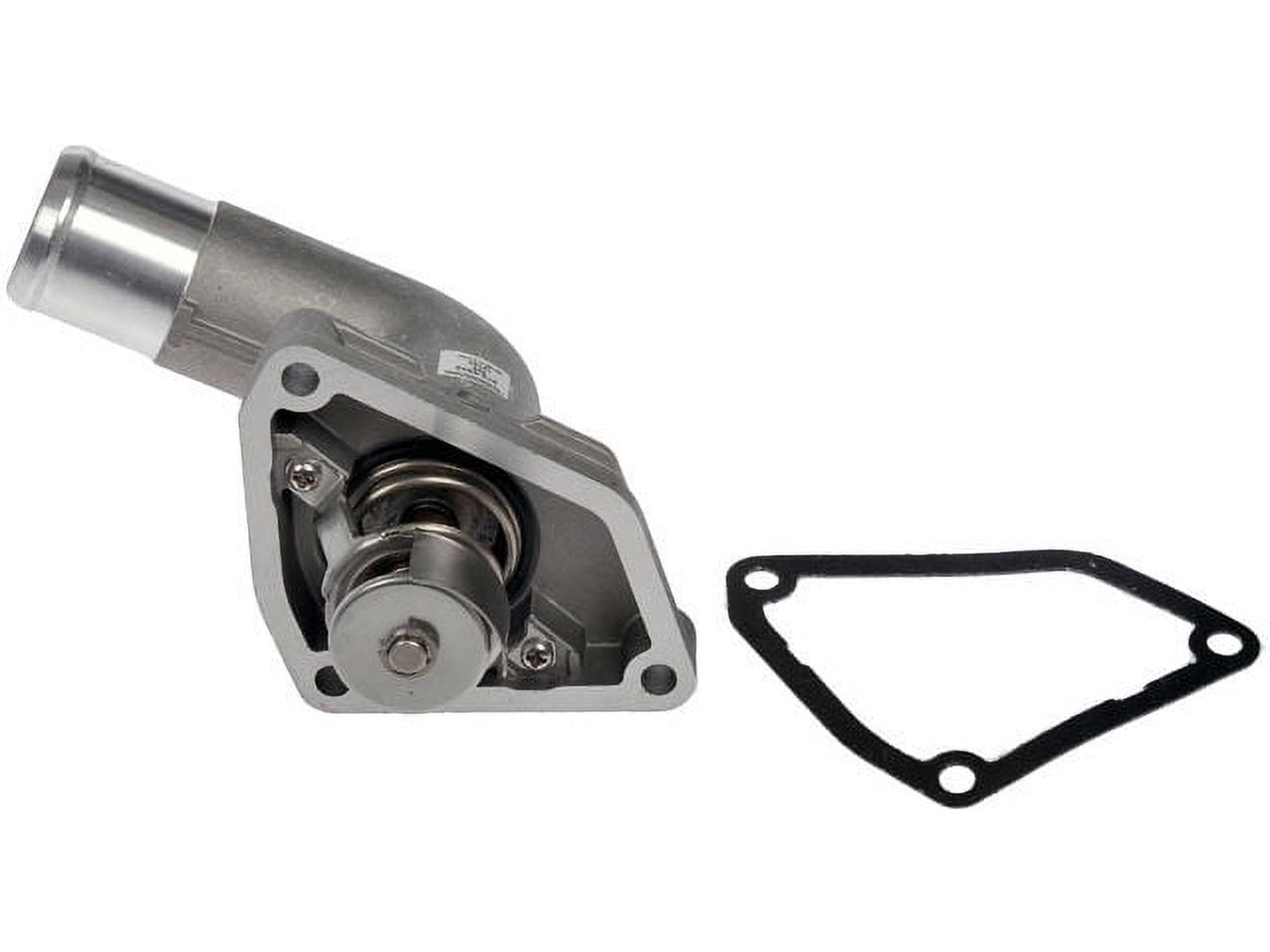
A thermostat that fails in the "closed" position will cause immediate overheating. If it fails "open," the engine will take a long time to reach operating temperature, leading to poor fuel economy and reduced heater performance. If you are replacing the coolant at a high mileage (e.g., 150,000 miles), it is a proactive best practice to replace the thermostat simultaneously.
The "Swaying" Reservoir Level
Owners often notice the coolant level in the reservoir tank moving between the "MIN" and "MAX" lines. This is normal. Coolant expands when hot and is pushed into the tank; as it cools, the vacuum pulls it back into the radiator. Only be concerned if the level consistently stays below "MIN" or if the tank is overflowing.
FAQ: 2013 Nissan Altima Coolant
Can I use the old Green Nissan coolant in my 2013 Altima? No. The green (L248) coolant is an older technology with a shorter lifespan (3 years/36,000 miles). While it won't destroy the engine immediately, it does not provide the 105,000-mile protection window required by the 2013 Altima's maintenance schedule. Mixing the two will also reduce the effectiveness of the Blue coolant's long-life additives.
Is it necessary to use "Genuine Nissan" branded fluid? While the Genuine Nissan Blue (999MP-L25500P) is the safest choice, you can use high-quality aftermarket alternatives as long as they specifically state they are P-OAT and meet the Nissan Blue specification. Brands like Zerex (Asian Vehicle Blue) and Pentosin (Pentofrost A3) are widely accepted substitutes that offer identical chemical protection.
Why is my 2013 Altima coolant disappearing if there are no visible leaks? If the coolant level is dropping but you don't see puddles, it may be evaporating through a tiny crack in the radiator or the overflow tank cap. More seriously, it could be a slow internal leak through the head gasket or the water pump's weep hole. A pressure test of the cooling system is the best way to identify the source.
Do I need to mix the coolant with water? If you purchase the "Pre-diluted 50/50" version (the most common type for Nissan Blue), do not add water. It is already mixed with demineralized water for optimal performance. If you manage to find "Concentrated" Nissan Blue, you must mix it with 50% distilled water. Using tap water is discouraged as it contains minerals that cause scale buildup.
How does the CVT transmission relate to the coolant? In the 2013 Altima, the CVT (Continuously Variable Transmission) uses a fluid cooler that is integrated into the radiator. If the engine's cooling system fails or the radiator becomes clogged, the transmission fluid can overheat, which is a leading cause of CVT failure in this generation. Keeping your engine coolant fresh directly protects your transmission's longevity.
Final Recommendation
For the 2013 Nissan Altima, sticking to the Nissan Blue Long Life (L250/L255) specification is the most critical maintenance decision you can make regarding the cooling system. As these vehicles age into 2026, the integrity of the aluminum components depends heavily on the phosphate-based protection this fluid provides. Always use a 50/50 pre-diluted mixture to avoid mineral contamination from tap water, and ensure the system is thoroughly bled of air to prevent localized hot spots in the engine. If your Altima has exceeded 105,000 miles and the coolant has never been changed, perform a full exchange immediately to prevent long-term corrosion.