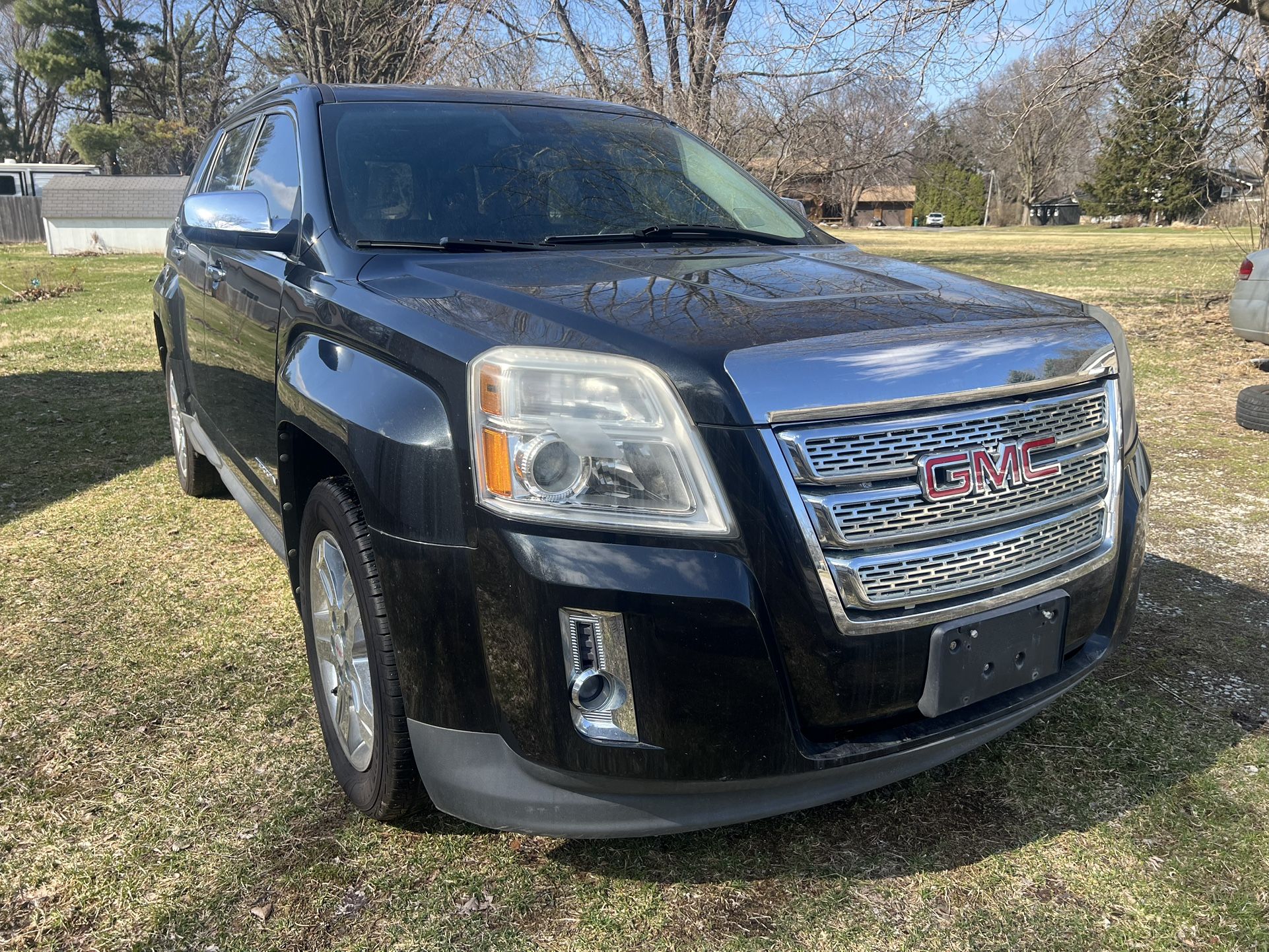
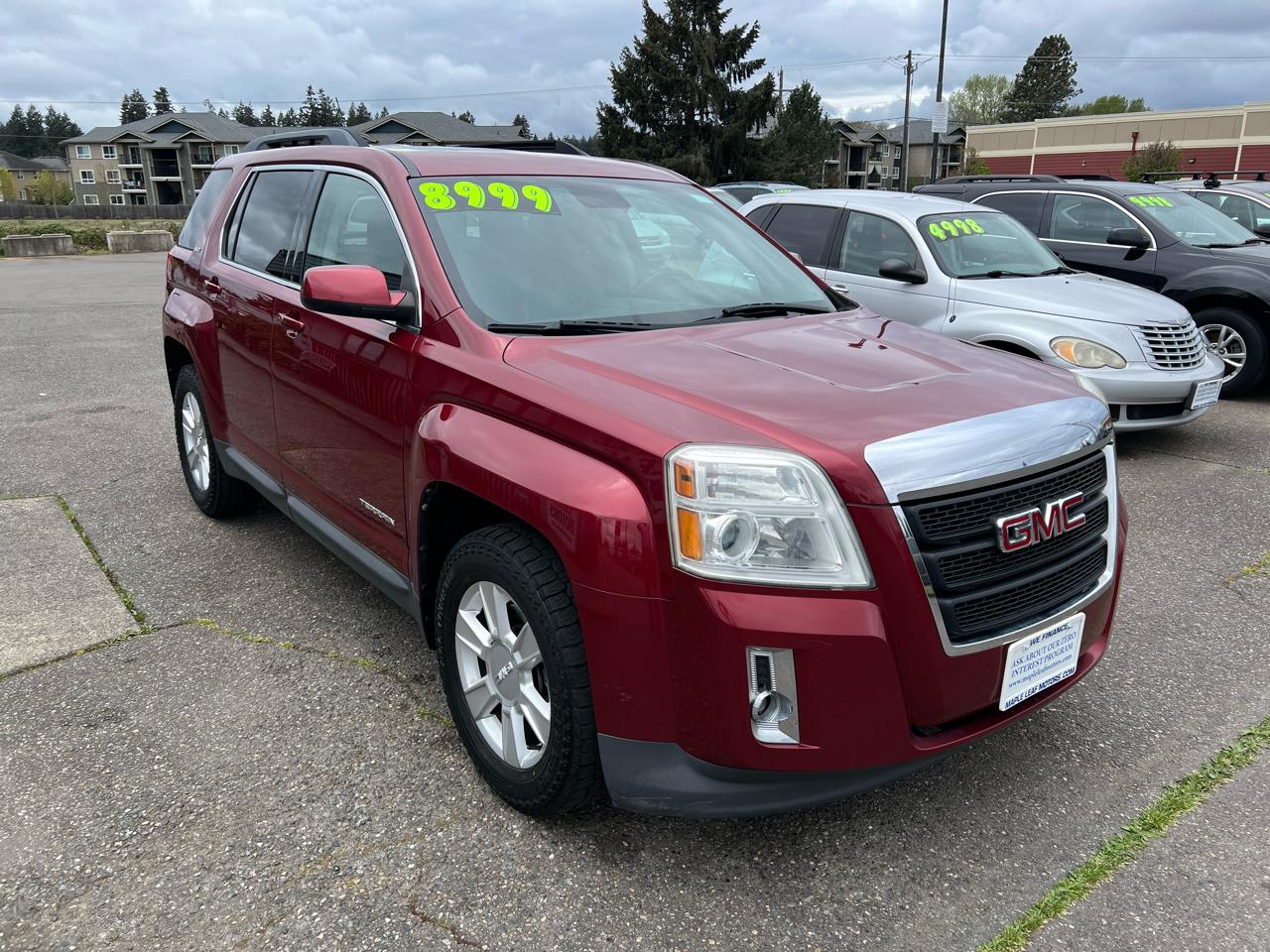
The 2012 GMC Terrain with the 2.4L 4-cylinder engine offers a blend of distinctive "industrial" styling and impressive fuel efficiency for its class, delivering up to 32 MPG on the highway. While it remains a popular choice on the used market in 2026 due to its comfortable ride and spacious interior, potential owners must prioritize a rigorous maintenance history to mitigate known issues with oil consumption and timing chain wear.
Understanding the 2.4L Ecotec Engine Platform
The heart of the 2012 GMC Terrain's base model is the 2.4-liter I4 Ecotec engine (internally designated as the LEA or LAF, depending on the specific production window and emissions standards). This engine was designed by General Motors to compete with the rising demand for fuel-efficient crossovers that didn't sacrifice the "SUV feel."
Engineering and Specifications
The 2.4L 4-cylinder utilizes Direct Injection (DI) technology. Unlike traditional port injection, DI sprays fuel directly into the combustion chamber at high pressure. This allows for a higher compression ratio and more precise fuel metering, which results in better thermal efficiency and lower emissions.
- Horsepower: 182 hp @ 6,700 rpm
- Torque: 172 lb-ft @ 4,900 rpm
- Valvetrain: Dual Overhead Cam (DOHC) with four valves per cylinder
- Variable Valve Timing (VVT): Continuously variable intake and exhaust timing to optimize power delivery across the RPM range.
In the context of 2026, where many vehicles have transitioned to smaller turbocharged engines, the naturally aspirated 2.4L in the Terrain feels linear but can struggle under heavy loads or when merging onto high-speed freeways. It is paired with the 6T45 Hydra-Matic six-speed automatic transmission, which was tuned specifically for fuel economy, often hunting for higher gears as quickly as possible to keep revolutions low.
Real-World Fuel Economy and the "Eco" Mode
One of the primary selling points of the 4-cylinder Terrain in 2012 was its EPA-estimated 32 MPG highway rating. To achieve these numbers, GMC included a dedicated "Eco" button on the center console.
When the Eco mode is engaged, the vehicle’s computer alters several parameters. The transmission shift points are moved lower in the power band, and the torque converter clutch engages earlier and more frequently. While this significantly helps fuel conservation, it can result in a "sluggish" feeling or a slight vibration (lugging) at low speeds. Owners in 2026 should be aware that as these engines age, the efficiency may drop slightly due to carbon buildup—a common byproduct of direct injection engines.
Critical Mechanical Concerns: The "Oil Consumption" Issue
No discussion of the 2012 GMC Terrain 4-cylinder is complete without addressing the well-documented issues regarding engine oil consumption. This specific model year was part of several service bulletins and secondary coverage programs due to premature wear of the piston rings.
Why Excessive Oil Consumption Occurs
The 2.4L Ecotec engine utilized low-tension piston rings designed to reduce internal friction and improve fuel economy. However, in many units, these rings failed to maintain a proper seal against the cylinder walls. This allowed oil to bypass the rings and enter the combustion chamber, where it was burned off.
In many cases, the engine would not leak oil onto the ground, nor would it produce the traditional "blue smoke" from the exhaust until the problem was severe. This led many owners to run their engines dangerously low on oil between scheduled changes. By 2026, most Terrains still on the road have either had this repaired under previous GM special coverage programs (such as Program 14159 or 15285) or are high-mileage survivors that require constant oil level monitoring.
Cascading Failures: Timing Chains and Actuators
The oil consumption issue often leads to a secondary, more expensive failure: the timing chain. The 2.4L engine relies on hydraulic tensioners that use engine oil pressure to keep the timing chain tight. If the oil level drops too low, the tensioner cannot function correctly, leading to "chain slap" or stretching. If the chain jumps a tooth on the cam gears, it can cause catastrophic engine failure, as the 2.4L is an interference engine (where valves and pistons occupy the same space at different times).
Interior Comfort and Practicality
Despite the mechanical caveats, the 2012 Terrain remains a standout for interior utility. GMC’s "MultiFlex" rear seating system is a highlight that many modern crossovers have struggled to replicate effectively.
- Rear Legroom: The rear bench can slide forward or backward by nearly 8 inches, allowing owners to prioritize either cargo space or limousine-like legroom for rear passengers.
- Cabin Quietness: GMC utilized "Acoustic Laminated Glass" and active noise cancellation (on 4-cylinder models) to keep the cabin quiet. The 4-cylinder model actually used the vehicle's speakers to emit counter-frequencies to mask the low-frequency "thrum" of the engine at low RPMs.
- Technology: Even in 2012, the Terrain offered the Pioneer 8-speaker premium audio system and the early iterations of the Color Touch Radio. While it lacks modern smartphone integration like Apple CarPlay (standard in 2026 vehicles), the Bluetooth for phone calls and the auxiliary/USB inputs remain functional for basic connectivity.
Maintenance Requirements for Longevity
If you are operating or purchasing a 2012 GMC Terrain 4-cylinder in 2026, your maintenance strategy must be proactive. Standard intervals suggested by the Oil Life Monitoring (OLM) system should often be ignored in favor of more frequent service.
- Oil Change Intervals: Do not wait for the dashboard to reach 0%. It is highly recommended to change the oil every 3,000 to 5,000 miles using high-quality Full Synthetic 5W-30 dexos1 certified oil.
- Regular Level Checks: Check the dipstick every two fuel fill-ups. If the engine is consuming oil, keeping it topped off is the only way to protect the timing chain and VVT solenoids.
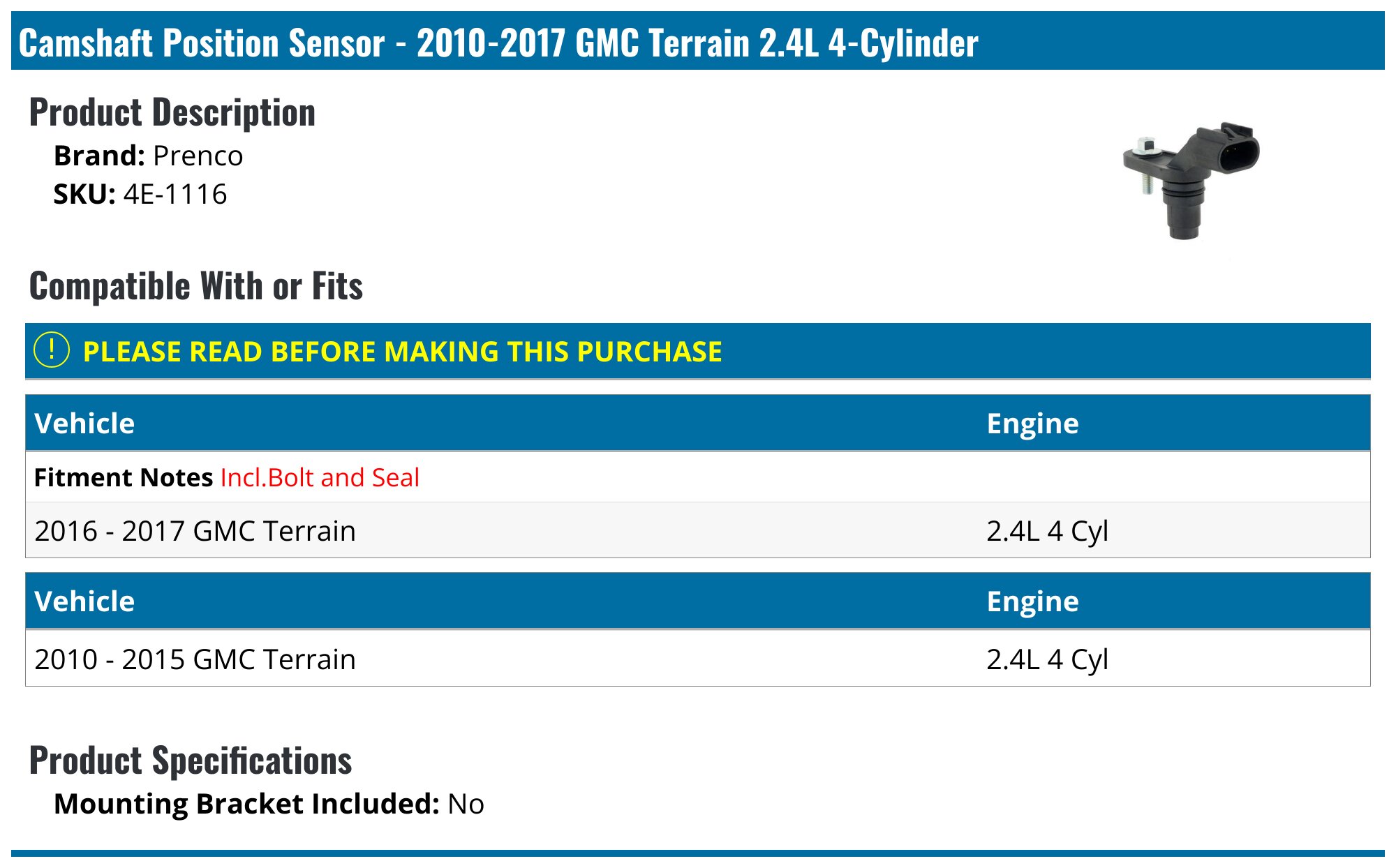
- VVT Solenoid Replacement: The intake and exhaust Variable Valve Timing solenoids are common failure points. If the vehicle experiences a rough idle or throws a P0010/P0011 code, these should be replaced immediately. They are relatively inexpensive and accessible on the top of the cylinder head.
- Transmission Fluid: The 6T45 transmission benefits greatly from a fluid "drain and fill" every 45,000 miles, especially if the vehicle is used for city driving or in hilly terrain.
Comparison: 2.4L I4 vs. 3.0L V6
When the 2012 Terrain was released, buyers chose between the 4-cylinder and the 3.0L V6. In the used market of 2026, the value proposition has shifted.
| Feature | 2.4L 4-Cylinder (I4) | 3.0L 6-Cylinder (V6) |
|---|---|---|
| Horsepower | 182 hp | 264 hp |
| EPA Fuel Economy (FWD) | 22 City / 32 Hwy | 17 City / 24 Hwy |
| Towing Capacity | 1,500 lbs | 3,500 lbs |
| Primary Advantage | Higher fuel efficiency | Greater reliability and power |
| Primary Weakness | Oil consumption / Timing chain | Lower fuel economy |
| Driving Feel | Adequate for commuting | Confident on highways/hills |
For those prioritizing fuel costs, the 4-cylinder is the winner. However, for those who want to avoid the potential "headaches" associated with the Ecotec 2.4L's oil issues, the V6 is often cited by mechanics as the more robust long-term engine, despite its thirst for fuel.
Safety and Crash Ratings
Safety remains a significant consideration for a 14-year-old vehicle. The 2012 GMC Terrain performed well in its era and still offers a respectable safety suite.
The Insurance Institute for Highway Safety (IIHS) named the 2012 Terrain a Top Safety Pick. It earned "Good" ratings in moderate overlap front, side, roof strength, and head restraint tests. It features six standard airbags, including head-curtain side-impact airbags and front seat-mounted side-impact airbags. Furthermore, the inclusion of StabiliTrak (electronic stability control) and traction control as standard equipment helps maintain vehicle composure during emergency maneuvers. More information on historical safety data can be found at the NHTSA official website.
What to Look for When Buying in 2026
If you are inspecting a used 2012 GMC Terrain with the 4-cylinder engine, follow this checklist to ensure you aren't buying a vehicle on the verge of mechanical failure:
- Cold Start Observation: Listen for a "rattle" or "clatter" for the first 2-3 seconds after a cold start. This often indicates a stretched timing chain or failing cam phasers.
- Service Records: Look specifically for documentation regarding "Piston and Ring Replacement." If this was done by a GM dealer, the engine's lifespan has likely been significantly extended.
- Exhaust Manifold: Check for the smell of exhaust in the cabin or a ticking noise under acceleration. The exhaust manifolds on the 2.4L are prone to cracking.
- Tailpipe Residue: Wipe the inside of the tailpipe. A thick, greasy black soot can be an indicator of excessive oil burning.
Frequently Asked Questions
Does the 2012 GMC Terrain 4-cylinder have a timing belt or a timing chain?
The 2.4L Ecotec engine uses a timing chain. Unlike a belt, a chain is theoretically designed to last the life of the engine. However, due to the aforementioned oil consumption issues in this specific engine, the chain is known to stretch or fail prematurely if oil levels are not meticulously maintained.
What is the towing capacity of the 4-cylinder 2012 Terrain?
The 4-cylinder model is rated to tow up to 1,500 pounds. This is sufficient for a small utility trailer or a pair of jet skis but is not intended for campers or heavy trailers. If you need to tow more, the V6 model is rated for 3,500 pounds.
Why is my "Service StabiliTrak" light on?
In the 2012 Terrain, this light is often a "catch-all" for various issues. While it can mean a fault in the stability control system, it is frequently triggered by engine performance issues, such as a faulty mass airflow sensor or VVT solenoids, which cause the engine to run poorly and confuse the traction control computer.
Is the 2012 GMC Terrain 4-cylinder All-Wheel Drive (AWD)?
The 4-cylinder was available in both Front-Wheel Drive (FWD) and All-Wheel Drive (AWD). Note that the AWD models see a slight reduction in fuel economy (approximately 20 City / 29 Hwy) compared to the FWD versions.
How many miles will a 2012 GMC Terrain last?
With perfect maintenance, these vehicles can reach 200,000 miles. However, many 4-cylinder models encounter major engine issues between 120,000 and 150,000 miles if the oil consumption problem was never addressed.
Final Recommendation
The 2012 GMC Terrain 4-cylinder is a vehicle of contrasts. It offers some of the best interior ergonomics and highway fuel economy of its decade, wrapped in a bold design that still looks contemporary in 2026. However, the 2.4L engine requires a disciplined owner. If you are someone who checks your oil regularly and follows a strict maintenance schedule, the Terrain can be a highly functional and affordable crossover. For those who prefer a "set it and forget it" approach to car care, seeking out a model with the 3.0L V6 or looking at a different platform may be the wiser long-term decision.