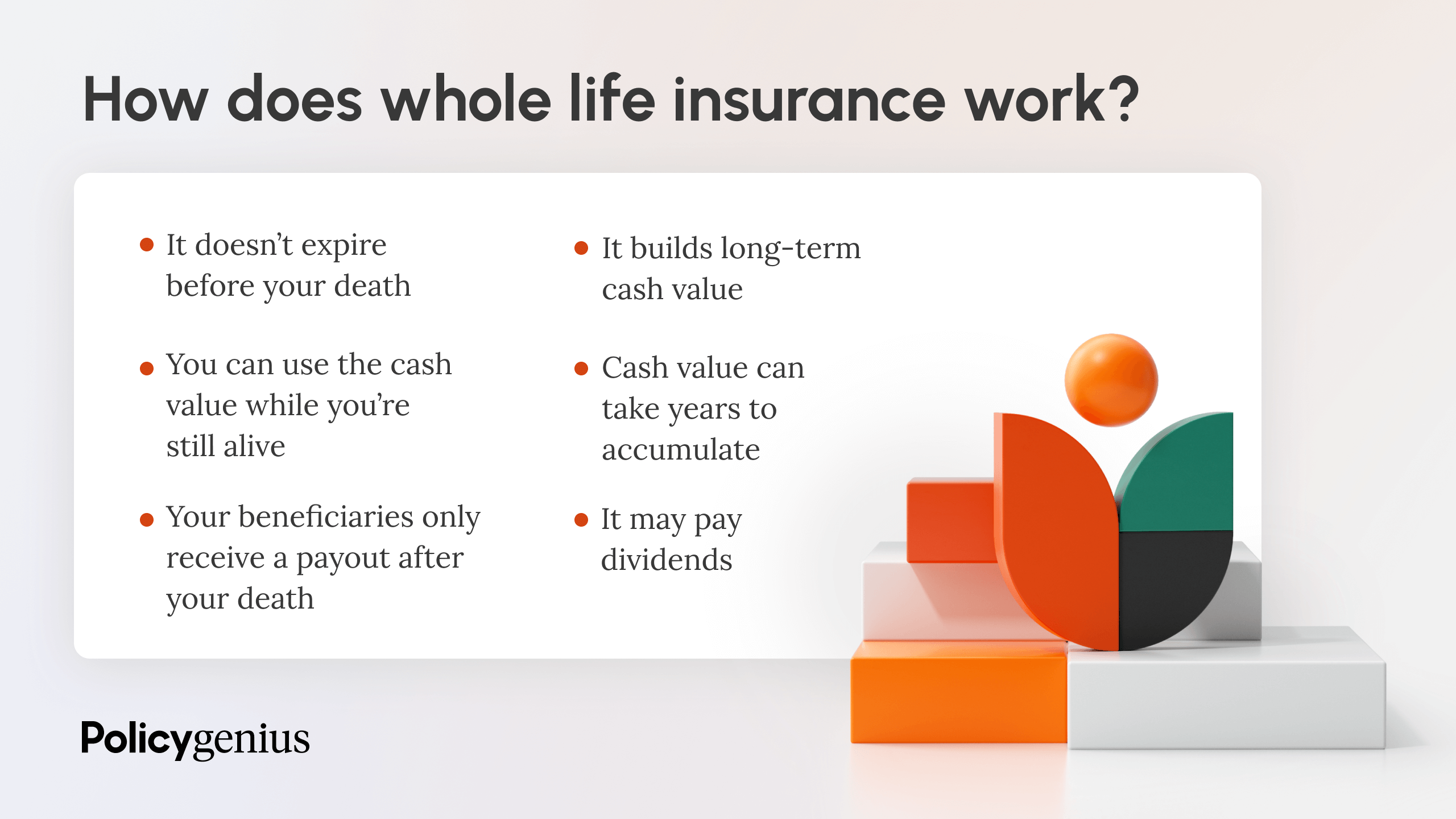
At its core, whole life insurance is a type of permanent life insurance. This fundamental classification is often clouded by marketing narratives and individual financial misconceptions that treat the product either as a high-yield investment vehicle or a predatory financial trap. Understanding this insurance instrument requires stripping away the myths surrounding its dual nature as both a death benefit provider and a cash value savings component.
Defining the Core Architecture of Permanent Life Insurance
To understand the core of whole life insurance, one must first recognize its place within the broader category of permanent life insurance. Unlike term life insurance, which provides coverage for a specified period—typically 10, 20, or 30 years—permanent insurance is designed to remain in force for the policyholder’s entire lifetime, provided the required premiums are paid.
"Permanent" does not merely refer to the duration of the policy; it refers to the stability of the contract. A whole life insurance policy is defined by a level premium structure, a guaranteed death benefit, and a guaranteed cash value accumulation component. Because the insurance company carries the mortality risk for the entirety of the insured’s life, the pricing model is calculated to account for the certainty of a claim, rather than the probability of one occurring during a limited window of time.
The Role of Guaranteed Values
The defining feature of whole life insurance is its reliance on contractual guarantees. When you purchase a policy, the insurer contractually obligates itself to pay the face amount upon the insured's death, regardless of when that death occurs. Simultaneously, the policy accumulates cash value according to a fixed schedule set at the time of purchase. This is the primary point of departure from other permanent products, such as Universal Life or Variable Life, where the cash value and death benefit may fluctuate based on interest rate environments or market performance.
Addressing the Common Myths
The confusion surrounding whole life insurance often stems from a fundamental misunderstanding of what the product is designed to do. By examining the most common myths, we can better align expectations with the actual technical specifications of these policies.
Myth 1: Whole Life Insurance Is an Investment
Perhaps the most persistent myth is that whole life insurance is an investment product comparable to a brokerage account, a 401(k), or an IRA.
The Reality: Whole life insurance is a risk management tool. While the cash value component does grow, its primary purpose is to stabilize the cost of the insurance over time and to provide a source of liquidity. The rate of return on the cash value is typically modest compared to equity-based investments because the insurance company prioritizes capital preservation and the ability to meet long-term death benefit obligations. Treating a policy as an investment vehicle rather than a financial foundation often leads to disappointment regarding growth rates.
Myth 2: The Cash Value is "Free Money"
A frequent misunderstanding is that the cash value accumulates on top of the death benefit and can be withdrawn without consequence.
The Reality: The cash value is a result of the policyholder overpaying the "cost of insurance" in the early years of the contract. This surplus is held by the insurer, earns interest, and is used to offset the rising cost of mortality as the insured ages. If you withdraw the cash value, you are typically accessing your own premiums plus interest. Furthermore, if you borrow against your cash value, your death benefit is reduced by the amount of the outstanding loan plus interest. If the policy lapses while a loan is outstanding, the remaining cash value may not be sufficient to cover the tax liabilities, potentially leading to a taxable event.
Myth 3: It Is Always Superior to Term Insurance
Some proponents claim that whole life insurance is the only "smart" choice for anyone planning for the long term.
The Reality: Financial suitability is highly dependent on an individual’s cash flow and financial goals. For many families, the premium cost of whole life insurance is prohibitively high compared to term insurance, which may lead to under-insuring the primary breadwinner. Term insurance is often the superior choice for covering temporary liabilities, such as a mortgage or the cost of raising children to adulthood. Whole life is generally intended for specific long-term goals, such as estate planning, multi-generational wealth transfer, or covering permanent final expenses.
Comparative Framework: Whole Life vs. Other Coverage
When evaluating life insurance, it is helpful to categorize products by their structure. The following table illustrates the distinctions between whole life and other common insurance structures available in 2026.
| Feature | Whole Life | Term Life | Universal Life |
|---|---|---|---|
| Duration | Lifetime | Fixed Term | Lifetime (if funded) |
| Premiums | Fixed/Level | Fixed/Level | Flexible |
| Cash Value | Guaranteed | None | Interest-linked |
| Primary Goal | Permanent protection | Temporary protection | Flexible long-term |
| Risk Exposure | Low (Insurer bears) | Low (Policyholder) | Moderate (Market/Rate) |
The Mechanics of Cash Value and Dividends
In the context of mutual insurance companies—which issue many of the most recognizable whole life policies—policyholders may be eligible for dividends. It is vital to clarify that these dividends are not guaranteed profits; they are a return of "excess" premium. When an insurance company’s actual experience (in mortality, expenses, and investment income) is more favorable than what was projected in the premium rates, they may return a portion of that surplus to policyholders.
These dividends can be used in several ways:
- Cash: Paid directly to the policyholder.
- Premium Reduction: Applied to lower the annual out-of-pocket cost.
- Paid-Up Additions: Used to purchase small increments of additional death benefit, which also increase the policy’s total cash value.
- Accumulation: Left with the insurance company to earn interest.
Understanding these mechanics is essential for long-term planning. The decision to use dividends to buy "paid-up additions" is a core strategy for those who view the policy as a long-term asset, as it compounds the death benefit and cash value significantly over decades.
Practical Considerations for Policyholders
Before committing to a whole life policy, prospective policyholders must perform a "needs analysis." This process involves calculating the total financial obligations your survivors would face in your absence and determining how much of that liability is permanent versus temporary.
Prerequisites for Success
- Budgetary Consistency: Whole life insurance requires a long-term financial commitment. The premiums are high, and lapsing the policy in the first few years often results in a significant loss of capital.
- Defined Financial Goals: You should clearly define why you need permanent coverage. Is it to cover estate taxes? Is it to provide a legacy for heirs? Is it to provide a stable, tax-advantaged source of liquidity?
- Tax Considerations: In most jurisdictions, the cash value in a whole life policy grows tax-deferred. Furthermore, death benefits are generally paid out to beneficiaries income-tax-free. These tax advantages are a primary driver for using whole life insurance as a component of a larger estate plan.
Identifying Potential Red Flags
If a seller positions a whole life policy as a "get rich quick" scheme or suggests that you replace an existing, well-funded retirement plan with a whole life policy, exercise extreme caution. These policies are foundational, slow-moving instruments. They are rarely intended to outperform equity markets in terms of pure growth, and they should never be purchased at the expense of necessary emergency savings or essential retirement contributions.
Frequently Asked Questions
1. Does the cash value in whole life insurance expire at a certain age?
No. The cash value continues to grow as long as the policy remains in force. If the insured reaches the "endowment age"—often age 100 or 121 in older policy designs, though modern policies often extend to age 121—the policy may "endow," meaning the cash value equals the death benefit. At this point, the face amount is typically paid out to the policyholder.
2. Can I change my mind and cancel my whole life policy?
Yes. You can surrender a policy at any time. However, surrender charges may apply during the first 10 to 15 years of the contract. If you surrender the policy, you will receive the "surrender value," which is the cash value minus any applicable surrender fees and outstanding loans. This is often less than the total premiums paid, especially in the early years.
3. Is whole life insurance the same as universal life?
No. While both are types of permanent insurance, they operate differently. Universal life policies offer flexible premiums and death benefits, but the cash value is tied to interest rates and internal costs, which can fluctuate. Whole life provides guaranteed, predictable outcomes, whereas universal life requires more active monitoring to ensure the policy remains funded.
4. Are dividends guaranteed?
No. Dividends are not guaranteed by any insurance carrier. They are contingent upon the company’s financial performance, mortality experience among policyholders, and investment results. While many companies have a long track record of paying dividends, they are legally permitted to adjust or eliminate them based on their financial health.
5. What happens to the cash value if I die?
In a standard whole life policy, the insurance company pays the death benefit to the beneficiaries. The cash value is absorbed by the insurance company to help fund the death benefit payment. It is not paid out in addition to the death benefit unless the policy specifically includes a provision for "return of cash value" or similar riders, which are rare and increase the premium cost.
Final Recommendations for Your Financial Strategy
The most effective approach to life insurance begins with an objective assessment of your financial fragility. If your primary objective is to protect dependents from lost income for a specific number of years, term insurance provides the most efficient use of capital.
If your objective is to ensure that a death benefit will be available regardless of when you pass away, or to utilize the cash value as a stabilized, tax-advantaged asset for long-term planning, whole life insurance is a viable, albeit complex, instrument. Before signing a contract, request an "in-force illustration" if you are looking at existing policies, or a "pro-forma illustration" for a new policy. Ensure you understand the guaranteed vs. non-guaranteed elements of the growth projections.
Because whole life insurance represents a significant, multi-decade contract, it is highly recommended to consult with a fee-only financial planner or an insurance advisor who is not incentivized by the commission structures of a single carrier. This will ensure that the policy fits into your comprehensive financial plan rather than acting as a standalone, potentially misunderstood, or ill-fitting product.