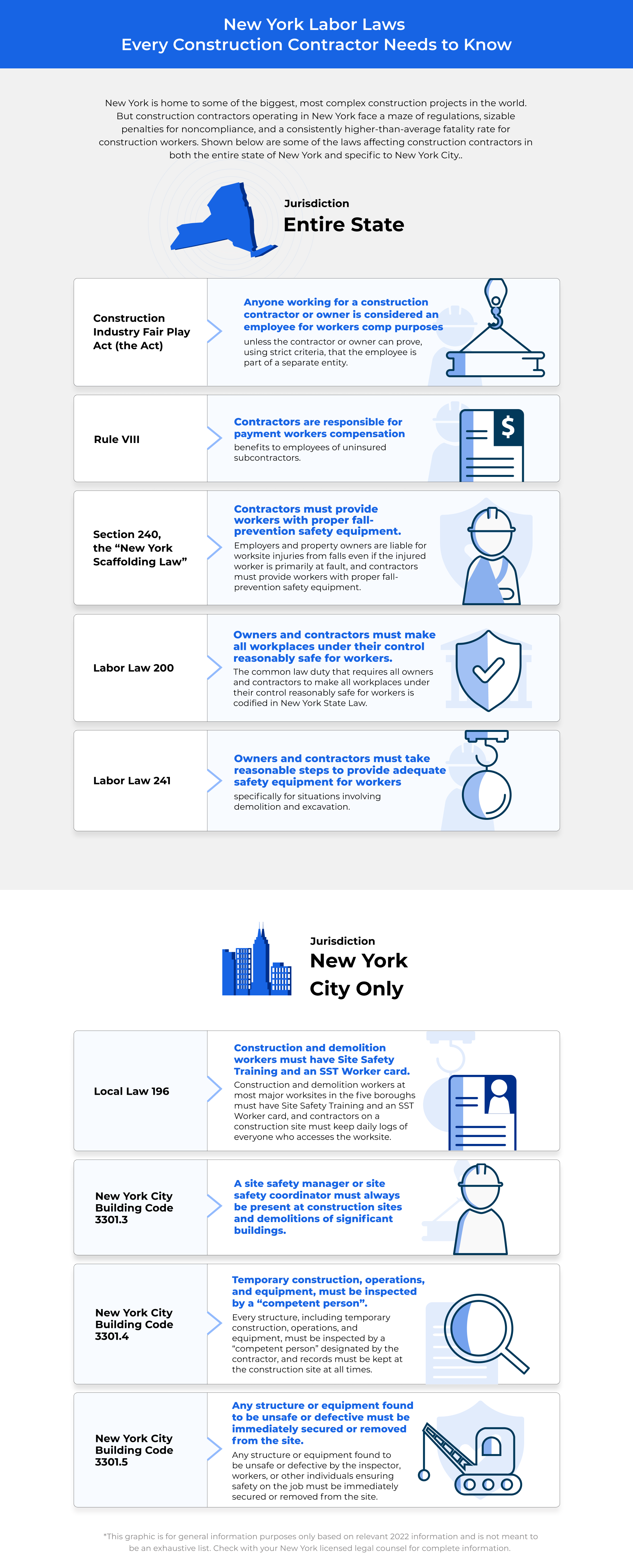
When an injured employee faces the complexities of the New York State workers' compensation system, securing knowledgeable legal guidance from an experienced attorney, such as those practicing under or similarly situated to an attorney Cassidy, can mean the difference between a denied claim and secure financial recovery. Navigating medical evidence, insurer disputes, and strict board filing deadlines requires a clear understanding of your rights and obligations under New York law.
Understanding the New York State Workers' Compensation System
The New York State Workers’ Compensation Board administers a no-fault insurance system designed to provide medical treatment and wage replacement benefits to employees who suffer job-related injuries or illnesses. Under this statutory framework, covered employees are generally entitled to medical care without out-of-pocket costs and cash benefits for lost wages, regardless of who was at fault for the accident. However, the administrative procedures required to secure these benefits are notoriously intricate. Insurers and employers frequently scrutinize claims, dispute the causal relationship between the workplace incident and the resulting medical condition, or attempt to limit the duration of wage replacement benefits.
Faced with these hurdles, claimants often seek out legal representation to protect their interests. An attorney specializing in New York workers' compensation law helps injured workers navigate the procedural landscape, ensuring that all necessary forms—such as the Employee Claim Form (C-3)—are filed accurately and within the strict statutory timeframes. Furthermore, legal counsel represents the claimant during hearings before Workers' Compensation Law Judges, cross-examines opposing medical experts, and advocates for maximum compensation rates based on the worker's average weekly wage.
The Role and Scope of Legal Representation in Compensation Claims
Legal representation in a workers' compensation matter extends far beyond simple paperwork filing. A seasoned advocate acts as a strategic buffer between the injured worker and aggressive insurance adjusters. Insurance carriers employ teams of adjusters and defense attorneys whose primary goal is to minimize financial exposure. Without professional representation, claimants may inadvertently provide statements that jeopardize their claims or fail to present the specific medical evidence required by the Board.
When an attorney takes on a workers' compensation claim, their responsibilities typically encompass several critical phases:
- Initial Claim Evaluation: Reviewing the circumstances of the workplace accident to establish jurisdiction, coverage eligibility, and immediate notification compliance.
- Medical Evidence Development: Collaborating with treating physicians to ensure that medical reports explicitly address the statutory standard of causal relationship and degree of disability.
- Representation at Hearings: Appearing before the Workers' Compensation Board to argue contested points, such as whether an injury arose out of and in the course of employment.
- Managing Independent Medical Examinations (IMEs): Preparing clients for carrier-requested IMEs and challenging biased reports submitted by insurance-hired physicians.
- Negotiating Settlements: Evaluating Section 32 waiver agreements to determine whether a lump-sum settlement is in the claimant's long-term financial best interest.
Key Procedural Deadlines and Requirements in New York
Navigating a workers' compensation claim in New York requires strict adherence to statutory timelines. Missing a deadline can result in the permanent forfeiture of benefits, making the guidance of legal counsel invaluable for maintaining compliance.
| Requirement | Statutory Rule | Potential Consequence of Failure |
|---|---|---|
| Notice of Injury | Must notify employer in writing within 30 days of the accident or realization of occupational disease. | Can bar the claim unless the employer had actual knowledge or is not prejudiced by the delay. |
| Filing Form C-3 | Must file an Employee Claim with the Board within 2 years of the accident date. | Claim is barred by the statute of limitations, subject to narrow exceptions. |
| Medical Reports | Treating physicians must submit periodic reports (e.g., Form C-4) documenting ongoing disability. | Suspension of wage replacement benefits until updated medical evidence is received. |
| Challenging Denials | Must file an application for administrative review within 30 days of a Law Judge's decision. | Loss of the right to appeal an adverse ruling to a panel of the Board. |
Common Challenges and Disputes in Workers' Compensation Cases
Even straightforward claims can encounter resistance from insurance carriers. Understanding the common points of contention helps claimants and their legal representatives prepare robust defenses against unwarranted denials or benefit reductions.
Causal Relationship Disputes
Insurers frequently challenge whether an injury or degenerative condition was truly caused by a specific workplace incident. For example, if an employee has a pre-existing back condition that is aggravated by lifting heavy materials on the job, the carrier may argue that the current disability stems entirely from the pre-existing pathology. An attorney works with specialized medical providers to establish legal aggravation, proving that the workplace accident accelerated or worsened the underlying condition to a disabling degree.
Independent Medical Examination (IME) Conflicts
Carriers possess the statutory right to require claimants to be examined by physicians of the carrier's choosing. These IMEs often result in reports declaring that the worker has fully recovered, can return to work without restrictions, or that the ongoing disability is unrelated to the accident. Legal counsel plays a vital role in discrediting biased IME reports by highlighting inconsistencies with the treating physician's longitudinal records and cross-examining the IME doctor when permissible.
Classification of Disability and Benefit Caps
New York law categorizes disabilities as temporary or permanent, and partial or total, each carrying different benefit formulas and caps. Disputes often arise regarding whether a worker has a permanent partial disability (PPD) subject to caps on weeks of compensation, or a total disability. Attorneys advocate for classifications that maximize the duration and amount of cash benefits, particularly when retraining or vocational rehabilitation is necessary.
Evaluating Legal Services and Attorney Selection
When seeking legal assistance for a New York workers' compensation claim, injured workers should consider several practical factors. Unlike other areas of law where hourly fees apply, workers' compensation attorneys in New York operate under a contingency fee structure regulated strictly by the Workers' Compensation Board. Attorneys cannot collect upfront retainers or hourly fees from claimants; instead, their fees must be approved by a Workers' Compensation Law Judge and are typically paid as a percentage of the awarded benefits or settlement.
Prospective clients should inquire about an attorney's specific experience handling New York State claims, their familiarity with local Board offices, and their track record in handling contested hearings and Section 32 settlements. Communication style and responsiveness are also crucial, as workers navigating prolonged medical treatments and lost wages require clear, consistent updates regarding the status of their litigation.
Frequently Asked Questions
Can I choose my own doctor for a New York workers' compensation claim?
Generally, you must treat with a physician who is authorized by the New York State Workers' Compensation Board, unless it is an emergency. If your employer participates in a Preferred Provider Organization (PPO) or Alternative Dispute Resolution (ADR) program, you may be subject to specific network requirements, but you still retain the right to select an authorized treating provider within those parameters.
What happens if my employer does not carry workers' compensation insurance?
If an employer fails to maintain mandatory workers' compensation coverage, New York law provides a safety net through the Uninsured Employers' Fund (UEF). Injured workers can file claims through the UEF to secure medical benefits and compensation awards. Additionally, uninsured employers face severe civil and criminal penalties under New York law, and injured workers may pursue personal injury lawsuits in civil court alongside their Board claims.
How are workers' compensation attorney fees paid in New York?
Attorney fees in New York workers' compensation cases are contingent upon securing benefits and must be approved by a Workers' Compensation Law Judge. Lawyers do not charge out-of-pocket retainers. If an award is granted, the judge fixes a fee, which is usually a modest percentage of the award, and that amount is deducted and paid directly to the attorney by the insurance carrier or from the claimant's retroactive benefits.
Can I be fired for filing a workers' compensation claim in New York?
Under Section 120 of the New York Workers' Compensation Law, it is illegal for an employer to discharge or discriminate against an employee because they have claimed or attempted to claim workers' compensation benefits. If you experience retaliation, wrongful termination, or harassment after filing a claim, your attorney can file a separate discrimination claim seeking reinstatement and back pay.
What is a Section 32 waiver agreement?
A Section 32 waiver agreement is a settlement between the injured worker and the insurance carrier that resolves all or part of a workers' compensation claim on a final, lump-sum basis. Once approved by the Board, the claimant typically gives up the right to future indemnity or medical benefits related to the claim. Because these agreements are permanent and irrevocable after a brief review period, legal representation is essential to evaluate the adequacy of the settlement.
Next Steps for Injured Workers
If you have sustained a workplace injury in New York, immediate action is necessary to protect your rights. Report the incident to your employer in writing within the 30-day statutory window, seek immediate medical attention from a Board-authorized provider, and ensure that your medical history accurately reflects the work-related nature of your condition. Consulting with a qualified workers' compensation attorney early in the process ensures that procedural pitfalls are avoided and that your claim is positioned for maximum recovery.