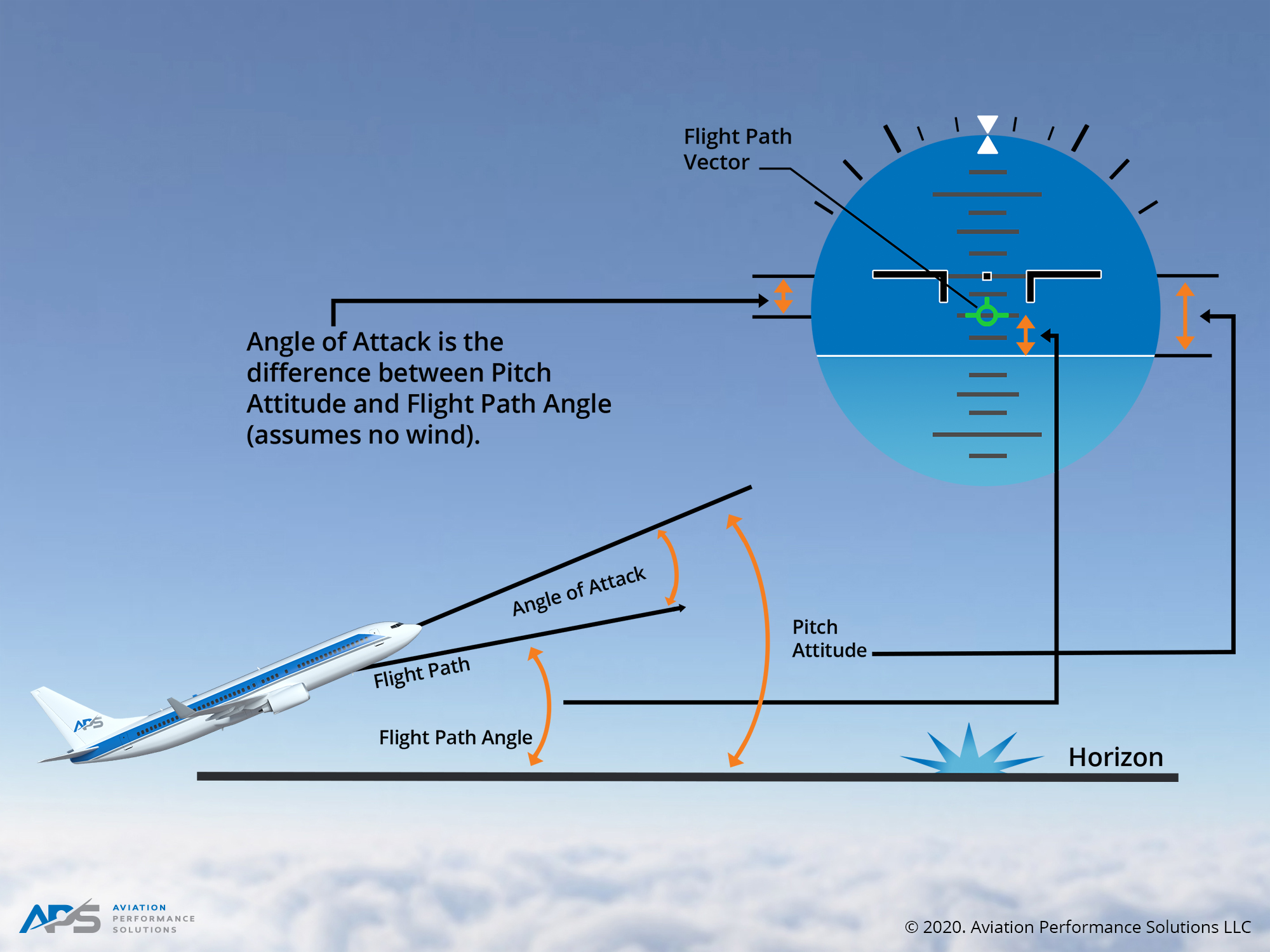
Attitude in aviation refers to the orientation of an aircraft's longitudinal and lateral axes relative to the Earth's horizon. It determines where the aircraft's nose points and how the wings are tilted, directly dictating its flight path, pitch, roll, and overall aerodynamic state.
Understanding the Fundamentals of Aircraft Attitude
In aviation, the term "attitude" has a very specific meaning that diverges entirely from human psychology or mood. It describes the physical spatial orientation of an airframe in three-dimensional space. To understand how an airplane flies, changes direction, or maintains steady-level flight, a pilot must constantly monitor and manage this orientation. Flight mechanics dictate that an aircraft moves through a fluid medium—air—and its trajectory is a direct consequence of how its physical frame is angled against the relative wind and the horizon.
Every maneuver, from a routine climb to a complex aerobatic roll, is executed by altering the aircraft’s attitude. When a pilot manipulates the flight controls—the yoke or stick, rudder pedals, and throttle—they are not directly changing the altitude or the speed; they are changing the attitude. The resulting aerodynamic forces then change the performance of the aircraft. Consequently, mastering attitude instrument flying and visual reference flying is the cornerstone of pilot training worldwide.
The Three Spatial Axes of Flight
To comprehend how attitude functions, one must look at the three-dimensional Cartesian coordinate system centered on the aircraft's center of gravity. An airplane moves freely in space, possessing three degrees of rotational freedom. Each degree corresponds to a specific axis:
- Longitudinal Axis (Roll Axis): An imaginary line running straight through the aircraft from the nose to the tail. Movement around this axis is known as roll. When a pilot banks the aircraft to the left or right, they are changing its lateral attitude.
- Lateral Axis (Pitch Axis): An imaginary line running horizontally from wingtip to wingtip. Movement around this axis is known as pitch. When the nose moves up or down relative to the horizon, the pilot is adjusting the pitch attitude.
- Vertical Axis (Yaw Axis): An imaginary line passing vertically through the center of gravity, perpendicular to the wings and fuselage. Movement around this axis is known as yaw, which points the nose left or right without banking the wings.
Attitude is primarily a combination of pitch and roll. While yaw affects the directional alignment of the fuselage, pitch and roll dictate the actual energy state and flight path of the aircraft through the sky.
Pitch and Roll: The Core Components of Attitude
While yaw plays a critical role in coordinated flight and turning performance, attitude instrumentation and pilot workload focus intensely on pitch and roll. These two components define the visual picture seen through the windshield and the primary indications displayed on the flight deck.
Pitch Attitude
Pitch attitude is the angle between the aircraft's longitudinal axis and the natural horizon. It is expressed in degrees, either positive (nose-up) or negative (nose-down). Controlling pitch is the primary method for managing airspeed and vertical speed.
When a pilot pulls back on the control yoke, the elevator deflects upward, pushing the tail down and raising the nose. This increases the angle of attack—the angle between the chord line of the wing and the relative wind. If the pitch attitude is increased excessively without adding thrust, the aircraft will decelerate and eventually approach an aerodynamic stall. Conversely, lowering the pitch attitude decreases the angle of attack, increasing airspeed while causing the aircraft to descend unless power is adjusted.
Roll Attitude
Roll attitude, also referred to as bank angle, is the angle between the lateral axis (the line connecting the wingtips) and the horizon. It is measured in degrees of bank. Rolling the aircraft is accomplished by deflecting the ailerons in opposite directions, causing one wing to generate more lift than the other.
Roll is used primarily to turn the aircraft. When an airplane is banked, a horizontal component of lift is created. This horizontal vector pulls the aircraft off a straight path, initiating a turn. Without a bank, an aircraft can yaw using the rudder, but it will slip or skid rather than execute a coordinated, efficient turn. Maintaining a precise roll attitude ensures that standard-rate turns are executed cleanly without discomfort to passengers or undue stress on the airframe.
How Attitude is Visualized and Measured
Pilots determine and control aircraft attitude using two primary methods: external visual reference and internal instrument reference. Both are essential, though their application depends heavily on meteorological conditions and the flight phase.
Visual Flight Rules (VFR) Reference
When flying in clear weather under Visual Flight Rules, pilots rely heavily on the natural horizon outside the cockpit. By referencing the relationship between the aircraft's cowling (nose) and the distant horizon, a pilot can maintain straight-and-level flight, climbs, and descents.
- Level Flight: The top of the instrument panel or the aircraft nose is maintained at a specific, constant distance relative to the horizon line.
- Climbing Flight: The nose is positioned above the horizon by a predetermined visual margin.
- Descending Flight: The nose is positioned below the horizon.
Flight instructors teach students to scan constantly: checking outside for traffic and attitude, and scanning inside to cross-reference engine instruments and flight parameters.
Instrument Flight Rules (IFR) Reference
When clouds, fog, darkness, or precipitation obscure the natural horizon, spatial disorientation becomes a severe hazard. The human inner ear is notoriously unreliable for determining orientation when visual cues are absent. To overcome this, aviation relies on gyroscopic and electronic flight instruments.
| Instrument Name | Primary Function in Attitude Management | Underlying Technology |
|---|---|---|
| Attitude Indicator (AI) | Displays pitch and roll relative to an artificial horizon. | Gyroscopic rigidity in space or AHRS (Attitude and Heading Reference Systems). |
| Aloud/Vertical Speed Indicator (VSI) | Reflects the performance results of a given pitch attitude. | Barometric pressure sensing. |
| Airspeed Indicator (ASI) | Indicates the aerodynamic response to pitch and power changes. | Pitot-static pressure differential. |
| Heading Indicator / DG | Displays the directional alignment resulting from yaw and roll. | Gyroscopic or magnetometer-based direction sensing. |
The Attitude Indicator (often called the artificial horizon or gyro horizon) is the single most important instrument for instrument flight. It features a miniature airplane symbol fixed against a horizon bar. When the aircraft pitches up or down, or rolls left or right, the horizon bar moves correspondingly, giving the pilot an immediate, intuitive representation of the aircraft's attitude in space.
Attitude Versus Power: The Control-Performance Method
A foundational concept taught in flight schools worldwide is the Control and Performance method of aircraft control. This philosophy separates flight instruments and inputs into two distinct categories: control instruments and performance instruments. Attitude is categorized strictly under control.
The Control Instruments
Control instruments are those that show immediate, direct responses to control inputs made by the pilot. These include:
- The Attitude Indicator: Directly reflects elevator and aileron inputs.
- The Tachometer or Manifold Pressure Gauge: Directly reflects throttle adjustments.
By setting a specific attitude and a specific power setting, the pilot establishes a known baseline for the aircraft.
The Performance Instruments
Performance instruments show the actual results of the attitude and power combination chosen by the pilot. These include:
- Altimeter: Shows altitude changes resulting from pitch attitude.
- Airspeed Indicator: Shows speed changes resulting from pitch attitude and power.
- Vertical Speed Indicator: Shows rate of climb or descent.
The golden rule of precision flying is: Attitude + Power = Performance. If a pilot wants a specific performance outcome—such as a 500-foot-per-minute climb at 90 knots—they do not stare at the altimeter trying to force the airplane upward. Instead, they adjust the pitch attitude to the specific mark on the artificial horizon and set the appropriate power. The performance will naturally follow.
Common Pilot Errors Involving Aircraft Attitude
Managing attitude correctly requires discipline, precise motor skills, and constant cross-referencing. Even experienced aviators can fall into habitual traps that degrade flight safety.
1. "Chasing" the Instruments
A common mistake among student pilots encountering instrument meteorological conditions is chasing the altimeter or airspeed indicator. When the altimeter shows the aircraft dropping slightly, the pilot reacts by pulling back on the yoke without reference to the attitude indicator. This over-control leads to pilot-induced oscillations (PIO), where the aircraft bounces up and down through the desired altitude. The correct procedure is to adjust the attitude indicator to the correct pitch setting and allow the performance instrument to settle.
2. Over-Reliance on Sensory Perceptions
The human vestibular system relies on gravity and acceleration to sense movement. During coordinated turns or in turbulence, fluid in the inner ear can trick the brain into believing the aircraft is level when it is banked steeply, or turning when it is flying straight. Failing to trust the attitude instrument over physical sensations is a primary cause of spatial disorientation and fatal loss of control in flight.
3. Neglecting Power Settings
Attitude and power are inextricably linked. A common error is attempting to establish a climb attitude without increasing power. Without added thrust, maintaining a high pitch attitude will bleed off airspeed until the aircraft stalls. Conversely, pushing the nose down for a descent without reducing power can lead to an overspeed condition, exceeding the maximum structural cruising speed ($Vno$) or never-exceed speed ($Vne$) of the airframe.
Summary of Best Practices for Attitude Control
To maintain safe, efficient, and precise control of an aircraft, pilots should adhere to established aviation principles:
- Cross-Check Diligently: Maintain a regular scan of the attitude indicator alongside power and performance instruments.
- Trim the Aircraft: Use the elevator, aileron, and rudder trim to relieve pressure on the controls. Proper trim allows the aircraft to maintain its attitude naturally, reducing fatigue.
- Anticipate Changes: Understand that performance instruments lag slightly behind attitude changes. Make smooth, deliberate adjustments rather than abrupt jerks on the controls.
- Trust the Instruments: In low-visibility environments, override bodily sensations and rely completely on verified gyroscopic and electronic attitude references.
Frequently Asked Questions
What is the difference between attitude and altitude in aviation?
Attitude refers to the orientation of the aircraft's nose and wings relative to the horizon (pitch and roll). Altitude refers to the vertical distance of the aircraft above a specific datum, such as mean sea level or ground level. Attitude is the cause; altitude is often the result.
How does an artificial horizon work?
A traditional mechanical attitude indicator uses a rapidly spinning gyroscope mounted on a horizontal gimbal. Because of gyroscopic rigidity, the spinning rotor remains fixed in space while the aircraft rotates around it. The mechanical linkage translates this difference into movement on the instrument face, displaying pitch and roll against an artificial horizon line. Modern glass cockpits use solid-state Attitude and Heading Reference Systems (AHRS) containing micro-electro-mechanical systems (MEMS) sensors and accelerometers to calculate the same data electronically.
Why is attitude control critical during an engine failure?
When an engine fails, the aircraft instantly loses thrust. If the pilot does not immediately lower the nose to establish the proper glide attitude, the aircraft will rapidly lose airspeed, transition into a nose-high attitude, and enter an aerodynamic stall. Establishing the best glide attitude is the single most urgent action required during an emergency engine-out procedure.
Can an aircraft fly safely without an attitude indicator?
Yes, under Visual Flight Rules (VFR), pilots can fly safely by referencing the natural outside horizon and secondary flight instruments. However, under Instrument Flight Rules (IFR), the attitude indicator is legally required equipment. If the primary attitude indicator fails in instrument conditions, pilots must transition immediately to backup instruments, such as a standby horizon or partial-panel scanning methods using the altimeter, turn coordinator, and airspeed indicator.
What causes an aircraft to lose its attitude in flight?
Loss of control in flight (LOC-I) is typically caused by extreme turbulence, wake turbulence, spatial disorientation, structural icing, or pilot error during unusual recovery maneuvers. When an aircraft's attitude exceeds its normal operational envelope, recovery requires an immediate, disciplined sequence of neutralizing bank, adjusting pitch, and managing power.