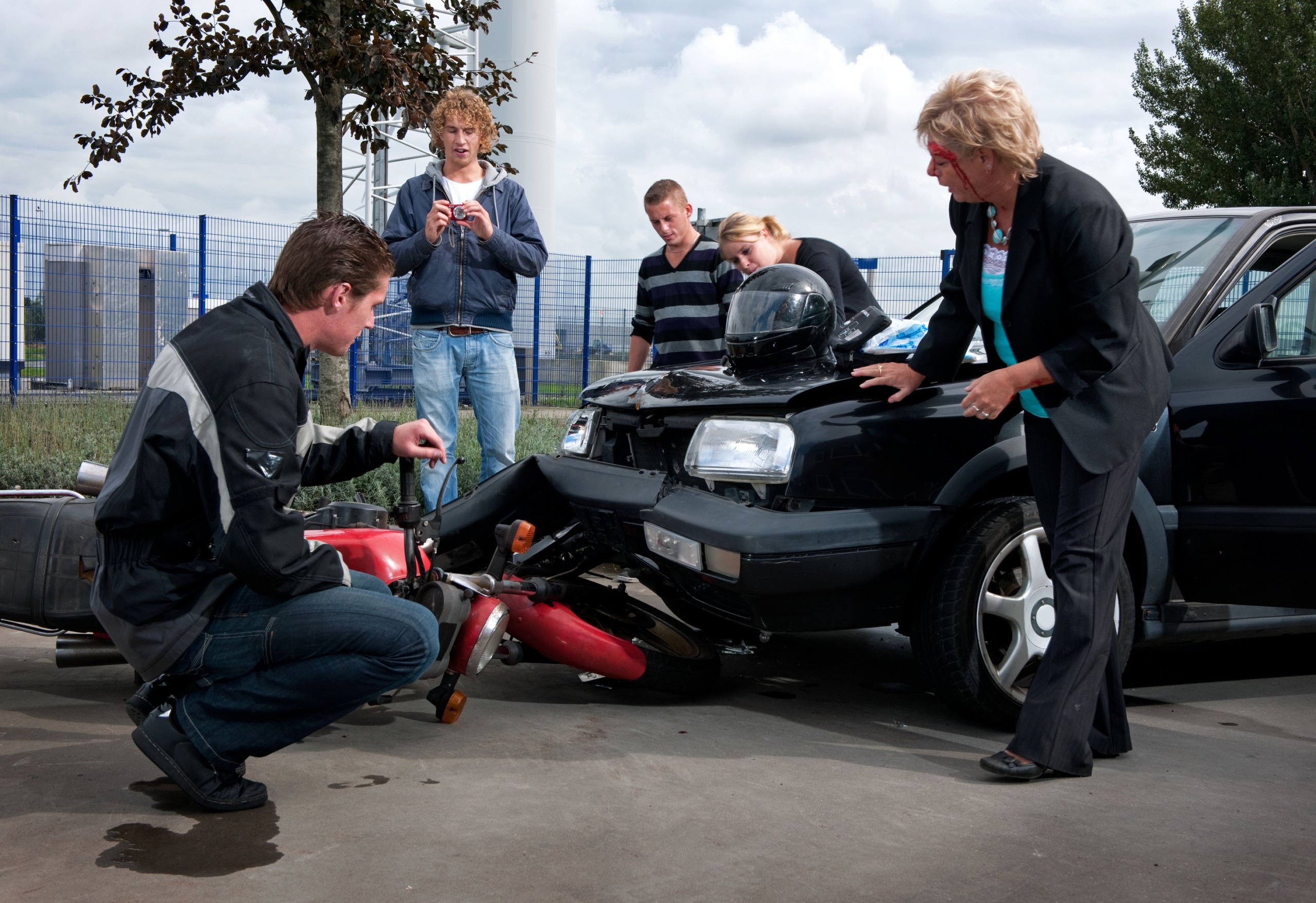
When an individual suffers injuries and property damage in a motor vehicle collision, navigating the aftermath can quickly become overwhelming. Retaining legal representation introduces a structured advocate whose primary duty is to protect the client's rights, manage complex insurance negotiations, and pursue fair compensation. An attorney handling a car wreck case shoulders multifaceted responsibilities, ranging from immediate evidence preservation and liability investigation to medical documentation tracking, communication management with opposing parties, and, when necessary, courtroom litigation. Understanding these duties helps claimants set realistic expectations and collaborate effectively with their legal counsel throughout the claims process.
The Initial Consultation and Case Evaluation
The relationship between an injured motorist and a personal injury lawyer begins with the initial consultation. During this foundational meeting, the attorney assesses the viability of the case by reviewing the facts of the accident, the nature of the injuries, and the available insurance coverage.
Gathering Preliminary Facts
The attorney listens to the client's account of the motor vehicle collision, noting critical details such as the time of day, weather conditions, traffic flow, and the behavior of other drivers involved. While the client's memory is crucial, the lawyer immediately looks for objective anchors, such as police report numbers, witness contact information, and initial medical evaluations.
Assessing Liability and Legal Merits
Evaluating liability requires examining state-specific negligence laws, such as comparative fault rules. The attorney determines whether the opposing driver breached a duty of care—such as by speeding, distracted driving, or failing to yield—and whether that breach directly caused the client's injuries. If liability is clear and insurance coverage exists, the attorney advises the client on whether retaining counsel is beneficial and outlines the contingency fee structure standard in personal injury law.
Evidence Preservation and Accident Investigation
One of the most critical roles an attorney plays is gathering and preserving evidence before it degrades or disappears. While an individual recovering from injuries may struggle to collect documentation, a law firm deploys resources to secure the factual foundation of the claim.
- Obtaining Official Reports: The attorney acquires the official police crash report, traffic camera footage, and municipal records related to the intersection or roadway.
- Securing Digital and Physical Evidence: If available, the lawyer requests black box data (Event Data Recorders) from commercial or passenger vehicles, dashcam recordings, and surveillance footage from nearby businesses.
- Working with Reconstruction Experts: In complex collisions involving multiple vehicles, disputed fault, or severe injuries, the attorney may retain accident reconstruction specialists to analyze skid marks, vehicle damage vectors, and physical debris patterns.
Managing Insurance Communications and Protecting the Client
Insurance adjusters are trained to minimize payout amounts for their respective companies. Contacting an insurer without legal representation often leads to recorded statements being used out of context to reduce or deny a claim. An attorney steps in as the exclusive point of contact.
| Unrepresented Claimant | Represented by Attorney |
|---|---|
| - Deals directly with adjusters | - Attorney shields client from calls |
| - Risks giving harmful statements | - Manages all written/verbal comms |
| - Prone to early lowball offers | - Evaluates true claim value |
By redirecting all communications to the legal team, the attorney shields the client from aggressive tactics, persistent phone calls, and pressure to sign early, inadequate settlements. The lawyer also reviews the client's own insurance policy to identify potential coverages, such as Personal Injury Protection (PIP), Medical Payments (MedPay), or Uninsured/Underinsured Motorist (UM/UIM) benefits.
Documenting Medical Treatment and Economic Losses
Proving the extent of damages requires meticulous record-keeping. An attorney collaborates with medical providers, billing departments, and economic experts to quantify both the immediate and long-term impact of the motor vehicle collision.
Tracking Medical Progress
The lawyer ensures that the client's medical treatment is thoroughly documented, requesting comprehensive medical records, diagnostic imaging reports, physician notes, and physical therapy logs. Continuity of treatment is essential; gaps in medical care are frequently exploited by insurance adjusters to argue that injuries were minor or unrelated to the crash.
Calculating Total Damages
Beyond current medical bills, the attorney compiles evidence for broader economic and non-economic damages, which may include:
- Future medical expenses and rehabilitation costs.
- Lost wages resulting from missed work.
- Diminishing earning capacity if long-term disability occurs.
- Pain and suffering, emotional distress, and loss of enjoyment of life.
Negotiation and Settlement Formulation
Once the client reaches Maximum Medical Improvement (MMI)—the point where medical treatment has stabilized their condition—the attorney formulates a comprehensive demand package. This document is submitted to the opposing insurance carrier, outlining the legal basis for liability, detailing the medical treatment received, and itemizing all financial losses.
Negotiations often involve multiple rounds of counteroffers. An experienced attorney evaluates each settlement offer objectively, advising the client whether a proposed amount adequately covers their losses or if it falls short. The final decision to accept a settlement always rests with the client, but the lawyer provides the necessary valuation analysis to make an informed choice.
Litigation and Court Representation
While the vast majority of motor vehicle collision claims are resolved through negotiated settlements, some disputes require formal litigation. If the insurance company refuses to offer a fair settlement, the attorney transitions the case from the claims adjustment phase to the courtroom.
Filing the Lawsuit and Discovery
The lawyer drafts and files a formal complaint within the applicable statute of limitations. This initiates the discovery phase, where both parties exchange information, depose witnesses and medical experts, and interrogate opposing claims through legal mechanisms such as interrogatories and requests for production.
Trial Advocacy
If a pre-trial mediation or settlement conference fails to resolve the dispute, the attorney represents the client at trial. This involves presenting opening statements, examining and cross-examining witnesses, introducing exhibits, and delivering closing arguments to a judge or jury.
Comparison of Settlement vs. Litigation Phases
| Phase | Primary Objective | Typical Duration | Key Activities |
|---|---|---|---|
| Investigation | Establish fault and secure evidence | Weeks to Months | Requesting police reports, interviewing witnesses, preserving camera footage. |
| Medical Treatment | Stabilize health and document injuries | Months to a Year+ | Attending doctor visits, monitoring recovery, gathering billing statements. |
| Negotiation | Reach a fair out-of-court settlement | Weeks to Months | Sending demand letters, evaluating counteroffers, discussing terms with client. |
| Litigation | Compel compensation through the court system | Months to Years | Filing lawsuits, conducting depositions, pre-trial motions, courtroom trial. |
Frequently Asked Questions
When should I hire an attorney after a car wreck?
It is advisable to consult an attorney as soon as possible after a motor vehicle collision, ideally before speaking with insurance adjusters. Early involvement ensures that time-sensitive evidence is preserved, communication is properly managed, and deadlines such as the statute of limitations are strictly monitored.
What fees do car wreck attorneys typically charge?
Most personal injury attorneys operate on a contingency fee basis. This means the client pays no upfront hourly fees or out-of-pocket costs; instead, the lawyer receives an agreed-upon percentage of the final settlement or court award. If no recovery is obtained, the attorney receives no fee.
Can I handle my car wreck claim without a lawyer?
While minor property damage claims with no injuries can sometimes be settled independently, claims involving physical injuries, disputed liability, commercial vehicles, or severe financial losses are significantly more complex. Without legal representation, injured individuals often secure lower settlements due to unfamiliarity with insurance tactics and legal valuation.
What happens if the other driver has no insurance?
If the at-fault driver is uninsured or underinsured, your attorney will examine your own insurance policy for Uninsured/Underinsured Motorist (UM/UIM) coverage. This coverage is specifically designed to step in and compensate you when the responsible party lacks adequate financial resources.
How long does a car wreck case take to resolve?
The timeline varies widely depending on the severity of the injuries, the clarity of liability, and whether the case settles out of court or proceeds to trial. Cases where injuries require extended medical treatment naturally take longer because the full scope of damages cannot be determined until the client reaches maximum medical improvement.
Next Actions
If you or a loved one has recently been involved in a motor vehicle collision, prioritize your immediate health by seeking a thorough medical evaluation. Concurrently, preserve any documentation related to the crash, including the police report, photographs of vehicle damage, and medical bills. Schedule a consultation with a qualified personal injury attorney to discuss the specific details of your case, evaluate your legal options, and ensure your rights are protected throughout the claims process.