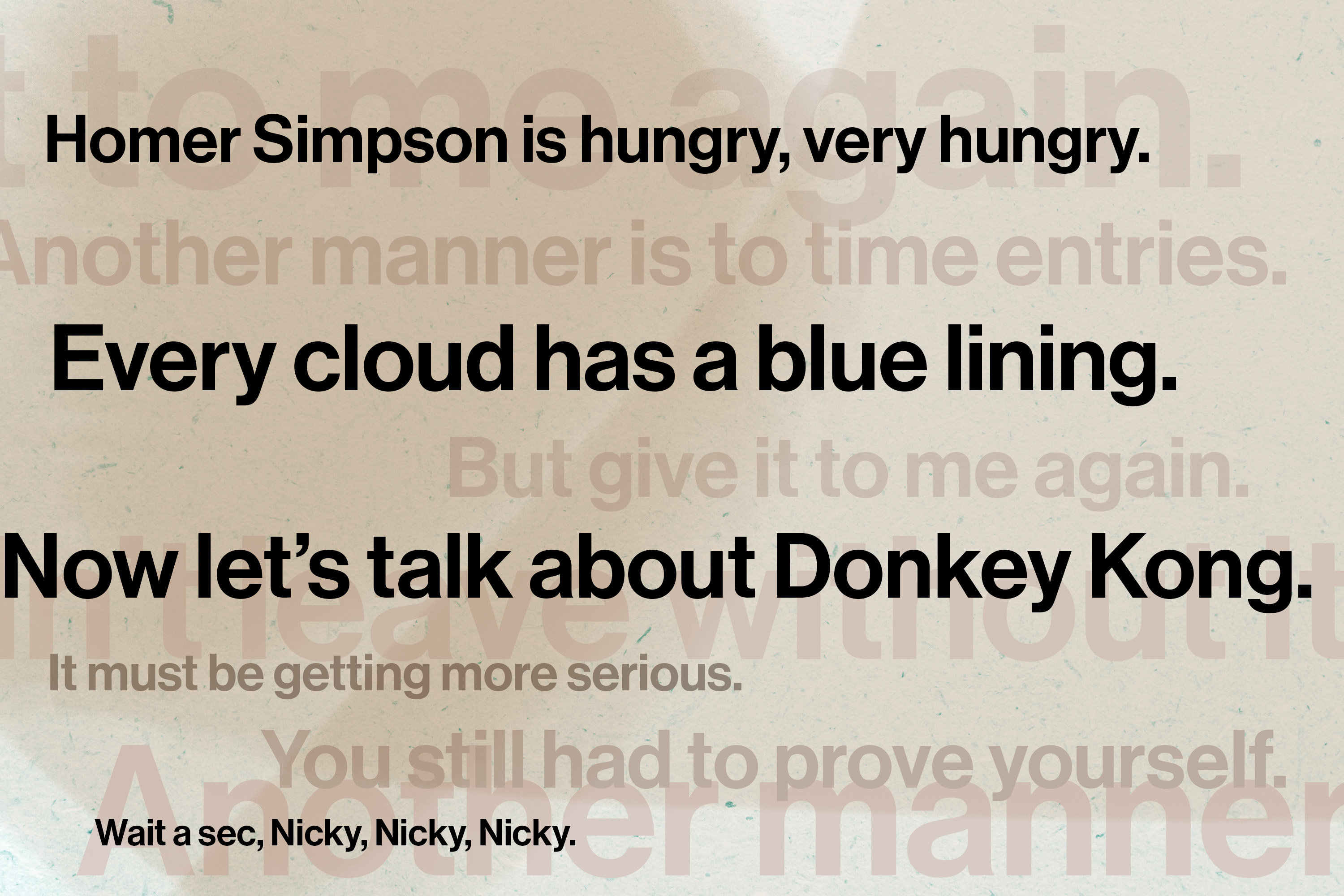
Attention grabbing sentences are concise, high-impact opening statements designed to arrest a reader’s focus, bypass mental filters, and compel them to continue engaging with a text. By leveraging cognitive biases, emotional resonance, or radical curiosity, these sentences shift a passive consumer into an active reader, serving as the essential bridge between a headline and the body of your content.
The Cognitive Foundation of Immediate Engagement
Human attention is a finite resource governed by the reticular activating system, which filters out the overwhelming majority of sensory input to prevent cognitive overload. When a reader encounters a piece of writing, they perform a split-second assessment of value. If the opening sentence fails to offer a compelling reward—whether that is utility, entertainment, or intellectual stimulation—the reader disengages.
Effective attention grabbing sentences function by creating a "knowledge gap." This is a psychological phenomenon identified by behavioral economist George Loewenstein, which suggests that when we perceive a gap between what we know and what we want to know, it triggers a sense of deprivation. By presenting a statement that contradicts conventional wisdom, poses an impossible question, or reveals a startling statistic, you force the reader’s brain to seek resolution, which is only available by reading further.
Core Techniques for Crafting High-Impact Openings
To construct these sentences, you must move beyond generic introductions. The goal is to provide a specific, high-friction starting point that demands mental effort to reconcile.
- The Counter-Intuitive Claim: Challenging a widely held belief forces the reader to pause. If you begin with "The most effective way to save for retirement is to spend more money today," you immediately disrupt the reader's baseline assumptions.
- The Startling Statistic: Data provides a grounding in reality that anecdotes sometimes lack. Use numbers that represent a significant, verifiable shift or a scale that is difficult to ignore.
- The "In-Media-Res" Narrative: Start in the middle of a high-stakes scenario. By dropping the reader into a moment of crisis or success, you create an immediate emotional investment in the outcome.
- The Direct Challenge: Address the reader's current pain point with blunt honesty. For example, "You are currently wasting three hours every day on tasks that offer zero return on your professional growth."
Analysis of Common Opening Strategies
Not all opening strategies work for every niche. The following table identifies how different techniques align with various content goals.
| Technique | Primary Mechanism | Best For | Risk Factor |
|---|---|---|---|
| Provocative Claim | Cognitive Dissonance | Thought Leadership | Can alienate if not supported |
| Urgent Question | Curiosity Gap | Problem/Solution | Can seem clickbait-y if shallow |
| Hard Data | Logical Verification | Technical Reporting | Can be dry without context |
| Specific Anecdote | Empathy & Relatability | Long-form Essays | Can lose focus if too long |
| The "How-To" Pivot | Benefit-Driven Promise | Instructional Guides | Requires high utility |
Why Most Openings Fail
The most common mistake writers make is prioritizing "warm-up" language. Many drafts begin with filler phrases such as "In today’s fast-paced world" or "It is important to understand." These phrases are invisible to the reader; they convey no information and signal that the writer is stalling.
Another failure point is the lack of relevance to the subsequent text. If your opening sentence is a shock tactic but the content that follows is mundane, the reader will feel betrayed. This "bait and switch" results in a high bounce rate, as the reader identifies the disconnect between the promise of the opening and the reality of the content. Your opening must be a microcosm of the entire piece—the tone, the promise, and the authority must be consistent from the very first word.
Integrating Technical SEO with Narrative Pacing
From an SEO perspective, the opening sentence performs double duty. While your H1 and
By using an attention-grabbing sentence, you increase the likelihood of the reader scrolling past the fold. Once a reader has committed to reading the first paragraph, the probability of them completing the article increases significantly. To optimize this, ensure that your opening sentence is not buried under image carousels, pop-ups, or excessive whitespace. The "above the fold" area must prioritize the text itself to ensure the reader is immediately hit with the value proposition.
Avoiding the Trap of Clickbait
There is a distinct line between an attention-grabbing sentence and clickbait. Clickbait relies on deception or withholding information to trick the reader into clicking. An effective opening sentence, however, sets a high bar for the content that follows. It provides a genuine entry point into a substantial discussion.
If your sentence uses extreme hyperbole—such as "This one secret will change your life forever"—it degrades your brand authority. Instead, use precision. "A 2026 study from the Department of Labor indicates that shift-work employees experience 14% higher cognitive fatigue, a reality that necessitates a complete restructuring of shift management software." This is attention-grabbing because it is specific, relevant, and authoritative.
Testing and Iteration Strategies
Because human reactions are subjective, relying on your own judgment to verify the effectiveness of an opening is insufficient. If you are producing high-traffic content, perform A/B testing on your opening sentences.
- A-Variant: Focus on a narrative, storytelling approach.
- B-Variant: Focus on a direct, utility-based approach.
Observe the "Time on Page" and "Scroll Depth" metrics for both. If your audience consists of technical professionals, they will likely favor the utility-based approach. If you are writing for a lifestyle or entertainment audience, the narrative approach will likely yield higher retention. Use this data to refine your style guide for future content.
Addressing Reader Objections Immediately
Often, readers arrive at an article with a pre-existing bias or a feeling that the topic is "not for them." Your opening sentence should proactively dismantle these objections. If you are writing about complex financial planning, your opening could be: "Most financial advice is designed for the wealthy; this guide is for everyone else who has to balance a mortgage with a savings goal." By acknowledging the common frustration, you build immediate rapport.
This process involves three steps:
- Identify the objection: What is the reader thinking before they click?
- Validate the feeling: Acknowledge that the concern is legitimate.
- Reframing: Present your article as the specific solution that addresses that exact concern.
The Role of Authority and Tone
Your opening sentence sets the emotional temperature for the entire piece. If you want to be viewed as an expert, your language must be precise and devoid of fluff. If you want to be viewed as a consultant or a partner, your language should be conversational and empathetic.
If your opening sentence is weak, you lose the chance to establish your voice. Use strong, active verbs. Instead of "There is a need for better security measures," try "Security breaches in 2026 are no longer a matter of 'if,' but a calculated cost of business." The second version asserts control and expertise, while the first sounds passive and detached.
Final Recommendations for Implementation
To maximize the impact of your opening, follow these steps before every publication:
- Draft your article first: Don't obsess over the opening until you know exactly what the core argument is.
- Highlight the "Hook": Identify the most surprising or useful part of your article and build your opening around it.
- Edit for Brevity: If your opening sentence is longer than 25 words, consider splitting it into two.
- Remove Weak Modifiers: Strip out words like "very," "really," and "actually." They weaken the punch.
- Verify the Promise: Read your opening and ask yourself: "Does the rest of the article deliver on the specific claim I just made?" If not, rewrite the opening to match the content, rather than inflating the promise.
By viewing the opening sentence as a strategic asset rather than a decorative header, you ensure that every reader who finds your content is compelled to stay and engage with your expertise.