When an employer or insurance carrier fails to comply with a binding workers' compensation settlement agreement, injured workers in Illinois often face the challenge of securing legal representation to compel payment, with attorney fees strictly regulated by the Illinois Workers' Compensation Commission to protect claimants from excessive costs.
Navigating the aftermath of a finalized workers' compensation claim in Illinois requires understanding not only your rights under the law but also the financial implications of hiring legal counsel if disputes arise. When a settlement contract is approved by the Illinois Workers' Compensation Commission (IWCC), it carries the full weight of a legal judgment. However, compliance issues occasionally surface. Employers or their insurance administrators may delay payments, withhold agreed-upon medical bill allocations, or outright default on structured payouts.
Resolving these compliance failures frequently demands legal intervention. For claimants seeking to enforce a settlement, understanding how attorney fees are calculated, authorized, and structured under Illinois law is essential for financial planning and ensuring that recovered compensation is not unnecessarily depleted.
Understanding Illinois Workers' Compensation Settlements and Binding Agreements
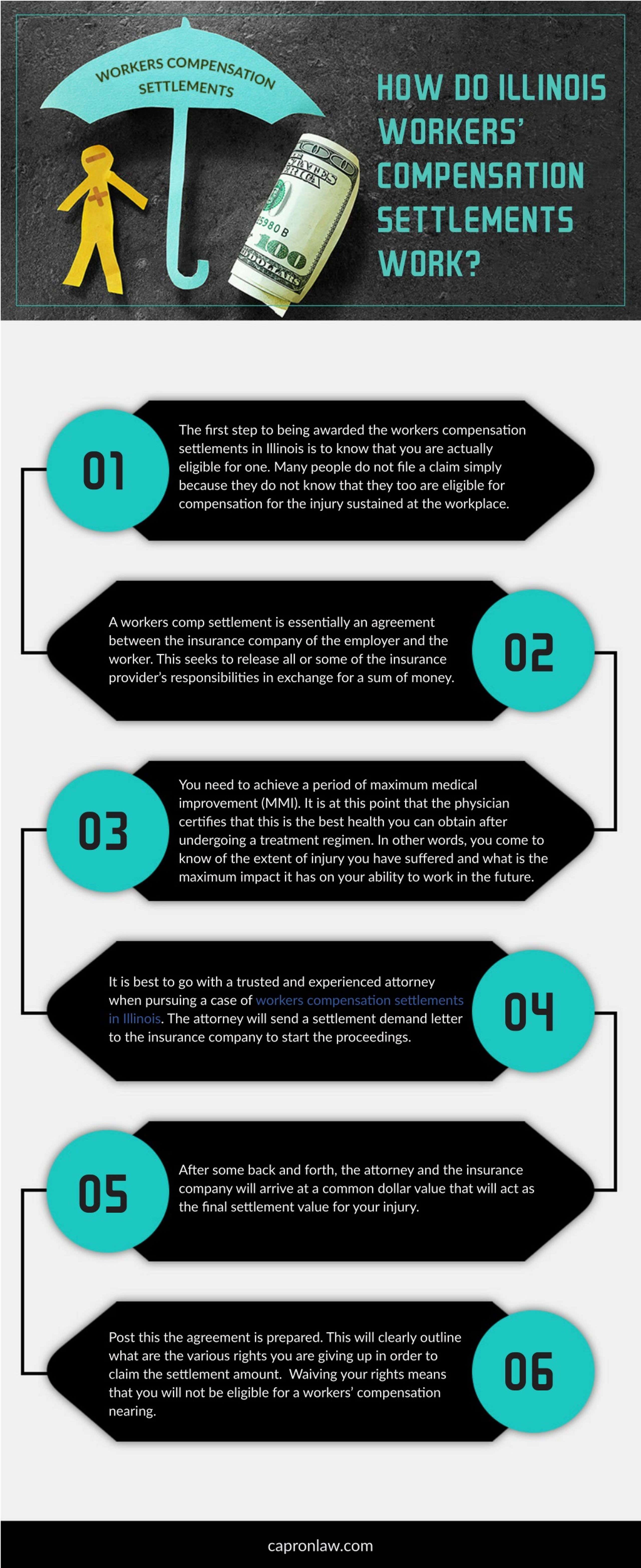
An Illinois workers' compensation settlement typically takes one of two primary forms: a Lump Sum Petition and Order or a Lump Sum Settlement (often referred to as a "Clincher"). Once both parties sign the agreement and an arbitrator or commissioner at the IWCC approves it, the document becomes a legally binding contract.
Under the Illinois Workers' Compensation Act (820 ILCS 305/), employers and insurance carriers are statutorily obligated to tender payment promptly. Delays in fulfilling these obligations violate the terms of the settlement and open the door for enforcement actions. Common scenarios requiring enforcement include:
- Unreasonable delays in issuing the agreed-upon lump-sum check beyond the standard processing window.
- Failure to pay or reimburse outstanding medical bills that the employer specifically agreed to cover within the settlement terms.
- Disagreements over the calculation of interest owed due to delayed payments.
- Breach of structured settlement schedules or vocational rehabilitation commitments outlined in the settlement contract.
When these breaches occur, the initial attorney who handled the settlement may need to take supplementary action, or the claimant may retain new counsel specializing in post-judgment enforcement and collection.
The Regulatory Framework for Attorney Fees in Illinois
Attorney fees in Illinois workers' compensation cases are not open to free-market negotiation between a lawyer and a client. Instead, they are heavily regulated by the IWCC and the Illinois Workers' Compensation Act to protect injured workers from predatory billing practices.
Generally, attorney fees in standard workers' compensation cases are capped by statute at 20 percent of the recovery, subject to approval by an arbitrator or commissioner. However, when a case transitions from initial litigation or settlement negotiation into post-settlement enforcement, the legal dynamics shift. The governing statutes and commission rules dictate whether additional fees can be assessed, who pays them, and how they must be approved.
An attorney cannot unilaterally charge an hourly rate or a contingency fee that exceeds statutory limits without explicit approval from the IWCC. This regulatory oversight ensures that enforcement actions—which are designed to make the injured worker whole—do not become cost-prohibitive.
How Attorney Fees Are Structured for Enforcement Actions
When an employer fails to pay a settlement, the legal mechanism used to enforce compliance dictates how attorney fees are handled. Several distinct fee structures and cost allocations may apply depending on the specific legal route chosen.
Contingency vs. Hourly Fees in Enforcement
Most workers' compensation attorneys operate on a contingency fee basis, meaning they only collect a percentage of the funds they successfully recover for the client. In an enforcement scenario, if an attorney recovers a withheld lump sum or forces the payment of long-delayed medical bills, the fee is typically calculated as a percentage of the newly collected funds.
Hourly fees are less common in traditional workers' compensation proceedings before the IWCC, but they may be utilized in specific ancillary court proceedings, such as circuit court confirmation actions or Rule to Show Cause hearings, depending on the retainer agreement and IWCC rules.
Fee-Shifting and Penalties
Under Sections 19(k) and 19(l) of the Illinois Workers' Compensation Act, the IWCC has the authority to penalize employers and insurance carriers for unreasonable and vexatious delays in payment or frivolous refusal to pay compensation.
- Section 19(k) Penalties: Allows the Commission to award the employee additional compensation equal to 50 percent of the amount payable at the time of the award if the employer or carrier has engaged in unreasonable or vexatious delay.
- Section 19(l) Penalties: Provides for smaller daily penalties for unreasonable delays where no good faith medical or legal justification exists.
- Attorney Fees under Section 16: If the employer or carrier has acted unreasonably, vexatiously, or failed to pay without good and just cause, the Commission may also assess the claimant's attorney fees directly against the employer, effectively shifting the legal cost away from the injured worker.
| Enforcement Mechanism | Primary Purpose | Impact on Attorney Fees |
|---|---|---|
| Petition for Rule to Show Cause | Compels the employer to explain to the IWCC why they have not complied with an approved settlement order. | Fees are usually assessed as a percentage of recovered funds, unless penalty fees are shifted to the employer. |
| Section 19(k) / 19(l) Petition | Seeks statutory penalties and interest for unreasonable delay or non-payment of benefits. | Can result in the employer paying the claimant's legal fees and costs, reducing or eliminating the burden on the worker. |
| Circuit Court Enforcement Action | Files a certified copy of the IWCC award in an Illinois Circuit Court to enable formal judgment collection (e.g., wage garnishment, asset seizure). | May involve court costs and specialized hourly or contingency arrangements approved by the court or Commission. |
Steps to Take When a Settlement is Not Paid
If you are an injured worker facing a non-compliant employer or insurance carrier in Illinois, taking a structured, methodical approach is essential to protecting your financial recovery and ensuring proper handling of attorney fees.
- Review the Approved Settlement Contract: Examine the exact terms, due dates, and specific obligations outlined in the approved Lump Sum Petition and Order. Verify whether a grace period or specific processing timeline was agreed upon.
- Contact Your Original Attorney: Reach out to the lawyer who represented you during the settlement negotiations. They are generally most familiar with the file and may handle enforcement actions under the umbrella of the original fee agreement or a nominal supplementary agreement.
- Document All Communications: Keep a detailed log of all attempts to contact the insurance adjuster, employer, or defense counsel regarding the delayed payment. Save copies of emails, certified mail receipts, and notes from phone conversations.
- File Appropriate Petitions with the IWCC: If voluntary compliance cannot be achieved, your attorney will file the necessary pleadings, such as a Petition for Enforcement or a petition seeking Section 19 penalties, to bring the matter back before the Commission.
- Await IWCC Review and Order: An arbitrator or commissioner will review the enforcement petition, examine the reasons for non-compliance, and issue an order directing payment, assessing penalties, or determining appropriate attorney fee allocations.
Common Mistakes and Pitfalls in Settlement Enforcement
Attempting to navigate settlement enforcement without professional guidance or misunderstanding how fees operate can lead to significant financial setbacks.
- Signing Unapproved Fee Agreements: Never enter into an hourly fee agreement or agree to pay fees outside of IWCC oversight without verifying that the arrangement complies with the Illinois Workers' Compensation Act.
- Failing to Document Non-Payment: Waiting months to report a delayed payment without notifying your attorney or the insurance carrier can complicate the calculation of statutory interest and penalties.
- Assuming Enforcement is Automatic: An approved settlement does not enforce itself. If an employer stops paying, the claimant or their legal counsel must actively initiate enforcement proceedings before the IWCC.
- Overlooking Medical Bill Obligations: Many disputes arise not from the primary lump-sum check, but from unresolved medical bills that the employer was ordered to pay. Ensure your attorney specifically targets outstanding medical debt during enforcement.
Frequently Asked Questions
Can my lawyer charge an extra fee to enforce an Illinois workers' compensation settlement?
In many instances, the initial contingency agreement covers collection of the settlement funds. However, if enforcement requires extensive additional litigation, formal hearings, or circuit court actions, an attorney may seek approval from the IWCC for additional fees based on the extra work performed. All such fees must be formally approved by the Commission.
Who pays the attorney fees if the employer intentionally delays my settlement payment?
If the IWCC finds that the employer or insurance carrier delayed payment without good and just cause, the Commission can penalize the employer under Sections 19(k) or 19(l) of the Act and may order the employer to pay your attorney fees directly, relieving you of that financial burden.
How long does an employer have to pay an Illinois workers' compensation settlement?
Typically, settlement contracts specify a deadline—often within 14 to 30 days—after the employer receives a copy of the approved settlement order. Failing to disburse funds within this window constitutes non-compliance and justifies enforcement action.
What happens if the insurance company goes bankrupt after my settlement is approved?
If an insurance carrier becomes insolvent, the Illinois Insurance Guaranty Fund (IIGF) generally steps in to cover statutory claims and approved settlements, subject to statutory limits and administrative procedures. Your attorney can assist in filing claims with the Guaranty Fund to secure payment.
Do I need the same attorney who handled my settlement to handle the enforcement?
You are not legally required to use the same attorney, but doing so is often the most efficient path because they already possess your complete case file, medical records, and settlement documentation. However, you retain the right to seek alternative counsel if communication or trust has broken down.
Conclusion and Next Actions
Enforcing an Illinois workers' compensation settlement requires strict adherence to state administrative rules and statutory procedures. If your employer or insurance carrier has failed to disburse your funds or cover agreed-upon medical expenses, immediately gather your settlement documents, contact your legal counsel, and demand an accounting of the delay. Ensure that any proposed attorney fees for enforcement are transparent, reasonable, and formally approved by the Illinois Workers' Compensation Commission.