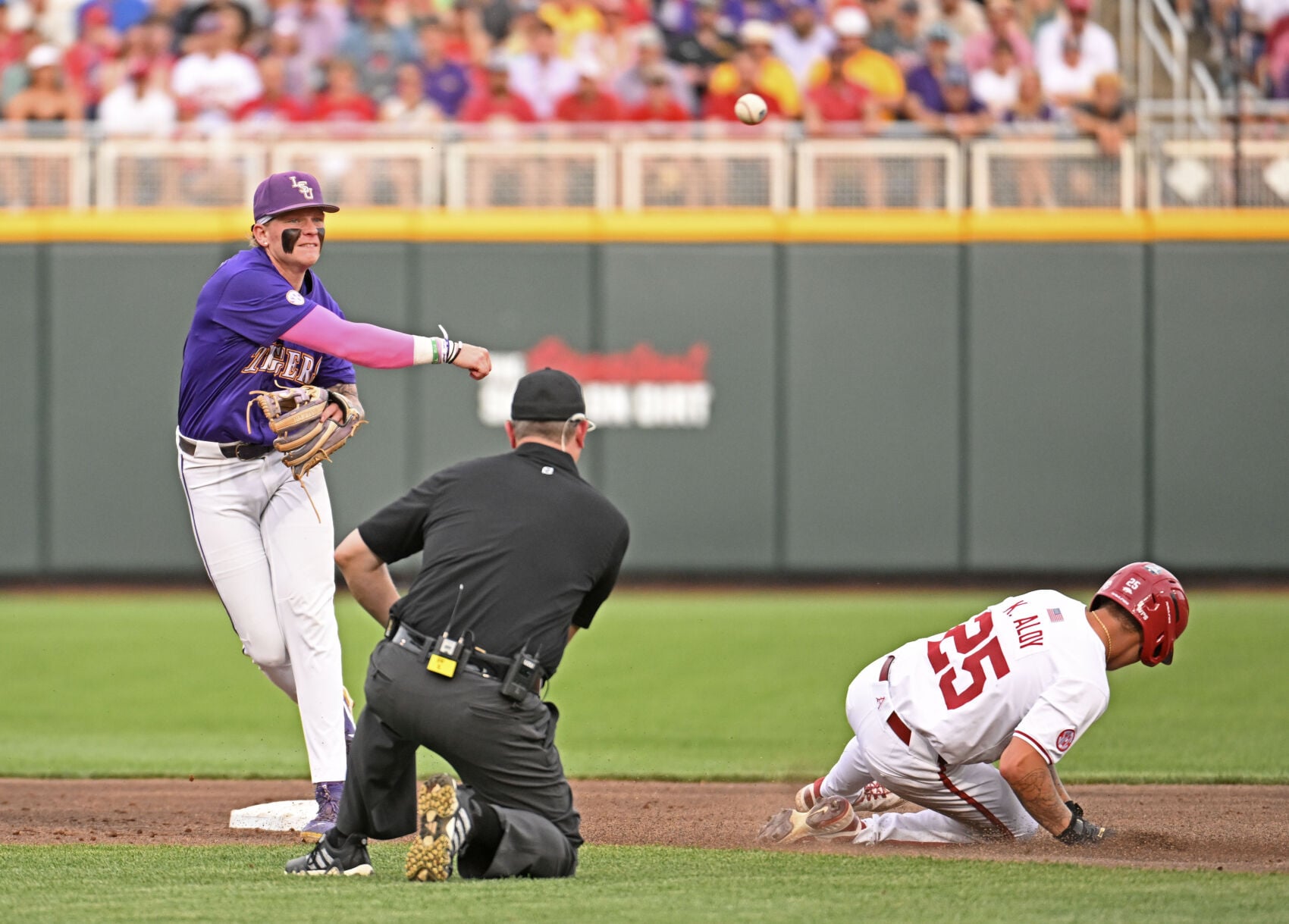
The University of Arkansas Razorbacks have established themselves as a perennial powerhouse in collegiate baseball, consistently reaching the College World Series (CWS) in Omaha, Nebraska. Through the end of the 2026 season, the program has made 12 appearances in the CWS, marking the pinnacle of their achievement within the NCAA tournament structure. These appearances represent the program’s ability to navigate the demanding SEC landscape and the rigorous NCAA postseason format to compete for a national championship.
The College World Series serves as the final stage of the NCAA Division I Baseball Tournament. For the Arkansas Razorbacks, these 12 appearances are more than just statistical milestones; they are a testament to the longevity and high standard of performance established over several decades of play. Understanding these appearances requires looking at the progression of the program from its mid-20th-century roots to its modern status as a national title contender.
The Evolution of the Arkansas Baseball Program
The history of Arkansas in the CWS is not a linear climb, but rather a series of eras defined by coaching stability and recruiting success. The program first gained national prominence under Norm DeBriyn, who led the team to its inaugural CWS appearance in 1979. Before this breakthrough, the program was a solid regional competitor, but the late 1970s marked the start of Arkansas as a household name in college baseball.
The transition from a regional program to a national one was facilitated by the growth of the Southwest Conference (SWC) and later the Southeastern Conference (SEC). These conferences provided the intensity and visibility necessary to attract top-tier talent from across the country to Fayetteville. By the time the program moved to the SEC in 1992, the expectations for postseason success had already been solidified by the groundwork laid in the 1980s.
Analyzing the 12 CWS Appearances
To understand the weight of these appearances, one must view them through the lens of the specific tournament iterations. The CWS format has evolved over time, yet the challenge of surviving the regional and super-regional rounds remains the defining hurdle for any program.
The Early Years (1979–1989)
The 1979 team set the standard, proving that the Razorbacks could compete with the established elites. This appearance was the first of four in the 1980s. During this decade, the Razorbacks made it to Omaha in 1979, 1985, 1987, and 1989. These years were crucial for building the program’s culture of excellence. The 1985 and 1987 teams were particularly notable for their resilience, consistently finding ways to win close games in tournament play.
The Middle Era (2000–2012)
After a gap in the 1990s, the program returned to the CWS in 2004, followed by appearances in 2009 and 2012. This period represented a modern transformation of the program under new leadership. The intensity of college baseball had shifted, with power pitching and high-level offensive production becoming the norm. The 2004 and 2009 teams were recognized for their depth, a factor that is almost always required to survive the long, grueling schedule of the CWS bracket.
The Modern Dominance (2015–Present)
Since 2015, the Arkansas program has reached a state of consistent national competitiveness, with appearances in 2015, 2018, 2019, 2022, and 2024. The 2018 team, in particular, captured the national imagination by reaching the championship series. The modern era of Arkansas baseball is defined by high-quality facility investments at Baum-Walker Stadium and a recruiting pipeline that consistently ranks among the top in the nation.
Comparison of Key CWS Milestones
The following table summarizes the key milestones of the Razorbacks’ CWS history, highlighting the frequency and the context of their advancement to Omaha.
| Time Period | Number of Appearances | Key Context |
|---|---|---|
| 1970s | 1 | The program’s inaugural CWS breakout |
| 1980s | 3 | Solidification as a national competitor |
| 1990s | 0 | A decade of transition and building |
| 2000s | 2 | Return to national prominence |
| 2010s | 4 | Sustained elite-level performance |
| 2020s | 2 | Continuing the modern standard |
The Mechanics of Reaching Omaha
Reaching the College World Series is a multi-step process that tests a team’s depth, coaching, and mental fortitude. Every appearance by the University of Arkansas involves navigating two primary phases of the NCAA tournament.
- The Regional Round: This is a four-team, double-elimination tournament. Success here requires a minimum of three wins over three or four days. For Arkansas, having a home-field advantage at Baum-Walker Stadium has historically been a significant catalyst for success, as the home crowd provides a unique energy that is difficult for visiting teams to overcome.
- The Super Regional: This is a best-of-three series against another regional winner. This round is often where the most significant upsets occur in the NCAA tournament. It requires a program to have at least two high-level starting pitchers and a bullpen capable of holding leads in high-leverage situations.
For the Razorbacks, the most frequent point of failure has been the intense pressure of the Super Regional, which makes the 12 appearances even more significant. Achieving this feat 12 times indicates that the program consistently manages the transition from the regular season to the winner-take-all atmosphere of June baseball.
Why Omaha is the Ultimate Benchmark
The College World Series in Omaha is unique because it forces teams to play in a neutral environment, often in adverse weather conditions, against the best teams in the country. A program’s success is judged not just by the number of appearances, but by the ability to win games once they arrive at the tournament.
The "Omaha experience" involves a level of media scrutiny and fan pressure that is not found during the regular season. For a school like Arkansas, which has a massive and dedicated fanbase, the pressure to perform is amplified. The 12 appearances demonstrate that the program has developed the institutional knowledge required to handle this environment, from the logistical challenges of travel to the psychological toll of playing on the national stage.
Common Misconceptions About CWS Appearances
There are several misunderstandings regarding what "making the CWS" means in the context of NCAA baseball history.
- Appearances vs. National Titles: It is a common mistake to conflate a CWS appearance with winning a national championship. While the goal of every team is to win the title, the field of eight teams in Omaha is incredibly balanced. Making the field is a major accomplishment that defines a season as highly successful, regardless of the ultimate win-loss record in the tournament.
- The "SEC Bias" Argument: Some critics argue that SEC teams have an easier path to the CWS due to the strength of their conference schedules. While the SEC is undoubtedly a powerhouse, the structure of the tournament—which relies on winning regionals and super-regionals—remains consistent for all teams. The Razorbacks’ success is a reflection of their performance within that standardized structure, not merely the strength of their regular-season conference opponents.
Practical Considerations for Following the Razorbacks
For those looking to follow the program’s progress in future seasons, it is important to understand how the NCAA selection process works. The team’s RPI (Ratings Percentage Index) and strength of schedule are monitored closely throughout the spring.
Fans often track the team’s performance through secondary metrics such as home-road splits and the performance of the bullpen. In recent years, the emphasis on high-velocity pitching and high-on-base-percentage lineups has been the primary strategy for the Arkansas coaching staff. Understanding these variables provides a clearer picture of why certain teams are more likely to reach the CWS than others.
Frequently Asked Questions
How many times have the Arkansas Razorbacks reached the College World Series? As of the end of the 2026 season, the University of Arkansas has made 12 appearances in the College World Series. These appearances span from their first trip in 1979 to their most recent berths in the current decade.
Why is reaching the CWS considered the pinnacle of college baseball? The CWS is the final eight-team tournament that determines the NCAA Division I national champion. Reaching Omaha requires winning a regional and a super-regional, both of which are high-pressure, elimination-based events that test every aspect of a team’s roster.
Does the SEC conference impact the team’s ability to reach the CWS? Playing in the SEC exposes the team to the highest level of collegiate competition, which prepares them for the rigors of the NCAA tournament. While it makes the road to the tournament physically and mentally demanding, it also ensures that teams are battle-tested before the postseason begins.
What is the significance of Baum-Walker Stadium in these appearances? Baum-Walker Stadium is widely considered one of the best atmospheres in college baseball. The home-field advantage provided by the stadium has been a key factor in the Razorbacks hosting many regional and super-regional tournaments, which historically increases the likelihood of advancing to the CWS.
Has the tournament format changed significantly since 1979? Yes, the tournament has expanded and the format has been adjusted several times over the decades. Despite these administrative changes, the core requirement of winning high-stakes, multi-game series to reach the final bracket has remained consistent, making the 12 appearances a reliable metric of the program’s success over time.
Next Steps for Fans and Researchers
To stay informed about the Razorbacks’ current status, regularly check the official Arkansas athletics website or the NCAA baseball statistical portal. For those interested in the historical data, the NCAA maintains a comprehensive database that details every game played in the CWS, providing box scores and play-by-play summaries for each of the Razorbacks’ 12 appearances. Tracking the team’s recruiting classes and transfer portal acquisitions during the off-season is also an effective way to gauge the team’s potential for future appearances.