In Arkansas, liability for a dog attack is primarily governed by common law negligence and the "one-bite rule," meaning an owner is responsible if they knew or should have known of the dog’s dangerous tendencies. Victims may also seek compensation through local ordinances or "negligence per se" if the owner violated specific animal control laws.
Navigating the aftermath of a dog attack in Arkansas requires a firm understanding of both state-level legal precedents and municipal-level ordinances. Unlike some states that impose "strict liability" (where an owner is responsible regardless of the dog's past behavior), Arkansas remains a state where the victim generally must prove the owner was negligent or had prior knowledge of the dog’s aggression.
As we navigate the legal and safety landscape of 2026, understanding your rights, the required reporting procedures, and the specific statutes of limitations is vital for securing medical recovery and legal restitution. This guide provides a deep dive into the requirements for establishing liability, the steps for reporting an incident, and the financial implications of a dog attack claim.
Understanding Liability: The Arkansas "One-Bite Rule"
The foundation of Arkansas dog bite law is the "one-bite rule." This common-law principle suggests that a dog owner is not typically held liable for a first-time bite unless there is evidence the owner was aware of the animal’s "vicious propensities." While the name suggests the dog gets one "free" bite, this is a misconception. Liability can be triggered if the dog had previously barked aggressively, lunged at passersby, or exhibited behavior that should have alerted a reasonable owner to a potential risk.
In a legal context, this is often referred to as scienter—the knowledge that an animal was dangerous. To win a case under this rule, the plaintiff (the victim) must prove:
- The dog had a dangerous or vicious nature.
- The owner was aware (or should have been aware) of this nature.
- The dog’s nature caused the injury.
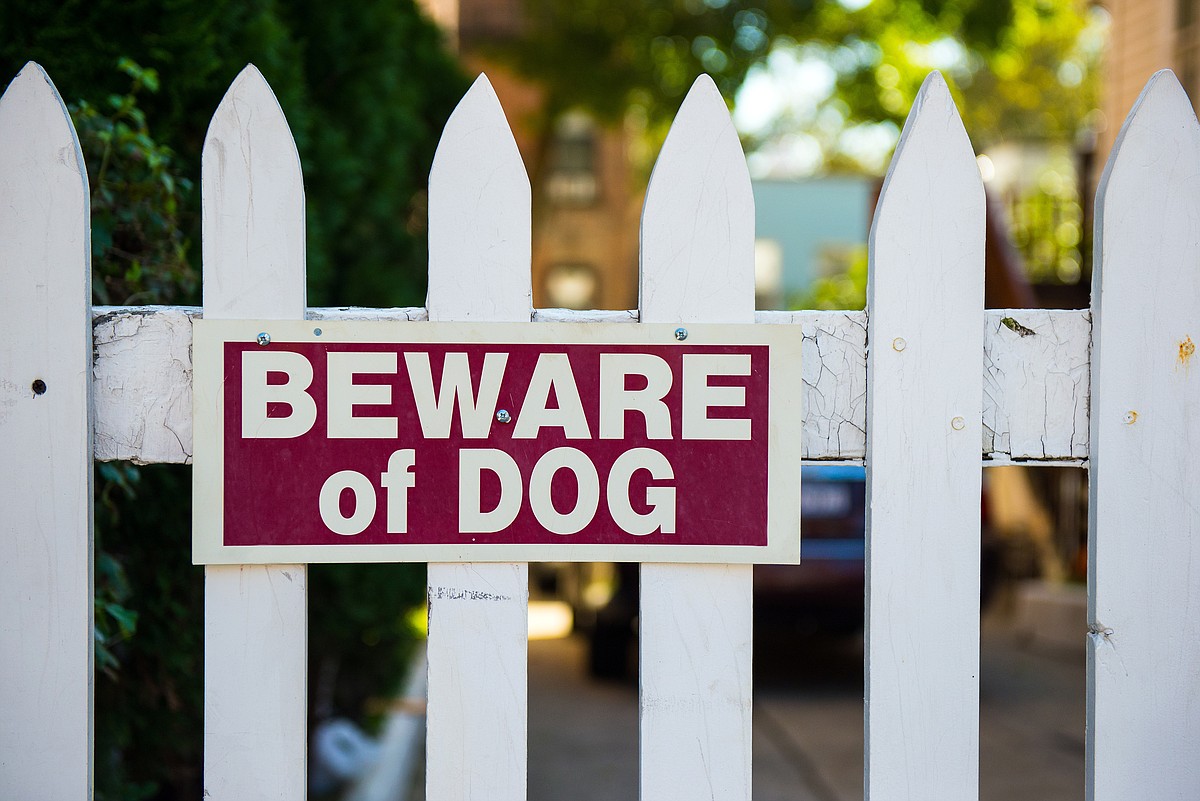
This creates a high evidentiary bar for victims. Evidence of "vicious propensity" might include prior complaints to animal control, testimony from neighbors about the dog's behavior, or the owner’s own actions, such as putting up "Beware of Dog" signs or keeping the dog heavily restrained.
Negligence and "Negligence Per Se"
Even if a dog has never bitten anyone before, an Arkansas owner can still be held liable under the theory of negligence. Negligence occurs when an owner fails to exercise "ordinary care" to prevent a foreseeable injury. For example, if an owner leaves a gate open in a high-traffic neighborhood or walks a powerful dog on a flimsy leash, they may be found negligent if an attack occurs.
A more direct path to liability is negligence per se. This legal doctrine applies when an owner violates a specific safety statute or local ordinance. Many Arkansas municipalities, including Little Rock, Fort Smith, and Fayetteville, have strict leash laws and "at-large" prohibitions. If a dog is roaming free in violation of a city ordinance and attacks someone, the violation itself can be used as evidence of negligence, making it much easier for the victim to establish liability without needing to prove the "one-bite" knowledge.
Immediate Steps to Take After an Arkansas Dog Attack
The actions taken in the first 24 to 48 hours following an attack are critical for both health and future legal claims. In 2026, medical and digital documentation are the cornerstones of a successful recovery process.
1. Seek Immediate Medical Attention
Even minor dog bites carry a high risk of infection, including Pasteurella, MRSA, and potentially rabies. Arkansas law and healthcare protocols require medical providers to report dog bites to local health authorities. Establishing a medical record immediately links the injuries directly to the incident, which is essential for insurance claims.
2. Identify the Dog and the Owner
If possible, obtain the name and contact information of the dog owner and any witnesses. If the dog is a stray, note its appearance and the direction it fled. Identifying the owner is necessary for filing against their homeowners' or renters' insurance policy, which is the primary source of compensation in most dog attack cases.
3. Contact Local Animal Control or Law Enforcement
Reporting the attack to the local sheriff or animal control office (such as Arkansas Department of Health's Animal Control division) creates an official government record. This report is often the strongest piece of evidence in a civil case. It also triggers a mandatory quarantine period to ensure the animal does not have rabies.
4. Document the Scene and Injuries
Use a smartphone to take high-resolution photos of the location where the attack occurred, any broken fences or gates, and the injuries themselves. Documenting the healing process over several weeks is also advisable, as scarring and permanent disfigurement are significant factors in determining the value of a claim.
Comparative Fault and How It Affects Your Claim
Arkansas follows a modified comparative fault rule (specifically the 50% bar rule). This means that a victim can recover damages only if they are 49% or less responsible for the incident. If a jury determines that the victim provoked the dog—by hitting it, trespassing on the owner’s property, or teasing the animal—the victim's compensation will be reduced by their percentage of fault.
For example, if a victim is awarded $100,000 in damages but is found to be 20% at fault for the incident, they will receive $80,000. However, if the victim is found to be 50% or more at fault, they are legally barred from recovering any compensation from the dog owner in Arkansas.
Arkansas Dog Attack Laws and Regulations (2026)
The following table outlines the different legal standards applied in Arkansas dog attack scenarios to help victims understand their specific situation.
| Legal Standard | Application in Arkansas | Key Requirement for Victim |
|---|---|---|
| Common Law Negligence | Statewide standard for all dog owners. | Must prove the owner failed to use "ordinary care." |
| One-Bite Rule | Traditional standard for first-time incidents. | Must prove owner knew of the dog’s "vicious propensity." |
| Negligence Per Se | Applies when local ordinances are violated. | Must prove a leash law or "at-large" law was broken. |
| Strict Liability (Livestock) | Specific to Arkansas Code § 20-19-102. | Owner is strictly liable if their dog kills or injures livestock. |
| Modified Comparative Fault | Arkansas Code § 16-64-122. | Victim must be less than 50% responsible for the attack. |
Statutes of Limitations and Deadlines in 2026
In Arkansas, the statute of limitations for a personal injury claim, including dog attacks, is generally three years from the date of the incident (Arkansas Code § 16-56-105). Failing to file a lawsuit within this window typically results in the permanent loss of the right to seek damages.
While three years may seem like a long time, evidence can vanish quickly. Witnesses move away, surveillance footage is deleted, and memories fade. It is highly recommended to initiate the legal process or insurance claim within months, not years, of the attack. For cases involving minors, the statute of limitations may be "tolled" or extended, but this requires specific legal filing to confirm.
Common Injuries and Long-Term Damages
Dog attacks often result in more than just physical puncture wounds. In 2026, courts and insurance adjusters increasingly recognize the psychological impact of these events. Victims can seek compensation for:
- Medical Expenses: This includes emergency room visits, surgeries (especially plastic surgery for facial wounds), physical therapy, and future medical costs.
- Lost Wages: If the attack results in an inability to work, the victim is entitled to recover lost income and any reduction in future earning capacity.
- Pain and Suffering: This covers the physical pain and the emotional trauma, such as Post-Traumatic Stress Disorder (PTSD) or a newly developed phobia of animals.
- Permanent Disfigurement: Arkansas courts take scarring seriously, particularly in cases involving children or injuries to the face and neck.
Reporting Requirements and Public Safety
Public safety is the primary concern of the Arkansas Department of Health regarding animal attacks. Under state law, any animal that bites a person must be quarantined for at least 10 days to observe for symptoms of rabies. This quarantine usually occurs at an approved shelter or a veterinary clinic, often at the owner’s expense.
If a dog is deemed "vicious" or "dangerous" by a local court or animal control board, the owner may be subject to additional requirements, such as:
- Mandatory microchipping and registration as a dangerous dog.
- Requirement to keep the dog in a locked, secure enclosure.
- Mandatory liability insurance (often $100,000 or more).
- Use of a muzzle whenever the dog is off the owner's property.
Failure to follow these post-incident requirements can lead to criminal charges against the owner and the potential seizure or euthanasia of the animal.
Legal Options and Seeking Compensation
Most dog bite recoveries in Arkansas are paid through Homeowners Insurance or Renters Insurance. It is a common misconception that you are "suing a friend" or neighbor personally; in reality, you are usually seeking a settlement from their insurance provider.
Insurance companies often attempt to settle quickly for a low amount before the full extent of the victim's injuries (such as nerve damage or permanent scarring) is known. It is advisable to consult with a legal professional who specializes in Arkansas personal injury law to ensure that any settlement offer covers both current and future needs.
FAQ: Arkansas Dog Attack Laws
Does Arkansas have a "Dangerous Dog" law?
Yes. While the state provides a baseline, most specific "dangerous dog" regulations are found in municipal codes. These laws define what constitutes a dangerous dog (usually based on unprovoked aggression) and mandate specific containment and insurance requirements for the owners of such animals.
Can I sue if a dog attacked my pet but not me?
In Arkansas, pets are legally considered personal property. If a dog attacks your pet, you can seek compensation for the "diminution in value" or the cost of veterinary bills. However, you generally cannot recover "pain and suffering" damages for the emotional distress of your pet being injured, though this area of law is subject to ongoing debate in higher courts.
What if the dog attack happened on the owner’s property?
If you were lawfully on the property (as an invited guest, mail carrier, or delivery person), the owner still owes you a duty of care. However, if you were trespassing, the owner’s liability is significantly reduced, and they may only be liable if they intentionally caused harm or acted with "willful and wanton" disregard for safety.
Is the owner liable if the dog was on a leash?
Potentially. Being on a leash does not automatically absolve an owner of liability. If the owner knew the dog was aggressive and brought it into a crowded area where they could not control it, they could still be found negligent.
Are certain breeds banned in Arkansas?
Arkansas state law does not ban specific breeds. However, some individual cities have historically implemented breed-specific legislation (BSL), targeting breeds like Pit Bulls or Rottweilers. You should check your specific city or county ordinances to see if any breed-specific restrictions or requirements apply.
Practical Recommendation
If you or a loved one has been involved in a dog attack in Arkansas, your first priority must be medical stabilization and the prevention of infection. Once safe, immediately file a report with local animal control to trigger the mandatory rabies observation period. Before speaking with the dog owner’s insurance company or accepting any settlement, document all injuries and consult the specific animal control ordinances of your municipality. These local rules often provide the strongest legal leverage for securing a fair recovery.