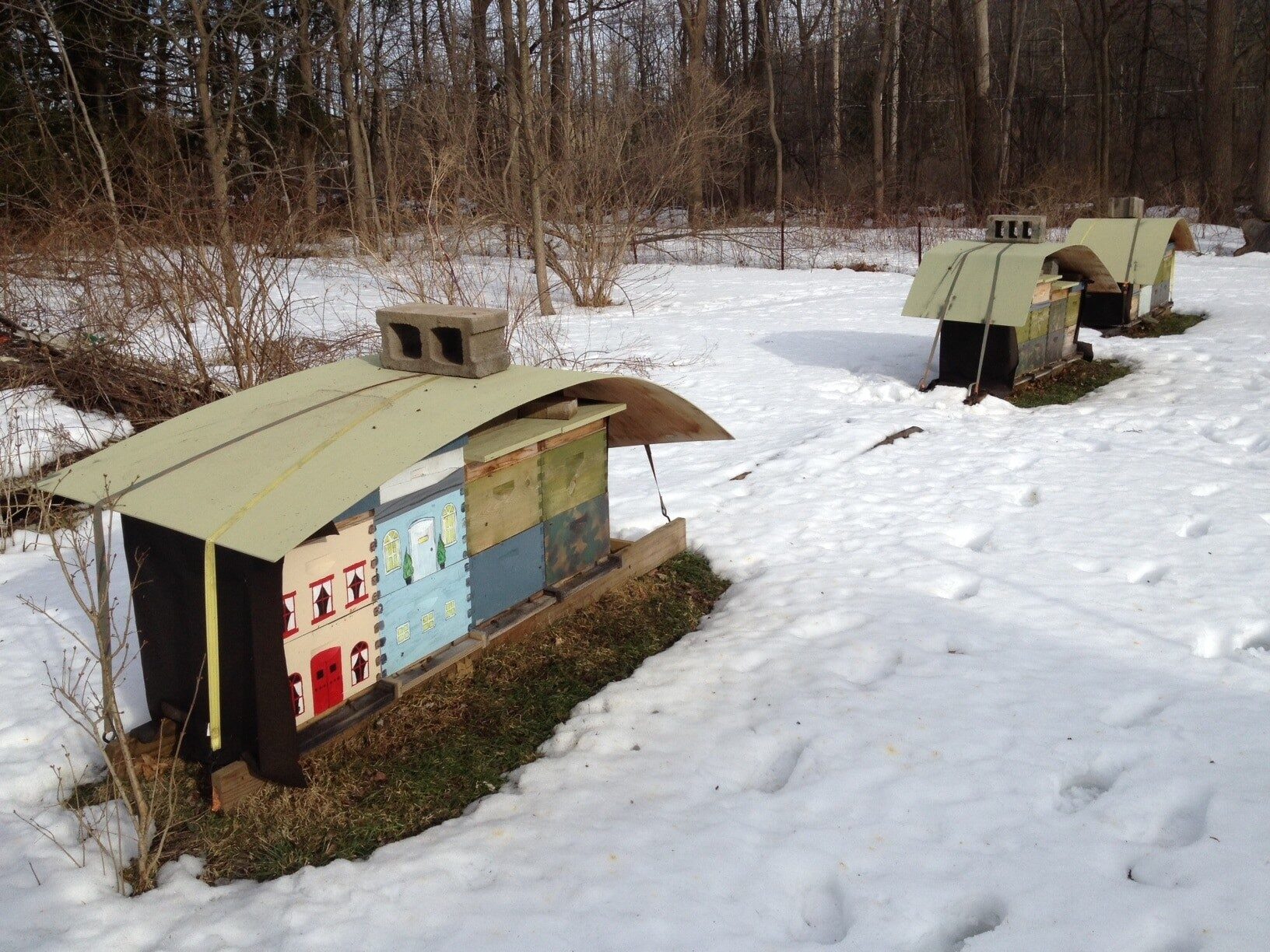
The term "Arctic bee" refers primarily to the Arctic Bumblebee (Bombus polaris), a species uniquely adapted to survive the extreme cold of the high North. While true "polar honeybees" do not exist as a separate wild species, human-managed honeybees (Apis mellifera) are successfully kept in Arctic regions through advanced insulation, climate-controlled overwintering, and specific northern-adapted genetic strains.
Disambiguating the Term: "Polar Honeybees" vs. Arctic Bumblebees
To understand the presence of bees in the far North, one must first distinguish between native wild species and managed agricultural livestock. The search for "polar honeybees" often stems from a misconception. Honeybees (Apis mellifera) are native to Europe, Africa, and parts of Asia, thriving in temperate and tropical climates. They are social insects that store large amounts of honey to survive the winter, but they lack the innate physiological adaptations required to survive an Arctic winter without human intervention.
In contrast, the Arctic Bumblebee (Bombus polaris) is a true denizen of the tundra. It is one of only two bumblebee species found in the high Arctic (the other being its social parasite, Bombus hyperboreus). As of 2026, researchers continue to study these insects as sentinels of climate change, given their reliance on a very narrow window of summer activity. When people speak of "Arctic bees" in a biological context, they are almost always referring to these robust, fuzzy giants of the north.
However, the "polar honeybee" does exist in a practical sense through the efforts of northern beekeepers. From the fjords of Norway to the interior of Alaska and the northern reaches of Canada, beekeeping has pushed further north than ever before. These are not a different species, but rather specific breeds like the Carniolan or Russian honeybee, managed with high-tech 2026-era insulation and monitoring systems to withstand sub-zero temperatures.
The True Arctic Resident: Biology of Bombus polaris
The Arctic Bumblebee is a masterpiece of evolutionary engineering. Found across the circumpolar North—including Alaska, Northern Canada, Greenland, and Northern Russia—this species has adapted to conditions that would kill most other insects within minutes.
Thermoregulation and Physical Adaptations
The most striking feature of Bombus polaris is its dense, shaggy coat of "hair" (setae), which provides exceptional insulation. But insulation alone is not enough. These bees are endothermic; they can generate their own body heat. By decoupled contraction of their flight muscles—essentially shivering—they can raise their internal thoracic temperature to over 30°C (86°F), even when the ambient air is near freezing.
This ability allows them to forage when temperatures are as low as 0°C (32°F), a time when other pollinators are completely immobilized. Their large body size compared to temperate relatives further aids in heat retention, a classic example of Bergmann's Rule applied to the insect world.
The Accelerated Life Cycle
In the Arctic, the "growing season" may be as short as six to eight weeks. Bombus polaris has adapted a "fast-track" reproductive cycle. A lone queen emerges from her underground hibernation as soon as the first willow catkins appear. She must quickly find a nest site (often an abandoned lemming burrow), forage for enough nectar and pollen to sustain herself, and rear the first generation of workers.
Unlike temperate bumblebees that may produce several hundred workers, an Arctic colony is often much smaller, sometimes consisting of only a few dozen individuals. In particularly harsh years, the queen may even skip the production of workers entirely and attempt to raise new queens and drones directly to ensure the survival of the lineage before the frost returns.
Managed Honeybees in the North: Beekeeping in 2026
Beekeeping at high latitudes (above 60°N) is no longer a hobbyist's anomaly; in 2026, it is a sophisticated agricultural practice. Because honeybees do not naturally hibernate like bumblebee queens—instead staying active in a cluster and consuming honey for heat—surviving an Arctic winter is an immense challenge.
Genetic Selection for Cold Hardiness
Beekeepers in the North do not use the popular Italian honeybee (Apis mellifera ligustica), as these bees tend to maintain large populations too late into the autumn, leading to starvation. Instead, they rely on:
- Carniolan Bees (A. m. carnica): Known for their ability to quickly reduce colony size in response to dwindling food supplies and cold weather.
- Russian Bees: Strains imported and refined for their extreme winter hardiness and resistance to pests like Varroa mites, which can be particularly devastating to stressed northern colonies.
- Saskatraz Strains: A hybrid developed in Canada specifically for high-latitude productivity and winter survival.
Overwintering Strategies
As of 2026, two primary methods dominate northern beekeeping:
- Indoor Wintering: Hives are moved into climate-controlled warehouses or cellars. These facilities maintain a constant temperature of approximately 4°C (39°F) and total darkness. This keeps the bees in a tight, quiet cluster, minimizing honey consumption and preventing "cleansing flights" that would lead to death in the snow.
- Advanced Outdoor Wrapping: For beekeepers who leave hives outside, 2026 technology includes vacuum-insulated panels and moisture-wicking top covers. Excess moisture is the primary killer of wintering bees; if the bees' respiration condenses and drips back onto the cluster, they freeze. Modern "breathable" insulation has revolutionized survival rates in places like Fairbanks and Tromsø.
The Challenges of High-Latitude Pollination
Whether wild or managed, bees in the north face a unique set of environmental hurdles. The relationship between the "Arctic bee" and its environment is a delicate balance of timing and energy expenditure.
The Phenomenon of the Midnight Sun
In the high North, the sun does not set for weeks or months during the summer. This provides a unique advantage: 24-hour foraging opportunities. Researchers have noted that Arctic bees often adjust their activity levels to the sun's position, but they can and do forage at "night" if the temperature remains high enough. This constant activity allows colonies to grow with incredible speed, compensating for the short season.
Floral Synchrony and Competition
The Arctic flora, including species like the Arctic Poppy (Papaver radicatum) and various willows (Salix spp.), have evolved to bloom in a rapid sequence. A major concern in 2026 is phenological mismatch. As the Arctic warms faster than the rest of the planet, flowers may bloom earlier than they did a decade ago. If the bees (which rely on soil temperature or day length to emerge) do not shift their schedule in perfect sync with the flowers, they may find themselves without food, and the plants may go unpollinated.
Comparison: Native Arctic Bumblebees vs. Managed Honeybees
| Feature | Arctic Bumblebee (B. polaris) | Managed Honeybee (A. mellifera) |
|---|---|---|
| Origin | Native to Circumpolar North | Introduced / Managed |
| Social Structure | Small annual colonies (30-100) | Large perennial colonies (20,000+) |
| Wintering Strategy | Queen hibernates alone underground | Entire colony clusters and eats honey |
| Cold Tolerance | Extremely high; can forage at 0°C | Moderate; requires cluster heat (~10°C+) |
| Primary Food Source | Wild tundra flowers (Willow, Saxifrage) | Wildflowers and agricultural crops |
| Human Utility | Essential ecosystem pollinator | Honey production and crop pollination |
| 2026 Status | Vulnerable to habitat shift | Increasing footprint via technology |
Practical Guidance for Northern Beekeeping (2026 Standards)
For those looking to manage honeybees in northern latitudes, success is measured not by honey yield in the first year, but by survival through the first winter.
Step 1: Resource Assessment
Before establishing a hive, ensure there is a "pollen bridge." In the North, the spring "pollen flow" from willows and alders is critical for brood rearing. Without this early protein source, the colony cannot build enough foragers to take advantage of the short, intense summer nectar flow from fireweed (Chamaenerion angustifolium) and clover.
Step 2: Hive Configuration
Standard Langstroth hives are often modified in the Arctic. Beekeepers frequently use 6-frame nucs or highly insulated polystyrene hives. The goal is to reduce the "dead air" space that the bees have to heat. In 2026, many commercial kits now include integrated sensors to monitor internal humidity and temperature via smartphone apps, allowing for non-invasive "check-ins" during the winter.
Step 3: Disease Management
Cold-stressed bees are more susceptible to Nosema (a gut parasite) and Varroa mites. Because the brood-rearing cycle is so compressed in the North, treatments must be timed perfectly. Late-summer mite treatments are essential to ensure that the "winter bees"—the long-lived generation that will survive until spring—are born healthy and with robust fat bodies.
Conservation and Environmental Impact
The presence of honeybees in the Arctic is a subject of ongoing debate in 2026. While they provide honey and help with local gardens, they are an introduced species. There is concern that managed honeybees may compete with the native Bombus polaris for limited floral resources.
Furthermore, the introduction of commercial honeybees brings the risk of pathogen spillover. Viruses that honeybees tolerate can be lethal to wild bumblebees. Current 2026 guidelines in many northern municipalities suggest keeping managed hives away from pristine tundra areas to preserve the "true" Arctic bee populations.
Frequently Asked Questions
Can honeybees survive in the Arctic naturally?
No. Honeybees require a large store of honey and a sheltered cavity to survive the winter. In the Arctic, the natural cavities (like hollow trees) are rare, and the winters are too long and cold for a standard honeybee colony to maintain its cluster temperature without the added insulation or indoor storage provided by humans.
Do Arctic bees produce honey?
Arctic Bumblebees produce a honey-like substance, but in very small quantities. They store it in small "honey pots" made of wax to feed the queen and the brood during rainy or particularly cold days. They do not produce the massive surpluses found in honeybee hives. Managed honeybees in the North can produce significant honey crops due to the 24-hour summer sunlight, often resulting in very light, delicate honey from fireweed.
What do Arctic bees eat during the winter?
The native Arctic Bumblebee queen does not eat during the winter; she is in a state of diapause (hibernation), having bulked up on fats and sugars in the late summer. Managed honeybees eat the honey they stored during the summer. A typical colony in the North may require 60 to 90 pounds of honey (or sugar syrup) to survive a six-month winter.
Is the Arctic Bumblebee endangered in 2026?
While not officially listed as endangered globally, Bombus polaris is considered a species of concern. Its habitat is shrinking as the "shrubification" of the tundra changes the types of flowers available, and as its specialized climate niche moves further north toward the Arctic Ocean.
How do bees fly in such thin, cold air?
The Arctic Bumblebee compensates for cold air (which is actually denser, but harder for muscles to move through) by increasing the amplitude of its wing beats. By maintaining a high internal body temperature through shivering, their metabolic rate remains high enough to power the demanding physics of flight in sub-arctic conditions.
Final Recommendations for Enthusiasts and Researchers
If you are interested in the world of "Arctic bees," your next steps depend on your goals:
- For Conservationists: Focus on planting native Arctic flora and participating in citizen science projects that track the sightings of Bombus polaris. Monitoring the emergence dates of queens is vital for 2026 climate research.
- For Prospective Northern Beekeepers: Prioritize insulation and moisture control over hive size. Join a local "Northern Beekeeping" association to learn the specific timing for your microclimate, as a difference of 50 miles can drastically change the available forage window.
- For Students of Biology: Study the physiological mechanisms of heat shock proteins and cryoprotectants in tundra insects, as these are the keys to the survival of the true "polar bee."
The Arctic is a frontier where biology meets its limits. Whether it is the resilient native bumblebee or the technologically-supported honeybee, these insects represent the incredible adaptability of life in the face of some of the harshest conditions on Earth.