Allstate Insurance is one of the largest property and casualty insurers in the United States, known for its extensive network of captive agents and diverse product offerings. Consumer sentiment toward the company is nuanced, often balancing high marks for policy customization and mobile app functionality against recurring concerns regarding premium costs and the claims settlement process in specific regions.
Evaluating an insurance provider requires looking beyond broad brand recognition. Because insurance needs are inherently localized—governed by state regulations, regional weather patterns, and specific property types—reviews of Allstate often fluctuate based on the user’s location and the complexity of their claims experience. This guide analyzes the core strengths and limitations of Allstate’s auto and homeowners insurance products as of 2026 to help you determine if they align with your financial goals and coverage requirements.
Understanding the Allstate Service Model
Allstate operates primarily through a distribution model that relies on exclusive agents. This is a critical differentiator compared to "direct-to-consumer" insurers that primarily handle business through websites or call centers. For many policyholders, the presence of a local office provides a sense of security and a point of contact for complex life events, such as moving, getting married, or purchasing a new vehicle.
However, this reliance on agents means that the service quality is often tied to the specific performance of the individual agency rather than just the corporate entity. When reading reviews, it is essential to distinguish between complaints about national corporate policy—such as rate increases or rigid underwriting standards—and complaints about local service, such as communication delays or agent availability.
Evaluating Allstate Auto Insurance
Allstate’s auto insurance portfolio is designed to be highly customizable, utilizing a suite of "add-on" coverages that allow policyholders to tailor their protection. This flexibility is a primary selling point, but it also creates complexity that can impact the customer experience.
Key Coverage Features
- Safe Driving Bonus: A program designed to reward accident-free driving with periodic credits or lower premiums.
- Accident Forgiveness: A feature that prevents premium hikes after the first "at-fault" accident, provided the policyholder meets specific eligibility criteria.
- New Car Replacement: An optional coverage that provides a brand-new vehicle if your car is totaled, rather than just the depreciated cash value.
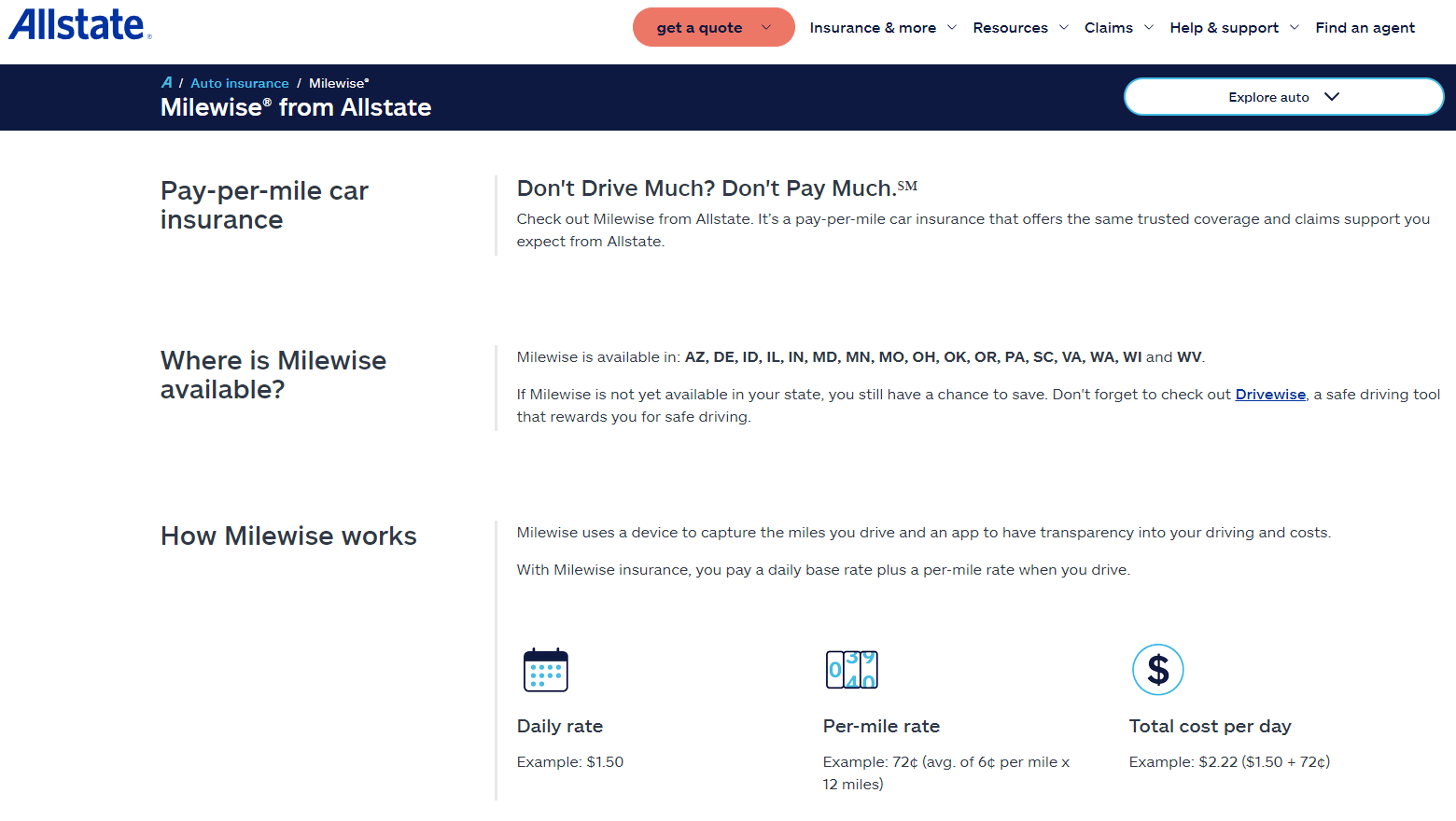
- Allstate Mobile App: Frequently cited in positive reviews, the app offers features like telematics tracking through the "Drivewise" program, which monitors driving habits to offer potential discounts.
Common Criticisms in Auto Insurance Reviews
Critics of the auto insurance program often point to premium transparency. As the insurance industry faces rising costs for vehicle parts, labor, and medical care, many policyholders have reported significant year-over-year rate increases. Furthermore, those who use the Drivewise telematics program occasionally report frustration regarding how the data collection impacts their "safe driving" score, sometimes finding the scoring algorithm to be overly sensitive to sudden braking.
Evaluating Allstate Homeowners Insurance
Homeowners insurance is inherently more complex than auto insurance, as it involves the protection of one’s largest financial asset against a vast range of perils. Allstate’s homeowners product is built on a standard ISO (Insurance Services Office) policy structure but allows for significant customization through endorsements.
Coverage Strengths
- Scheduled Personal Property: Provides increased coverage limits for high-value items like jewelry, art, or specialized equipment that standard policies may not fully cover.
- Green Improvement Coverage: Offers extra protection for homeowners who want to repair or replace damaged features with eco-friendly alternatives.
- Claim Satisfaction Guarantee: Allstate markets a specific guarantee that allows customers to receive a premium credit if they are dissatisfied with the handling of a claim.
Operational Challenges
The most critical feedback regarding Allstate homeowners insurance relates to the claims process, particularly in regions prone to catastrophic weather events like hurricanes or wildfires. In these areas, the gap between the expected replacement cost and the actual payout can lead to disputes. Policyholders frequently note that understanding the difference between "Actual Cash Value" (ACV) and "Replacement Cost Value" (RCV) is vital to avoiding surprises during a claim. It is highly recommended that homeowners review their declarations page annually to ensure their dwelling coverage limit keeps pace with local construction cost inflation.
Comparative Overview: Allstate Against Industry Standards
When comparing Allstate to other national carriers, the decision often comes down to the trade-off between personal service and premium cost. The following table summarizes how Allstate typically compares across key operational metrics.
| Feature | Allstate Performance | Market Context |
|---|---|---|
| Agent Access | High (Exclusive Agents) | Better for those wanting face-to-face service. |
| Digital Tools | Strong (Mobile App) | Comparable to top-tier national insurers. |
| Pricing | Mid-to-High | Often higher than "budget" or "direct" brands. |
| Customization | Extensive | Very high; allows for granular coverage control. |
| Claims Process | Variable | Depends heavily on regional management. |
Addressing Common Pain Points
Managing Rate Increases
Rate increases in 2026 are a systemic issue across the property and casualty insurance industry. If your premiums have risen, the first step is to contact your local agent to conduct a policy review. Ensure you are taking advantage of all eligible discounts, such as bundling your auto and home insurance, safety features on your vehicle, or smart-home devices that mitigate risk (e.g., water leak detectors or modern security systems).
Navigating the Claims Process
The quality of a claims experience is often determined by the documentation you provide. Whether it is auto or home insurance, maintaining a home inventory—a record of your belongings—is one of the most effective ways to expedite a claim. Use photos, videos, and receipts to create a digital file stored in a secure cloud location. If you do file a claim, keep a log of all interactions, including the names of adjusters, dates, and summaries of what was discussed.
Frequently Asked Questions
1. Does bundling Allstate home and auto insurance save money? Yes, bundling is one of the most common ways to receive a significant discount. By consolidating your policies under a single agent, you often qualify for a multi-policy discount, which can reduce the total premium compared to purchasing the policies separately from different carriers.
2. Are the reviews for Allstate agents reliable? Agent-specific reviews can be highly informative regarding the level of customer service you will receive, such as their responsiveness to emails or willingness to explain complex policy language. However, remember that an agent cannot control corporate pricing or national underwriting mandates.
3. Is Allstate’s Drivewise program worth the privacy trade-off? This depends on your driving habits. If you are a conservative driver who rarely speeds or brakes hard, you may see substantial discounts. If you commute during high-traffic times or have a lead foot, you may find the program less beneficial. Read the privacy disclosure carefully to understand exactly what telematics data is collected.
4. What should I do if my homeowner's claim is denied? First, request a written explanation from Allstate outlining the specific policy exclusion or reason for the denial. Review your policy’s language carefully. If you believe the denial is incorrect, you may request an internal appeal or escalate the issue to your state’s Department of Insurance, which regulates insurance practices in your jurisdiction.
5. How do I verify my Allstate coverage limits? Log into the Allstate mobile app or the online member portal to view your "Declarations Page." This document lists all your coverage limits, deductibles, and endorsements. It is the definitive legal summary of your policy for the current term.
Practical Steps for Prospective Policyholders
Before committing to a policy, follow these steps to ensure you are making an informed financial decision:
- Request a Declarations Page: If you are currently insured elsewhere, use your existing declarations page as a benchmark. Request that an Allstate agent provide a "like-for-like" quote to see how coverages compare.
- Verify Agent Credentials: Search for the local agency online and look at their specific reviews. A responsive, communicative agent is often more valuable than a slightly lower premium.
- Check Your State’s Market: Insurance regulations vary by state. Check your state insurance department’s website for consumer complaint ratios to see how Allstate ranks compared to other major insurers in your specific geographic area.
- Confirm Replacement Cost Coverage: For your home, always ensure you have "Replacement Cost" coverage rather than "Actual Cash Value," as the latter does not account for modern construction inflation.
Choosing an insurance carrier is a long-term commitment. Allstate’s combination of physical agency support and robust digital tools makes it a strong contender for those who value customization and professional guidance, provided the policyholder remains proactive in managing their coverage and keeping an inventory of their assets.