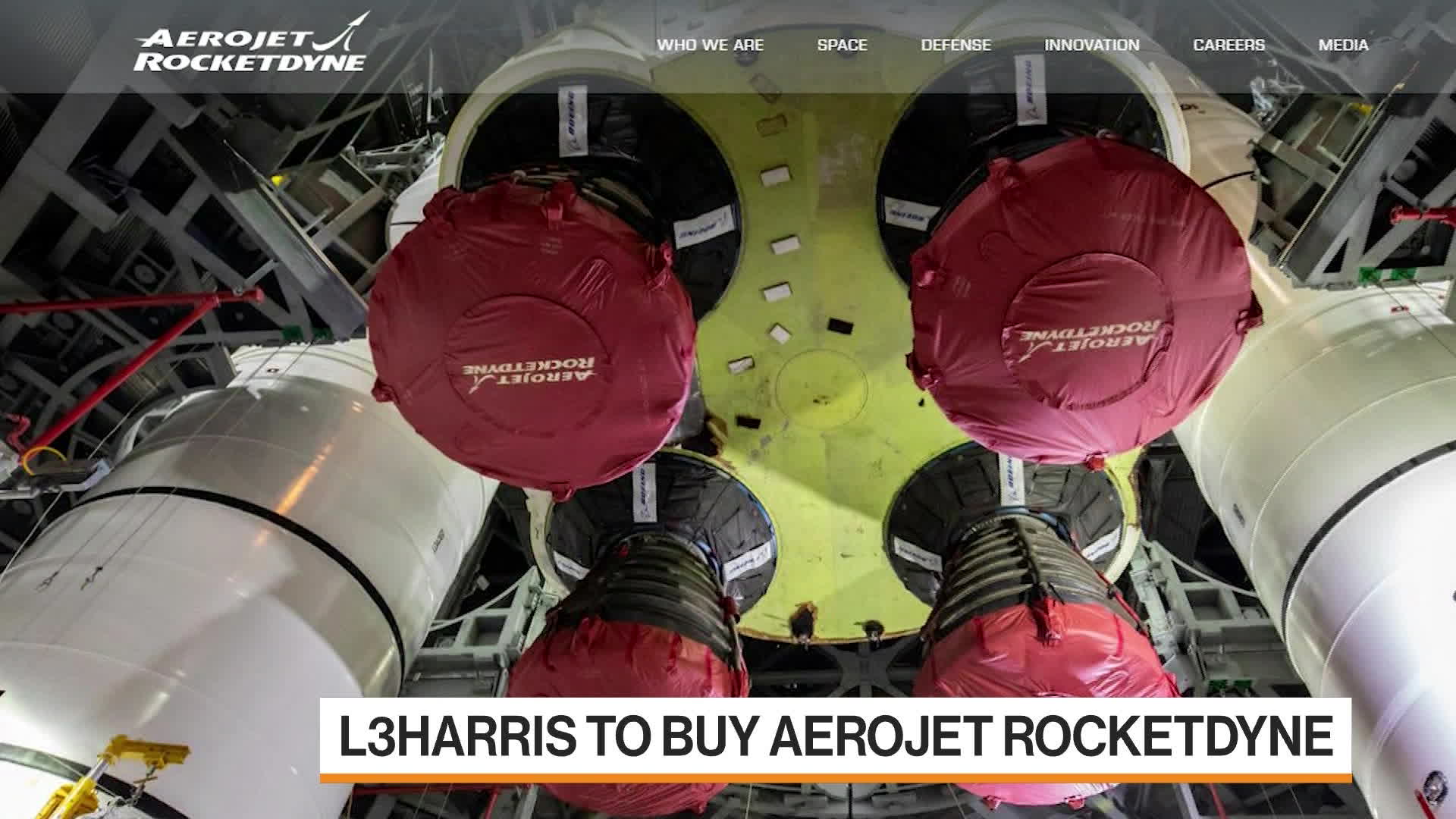
Aerojet Rocketdyne had a final equity market valuation of approximately $4.7 billion when L3Harris Technologies acquired the defense contractor in July 2023 for $58.00 per share in an all-cash transaction. As a fully integrated operating segment within L3Harris, Aerojet Rocketdyne no longer reports standalone equity net worth, though its propulsion programs generate over $2.3 billion in annual defense and space revenue.
Understanding Corporate Valuation for Aerospace Contractors
Evaluating the net worth of a specialized defense contractor like Aerojet Rocketdyne requires distinguishing between common financial metrics: market capitalization, book value of equity, and enterprise value. For public companies, market capitalization reflects the total outstanding equity value as priced by the stock market. Enterprise value extends this figure by adding net debt (total debt minus cash), representing the total cost required to acquire the business free of outstanding liabilities.
Before its acquisition, Aerojet Rocketdyne (formerly listed on the New York Stock Exchange under the ticker symbol AJRD) maintained a total enterprise value near $4.7 billion and a net asset equity value fluctuating between $3.8 billion and $4.4 billion based on daily share prices. Because defense manufacturing relies heavily on long-term government contracts, specialized testing sites, and proprietary chemical propulsion formulations, corporate valuation in this sector depends heavily on contractual backlog and intellectual property rather than liquid assets alone.
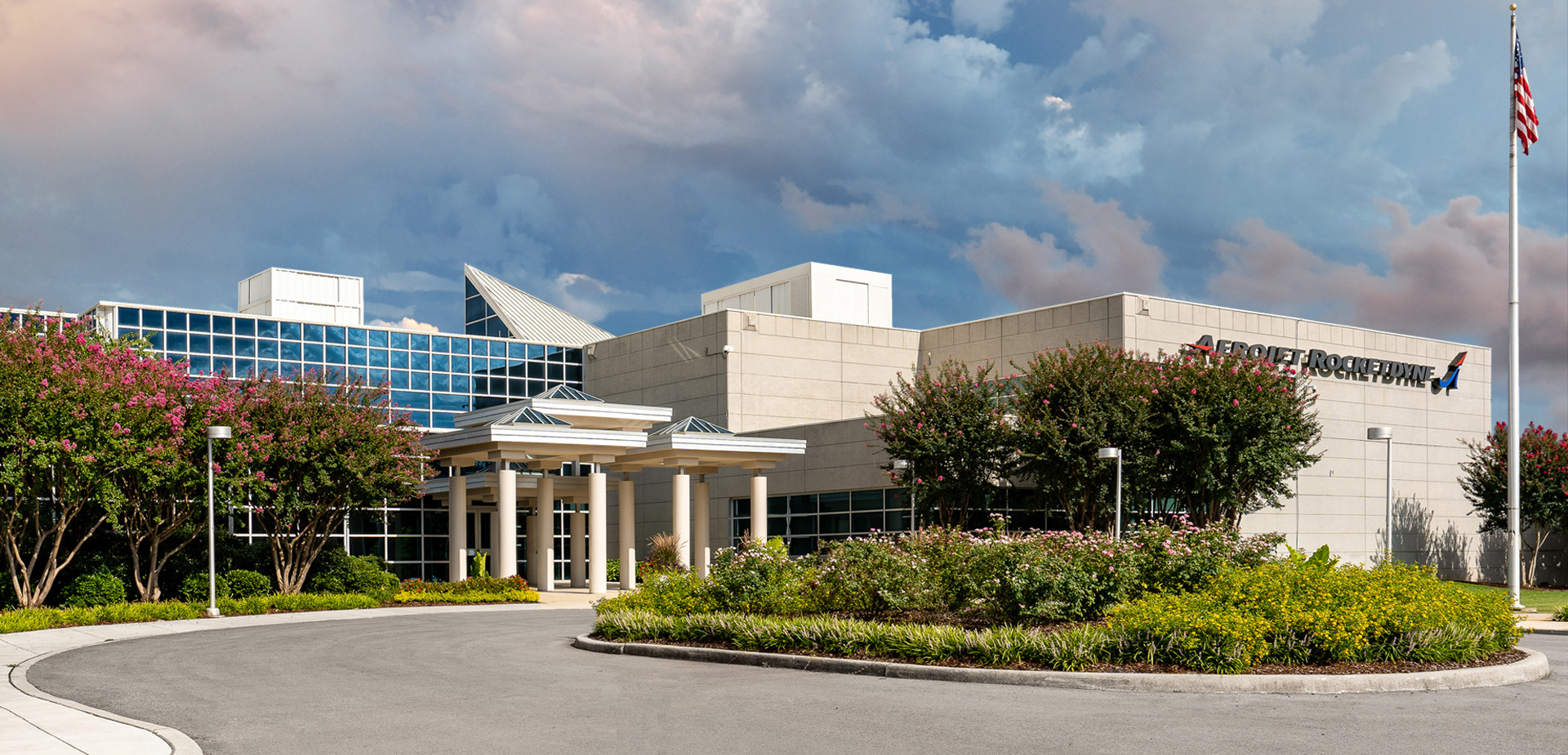
When evaluating a defense prime's balance sheet, institutional investors look beyond traditional asset-minus-liability calculations. They evaluate long-term defense appropriations, sole-source contract status, specialized production infrastructure, and regulatory barriers to entry. Aerojet Rocketdyne's physical infrastructure—sprawling testing grounds in Huntsville, Alabama; Rancho Cordova, California; Camden, Arkansas; and West Palm Beach, Florida—represents non-replicable capital assets that significantly elevated its buyout transaction valuation.
The $4.7 Billion L3Harris Acquisition: Deal Structure and History
The definitive financial valuation of Aerojet Rocketdyne was established through its $4.7 billion buyout by L3Harris Technologies (NYSE: LHX), which formally closed on July 28, 2023. The path to this valuation involved intense corporate bidding, regulatory intervention, and strategic restructuring across the defense industrial base.
The Terminated Lockheed Martin Acquisition Attempt
In December 2020, Lockheed Martin entered an agreement to acquire Aerojet Rocketdyne for $56.00 per share, which translated to an enterprise value of roughly $4.4 billion. However, this transaction faced severe opposition from regulatory bodies and industry competitors. In February 2022, the Federal Trade Commission (FTC) filed an administrative lawsuit to block the merger.
The regulatory challenge centered on anti-competitive vertical integration. Because Aerojet Rocketdyne was the last remaining independent merchant supplier of solid rocket motors and liquid propulsion systems in the United States, competitors like Raytheon Technologies expressed concern that a Lockheed Martin takeover would limit rival access to critical missile propulsion components. Facing anti-trust litigation, Lockheed Martin formally terminated the buyout agreement in February 2022, forcing Aerojet Rocketdyne to continue operating as an independent public enterprise while paying associated termination fees and restructuring internal strategic goals.
The L3Harris Transaction Mechanics
Following the termination of the Lockheed Martin deal, Aerojet Rocketdyne conducted a formal strategic review, culminating in an agreement with L3Harris Technologies in December 2022. L3Harris agreed to pay $58.00 per share in cash, valuing the target company at an enterprise valuation of $4.7 billion, inclusive of net debt.
Unlike Lockheed Martin, L3Harris operated primarily as a defense electronics, communications, and sensor manufacturer without competing internal missile architecture. This lack of vertical overlap mitigated anti-competitive concerns. The FTC permitted the transaction to proceed without imposing structural divestitures, and the acquisition officially closed in late July 2023. Upon closing, Aerojet Rocketdyne's stock was delisted from the NYSE, and its balance sheet was folded into L3Harris's consolidated financial reporting structure.
| Financial Parameter | Pre-Acquisition Public Metrics (2022–2023) | L3Harris Buyout Terms | Integrated Segment Context |
|---|---|---|---|
| Transaction Equity Price | $56.00–$58.00 per share | $58.00 per share (Cash) | N/A (Delisted from NYSE) |
| Total Enterprise Value | ~$4.4 Billion – $4.7 Billion | $4.7 Billion (Inc. Net Debt) | Integrated as L3Harris Business Segment |
| Annual Net Revenue | $2.24 Billion (2022) | Measured within L3Harris Revenue | ~$2.3 Billion+ (Segment Contribution) |
| Contractual Backlog | ~$6.8 Billion (2022) | Absorbed into L3Harris Backlog | Multi-year Defense/Space Pipeline |
| Primary Regulatory Regulator | FTC Review (Blocked Lockheed Deal) | FTC Cleared (July 2023) | DoD Industrial Base Oversight |
Pre-Acquisition Financial Breakdown: Revenue, Assets, and Debt
Prior to its acquisition by L3Harris, Aerojet Rocketdyne maintained a robust balance sheet characterized by predictable revenue streams from long-term defense and civil space contracts. Analyzing its last independent financial filings provides a clear picture of how the company achieved its multi-billion-dollar valuation.
Revenue Streams and Income Statement Metrics
For the full year 2022—the final full fiscal year for which standalone reporting is available—Aerojet Rocketdyne reported net sales of approximately $2.24 billion, up from $2.19 billion in 2021. Net income for 2022 stood at $74.6 million, reflecting standard margins within defense manufacturing where supply chain disruptions, raw material cost inflation, and fixed-price research and development contracts can constrain short-term profitability.
The company's revenue was primarily split between two operating segments:
- Defense Segment: Generating approximately 60% to 65% of total sales, driven by solid rocket motor production for tactical missiles, air defense systems, and strategic deterrent platforms.
- Space Segment: Generating roughly 35% to 40% of total sales, dominated by liquid rocket propulsion systems, satellite thrusters, and space exploration contracts with NASA and commercial launch providers.
Balance Sheet Structure and Backlog
At the time of its final public reporting, Aerojet Rocketdyne held total consolidated assets of approximately $3.1 billion to $3.3 billion. Its asset profile included specialized property, plant, and equipment (PPE) valued at over $600 million, substantial inventories of specialized energetic materials, and unbilled receivables on long-term government contracts.
A key contributor to the firm's overall net valuation was its multi-billion-dollar contract backlog. In late 2022, the company reported a total backlog of approximately $6.8 billion—more than three times its annual sales volume. Funded backlog (contracts for which congressional appropriations have already been allocated) represented roughly $3.1 billion of this total. This extended order book guaranteed steady operational cash flow and de-risked future revenue, justifying the acquisition premium paid by L3Harris.
Core Revenue Drivers and Essential Defense Programs
Aerojet Rocketdyne's enterprise value is anchored by its technical capabilities across critical national security and space exploration programs. The company designs and manufactures both liquid rocket engine systems and solid rocket motors, making it a foundational provider to prime contractors and government agencies.
Liquid Rocket Propulsion Programs
Liquid propulsion engines offer controllable thrust, reignition capability, and high efficiency, making them essential for upper-stage space launch vehicles and primary space exploration platforms.
- RS-25 Engines: Aerojet Rocketdyne manufactures the RS-25 liquid hydrogen/liquid oxygen engines that power the core stage of NASA's Space Launch System (SLS) for the Artemis moon missions. Each SLS launch utilizes four RS-25 engines, modified from original Space Shuttle Main Engine designs alongside next-generation newly manufactured units.
- RL10 Engines: The RL10 engine has served as a workhorse upper-stage engine for American spaceflight for decades. It powers United Launch Alliance's (ULA) Vulcan Centaur upper stage and the Atlas V Centaur upper stage, delivering critical national security payloads into orbit.
- In-Space Electric and Chemical Thrusters: The company manufactures small hydrazine, monopropellant, and hall-effect electric thrusters used for orbital maneuvers, satellite attitude control, and deep-space probes.
Solid Rocket Motor Defense Programs
Solid rocket motors (SRMs) provide immediate, reliable thrust for tactical missiles and strategic deterrent systems because they can remain stored for years and launch on demand without complex fueling operations.
- Tactical Air and Missile Defense: Aerojet Rocketdyne supplies solid propellant motors and divert/attitude control systems (DACS) for critical defense interceptors, including the Terminal High Altitude Area Defense (THAAD) system, the Patriot Advanced Capability-3 (PAC-3 MSE), and the Standard Missile family (SM-3, SM-6).
- Precision Strike and Munitions: The company provides rocket motors for widely deployed munition systems, such as the Javelin anti-tank missile, Guided Multiple Launch Rocket System (GMLRS) rockets, and Stinger anti-aircraft missiles. Increased global demand and inventory replenishments have significantly expanded motor production volumes.
- Strategic Deterrence (GBSD / Sentinel): Aerojet Rocketdyne serves as a major subcontractor to Northrop Grumman on the LGM-35A Sentinel program (formerly the Ground Based Strategic Deterrent), which is replacing the aging Minuteman III intercontinental ballistic missile (ICBM) force. The company produces stage motors for this multi-decade strategic project.
Post-Acquisition Performance: Integration into L3Harris
Since the completion of the acquisition in July 2023, Aerojet Rocketdyne operates as the fourth main business segment of L3Harris Technologies, joining Integrated Mission Systems, Space & Airborne Systems, and Communication Systems.
Strategic Capital Investments and Capacity Expansion
Following the acquisition, L3Harris initiated targeted capital expenditure projects to modernize Aerojet Rocketdyne's manufacturing facilities and resolve supply chain bottlenecks in solid rocket motor manufacturing. Defense Department demand for tactical munitions highlighted capacity constraints in the domestic solid rocket motor industrial base.
To address these deficits, L3Harris and government partners invested heavily in expanding facility footprints in Camden, Arkansas, and Huntsville, Alabama. In mid-2023, the U.S. Department of Defense awarded a $215 million Defense Production Act Title III grant to expand and modernize facilities for producing solid rocket motors used in GMLRS, Javelin, and Stinger systems. These infrastructure upgrades directly increased asset values within the Aerojet Rocketdyne segment.
Segment Financial Contributions to L3Harris
While standalone net worth metrics are no longer published for Aerojet Rocketdyne, its operational results are consolidated into L3Harris's financial reports filed with the U.S. Securities and Exchange Commission (SEC).
As part of L3Harris, the Aerojet Rocketdyne segment generates between $2.3 billion and $2.5 billion in annual revenue, contributing significantly to L3Harris's total consolidated revenue base exceeding $20 billion. The segment's operating margins have been targeted for improvement through corporate synergies, shared procurement networks, and enhanced manufacturing discipline introduced by L3Harris management.
Market Valuation Factors in Rocket Propulsion
Evaluating the economic standing of rocket propulsion suppliers involves several market dynamics that separate aerospace manufacturing from traditional industrial sectors.
High Capital Costs and Regulatory Barriers
Establishing a greenfield rocket propulsion manufacturing facility requires hundreds of millions of dollars in capital expenditure, extensive environmental permits, specialized hazardous material handling infrastructure, and years of qualification testing. Government safety regulations and environmental controls create high barriers to entry, protecting incumbent firms like Aerojet Rocketdyne from rapid market displacement.
Duopoly Dynamics in Domestic Solid Rocket Motors
The U.S. domestic market for large-scale solid rocket motor propulsion operates primarily as a duopoly between Aerojet Rocketdyne (now part of L3Harris) and Northrop Grumman Propulsion Systems (formerly Orbital ATK). Because modern military strategy relies heavily on precision-guided missiles, artillery rockets, and missile defense interceptors, maintaining two viable domestic sources of solid rocket motors is a declared priority for the U.S. Department of Defense. This structural demand guarantees stable long-term contracting opportunities for both market participants.
Federal Budget Appropriations and Foreign Military Sales
Aerojet Rocketdyne's ultimate financial performance is tied to federal defense spending and international military sales authorized through the U.S. government. National defense budget authorizations dictate procurement volumes for platforms like PAC-3, Javelin, and GMLRS. Increases in defense spending directly translate into expanded contract awards, enlarged backlog figures, and heightened enterprise enterprise valuation.
Frequently Asked Questions
What was Aerojet Rocketdyne's final stock price before it was acquired?
Aerojet Rocketdyne was acquired by L3Harris Technologies for $58.00 per share in an all-cash deal. Trading of AJRD stock on the New York Stock Exchange was halted and delisted upon the transaction's completion on July 28, 2023.
Can investors still buy shares of Aerojet Rocketdyne?
Investors can no longer purchase standalone stock in Aerojet Rocketdyne because it is no longer an independent publicly traded company. Investors seeking financial exposure to Aerojet Rocketdyne's operations can purchase shares of its parent organization, L3Harris Technologies, under the NYSE ticker symbol LHX.
Why did the FTC block Lockheed Martin from buying Aerojet Rocketdyne?
The Federal Trade Commission sued to block Lockheed Martin's proposed $4.4 billion acquisition in 2022 because Lockheed Martin is a major defense prime contractor that builds complete missile systems. Regulators determined that allowing Lockheed to own the primary supplier of propulsion systems would allow it to deny critical rocket engines to competing defense contractors, harming market competition.
How much revenue does the Aerojet Rocketdyne segment generate today?
As an integrated operating division of L3Harris Technologies, the Aerojet Rocketdyne segment generates approximately $2.3 billion to $2.5 billion in annual sales. Its financial results are consolidated within L3Harris's quarterly and annual SEC filings.
What are Aerojet Rocketdyne's most important defense contracts?
Aerojet Rocketdyne manufactures solid rocket motors for major defense platforms, including the PAC-3 MSE missile interceptor, THAAD missile defense system, Javelin anti-tank missile, and GMLRS artillery rockets. It is also a key propulsion subcontractor for the U.S. Air Force's LGM-35A Sentinel intercontinental ballistic missile modernization effort.
Strategic Guidance for Aerospace Financial Tracking
When analyzing defense technology valuations and propulsion manufacturers, corporate net worth must be viewed through enterprise value, order backlog, and capital assets rather than cash reserves alone. For financial analysts and defense industry stakeholders tracking the propulsion sector, key operational indicators include:
- Monitor Parent Company Filings: Review L3Harris Technologies' quarterly SEC Form 10-Q and annual Form 10-K disclosures specifically under the "Aerojet Rocketdyne" reporting segment to track revenue trends, operating margins, and segment order intake.
- Track Defense Department Appropriations: Defense spending bills (such as the annual National Defense Authorization Act) detail procurement quantities for missile defense interceptors, precision munitions, and strategic systems that drive contract flow to propulsion suppliers.
- Assess Supply Chain Capital Investments: Track facility expansions and government-funded capacity enhancements (such as Defense Production Act Title III investments), which indicate physical plant additions and long-term production scaling.
Understanding these underlying structural factors provides a clear frame of reference for how Aerojet Rocketdyne achieved its $4.7 billion transaction valuation and continues to operate as an essential defense propulsion provider.