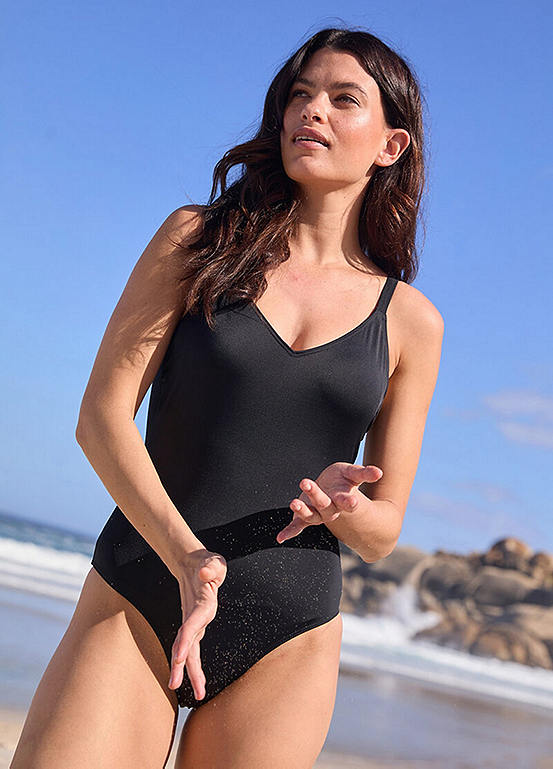
An adjustable v-neck swimsuit is a versatile swimwear essential characterized by a plunging neckline and customizable fit features such as sliding straps, side cinching, or tie-closures. By allowing the wearer to modify support levels and coverage, it serves as a multi-functional garment suitable for various aquatic activities, body types, and style preferences throughout the 2026 summer season.
Understanding the Anatomy of the Adjustable V-Neck
The v-neck swimsuit has long been a staple of beach fashion, but the "adjustable" iteration represents a significant leap in garment engineering. Unlike fixed-silhouette suits, the adjustable v-neck incorporates mechanical elements—such as sliders, grommets, and drawstrings—that allow the garment to adapt to the wearer’s unique proportions rather than forcing the wearer to adapt to a static mold.
The "V" shape itself is a powerful design tool. In fashion theory, the v-neckline creates a vertical line that draws the eye downward, effectively elongating the torso and neck. When you add adjustability to this equation, you gain control over the depth of that line. In 2026, we see this most commonly in three areas:
- Shoulder Strap Modifiers: Traditional sliders allow for a shorter or longer rise, which is critical for preventing "strap-slip" or ensuring the bust sits at the correct anatomical height.
- Neckline Drawstrings: Some modern designs feature a hidden cord within the hem of the V, allowing the wearer to "scrunch" the fabric for a more gathered, modest look or flatten it for a sleek, daring plunge.
- Lateral Tension Toggles: Side-seam adjustability often accompanies the v-neck, allowing for the height of the leg opening to be raised or lowered, which complements the aesthetic balance of the upper half.
Why Adjustability is Non-Negotiable in 2026
The swimwear industry in 2026 has moved away from "one-size-fits-most" mentalities toward a "designed-for-me" experience. The adjustable v-neck is the poster child for this shift. Consumers no longer accept the trade-off between a suit that fits the hips but is too loose on the bust.
Adjustability also addresses the reality of body fluctuation. Whether due to hydration levels, menstrual cycles, or long-term fitness changes, a body is rarely the exact same size from June to August. A swimsuit that can expand or contract via its hardware ensures a longer garment lifecycle, which aligns with the growing 2026 trend toward sustainable consumption and reducing "fast fashion" waste. By purchasing a suit that adapts, the wearer reduces the need for multiple purchases, making the adjustable v-neck a more economical and environmentally conscious choice.
Technical Fabrics and Material Innovations
The performance of an adjustable v-neck swimsuit is heavily dependent on the quality of its textiles. In 2026, the standard for high-quality swimwear has shifted toward advanced polymer blends that offer both high "modulus" (stretch resistance) and "recovery" (the ability to return to original shape).
Recycled Polyamides and Elastanes
Most premium adjustable suits now utilize Econyl or similar regenerated nylon fibers sourced from ghost fishing nets and landfill waste. These materials are often treated with chlorine-resistant finishes. Since adjustable suits rely on the tension of straps and ties, the fabric must be able to withstand localized pressure without "thinning" or losing its elasticity.
UV Protection and Skin Health
In 2026, a "beach day" is synonymous with sun safety. Most reputable adjustable v-neck suits now carry a UPF (Ultraviolet Protection Factor) rating of 50+. This is particularly important for the v-neck silhouette, as the chest area is highly susceptible to solar damage. The adjustability allows the wearer to tighten the suit against the skin, ensuring there are no gaps where UV rays can penetrate through loose fabric. For more information on sun-protective clothing standards, the Skin Cancer Foundation provides comprehensive guidelines on UPF ratings.
How to Choose the Best Adjustable V-Neck for Your Body Type
While the v-neck is universally flattering, the way you utilize the adjustable features can enhance your specific silhouette.
For Smaller Busts
Those with smaller chest sizes often struggle with "gaping" in a deep V. An adjustable v-neck with a front drawstring allows you to create texture and volume. By tightening the center cord, the fabric gathers, creating the illusion of a fuller bust. Additionally, adjustable straps should be tightened to ensure the cups stay flush against the skin during movement.
For Larger Busts and Support Needs
Support is the primary concern for larger busts. Look for suits that feature wide-set adjustable straps and perhaps a hidden underwire or a thick under-bust band. The adjustability here is key for weight distribution. By tightening the straps, you can lift the bust, while the v-neck prevents the "monobob" look often found in high-neck athletic suits. It is essential to ensure the hardware (the sliders) is made of high-grade plastic or coated metal that won't dig into the shoulders under tension.
For Short or Long Torsos
The adjustable strap is a lifesaver for those whose height doesn't align with standard swimwear patterns. A short-torsoed individual can tighten the straps to prevent the suit from sagging at the crotch, while a long-torsoed individual can let the straps out to prevent the suit from pulling uncomfortably at the shoulders.
Comparing Adjustment Mechanisms in Modern Swimwear
The "how" of adjustability is just as important as the "where." Different mechanisms offer different levels of security and aesthetic appeal.
| Adjustment Type | Mechanism Description | Best Use Case | Durability Rating |
|---|---|---|---|
| Traditional Sliders | Metal or plastic loops on the straps. | Daily beach lounging; minor height adjustments. | High |
| Self-Tie Halter | Fabric ties behind the neck or back. | Maximum customization; tanning (easy to undo). | Medium (Ties can loosen) |
| Side-Cinch Toggles | Drawstrings on the hips or bust. | Changing coverage levels; active swimming. | High |
| Lace-up Back | Corset-style lacing through grommets. | High-support needs; aesthetic detailing. | Very High |
| Snap-Buttons | Discreet buttons along the neckline. | Fixed modesty levels; nursing mothers. | Medium |
Styling Your V-Neck from Shore to Street
One of the greatest advantages of the adjustable v-neck swimsuit in 2026 is its ability to function as a bodysuit. Because the v-neck is a standard silhouette in evening and casual wear, transitioning from a beach day to a dinner reservation is seamless.
To style the suit for a post-beach outing:
- The Palazzo Move: Pair a cinched v-neck one-piece with high-waisted linen palazzo pants. The V-shape of the suit creates a sophisticated "top" look.
- The Wrap Skirt: For a resort-chic aesthetic, use a sheer sarong or wrap skirt. Adjust the neckline of your suit to its most modest setting for a balanced daytime look.
- Jewelry Integration: A deep V provides the perfect canvas for a pendant necklace. Ensure your jewelry is "sea-safe" (gold-filled or high-grade stainless steel) if you plan to wear it near the water.
Maintenance and Longevity: Protecting Your Investment
Because adjustable swimsuits contain more "moving parts" than standard suits—such as elastic cords, sliders, and grommets—they require specific care to ensure they last for several seasons.
- Rinse Immediately: Saltwater and chlorine are the enemies of elastane. Rinse your suit in cold, fresh water immediately after leaving the beach or pool.
- Avoid Excessive Tension During Drying: Do not hang an adjustable suit by its straps while wet. The weight of the water can permanently stretch the elastic, making the "adjustable" range useless over time. Lay it flat on a towel in the shade.
- Hardware Check: Periodically check the sliders and toggles for signs of corrosion or cracking. In 2026, most high-end brands use salt-water-resistant coatings, but sand can still get trapped in the mechanisms and cause abrasion.
- Hand Wash Only: While some modern machines have "delicate" cycles, the agitation can snag drawstrings or bend metal sliders. Hand washing with a specialized swimwear detergent is the only way to guarantee longevity. For textile care standards, the International Association for Textile Care Labelling (GINETEX) offers globally recognized symbols and advice.
Common Mistakes to Avoid
Even with the most versatile suit, user error can lead to discomfort or a "fashion fail."
- Over-tightening: It is tempting to crank the adjusters to their limit for maximum lift. However, this puts undue stress on the seams and can lead to "quad-boob" (where the breast tissue is squeezed out of the top of the V).
- Ignoring the Back: Many people focus entirely on the front V and forget that the back adjustment determines the stability of the front. Ensure the back band is level and snug; if it rides up, your front support will collapse regardless of how tight the straps are.
- Fabric Choice for Activity: If you are planning on surfing or playing beach volleyball, choose an adjustable v-neck with fixed shoulder straps and cinching necklines rather than a halter tie. Halters can cause neck strain during high-impact movement.
Frequently Asked Questions
Can an adjustable v-neck swimsuit be worn for lap swimming?
While primarily designed for leisure and aesthetics, many adjustable v-necks are suitable for lap swimming if they feature cross-back straps or "fixed" adjustability. A deep V might create more "drag" than a high-neck competition suit, but for fitness swimming, a properly tightened v-neck is perfectly functional. Ensure the fabric is PBT (Polybutylene Terephthalate) based if you swim in high-chlorine environments daily.
How do I know if the "V" is too deep for my body type?
The beauty of the adjustable v-neck is that "too deep" is subjective and fixable. If you feel exposed, utilize the cinching features or tighten the shoulder straps to lift the neckline. A general rule of fashion is that the point of the V should not extend past the narrowest part of your ribcage unless you are going for a very specific high-fashion editorial look.
Are v-neck swimsuits out of style in 2026?
Quite the opposite. The v-neck is considered a "heritage" silhouette that transcends seasonal trends. In 2026, the focus has shifted from what the shape is to how it functions. The addition of adjustability has modernized the v-neck, making it more relevant than ever in a market that prizes inclusivity and personalized fit.
What should I look for in the "hardware" of an adjustable suit?
Look for "heat-resistant" sliders. Cheap plastic sliders can become brittle in the sun or uncomfortably hot to the touch. Premium brands in 2026 use ceramic-coated or rubberized hardware that remains cool against the skin and resists the corrosive effects of sea salt.
Final Recommendation: Finding Your Perfect Fit
The adjustable v-neck swimsuit is more than just a fashion statement; it is a tool for body confidence and garment longevity. When shopping for your next beach day essential, prioritize suits that offer at least two points of adjustment—typically the shoulder straps and either a back tie or side-seam cinch. This "triangulation" of fit ensures the suit can be perfectly calibrated to your frame.
Before your next trip, spend five minutes in front of a mirror with your new suit. Experiment with the toggles and sliders while moving—sit down, reach up, and twist. The goal is to find the "sweet spot" where the v-neck remains secure against your chest without digging into your skin. Once you find that perfect setting, you are ready for any beach day 2026 throws your way.