The professional accountant outlook for 2026 is defined by a rapid transition from traditional transaction-based record-keeping toward high-level strategic advisory services, largely driven by advancements in generative artificial intelligence and shifting regulatory requirements. While the demand for routine bookkeeping is waning, the need for data-literate professionals capable of interpreting complex financial insights, managing cybersecurity risks, and ensuring environmental, social, and governance (ESG) compliance is at an all-time high.
The Evolution of the Accountant Role
The accounting profession is currently experiencing a metamorphosis. Historically, an accountant's value was predicated on their ability to aggregate data, reconcile accounts, and prepare tax filings. In 2026, those functions are largely commoditized through sophisticated software and automated cloud-based ecosystems.
This does not mean the profession is disappearing; rather, it is pivoting. The modern accountant is increasingly acting as a "fractional CFO" for small-to-medium-sized enterprises (SMEs) and a strategic consultant for larger organizations. The focus has moved from "What happened in the last quarter?" to "What will happen in the next three years based on this data?" This shift requires accountants to develop skills in predictive analytics, emotional intelligence, and business strategy—capabilities that machines cannot replicate.
Technological Integration and AI Adoption
Artificial Intelligence (AI) and machine learning are no longer theoretical concepts but core infrastructure for accounting firms. In 2026, the use of AI in accounting involves:
- Automated Auditing: Algorithms now scan 100% of transaction data for anomalies rather than relying on statistical sampling, increasing the accuracy and scope of financial audits.
- Predictive Financial Modeling: Using historical data to forecast cash flow, tax liabilities, and market trends with high precision.
- Natural Language Processing (NLP): Software can now read and interpret unstructured data, such as contract clauses or email correspondence, to assist in audit and compliance processes.
For the accountant, this means the barrier to entry has shifted. Proficiency in Excel is now a baseline expectation, while familiarity with SQL, Python, or data visualization tools like Power BI and Tableau has become a competitive advantage. Accountants who embrace these tools are seeing their productivity increase, allowing them to handle higher volumes of complex clients without increasing headcount.
Key Areas of Growth and Specialization
While some traditional accounting roles are contracting, specific sectors are expanding rapidly. The following areas represent the strongest professional opportunities in 2026:
ESG Reporting and Compliance
Organizations are facing increasing pressure from regulators and investors to report on their sustainability and carbon footprint. Accountants are the natural choice to standardize this reporting, as they already possess the framework for rigorous data collection and verification. Professionals who specialize in sustainability accounting (often involving certifications like the FSA credential) are currently seeing significant career acceleration.
Cybersecurity and Financial Risk Management
As financial systems move entirely to the cloud, the risk of data breaches and ransomware attacks has surged. Accountants are now frequently involved in auditing the cybersecurity controls of their clients. Understanding the intersection of financial risk and information security is a highly sought-after expertise.
Fractional and Virtual Controller Services
The rise of the digital-first business model has created a massive market for fractional services. Many startups and SMEs cannot afford a full-time CFO, but they desperately need expert oversight. Virtual accounting firms that offer "controller-as-a-service" provide recurring revenue and a high degree of professional autonomy.
Professional Challenges and Educational Requirements
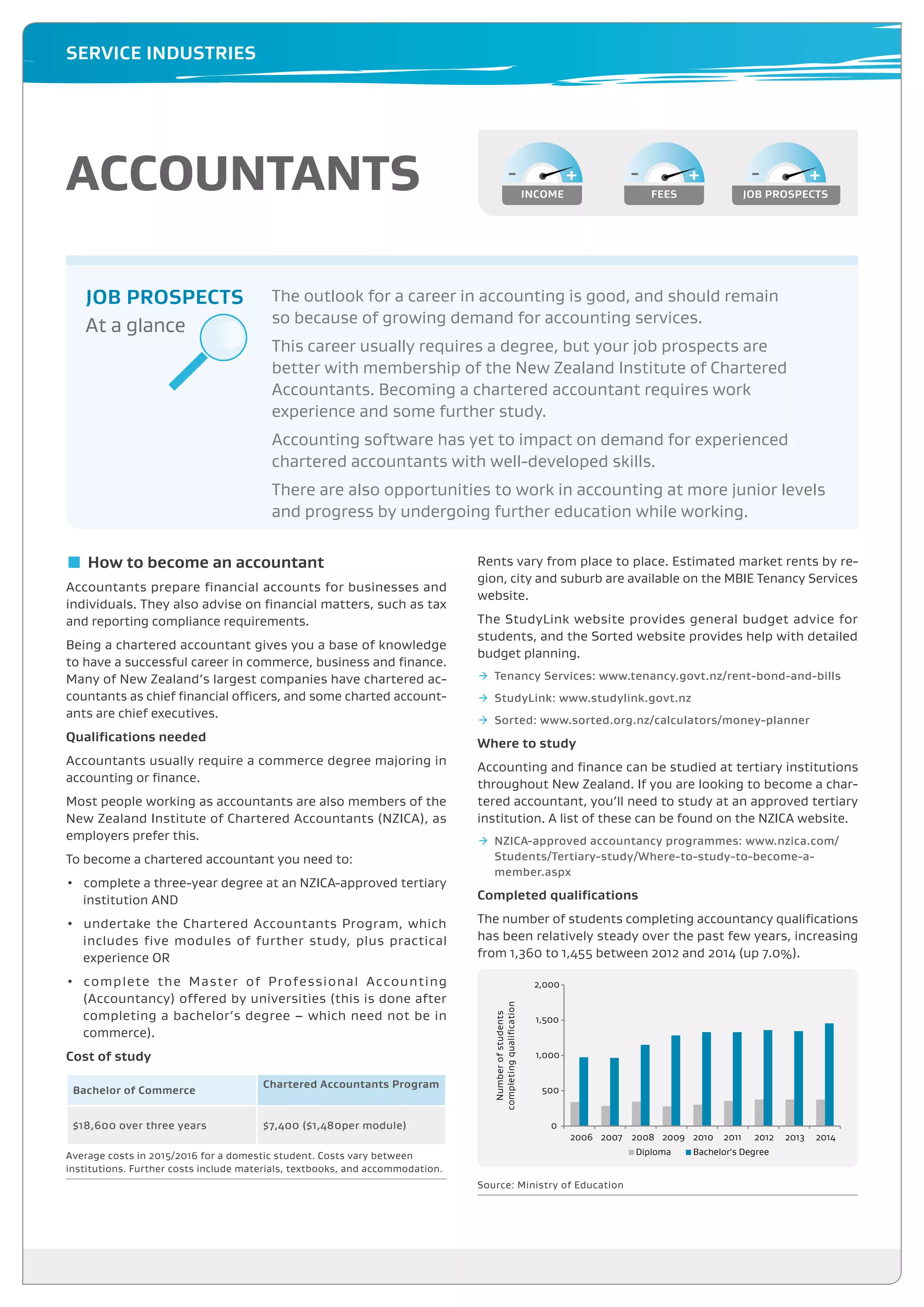
The accounting outlook is not without its hurdles. The most significant challenge remains the "talent crunch." The number of students completing the 150-credit hour requirement for CPA licensure in the United States has faced stagnation, leading to a competitive hiring environment.
| Career Phase | Focus Area | Required Proficiency |
|---|---|---|
| Entry-Level | Data Management | Cloud Accounting Software, Bookkeeping Standards |
| Mid-Level | Systems Integration | ERP Implementation, Data Visualization |
| Senior Level | Strategic Advisory | Financial Forecasting, Regulatory Strategy |
| Specialist | ESG/Cybersecurity | Risk Assessment, ESG Regulatory Standards |
To thrive, accountants must prioritize continuous professional development (CPD). Beyond traditional tax law updates, modern training must encompass digital literacy and interpersonal communication. The ability to present complex financial data to stakeholders who have no background in accounting is arguably the most important skill for a partner-track professional in 2026.
The Regulatory Environment in 2026
The regulatory landscape remains complex. With international standards bodies (such as the IFRS Foundation) moving toward unified global reporting standards, accountants must stay current with updates that span borders. Furthermore, tax legislation in many jurisdictions has become more aggressive regarding digital assets and cross-border e-commerce. Staying ahead of these changes is a fundamental requirement for maintaining a reputation as a trusted advisor.
Addressing the Talent Gap
Firms are addressing the recruitment bottleneck by rethinking the "accountant" persona. Many organizations are now recruiting non-traditional candidates—such as data analysts, math majors, and even psychology graduates—and training them in the accounting principles they lack. This diversity of thought is proving beneficial, as it brings a broader range of analytical skills to the table than a traditional accounting degree program historically emphasized.
Essential Questions for Current and Aspiring Accountants
1. Is the accounting profession being replaced by AI?
No. AI is replacing tasks, not the profession. The strategic judgment, ethical oversight, and relationship management required to navigate a client's business decisions remain firmly in the human domain.
2. Is it still worth getting a CPA license?
Yes. The CPA credential remains the gold standard for credibility in the financial industry. While the technical work is becoming automated, the CPA designation signals a level of ethical rigor and deep knowledge that software cannot convey.
3. What is the most important skill for an accountant in 2026?
Data fluency. The ability to look at a dataset, identify trends, and—most importantly—communicate those findings in a way that helps a business leader make a better decision is the primary value-add of the modern accountant.
4. How are accounting fees changing?
The industry is moving away from hourly billing. With the increased efficiency provided by AI, charging by the hour often penalizes the firm for being efficient. Fixed-price, value-based billing—where the fee is tied to the strategic outcome delivered to the client—is becoming the industry standard.
5. What is the outlook for international accounting?
Globalization remains a key theme. Businesses are increasingly operating across multiple jurisdictions, which creates a constant demand for accountants who understand transfer pricing, international tax treaties, and cross-currency financial reporting.
Moving Forward: Your Strategic Action Plan
To capitalize on the current professional outlook, you must take proactive steps to align your career with the high-value areas of the industry.
- Conduct a Skills Audit: Assess your current toolkit. Are you still relying on manual entry? If so, prioritize learning cloud-based ERP systems (such as NetSuite, Xero, or Sage Intacct) immediately.
- Focus on Niche Expertise: Generalist accounting is increasingly vulnerable to automation. Consider specializing in a high-demand, high-complexity niche like cybersecurity auditing, international tax, or ESG reporting.
- Enhance Communication Skills: Your value will ultimately be determined by your ability to explain what the data means. Practice turning complex financial statements into concise, actionable executive summaries.
- Network Outside the Profession: Connect with professionals in IT, operations, and marketing. Understanding how other departments impact the bottom line will make you a far more effective strategic advisor.
The outlook for the accounting profession in 2026 is one of transformation and opportunity. By leaning into technology, specializing in complex regulatory areas, and sharpening your advisory skills, you can ensure your career remains resilient and highly lucrative in the years ahead.