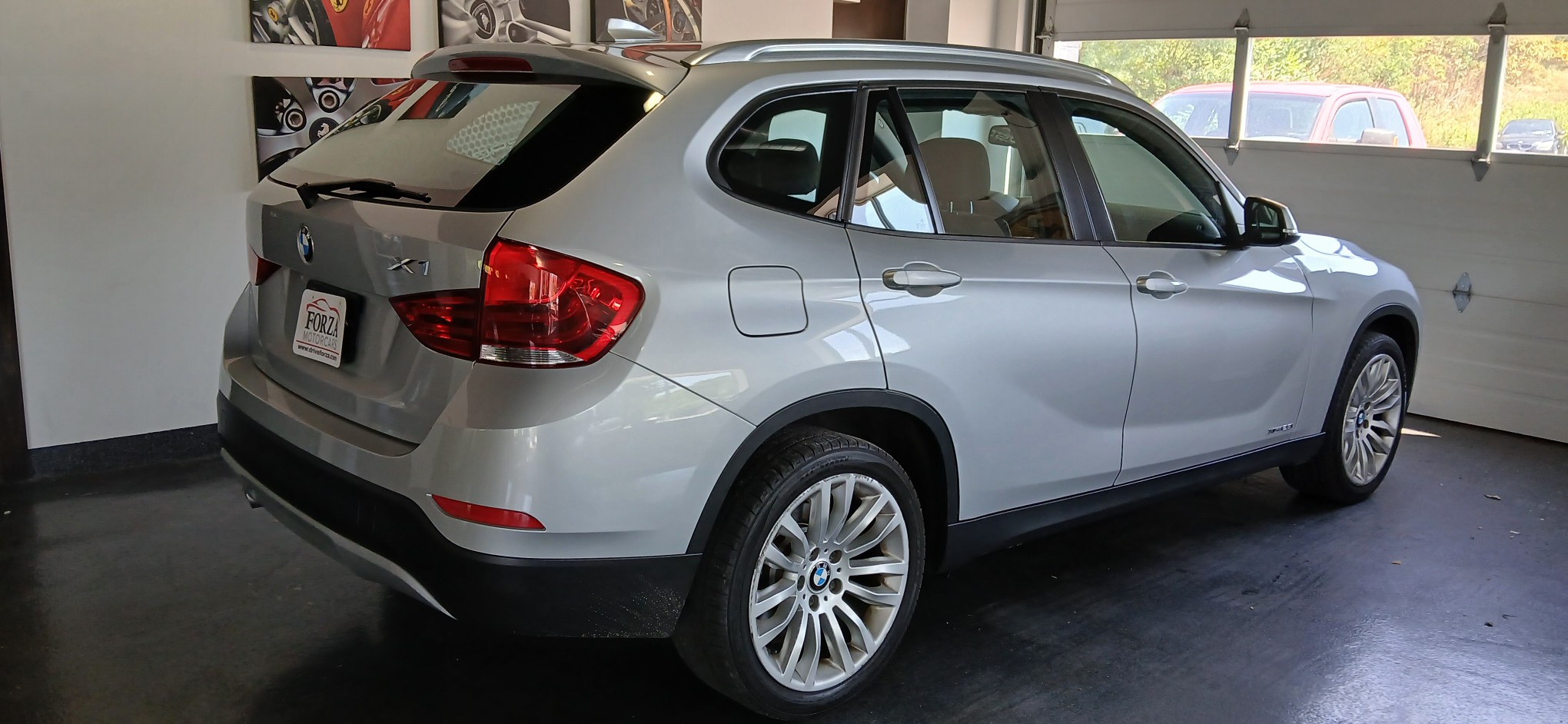
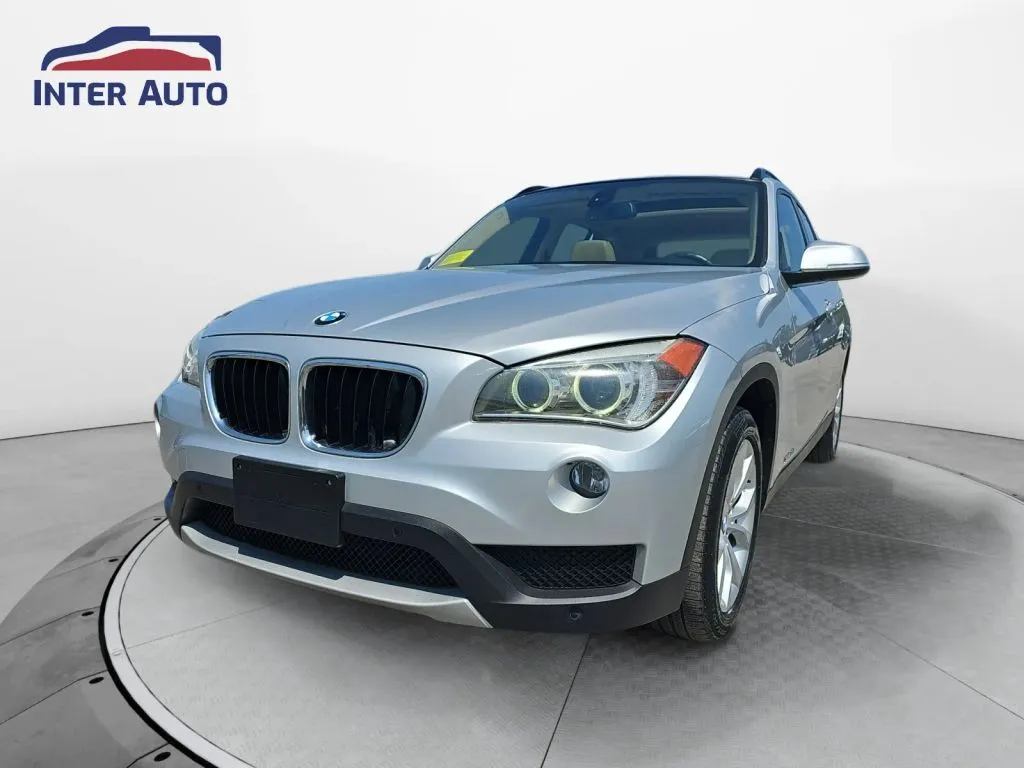
The 2014 BMW X1 xDrive28i displays average to slightly below-average long-term reliability, primarily driven by engine component vulnerabilities. While its ZF 8-speed automatic transmission and xDrive all-wheel-drive system are mechanically robust, the N20 2.0-liter turbocharged four-cylinder engine suffers from notorious timing chain guide failures and frequent oil leaks, requiring diligent preventive maintenance to avoid severe repair expenses.
Overview of the 2014 BMW X1 xDrive28i (E84 Platform)
The 2014 model year belongs to the first-generation BMW X1 (designated internally as the E84 chassis). Unlike later X1 generations that transitioned to a front-wheel-drive-based architecture, the E84 is built on the E90 3 Series platform. This endows the 2014 X1 xDrive28i with rear-biased handling dynamics, hydraulic or stiff electric power steering, and a subcompact crossover footprint that appeals to drivers seeking a sporting driving experience.
Under the hood, the xDrive28i model features BMW’s N20B20 engine—a 2.0-liter inline four-cylinder engine equipped with a twin-scroll turbocharger, Direct Injection, Double-VANOS variable valve timing, and Valvetronic variable valve lift. Power is delivered to all four wheels through an electronic xDrive system coupled with a ZF 8-speed automatic transmission (8HP45).
2014 BMW X1 xDrive28i Architecture Overview (E84 Platform)
| Feature | Specification |
|---|---|
| Engine | N20B20 2.0L Turbo Inline-4 |
| Transmission | ZF 8HP45 8-Speed Automatic |
| Drivetrain | xDrive Rear-Biased AWD |
| Power Output | 240 hp @ 5,000–6,500 rpm |
| Torque Output | 260 lb-ft @ 1,250–4,800 rpm |
While the driving dynamics of the E84 platform are praised by automotive enthusiasts, evaluating a 2014 vehicle requires an in-depth understanding of how its aging mechanical systems hold up over time and high mileage.
Engine Reliability: The N20 2.0L Turbo Four-Cylinder
The main factor determining the overall reliability of the 2014 BMW X1 xDrive28i is the N20 engine. Introduced to replace the naturally aspirated N52 inline-six, the N20 improved fuel efficiency and low-end torque, but introduced specific structural failure points that owners and used-car buyers must address.
The N20 Timing Chain and Oil Pump Drive Assembly
The most severe issue affecting the 2014 N20 engine involves the plastic timing chain guides and the secondary oil pump assembly drive chain.
- Mechanism of Failure: The original plastic timing chain guides were fabricated from a composite polycarbonate material prone to thermal degradation over time. As the material crystallizes, the guides become brittle, fracture, and break apart into the oil pan.
- Engine Consequences: Once the guide breaks, the timing chain loses tension. This leads to skipped valve timing, valve-to-piston contact, and catastrophic engine destruction. Furthermore, plastic debris can clog the oil pickup tube, starving the engine of oil pressure and causing bearing failure.
- Whining Noise Symptom: A high-pitched, siren-like whining noise that increases pitch with engine RPM (especially noticeable between 1,500 and 3,000 RPM) usually indicates that the timing chain or oil pump chain is binding against worn guide material.
- Production Revisions: BMW updated the timing chain component design, oil pump drive assembly, and chain guides in January 2015. Because the 2014 X1 was manufactured before this revision, all factory-original 2014 N20 engines retain the failure-prone components unless previously updated by a dealer or independent specialist.
Timing Chain Guide Degradation Timeline:
- Factory Original Guide
- Thermal Stress & Oil Degradation
- Brittle Plastic Fractures
- Timing Chain Skips / Oil Pickup Clogs
- Engine Destruction
Engine Oil Leaks
Like many BMW engines, the N20 uses synthetic rubber gaskets that harden and crack due to repeated heat cycles. Three main gaskets require periodic replacement:
- Oil Filter Housing Gasket (OFHG): Typically fails between 60,000 and 80,000 miles. A leaking OFHG allows oil to drip directly onto the serpentine belt. If left unchecked, the belt can slip off its pulleys, shred, and be forced through the front crankshaft seal into the oil pan, causing severe engine damage.
- Valve Cover and Valve Cover Gasket (VCG): The composite plastic valve cover is prone to hairline warping or cracking alongside gasket hardening. Oil seeps into the spark plug wells, causing engine misfires, burning-oil odors in the cabin, and visible smoke from the exhaust manifold side of the engine bay.
- Oil Pan Gasket (OPG): Replacing the oil pan gasket on xDrive models requires significant labor hours, as the front axle shafts, front differential, and subframe must be lowered to drop the pan.
Turbocharger Assembly and Wastegate Wear
The N20 utilizes a Mitsubishi TD04LR twin-scroll turbocharger. Over time, the internal mechanical wastegate linkage develops excessive play. This mechanical looseness prevents the wastegate flap from sealing tightly, triggering drivetrain malfunction warnings on the iDrive display and registering diagnostic trouble codes related to boost control (such as code 30FF or 120308 - Boost Pressure Control Deviation). Complete turbocharger replacement or wastegate actuator rebuilding is required to resolve severe wastegate play.
Drivetrain, Transmission, and Suspension Durability
Beyond the engine bay, the 2014 BMW X1 xDrive28i relies on mechanical components shared across BMW's E90 and F30 platforms. Understanding these systems helps prevent unexpected breakdown costs.
ZF 8-Speed Automatic Transmission (8HP45)
The ZF 8HP45 torque-converter automatic transmission is one of the most reliable powertrain components in the vehicle. Gear shifts remain smooth, and torque handling is exceptional.
- Fluid Maintenance: While BMW originally marketed the transmission fluid as a "lifetime fill," ZF recommends replacing the transmission fluid, integrated pan filter, and pan bolts every 50,000 to 70,000 miles.
- Mechatronic Sleeves: High-mileage units may experience subtle fluid weeping around the mechatronic sealing sleeve or pan gasket. Timely fluid service prevents solenoids from sticking and ensures shift quality well past 150,000 miles.
xDrive All-Wheel Drive System and Transfer Case
The xDrive system relies on the ATC 35L transfer case to variable-split torque between the front and rear axles via a multi-plate clutch pack.
- Fluid Degradation: The transfer case holds less than one liter of specialized fluid. Over time, heat causes fluid breakdown, resulting in a low-speed binding, shuddering, or hesitation feeling during sharp turns (such as parking maneuvers).
- Servicing Requirement: Flushing the transfer case fluid every 40,000 to 50,000 miles eliminates clutch shudder and prolongs the lifespan of the internal clutch pack and actuator motor.
xDrive Power Flow & Maintenance Points:
- Engine / ZF 8-Speed
- ATC 35L Transfer Case (Service: 50k Mi)
- Rear Differential
- Front Differential & Axles
Cooling System Reliability
BMW cooling systems utilize electric components designed to optimize engine thermal management. However, these electronic items have predictable lifespan limits:
- Electric Water Pump and Thermostat: The Pierburg electric water pump typically fails between 70,000 and 100,000 miles. Unlike mechanical water pumps that leak slowly prior to failure, electric pumps often fail abruptly without warning. The internal electronics or plastic impeller fail, leading to rapid engine overheating. Replacing the water pump and thermostat as a preventive bundle prevents severe thermal stress on the cylinder head.
- Plastic Expansion Tank: The engine coolant expansion tank and small bleed hoses become brittle over time, risking pinhole leaks or neck fractures under system pressure.
Annual Maintenance Costs and Common Repair Estimates
Maintaining an aged 2014 BMW X1 xDrive28i requires budgeting for specialized European automotive labor rates and OEM-quality replacement parts. Independent repair shop costs are typically 30% to 40% lower than franchised dealership prices.
| Repair / Service Task | Typical Mileage Interval | Estimated Independent Cost (USD) | Primary Failure Symptoms |
|---|---|---|---|
| Timing Chain & Guides Replacement | Preventive / 80,000–100,000 mi | $2,800 – $4,200 | Engine whining noise, drivetrain error, low oil pressure |
| Valve Cover & Gasket Replacement | 70,000–90,000 mi | $850 – $1,300 | Burning oil smell, oil in spark plug wells, misfires |
| Oil Filter Housing Gasket (OFHG) | 60,000–80,000 mi | $450 – $750 | Oil pooling on engine block, oil leaking onto belt |
| Oil Pan Gasket (xDrive) | 80,000–110,000 mi | $1,400 – $2,200 | Slow oil leaks beneath front axle subframe |
| Electric Water Pump & Thermostat | 70,000–100,000 mi | $950 – $1,500 | Sudden overheating warning, fan running continuously |
| ZF 8-Speed Fluid & Filter Service | 50,000–70,000 mi | $550 – $850 | Harsh or delayed 1-2 upshifts, slight fluid seepage |
| xDrive Transfer Case Fluid Change | 40,000–50,000 mi | $250 – $400 | Low-speed vehicle shuddering during tight turns |
| Front Struts & Lower Control Arms | 80,000–100,000 mi | $1,100 – $1,800 | Suspension clunking, uneven tire wear, loose steering |
2014 BMW X1 Trim Comparison: xDrive28i vs. sDrive28i vs. xDrive35i
When evaluating the 2014 X1, buyers frequently compare the xDrive28i against its sibling variants offered during the same production year.
| Feature / Specs | sDrive28i | xDrive28i | xDrive35i |
|---|---|---|---|
| Engine Code | N20B20 (2.0L Turbo I4) | N20B20 (2.0L Turbo I4) | N55B30 (3.0L Turbo I6) |
| Drive Configuration | Rear-Wheel Drive (RWD) | All-Wheel Drive (AWD) | All-Wheel Drive (AWD) |
| Transmission | 8-Speed Automatic (ZF) | 8-Speed Automatic (ZF) | 6-Speed Automatic (ZF) |
| Steering System | Electric Power (EPS) | Hydraulic Assist Power | Hydraulic Assist Power |
| Horsepower | 240 hp | 240 hp | 300 hp |
| Torque | 260 lb-ft | 260 lb-ft | 300 lb-ft |
| Timing Chain Risk | High (Pre-2015 N20) | High (Pre-2015 N20) | Low (N55 updated assembly) |
Key Differences Impacting Ownership:
- Steering Feel: The xDrive28i retains hydraulic power steering, providing a heavier, more communicative road feel compared to the lighter electric power steering used in the rear-wheel-drive sDrive28i.
- Engine Robustness: The range-topping xDrive35i houses the N55 3.0-liter turbo six-cylinder engine paired with a older 6-speed ZF transmission. The N55 does not suffer from the N20's timing chain guide failures, though it shares similar gasket leak profiles and water pump risks.
- Winter Performance: The xDrive system adds weight and slight drivetrain complexity, but provides vastly superior traction in snow and adverse weather compared to the base sDrive28i model.
Pre-Purchase Inspection (PPI) Checklist for Buyers
If considering a used 2014 BMW X1 xDrive28i, perform a rigorous inspection. Engaging an independent specialist for a professional Pre-Purchase Inspection is highly recommended.
PPI Key Inspection Checklist
- Engine Audio Scan
- Check for siren-like whine between 1,500-3,000 RPM
- Remove oil cap; inspect chain guide color (Beige/White = Updated | Brown/Black = Original)
- Fluid Leak Assessment
- Inspect OFHG area above serpentine belt
- Check rear engine bay for valve cover residue
- Inspect splash shield for oil pan drop leaks
- Drivetrain & Chassis Tests
- Perform full-lock tight turns (Check xDrive)
- Review diagnostic codes (Check code 30FF/120308)
- Scan cooling system fault codes via OBD-II
Step 1: Physical Timing Chain Verification
Remove the oil filler cap on top of the valve cover with the engine turned off. Use a flash light to examine the visible plastic timing chain guide.
- Original Design: Dark brown or black plastic indicates the older, fragile guide design.
- Updated Component: Bright white or opaque light-beige plastic indicates that the guide was replaced with the updated, durable component design.
Step 2: Engine Audio Assessment
Start the vehicle from cold. Rev the engine gently between 1,500 and 3,000 RPM while listening carefully inside the engine bay. A pronounced, pitch-matched whining sound that scales directly with revs suggests binding or severe friction on the timing chain/oil pump chain assembly.
Step 3: Check for Hidden Oil Leaks
Use a light to inspect the oil filter housing located on the upper front of the engine block. Ensure no engine oil has dripped onto the rubber serpentine belt below. Inspect the rear corner of the cylinder head near the firewall for fresh oil seepage or burning oil vapors.
Step 4: Test the xDrive System
Find an open, clear pavement area. Turn the steering wheel to full lock (completely turned left or right) and accelerate slowly from a complete stop. Excessive vehicle shuddering, binding, or jerky movement indicates worn transfer case fluid or degraded internal clutch assemblies.
Frequently Asked Questions
Has the 2014 BMW X1 timing chain issue been recalled?
BMW did not issue a mandatory safety recall for the N20 timing chain issue in North America. However, BMW extended the limited warranty for timing chain components on eligible vehicles up to 7 years or 70,000 miles, alongside class-action lawsuit settlement programs. Because these extended coverage periods have expired by time, current owners are responsible for timing chain repair costs out-of-pocket.
How many miles can a 2014 BMW X1 xDrive28i last?
With proper maintenance, a 2014 BMW X1 xDrive28i can reach 150,000 to 200,000 miles. Achieving high mileage requires replacing the timing chain guides proactively, addressing engine oil leaks promptly, servicing the transmission and transfer case fluids every 50,000 miles, and replacing the electric water pump before complete thermal failure occurs.
What are the main signs of a failing electric water pump?
Signs of a failing electric water pump include the radiator cooling fan running at maximum speed immediately upon engine start, subtle low-coolant shadow codes stored in the ECU, yellow engine temperature warnings appearing on the instrument cluster, or sudden loss of cabin heating performance.
Is the 2014 BMW X1 expensive to maintain compared to standard compact SUVs?
Yes, maintenance costs for a 2014 BMW X1 are notably higher than non-luxury compact crossovers from Japanese or domestic manufacturers. Specialized synthetic fluids, complex AWD service procedures, and tight engine bay packaging increase both labor times and component prices. Budgeting $1,200 to $1,800 annually for routine upkeep and preventive repairs is typical for high-mileage examples.
Should I buy a 2014 BMW X1 xDrive28i without service records?
Purchasing a 2014 X1 xDrive28i without documented service history presents significant financial risk. Without proof of regular oil changes (5,000 to 7,500-mile intervals) and timing chain inspection, an undisclosed timing chain failure or clogged oiling system can result in repair bills exceeding the market value of the vehicle.
Practical Ownership Recommendation
The 2014 BMW X1 xDrive28i offers an engaging, car-like driving experience paired with versatile cargo utility and all-weather traction. However, it requires active, preventive ownership rather than reactive maintenance.
- Best Choice for Buyers: Look for a well-maintained vehicle where the timing chain and guides have already been replaced with updated OEM parts, or budget $3,000 to $4,000 immediately post-purchase to complete the work preemptively.
- Alternative Consideration: If you desire an E84 platform X1 with fewer engine-specific failure points, evaluate the 2014 BMW X1 xDrive35i. Its N55 engine avoids the timing chain guide vulnerabilities of the N20 while offering enhanced power, albeit with slightly higher fuel consumption.