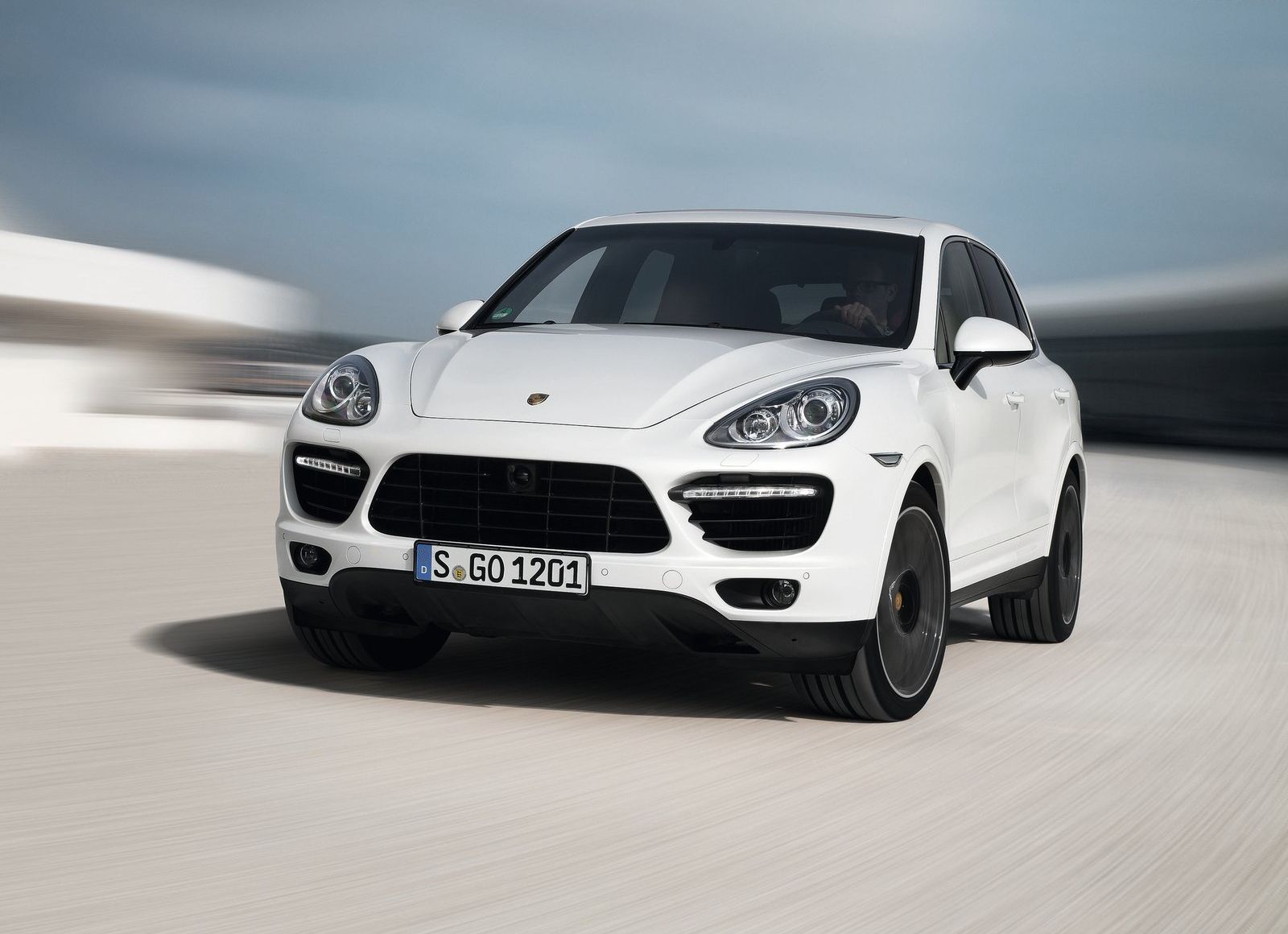
The 2012 Porsche Cayenne S is a high-performance luxury SUV powered by a 400-horsepower 4.8-liter V8 engine. In 2026, it serves as a compelling used market option for driving enthusiasts, balancing Porsche’s legendary handling with a naturally aspirated powertrain, though buyers must carefully manage the maintenance requirements of an aging German performance vehicle.
The Legacy of the 958 Generation
The 2012 model year belongs to the "958.1" generation of the Porsche Cayenne, a pivotal era that redefined what a luxury SUV could achieve on the pavement. When it debuted, the second-generation Cayenne moved away from the more rugged, off-road-heavy focus of the original 955/957 models and pivoted toward a driver-centric, road-focused experience. For the 2012 Porsche Cayenne S, this meant a significant reduction in weight—approximately 400 pounds less than its predecessor—which transformed the vehicle's agility and fuel efficiency.
By 2026, the 2012 Cayenne S has transitioned from a status symbol in front of high-end boutiques to a "modern classic" in the eyes of Porsche aficionados. It represents the last of an era before the Cayenne S moved to smaller-displacement, twin-turbocharged V6 engines in 2015. For those who value the linear power delivery and the visceral acoustic profile of a naturally aspirated V8, the 2012 S model remains a high-water mark for the nameplate.
The Heart of the S: The 4.8L Naturally Aspirated V8
The centerpiece of the 2012 Cayenne S is undoubtedly its 4.8-liter V8 engine. Producing 400 horsepower and 369 lb-ft of torque, this engine was designed for sustained high-speed cruising and responsive overtaking. Unlike modern turbocharged engines that rely on a sudden surge of boost, the 4.8L V8 provides a steady, muscular climb in power that rewards the driver for exploring the upper reaches of the tachometer.
In 2026, the performance figures still hold up remarkably well. A well-maintained 2012 Cayenne S can sprint from 0 to 60 mph in roughly 5.6 seconds. While modern electric SUVs may beat it in a straight line, they lack the mechanical engagement and the roar of the Porsche V8. The engine is paired with an 8-speed Tiptronic S automatic transmission. While some purists initially lamented the absence of a dual-clutch PDK gearbox in this generation of the Cayenne, the Tiptronic S is exceptionally smooth for daily driving and more than capable of handling the V8's torque during spirited runs.
Performance Specifications at a Glance
| Feature | Specification |
|---|---|
| Engine | 4.8-liter V8, Naturally Aspirated |
| Horsepower | 400 hp @ 6,500 rpm |
| Torque | 369 lb-ft @ 3,500 rpm |
| 0-60 mph | 5.6 Seconds |
| Top Track Speed | 160 mph |
| Transmission | 8-speed Tiptronic S |
| Curb Weight | ~4,553 lbs |
| Towing Capacity | 7,716 lbs (when properly equipped) |
Chassis and Driving Dynamics: The Porsche DNA
Porsche’s primary goal with the 2012 Cayenne S was to make a nearly 4,600-pound SUV handle like a sports sedan. They largely succeeded through a combination of clever engineering and advanced suspension technology. Many units on the used market in 2026 are equipped with Porsche Active Suspension Management (PASM), an electronic damping control system that adjusts based on road conditions and driving style.
Driving a 2012 Cayenne S through a series of switchbacks reveals its true character. The steering is heavy but precise, offering more feedback than almost any other SUV from the same period. The weight reduction from the previous generation is felt most in the nose; the 2012 model turns in with an eagerness that defies its size. For buyers in 2026, it is important to check if a prospective vehicle has the optional Air Suspension. While it provides a sublime ride quality and adjustable ride height for light off-roading, the air bags and compressors are known wear items that can be expensive to replace after 14 years of service.
Interior Craftsmanship and 2026 Tech Compatibility
The interior of the 2012 Cayenne S was inspired by the Panamera sedan, featuring a rising center console "waterfall" populated with physical buttons for almost every major function. In an era where modern cars are dominated by fingerprint-prone touchscreens and buried menus, many drivers in 2026 find the 2012's tactile layout refreshing and intuitive.
Materials throughout the cabin remain top-tier. Even after a decade and a half, the leather quality and dashboard plastics generally hold up well, provided they haven't been subjected to excessive sun damage. However, the Porsche Communication Management (PCM) infotainment system is the area where the vehicle shows its age most clearly. The 2012 system lacks modern smartphone integration like Apple CarPlay or Android Auto.
Fortunately for 2026 owners, the aftermarket has matured significantly for this platform. Many owners choose to install a "CarPlay Retrofit" board into the existing PCM unit, preserving the factory look while adding modern navigation and music streaming capabilities. This single upgrade is often the difference between the 2012 Cayenne S feeling like an "old car" versus a "classic car."
Maintenance and Reliability: What to Watch For
Purchasing a Porsche in 2026 requires a clear-eyed understanding of maintenance costs. While the 4.8L V8 is a robust engine, there are several "must-check" items for any 2012 model.
The Variocam Bolt Issue
Early 958-generation Cayennes were equipped with aluminum Variocam bolts that were prone to shearing, which could lead to catastrophic engine failure. Porsche issued a recall for this, but as a buyer in 2026, you must verify via the VIN that this service was performed. If the bolts have been replaced with the updated steel versions, the engine is generally considered bulletproof.
Transfer Case Failures
The most common mechanical complaint for this generation is the transfer case. Symptoms include a "stuttering" or jerking sensation during low-speed acceleration. Porsche extended the warranty on these units to 10 years, but most 2012 models will be outside that window by 2026. A replacement can cost between $3,000 and $5,000, making it a critical inspection point.
Cooling System Vulnerabilities
The cooling system utilizes several plastic pipes and fittings that can become brittle over time. Common leak points include the rear coolant bridge and the thermostat housing. In 2026, if a vehicle hasn't had its cooling system refreshed in the last five years, it should be considered a priority maintenance item to prevent overheating.
Comparing the Cayenne S to Its 2012 Rivals
In 2012, the Cayenne S competed against the BMW X5 xDrive50i and the Range Rover Sport.
- BMW X5 (E70): The BMW offered a twin-turbo V8 that felt faster in a straight line but suffered from more significant reliability issues (specifically oil consumption and turbo heat) compared to the Porsche's naturally aspirated unit.
- Range Rover Sport: The Range Rover was superior off-road and offered a more "stately" feel, but it could not match the Porsche’s on-road agility or build quality.
For a used buyer in 2026, the Porsche often represents the most "sensible" of these three high-performance options because of its superior chassis rigidity and the longevity of its interior materials.
Practicality and Daily Use in 2026
Despite its performance credentials, the 2012 Cayenne S remains a practical family vehicle. It offers ample rear legroom and a cargo area that can easily handle groceries, golf clubs, or luggage for a weekend getaway. The rear seats also slide and recline, a feature often missing in modern SUVs focused on aggressive rooflines.
Fuel economy is the primary drawback for daily use. With an EPA rating of roughly 16 mpg city and 22 mpg highway, the Cayenne S is thirsty by 2026 standards. Given the requirement for 91 octane premium fuel, operating costs will be significantly higher than a modern hybrid or turbocharged four-cylinder SUV. However, for many, the "V8 tax" is a price worth paying for the soul and character the vehicle provides.
Expert Buying Guidance for 2026
If you are considering a 2012 Porsche Cayenne S in 2026, follow these three non-negotiable steps:
- Obtain a Pre-Purchase Inspection (PPI): Take the car to a Porsche specialist or a dealership. They will check for bore scoring (rare on the 4.8L but possible in cold climates), transfer case health, and suspension bushing wear.
- Verify Service History: A Porsche with no records is a liability. Look for consistent oil changes (every 5,000 to 7,500 miles is ideal, despite Porsche's longer official intervals) and transmission fluid services.
- Check for "Project" Signs: Avoid cars with cheap tires, mismatched paint, or "Christmas tree" dashboards (multiple warning lights). These indicate an owner who could not afford the upkeep, leaving the deferred maintenance for the next buyer.
Frequently Asked Questions
Is the 2012 Porsche Cayenne S reliable? The 2012 Cayenne S is considered one of the more reliable luxury SUVs of its era, provided the Variocam bolt recall was addressed. Its naturally aspirated engine is less complex than the turbocharged units found in the Cayenne Turbo. However, "Porsche-priced" maintenance is a constant, and small repairs can easily reach four figures.
Does the 2012 Cayenne S require premium fuel? Yes, Porsche specifies a minimum of 91 octane fuel for the 4.8L V8. Using lower-grade fuel can lead to engine knocking and reduced performance, as the engine's management system will retard timing to protect the internals.
Can I tow with a 2012 Porsche Cayenne S? Absolutely. When equipped with the factory tow package, the 2012 Cayenne S has a towing capacity of 7,716 lbs. This makes it an excellent choice for towing small boats, horse trailers, or car haulers, especially given its stable chassis and powerful V8.
Is air suspension standard on the 2012 S model? No, air suspension was an expensive option. The base suspension uses traditional steel springs. While the air suspension offers better ride quality and adjustable height, the steel springs are much more cost-effective to maintain in 2026 as they do not suffer from leaks or compressor failure.
How does the 2012 Cayenne S handle in the snow? With a proper set of winter tires, the Cayenne S is an exceptional winter vehicle. Its permanent all-wheel-drive system is biased toward the rear for a sporty feel but can quickly redistribute power to the front wheels when slip is detected.
Final Recommendation
The 2012 Porsche Cayenne S remains a standout choice for the used car buyer in 2026 who prioritizes driving dynamics over the latest digital gimmicks. It offers a "sweet spot" in the Cayenne's history: the lighter 958 chassis paired with the last of the big, naturally aspirated V8 engines. While it requires a dedicated maintenance budget and a tolerance for high fuel consumption, the reward is an SUV that still drives with more precision and soul than most brand-new vehicles on the market today. Seek out a well-documented example with a clean PPI, and you will own one of the finest-handling SUVs ever produced.