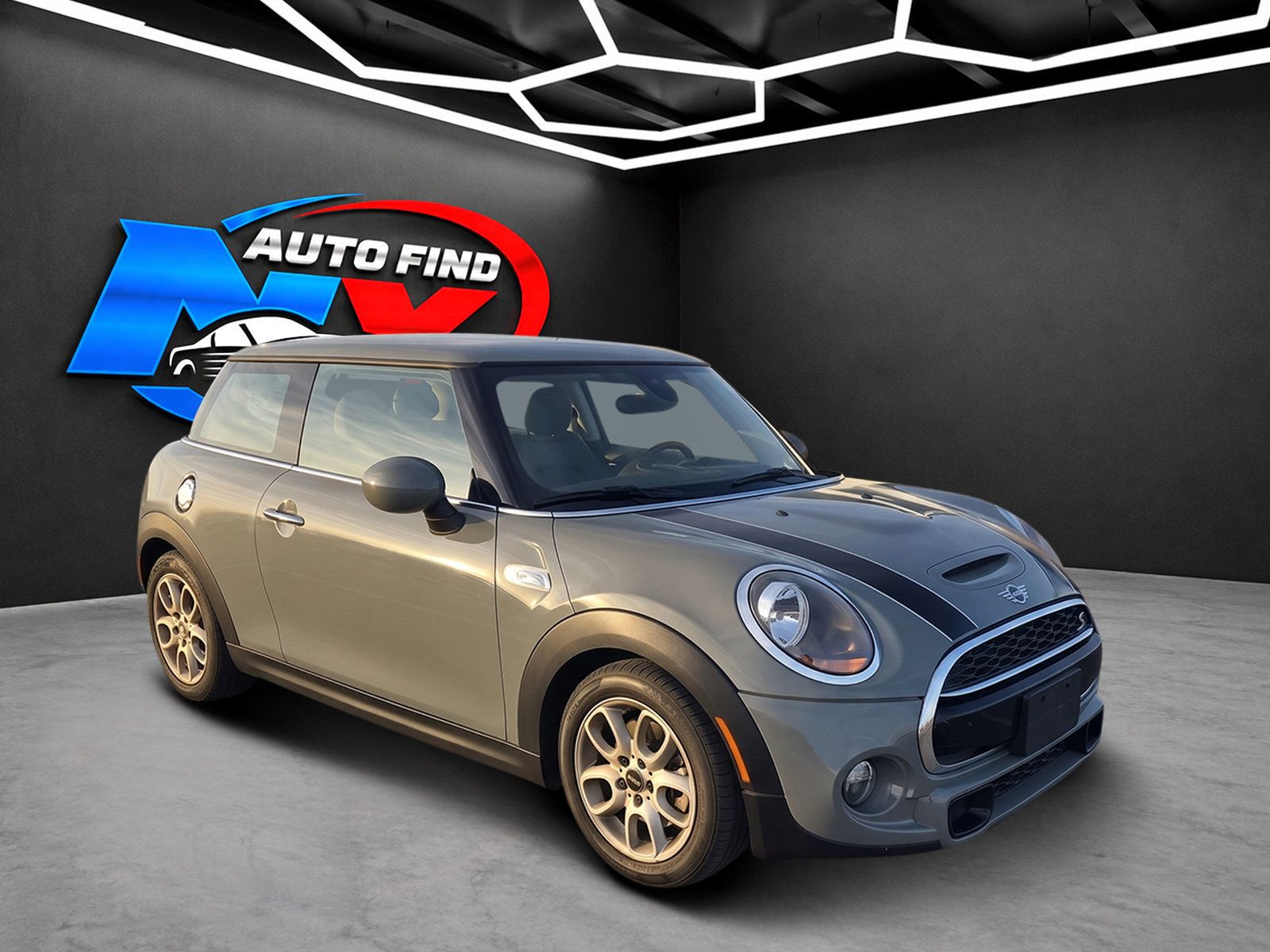
The 2-door Mini Cooper spans a diverse pricing spectrum, ranging from around $26,000 for the base hardtop up to $45,000 or more for higher-performance John Cooper Works models and fully electric variants. Real-world costs scale dynamically based on trim levels, powertrain options, customized packages, and destination delivery fees.
Navigating the pricing structure of a 2-door Mini Cooper requires an understanding of how distinct models, trim levels, options packages, and market conditions intersect. For decades, the Mini brand has occupied a unique space in the automotive landscape, blending British heritage with German engineering under the BMW Group. While its iconic compact footprint remains largely constant, the financial investment required to drive one home varies significantly depending on whether you choose a classic internal combustion engine, a high-performance variant, or a modern fully electric model.
Evaluating the cost of a 2-door Mini Cooper involves examining manufacturer suggested retail prices (MSRP), understanding what standard equipment is included, and recognizing how optional features affect the bottom line. This overview breaks down the financial landscape of the 2-door Mini Cooper lineup, helping prospective buyers and automotive enthusiasts evaluate their options clearly.
Understanding the Mini Cooper 2-Door Lineup and Baseline Pricing
The 2-door Mini Cooper family is structured around several distinct variants, each targeting a specific driving preference and budget. At the entry level, the traditional 2-Door Hardtop serves as the gateway to the brand. From there, the lineup branches out into more powerful S variants, track-inspired John Cooper Works (JCW) editions, and the battery-electric Cooper SE models.
Baseline pricing starts with the entry-level Cooper Hardtop 2-Door, which generally opens around the mid-$26,000 range before destination charges and taxes. This base model features a spirited three-cylinder turbocharged engine designed for efficient urban commuting while retaining the brand's trademark go-kart handling dynamics. Stepping up to the Cooper S 2-Door introduces a more potent four-cylinder turbocharged engine, pushing the starting MSRP into the low-$30,000 range.
For buyers seeking maximum performance, the John Cooper Works 2-Door sits at the pinnacle of the internal combustion lineup. With aggressive aerodynamic styling, a stiffer suspension setup, and a heavily tuned engine, the JCW commands a starting price in the high-$30,000s to low-$40,000s. Meanwhile, the electric Cooper SE bridges the gap between traditional motoring and zero-emission driving, typically positioned close to the Cooper S in terms of base pricing, though federal and local EV incentives can significantly alter the effective purchase price.
Trim Levels and Personalization Tiers: Classic, Signature, and Iconic
Beyond the engine and chassis configuration, Mini structures its vehicle pricing through a tiered packaging system rather than a dizzying array of standalone options. Understanding these tiers is essential for accurately calculating the total cost of a 2-door Mini Cooper.
- Classic Trim: This serves as the entry point for any chosen model. It includes essential standard features, a designated selection of non-metallic exterior paints, standard upholstery choices, and foundational infotainment technology. It appeals to buyers who want the core Mini experience without inflating the sticker price.
- Signature Trim: A popular mid-tier choice that unlocks a broader palette of metallic exterior paint colors, distinct alloy wheel designs, upgraded interior upholstery options, and advanced technology packages such as a panoramic sunroof or upgraded climate control. This tier generally adds several thousand dollars to the base MSRP.
- Iconic Trim: The most comprehensive factory package available. It incorporates premium leather seating, advanced driver assistance systems, a premium sound system, a head-up display, and nearly all available standalone comfort and convenience features. Opting for the Iconic trim pushes the total vehicle price toward the upper limits of its respective segment.
This tiered approach simplifies the ordering process, but it also means that upgrading from a Classic to an Iconic trim can increase the vehicle's price by 15% to 20% before taxes and dealer fees.
Powertrain Variations and Their Cost Implications
The engine and drivetrain configuration represent the most substantial factor in determining a 2-door Mini Cooper's sticker price. Each powertrain serves a distinct demographic, balancing fuel economy, raw performance, and environmental considerations.
| Model Variant | Estimated Base MSRP Range | Primary Powertrain Specs | Target Buyer Profile |
|---|---|---|---|
| Mini Cooper 2-Door (Base) | $26,000 – $28,000 | 1.5L Turbo 3-Cylinder (~134 hp) | Daily commuters prioritizing fuel efficiency and classic style. |
| Mini Cooper S 2-Door | $30,000 – $33,000 | 2.0L Turbo 4-Cylinder (~189 hp) | Enthusiasts seeking a balance of everyday drivability and brisk acceleration. |
| Mini John Cooper Works (JCW) | $38,000 – $44,000 | 2.0L High-Output Turbo 4 (~228 hp) | Track-day participants and performance purists. |
| Mini Cooper SE (Electric) | $31,000 – $35,000 | Electric Motor (~181 hp, ~114-mile range) | Urban dwellers seeking zero-tailpipe emissions and instantaneous torque. |
Reviewing these figures highlights that moving from a base 3-cylinder engine to a 4-cylinder S variant commands a roughly $4,000 premium. Upgrading further to the track-tuned JCW specification requires an additional investment of $8,000 to $10,000 over the base model. Buyers must weigh these performance premiums against their daily driving habits.
Additional Costs: Destination Fees, Taxes, and Dealer Add-ons
The initial MSRP displayed on a window sticker or online configurator is rarely the final price a buyer pays. Securing a 2-door Mini Cooper involves several mandatory and elective financial considerations that must be factored into the overall budget.
Destination and handling charges are mandatory fees applied to every new vehicle, typically adding roughly $995 to the total invoice regardless of geographic location within the contiguous United States. Following this, state and local sales taxes, vehicle registration fees, and documentation fees vary wildly by jurisdiction. In high-tax states, these regulatory costs can easily inflate the final out-the-door price by an extra 6% to 10%.
Furthermore, Mini vehicles are renowned for their extensive personalization potential. Contrast roof colors, mirror caps, custom interior trim strips, and specialized stripe packages can add hundreds or thousands of dollars to the build. While these aesthetic choices enhance the vehicle's unique personality, they do not necessarily translate to a higher resale value, a factor worth considering for budget-conscious buyers.
Financing, Leasing, and Ownership Cost Considerations
Purchasing a 2-door Mini Cooper involves looking beyond the upfront purchase price to evaluate long-term financial commitments. Financing rates, lease terms, and maintenance obligations all play a crucial role in the total cost of ownership.
Mini Financial Services frequently offers promotional financing rates or lease incentives for well-qualified buyers. Leasing a 2-door Mini Cooper often results in lower monthly payments compared to a traditional auto loan, making higher trim levels like the Signature or Iconic more accessible. However, lessees must mind annual mileage caps and vehicle condition guidelines upon return.
On the maintenance front, modern Mini Coopers have largely shed the reliability stigma associated with older generations, benefiting directly from shared engineering and parts sharing with BMW. Furthermore, new Mini models often include complimentary scheduled maintenance programs for a specified initial period (typically 3 years or 36,000 miles), covering basic oil changes and vehicle checks. Beyond this window, premium German-engineered parts and specialized labor can result in higher-than-average maintenance costs compared to non-luxury compact competitors. Insurance premiums should also be factored in; despite their small size, sporty handling and turbocharged engines can sometimes push insurance rates slightly higher than standard economy hatchbacks.
Frequently Asked Questions
What is the starting price of a base 2-door Mini Cooper?
The base 2-door Mini Cooper Hardtop generally starts in the mid-$26,000 range before destination charges, taxes, and optional equipment packages are applied.
Are electric 2-door Mini Coopers more expensive than gas models?
The electric Mini Cooper SE typically starts around $31,000, positioning it slightly above the gas-powered base model but comparable to the mid-tier Cooper S. Additionally, local or federal EV incentives can sometimes reduce the net purchase price.
Do 2-door Mini Cooper prices include destination fees?
No, manufacturer websites typically display MSRP figures exclusive of the destination and handling fee, which is a mandatory addition of approximately $995 across all new models.
Which trim level offers the best value for money?
The Signature trim is widely regarded as the sweet spot in the lineup. It balances essential modern technology, wider paint and wheel selection, and upgraded comforts without pushing into the higher price bracket of the fully loaded Iconic trim.
Do Mini Coopers hold their resale value well?
Mini Coopers generally retain reasonable resale value, particularly for well-maintained Cooper S and John Cooper Works models, owing to their dedicated enthusiast following and iconic status.
Practical Next Actions for Prospective Buyers
When preparing to purchase a 2-door Mini Cooper, begin by utilizing the online configurator on the official Mini USA website to build a model that matches your precise stylistic and performance preferences. Once you have established a target build and estimated MSRP, visit a local authorized dealership to test drive both the base engine and the Cooper S variant to determine if the performance upgrade justifies the higher price tag. Always request a comprehensive out-the-door price quote that explicitly itemizes taxes, registration fees, and dealer documentation charges before signing any purchase or lease agreements.