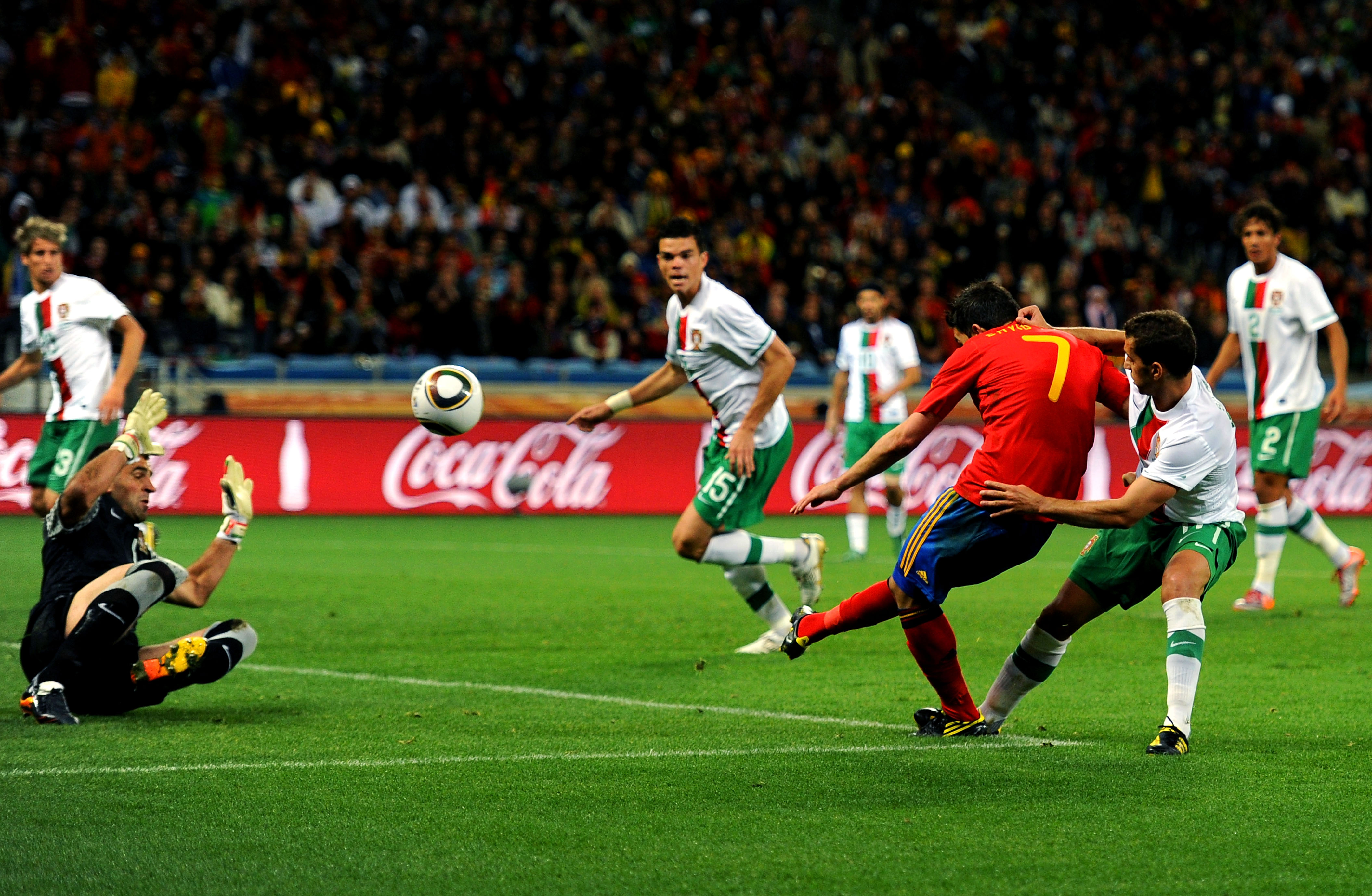
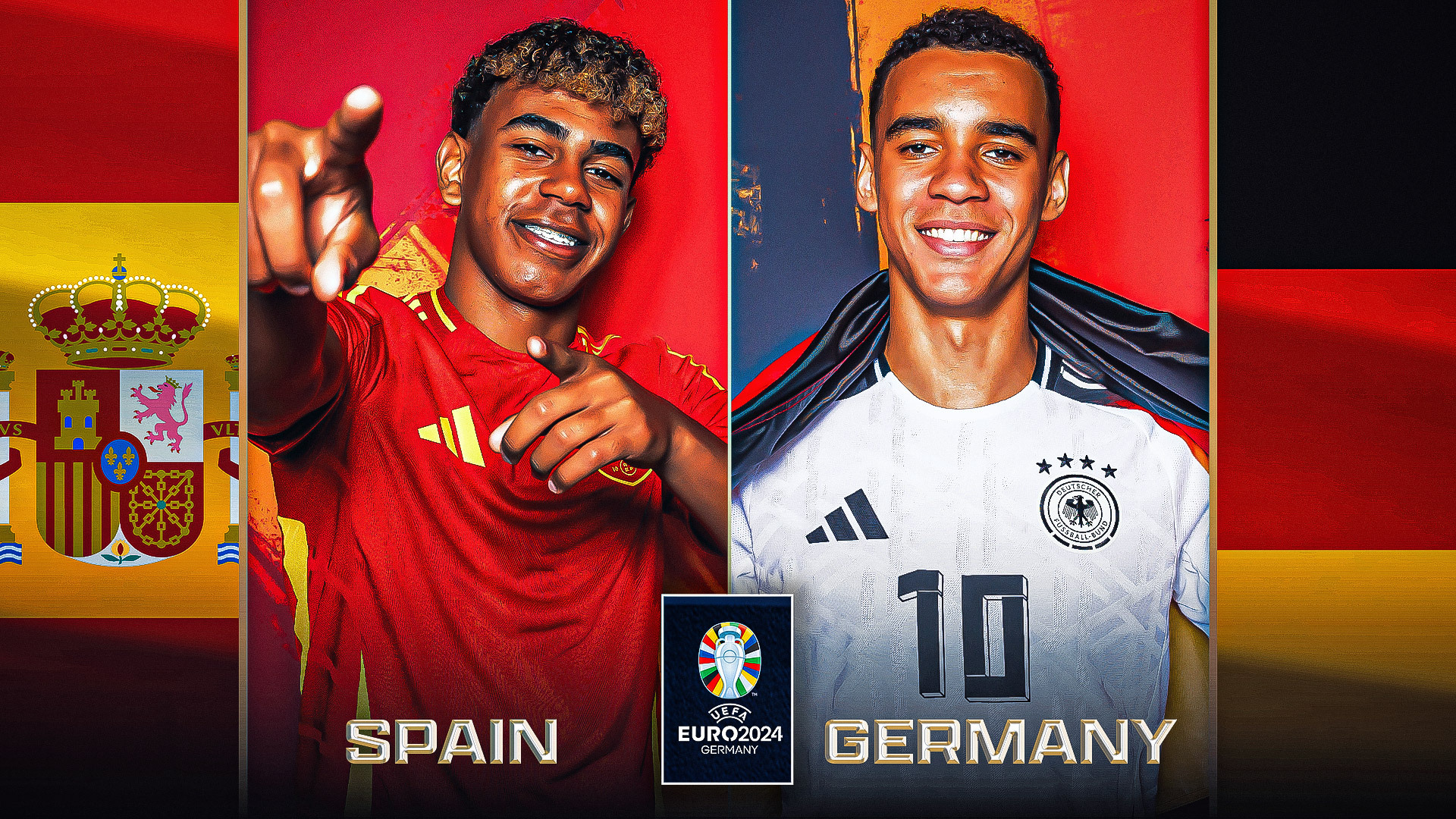
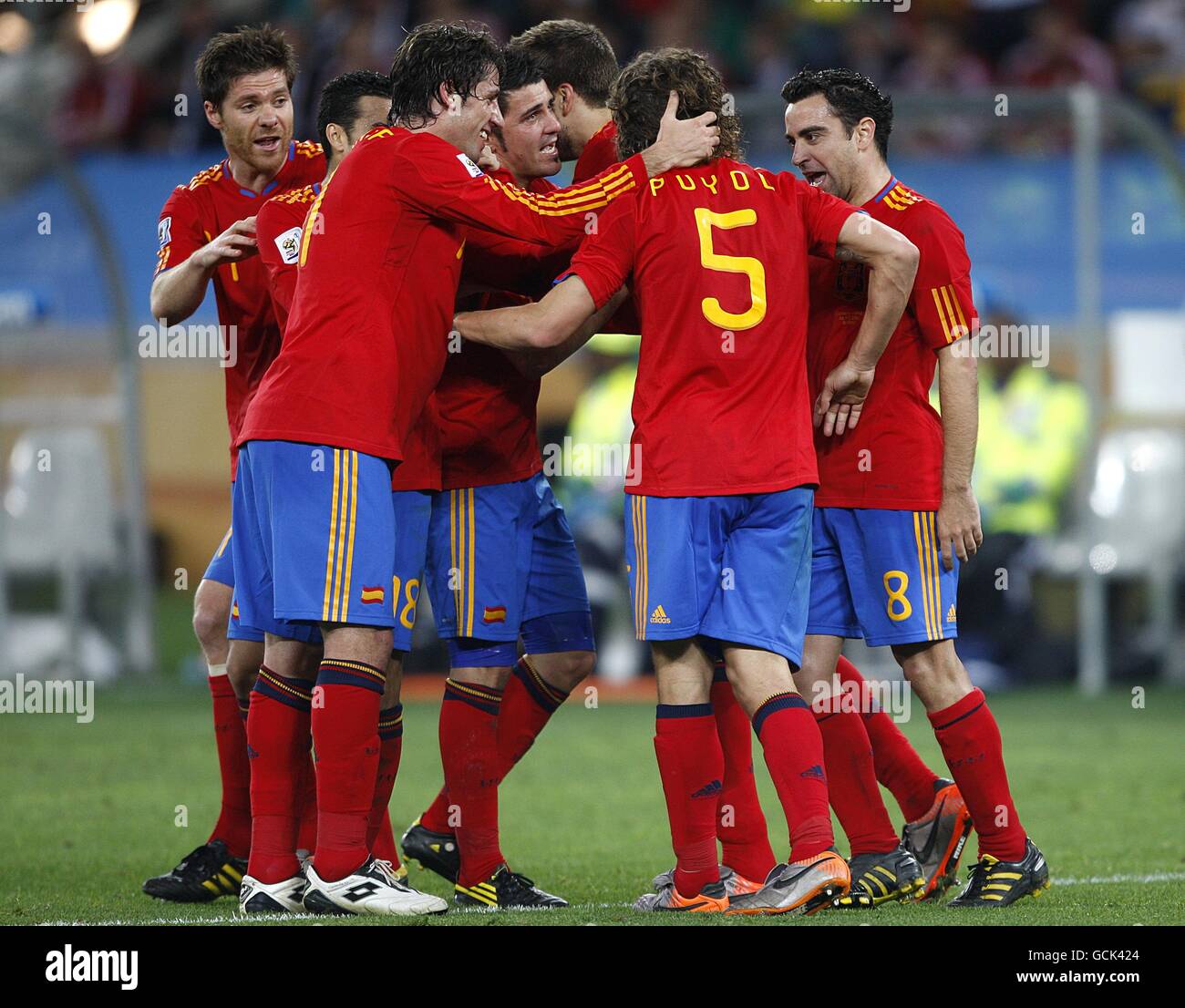
The 2010 FIFA World Cup semi-final between Spain and Germany ended in a 1-0 victory for Spain, secured by a powerful Carles Puyol header in the 73rd minute. Spain dominated possession and neutralized Germany’s counter-attacking threat, a result that propelled "La Roja" to their first World Cup final and subsequent global title.
Historical Significance of the Durban Showdown
As we look back from the perspective of 2026, the clash between Spain and Germany on July 7, 2010, remains a foundational moment in modern football history. Held at the Moses Mabhida Stadium in Durban, South Africa, this match was widely regarded as the "true" final of the tournament. It pitted the reigning European champions, Spain, against a rejuvenated, high-scoring German side that had just dismantled England and Argentina.
The stakes were higher than just a place in the final. This was a clash of philosophies. Spain represented the pinnacle of tiki-taka, a style defined by relentless short passing and positional dominance. Germany, under Joachim Löw, represented a new era of German football—dynamic, youthful, and lethal on the transition. The "verdict" of this match would decide which philosophy would dictate the tactical trends of the next decade.
Spain entered the match under immense pressure. Despite their status as favorites, they had been efficient rather than explosive throughout the tournament, often winning by 1-0 margins. Germany, conversely, was the tournament's "entertainer," having scored four goals against both England and Argentina. The world expected a goal-fest, but the reality was a tactical chess match of the highest order.
The Tactical Lineups: Structural Adjustments
One of the most critical factors in the match verdict was the absence of Thomas Müller. The young German attacker had been the breakout star of the tournament but was suspended for the semi-final due to a yellow card accumulation. This forced Joachim Löw to start Piotr Trochowski, a change that significantly altered Germany's verticality and goal-scoring threat from the wing.
Spain’s Selection Gamble
Vicente del Bosque made a monumental decision for Spain. He dropped the struggling Fernando Torres to the bench, opting instead for the young Pedro Rodríguez. This move shifted Spain from a traditional 4-4-2 or a rigid 4-2-3-1 into a more fluid 4-3-3/4-5-1 hybrid. Pedro provided more defensive cover and better ball retention than Torres, allowing Spain to squeeze the midfield and prevent Germany from finding space to breathe.
Germany’s Reactive Stance
Germany lined up in their standard 4-2-3-1 but played much deeper than they had in previous rounds. Whether by choice or forced by Spain’s pressing, the German "Double Pivot" of Bastian Schweinsteiger and Sami Khedira spent most of the night shielding their back four rather than instigating attacks. Mesut Özil, the creative engine, found himself isolated, often dropping into his own half just to get a touch of the ball.
Detailed Match Analysis: The Battle for Midfield Control
The first half was a masterclass in Spanish ball retention. Spain’s midfield trio—Xavi Hernández, Andrés Iniesta, and Sergio Busquets—operated with a telepathic understanding. By maintaining a high defensive line and recycling possession at an average rate of nearly 60%, Spain effectively turned the match into a half-court game.
The Suppression of the German Counter
Germany’s primary weapon in 2010 was the rapid transition. However, Spain’s "rest defense"—the positioning of players while they are in possession—was flawless. Whenever Germany recovered the ball, they were immediately met by a wall of red shirts. Carles Puyol and Gerard Piqué played high up the pitch, snuffing out long balls directed toward Miroslav Klose before they could develop into threats.
Germany's best chance of the first half came from a Trochowski long-range effort that forced a diving save from Iker Casillas. Beyond that, Germany struggled to find the final ball. Spain, meanwhile, created several openings through Pedro and David Villa, but Manuel Neuer, establishing himself as a world-class keeper, kept the scores level.
The Second Half Shift
After the interval, Spain ramped up the intensity. The positioning of Xabi Alonso and Sergio Busquets allowed Xavi and Iniesta to push further into the final third. Germany began to tire under the weight of "defending without the ball." In football, chasing the ball for 60 minutes is physically and mentally exhausting, and by the hour mark, the gaps in the German defense began to widen.
| Statistic | Spain | Germany |
|---|---|---|
| Final Score | 1 | 0 |
| Possession (%) | 51% | 49% |
| Total Shots | 13 | 5 |
| Shots on Target | 5 | 2 |
| Corner Kicks | 7 | 6 |
| Pass Accuracy (%) | 81% | 73% |
| Fouls Committed | 7 | 9 |
Note: While possession was statistically closer than perceived, the territory was overwhelmingly in Spain's favor, with the majority of the game played in the German half.
The Decisive Moment: Puyol’s "Tarzan" Leap
The deadlock was finally broken in the 73rd minute, not through a complex passing sequence, but through a set-piece. This was ironic given Spain’s reputation for technical floor-play. Xavi swung in a high-velocity corner toward the edge of the six-yard box.
Carles Puyol, sprinting from deep, rose above everyone—including his own teammate Gerard Piqué—to power a header past Manuel Neuer. The sheer force of the header was a testament to Spain’s determination. Puyol’s goal was a symbolic "verdict" on the match: Spain possessed the technical brilliance to dominate the game and the physical grit to win it when the technical route was blocked.
In the final fifteen minutes, Germany attempted to push forward, but they lacked the clinical edge that Müller usually provided. Toni Kroos, who came on as a substitute, had a golden opportunity to equalize but saw his volley saved by Casillas. Spain had chances to double their lead on the counter-attack, most notably a two-on-one situation involving Pedro and Fernando Torres, but Pedro’s hesitancy kept the score at 1-0.
The Technical Verdict: Why Spain Won
The verdict of the Spain vs. Germany 2010 match rests on three pillars: midfield density, defensive bravery, and the "Müller factor."
- Midfield Density: By starting Pedro and playing Xabi Alonso alongside Busquets, Spain ensured they always had a numerical advantage in the center. Germany’s Schweinsteiger and Khedira were overwhelmed, unable to track the rotational movements of Xavi and Iniesta.
- Defensive Bravery: Vicente del Bosque’s decision to play a high line against a team as fast as Germany was a massive risk. However, Puyol and Piqué executed the offside trap and proactive tackling perfectly, preventing Miroslav Klose from ever becoming a factor in the box.
- The Müller Factor: Germany lacked a player who could make runs from out-to-in. Trochowski was a more static player, which allowed Spain’s full-backs, Joan Capdevila and Sergio Ramos, to stay narrower and support their center-backs.
Spain’s victory was not just a win; it was a statement of intent. They proved that a team could win the biggest prize in sports by sticking to a specific, high-risk identity, regardless of the opponent's attacking prowess.
Legacy: A Turning Point for Both Nations
This match served as a catalyst for the future of both national programs. For Spain, the "verdict" in Durban gave them the confidence to go and defeat the Netherlands in the final, completing a historic treble (Euro 2008, World Cup 2010, Euro 2012). It cemented their place as perhaps the greatest international side in the history of the sport.
For Germany, the loss was a painful but necessary step in their evolution. Joachim Löw realized that against a team of Spain's caliber, sitting back and waiting for counters was not enough. This realization led to the further refinement of the German squad, shifting them toward a more possession-oriented style that eventually saw them win the World Cup in 2014. Many of the players who suffered in Durban—Neuer, Lahm, Schweinsteiger, Khedira, and Özil—would form the core of the championship-winning team four years later.
Frequently Asked Questions
Who was the Man of the Match in Spain vs. Germany 2010?
Xavi Hernández was officially named the Man of the Match. His control of the tempo, delivery for Puyol’s goal, and 85% pass completion rate under intense pressure were cited as the deciding factors. His ability to dictate the rhythm of the game prevented Germany from ever finding a consistent attacking flow.
Why was Thomas Müller missing from the semi-final?
Thomas Müller was suspended for the semi-final against Spain after receiving his second yellow card of the tournament in the quarter-final match against Argentina. The booking was controversial, as it was for an accidental handball, but under FIFA rules at the time, it triggered an automatic one-match ban. His absence is often cited by analysts as the primary reason Germany lacked their usual attacking bite.
How many shots did Germany have against Spain in 2010?
Germany was limited to just 5 shots throughout the entire 90 minutes, with only 2 of those being on target. This was a significant drop from their previous matches, where they had averaged over 12 shots per game. Spain’s defensive structure and high possession effectively starved the German attackers of opportunities.
What was the starting lineup for Spain in the 2010 semi-final?
The starting XI for Spain was: Iker Casillas (GK/C); Sergio Ramos, Gerard Piqué, Carles Puyol, Joan Capdevila; Sergio Busquets, Xabi Alonso; Andrés Iniesta, Xavi Hernández, Pedro Rodríguez; David Villa. This was the first time in the tournament that Pedro started ahead of Fernando Torres, a move that proved tactically decisive.
Where was the Spain vs. Germany 2010 match played?
The match took place at the Moses Mabhida Stadium in Durban, South Africa. It was one of the most iconic venues of the tournament, known for its distinctive arch. The attendance for the match was 60,960 spectators.
Next Action for Football Students
If you are analyzing this match for coaching or historical purposes, the next step is to watch the full 90-minute replay focusing specifically on Sergio Busquets' positioning. While Puyol scored the goal and Xavi directed the play, Busquets' role in preventing German transitions was the "silent" reason Spain kept a clean sheet. Studying how he occupied the space between the midfield and the defense provides an elite-level lesson in defensive awareness.