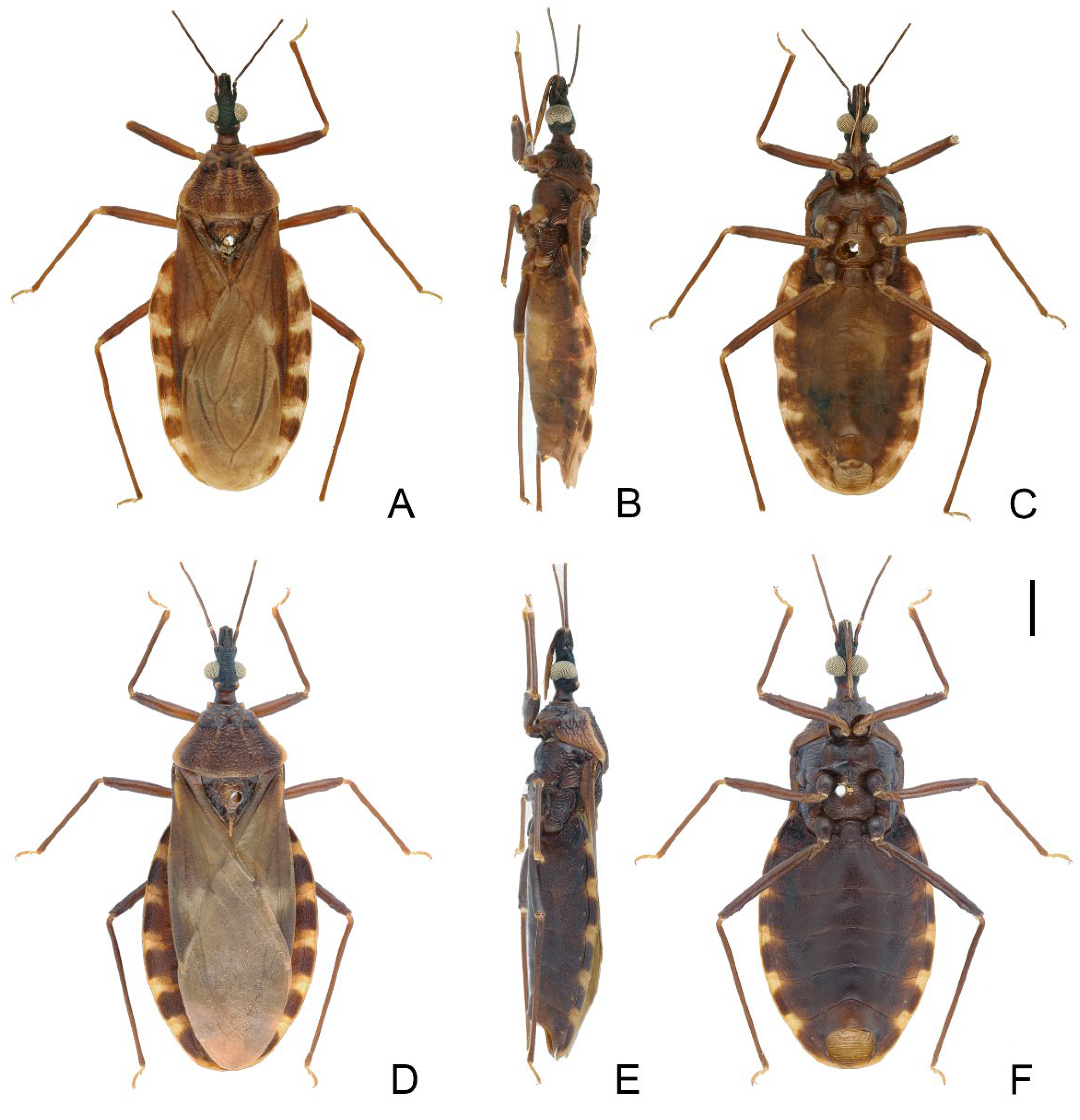
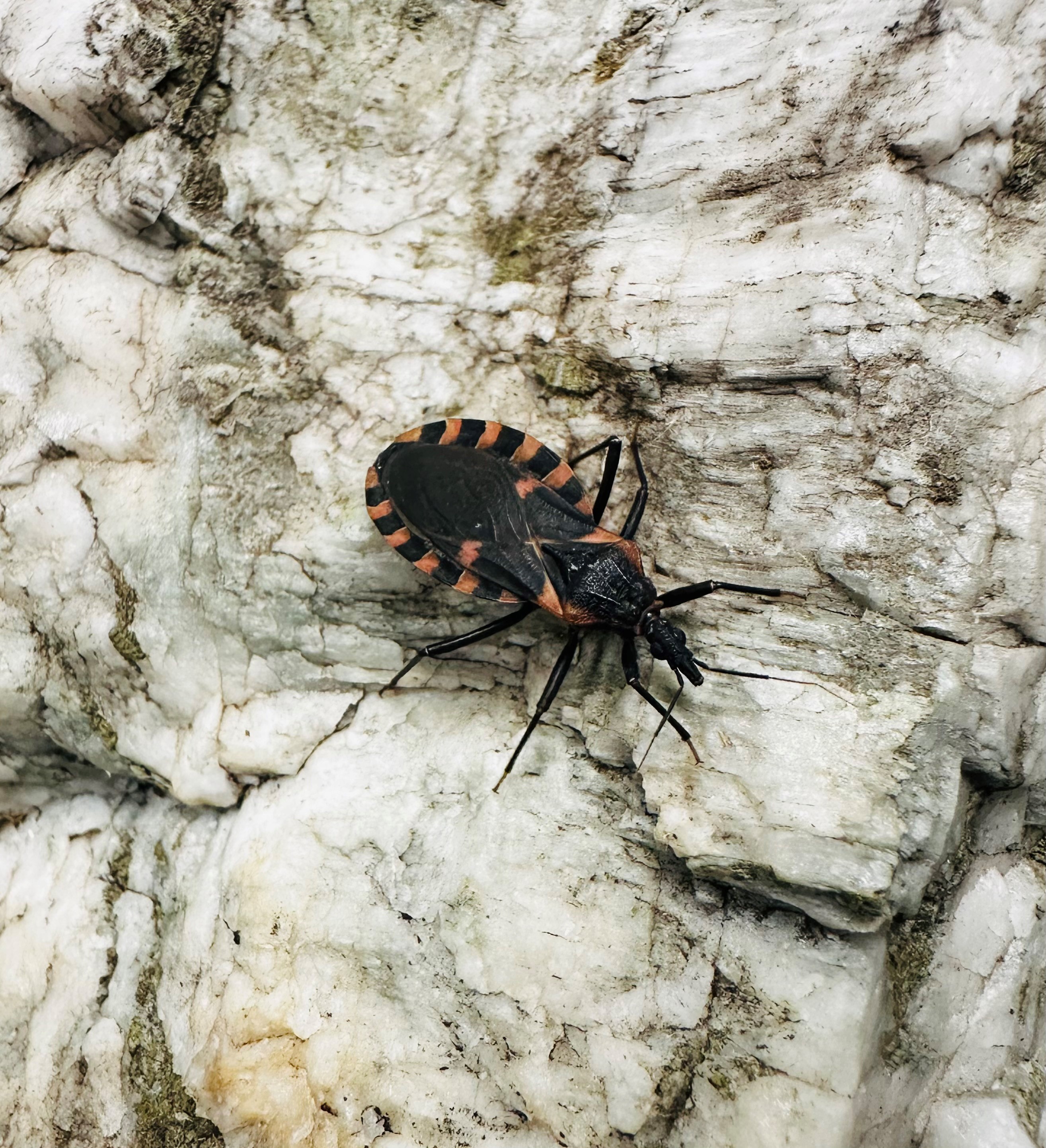
Yes, kissing bugs are found in New York, but they are relatively rare, and the specific species that typically transmit the parasite responsible for Chagas disease are even less common in the state compared to the southern regions of the United States. Residents often express deep concern when encountering large, brownish-black insects inside their homes, frequently confusing harmless lookalikes—such as the Western conenose bug, wheel bugs, or boxelder bugs—with the true vectors of Trypanosoma cruzi. While specimens of triatomine bugs have occasionally been documented in New York State through entomological surveys and public health reports, the risk of contracting Chagas disease locally from an insect bite remains extremely low.
Understanding the true geographic distribution, identifying physical characteristics accurately, and knowing how to handle potential encounters safely can alleviate unnecessary panic while maintaining proper public health vigilance. This comprehensive guide explores the presence of kissing bugs in New York, the medical implications, lookalike insects, and practical mitigation strategies for homeowners.
Understanding Kissing Bugs: Biology and Public Health Significance
Kissing bugs belong to the subfamily Triatominae within the family Reduviidae, commonly known as assassin bugs. Unlike other assassin bugs that feed exclusively on other insects, triatomine bugs are hematophagous, meaning they require vertebrate blood at all stages of their life cycle to develop and reproduce. There are over 140 species of kissing bugs worldwide, with the vast majority residing in Central and South America, where they represent a major public health challenge as vectors of Trypanosoma cruzi, the protozoan parasite that causes Chagas disease.
In the United States, roughly a dozen species of kissing bugs have been documented, primarily across the southern and southwestern states, including Texas, Arizona, New Mexico, and California. Their presence in northern states like New York is considered sporadic and accidental. Most kissing bugs found in northern latitudes are either wind-blown migrants during warm summer months, hitchhikers transported in luggage or commercial cargo from endemic regions, or members of northern populations that maintain a low-profile existence in sheltered outdoor environments.
The primary concern associated with kissing bugs is not the bite itself—which is typically painless—but the potential transmission of Trypanosoma cruzi. Unlike mosquitoes that inject parasites directly through their saliva, kissing bugs defecate while feeding. The parasite is contained within the insect’s feces. If a person inadvertently rubs the infectious feces into the bite wound, mucous membranes, or eyes, infection can occur. However, the vector efficiency of North American kissing bug species is generally lower than that of their tropical counterparts, and the local transmission rate in the United States, particularly in New York, is virtually nonexistent.
Geographic Presence and Surveillance of Kissing Bugs in New York State
When investigating whether kissing bugs live in New York, entomologists and public health officials differentiate between permanent resident populations and transient individuals. New York State falls outside the primary endemic range for major Chagas vectors like Triatoma infestans or Triatoma sanguisuga. Nevertheless, state entomologists and academic institutions, including Cornell University's Department of Entomology and the New York State Department of Health (NYSDOH), occasionally receive submissions of suspected kissing bugs from concerned residents.
Documented occurrences of triatomine bugs in New York usually fall into a few distinct categories:
- Imported Specimens: Individuals returning from travel in Central America, South America, or the southern United States occasionally bring bugs back accidentally in luggage, camping gear, or imported goods.
- Range Edge Expansion: Some species, such as Triatoma sanguisuga, have native ranges extending as far north as the mid-Atlantic states and southern portions of the Northeast, leading to occasional northward migration.
- Misidentified Lookalikes: The vast majority of reported "kissing bugs" in New York turn out to be harmless native insects that share a superficially similar body shape.
Public health surveillance relies heavily on citizen science initiatives and vector-borne disease tracking programs. Researchers analyze submitted specimens to track shifts in insect distributions driven by climate variations and human-mediated transport. Despite these occasional findings, public health data confirms that locally acquired cases of Chagas disease contracted from New York kissing bugs are exceptionally rare to non-existent.
| Feature / Aspect | Kissing Bug (Triatominae) | Common Lookalike (e.g., Wheel Bug) | Boxelder Bug |
|---|---|---|---|
| Diet | Blood of vertebrates (mammals, birds) | Other insects (caterpillars, beetles) | Plant sap (primarily boxelder, maple trees) |
| Bite Behavior | Painless bite; feeds at night; defecates while feeding | Defensive bite; extremely painful; non-hematophagous | Rarely bites humans; defensive poke only if handled |
| Mouthparts | Long, slender, straight proboscis tucked under head | Robust, curved, dagger-like rostrum | Short, piercing-sucking beak for plant tissue |
| Coloration | Brown to black with distinct orange, red, or yellow markings on the edges of the abdomen (connexivum) | Gray to brown with a distinct gear-like or wheel-shaped crest on the thorax | Slate gray or black with striking red or orange outlines on the wings and thorax |
| Disease Vector | Can vector Trypanosoma cruzi (Chagas disease) | Does not transmit human diseases | Does not transmit human diseases |
Common Lookalikes: Mistaking Harmless Insects for Kissing Bugs
Homeowners in New York frequently encounter large, dark-colored insects indoors, particularly during autumn when dropping temperatures drive outdoor bugs to seek shelter. Because kissing bug warnings frequently circulate on social media and news outlets, many harmless insects are misidentified, leading to unnecessary panic.
The Wheel Bug (Arilus cristatus)
The wheel bug is one of the largest assassin bugs found in North America and is frequently mistaken for a kissing bug. Easily identified by the distinct, semi-circular, gear-like crest on its thorax (resembling a cogwheel), the wheel bug is a beneficial predator that feeds on garden pests like caterpillars and Japanese beetles. While wheel bugs are entirely carnivorous toward other insects and do not consume blood, they can deliver a very painful defensive bite if handled carelessly. However, they do not transmit Chagas disease.
Western Conenose Bug (Leptoglossus occidentalis) and Leaf-Footed Bugs
Leaf-footed bugs are common plant-feeding insects that frequently invade New York homes in the fall. They feature flattened, leaf-like expansions on their hind legs and a slender body shape that resembles a kissing bug. Unlike true kissing bugs, leaf-footed bugs have plant-piercing mouthparts and feed exclusively on seeds, fruits, and plant juices. They pose zero threat to human health, do not bite people, and are merely a structural nuisance when they gather in large numbers on sunny exterior walls.
Boxelder Bugs (Boisea trivittata)
Boxelder bugs are small, flat-backed insects marked with bright red or orange lines. They gather in massive swarms on the south-facing sides of New York homes during autumn. While their coloration and tendency to enter houses cause alarm, they are completely harmless to humans and pets. They do not bite, sting, or transmit diseases, though they can stain fabrics if crushed.
Medical Risks, Symptoms, and Chagas Disease Realities
To understand the practical risk of kissing bugs in New York, it is necessary to examine the pathology of Chagas disease and the probability of transmission in a non-endemic northeastern state. Chagas disease, caused by the parasite Trypanosoma cruzi, progresses through two distinct phases: acute and chronic.
The Acute Phase
The acute phase occurs immediately following infection, lasting for a few weeks or months. Symptoms are often mild or entirely absent, making the infection difficult to recognize. When symptoms do appear, they can include:
- Fever and fatigue
- Body aches and headache
- Rash or swelling at the infection site
- Romaña's sign: Unilateral swelling of the eyelids if the parasite enters through the eye mucosa.
The Chronic Phase
If left untreated, the infection enters a prolonged chronic phase. While many infected individuals remain asymptomatic for life, roughly 20 to 30 percent of chronic cases eventually develop severe, life-threatening medical complications, including:
- Cardiomyopathy (enlarged heart, heart failure, arrhythmias)
- Megaesophagus or megacolon (enlargement of the digestive tract organs)
Assessing Local Risk in New York
Despite the severity of Chagas disease, the probability of contracting it from a kissing bug in New York is vanishingly small. This low risk is driven by several biological and environmental factors:
- Low Population Density: Triatomine bugs do not establish large, widespread colonies in New York homes the way bed bugs or cockroaches do.
- Behavioral Differences: North American kissing bug species are typically less inclined to defecate while feeding compared to their South American counterparts, significantly reducing the likelihood of parasite transfer even if a specimen is infected.
- Infection Rates: Testing of kissing bugs collected in non-endemic regions of the United States consistently shows very low rates of Trypanosoma cruzi carriage.
Disclaimer: This information is for educational purposes and does not constitute medical advice. Individuals who suspect they have been bitten by a kissing bug or are experiencing unexplained systemic symptoms after travel to endemic areas should consult a qualified healthcare provider immediately.
Habitat, Behavior, and Entry Points Into New York Homes
Kissing bugs are nocturnal insects. During daylight hours, they conceal themselves in dark, protected microhabitats. Understanding where these bugs live outdoors and how they gain access to indoor living spaces helps homeowners implement effective, targeted exclusion measures.
Outdoor Habitats
In regions where triatomine bugs are established, they are commonly associated with wild animal nests and shelters. They frequently inhabit:
- Rodent burrows (rats, mice, woodrats)
- Raccoon and opossum dens
- Bird nests and chicken coops
- Piles of brush, stacked firewood, rock walls, and dog kennels
In New York, outdoor populations are sparse, but homes located near wooded areas, rural properties, or structures with persistent rodent activity face a marginally higher chance of attracting wandering specimens. Outdoor pets, such as dogs kept in outdoor kennels, are occasionally exposed to kissing bugs, making routine veterinary checkups and parasite preventative care an important part of pet ownership in semi-rural areas.
Indoor Entry and Attraction
Kissing bugs are strongly attracted to artificial lights at night. Porch lights, unshielded windows, and gaps in exterior doors frequently draw them close to residences. Once near the building envelope, they exploit structural vulnerabilities to move indoors:
- Gaps and cracks around window and door frames
- Damaged or torn window screens
- Uncapped chimneys and passive ventilation openings
- Utility penetrations where pipes and wires enter the foundation
Practical Prevention and Integrated Pest Management (IPM)
Preventing kissing bugs and other invasive insects from establishing residency inside a New York home relies on proactive exclusion and environmental modification rather than indiscriminate chemical spraying. Implementing an Integrated Pest Management (IPM) framework ensures long-term protection while minimizing pesticide exposure.
1. Structural Sealing and Exclusion
The most effective defense against kissing bugs is sealing the building envelope:
- Repair Screens: Ensure all window and door screens are intact, tightly fitted, and free of tears or gaps.
- Weatherstripping: Install heavy-duty weatherstripping around exterior doors and operable windows.
- Caulk and Seal: Use high-grade silicone or polyurethane caulk to seal cracks in foundations, siding, and gaps around utility entry points.
- Chimney Caps: Install secure mesh chimney caps to prevent wildlife—and the insects that inhabit their nests—from entering the attic or living space.
2. Lighting Adjustments
Because kissing bugs are phototactic (attracted to light):
- Replace standard white outdoor porch and security bulbs with yellow spectrum "bug lights" or sodium-vapor lamps, which are less attractive to nocturnal insects.
- Draw window blinds and curtains after dark to prevent indoor illumination from shining outward and drawing insects to the glass.
3. Yard Maintenance and Sanitation
Eliminate potential sheltering sites close to the home's foundation:
- Store firewood at least 20 feet away from the house and elevate it off the ground.
- Clear dense brush, tall weeds, and rock piles away from exterior walls.
- Implement aggressive rodent control measures to discourage mice, rats, and squirrels from nesting near or inside the home.
What to Do If You Find a Suspected Kissing Bug
Encountering an unfamiliar insect inside the home can be unsettling, but proper handling ensures safety and accurate identification. If you spot a suspected kissing bug in your New York home, follow these steps:
- Never Crush the Insect: Crushing a kissing bug can accidentally release infectious material if the bug carries parasites. Avoid handling it with bare hands.
- Safely Capture the Specimen: Place an inverted glass or rigid plastic container over the insect, slide a stiff piece of cardstock underneath, and secure it. Alternatively, use tongs or wear thick gloves to guide the bug into a sealed vial or Ziploc bag.
- Preserve the Bug: Place the captured insect in rubbing alcohol, or freeze it in a sealed container if genetic or parasitic testing is desired.
- Consult Professionals: Contact your local Cornell Cooperative Extension office or the New York State Department of Health vector-borne disease program. Many academic entomology departments accept high-resolution photographs or physical specimens to verify species identity accurately.
- Clean the Area: If you handled the container or touched a surface where the bug was found, wash your hands thoroughly with soap and warm water, and sanitize the area with a household disinfectant.
By maintaining proper structural maintenance, remaining calm in the face of lookalike insects, and relying on verified public health data, New York residents can effectively manage any minor risks associated with triatomine bugs without unnecessary alarm.