A bread description is a strategic piece of culinary writing that translates the physical characteristics of a loaf—its crust, crumb, aroma, and flavor—into a sensory experience for the reader. It serves to inform consumers about ingredients and techniques while simultaneously evoking appetite through precise language that highlights texture, provenance, and artisanal craftsmanship.
In the competitive artisanal baking landscape of 2026, a bread description is no longer just a label; it is a vital tool for differentiation. Whether you are a bakery owner, a menu designer, or a food marketer, the ability to articulate the nuances of a sourdough boule or a heritage grain baguette is essential for capturing the interest of a discerning public. Writing an effective description requires a balance of sensory storytelling and technical accuracy, ensuring that the consumer understands both what the bread is and why it is worth their investment.
The Core Elements of an Effective Bread Description
To create a description that resonates, one must look beyond the basic list of ingredients. An effective description is built upon three pillars: sensory appeal, technical process, and narrative origin. By addressing these three areas, you provide a comprehensive view of the product that appeals to both the heart and the mind.
The Sensory Hook: Engaging the Five Senses
The most immediate goal of a bread description is to make the reader "taste" the bread before they even see it. This is achieved through evocative adjectives that target the primary senses:
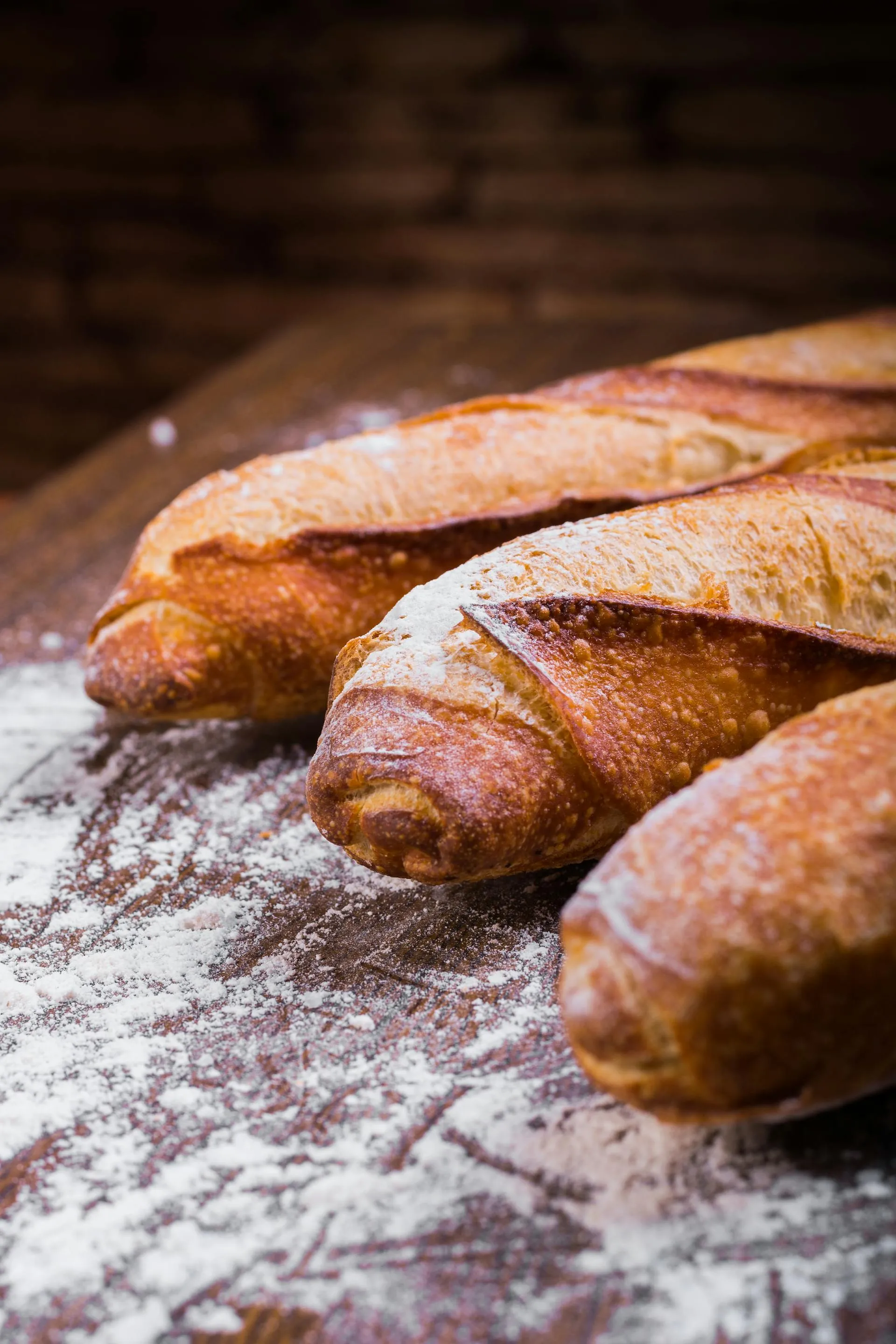
- Sight: Describe the appearance of the crust. Is it "deeply caramelized," "dusted with stone-ground rye," or "blistered from a high-heat stone oven"? Mention the "grigne" or the "ear"—the decorative ridge created when the baker scores the loaf.
- Sound: Bread has a distinct sound. A "crackling" crust or a "resonate, hollow thump" when tapped on the bottom indicates a well-baked loaf. These auditory cues signal freshness and quality.
- Touch: Focus on the "crumb" (the internal texture). Is it "pillowy and soft," "dense and chewy," or "open and lacy"? The contrast between a "shattering, crisp exterior" and a "tender, moist interior" is a classic hallmark of high-quality bread.
- Smell: Use specific aromatic descriptors. Instead of just "smells like bread," consider "toasted hazelnut notes," "yeasty sweetness," or the "tangy, lactic acidity" of a long-fermented sourdough.
The Narrative of Provenance
In 2026, consumers are increasingly interested in the "where" and "who" behind their food. A description should highlight the origin of the grains. Are you using "locally sourced, climate-resilient grains" from a specific mill? Is the flour "organic, stone-milled," preserving the germ and bran? Mentioning the heritage of the grain—such as Red Fife, Turkey Red, or Einkorn—adds a layer of historical value and health-conscious appeal that modern shoppers prioritize.
Technical Terminology for Professional Accuracy
While evocative language sells, technical details provide the "proof" of quality for connoisseurs and professional chefs. Understanding and correctly applying baking terminology allows you to communicate the specific style and effort involved in the bake.
Fermentation and Leavening
The way a bread is raised is a significant indicator of its flavor profile and digestibility.
- Sourdough/Levain: If the bread uses a wild yeast starter, use terms like "naturally leavened" or "slow-fermented." Explain that the 24-to-48-hour cold fermentation process breaks down gluten and phytic acid, resulting in a "complex, tangy profile" and "enhanced nutrient bioavailability."
- Poolish or Biga: For yeasted breads that use a pre-ferment, these terms signal a baker who values depth of flavor over speed. A poolish-based baguette offers a "nutty, sweet aroma" compared to a straight-dough version.
Hydration and Crumb Structure
The "hydration" of a loaf refers to the ratio of water to flour. High-hydration doughs (75%–85%+) are notoriously difficult to handle but yield the "open, irregular alveolar structure" (large holes) that is highly prized in Ciabatta and Tartine-style country loaves. Describing a loaf as having a "high-moisture, custardy crumb" tells a knowledgeable customer exactly what to expect from the mouthfeel.
The Maillard Reaction and Crust Development
The color of the bread is more than just a visual; it is a flavor indicator. The Maillard reaction is the chemical process that occurs between amino acids and reducing sugars that gives browned food its distinctive flavor. Referring to a "boldly baked, mahogany crust" suggests a "bittersweet, caramelized finish" that balances the acidity of the dough.
Crafting the Description: A Step-by-Step Approach
Writing a 50-to-100-word description for a menu or retail tag should follow a logical progression to ensure no detail is missed.
- The Title: Use a name that highlights the primary feature (e.g., "Heritage Spelt Sourdough" or "Stone-Milled Honey Oat").
- The Opening Hook: Start with the most striking sensory feature. "A deeply bronzed, rustic boule with a signature crisp ear..."
- The Process and Ingredients: Briefly mention the "why." "...hand-shaped and cold-fermented for 36 hours using 100% organic, locally milled Red Fife wheat."
- The Flavor Profile: Describe the palate. "Boasting a mild, lactic tang with undertones of toasted walnut and a moist, open crumb."
- The Pairing Suggestion: (Optional but effective) "Perfect for thick-cut sandwiches or served warm with cultured butter and sea salt."
Comparison of Bread Description Styles
Depending on the setting—a high-end restaurant menu, a local bakery shelf, or an e-commerce site—the style of the description will change.
| Description Type | Focus | Example Excerpt | Ideal Use Case |
|---|---|---|---|
| Minimalist/Artisan | Heritage & Method | "Naturally leavened country loaf. 18-hour ferment. Stone-ground organic wheat." | High-end Bakeries, Farmers Markets |
| Evocative/Marketing | Sensory Experience | "Shatteringly crisp crust gives way to a tender, custardy interior with a gentle sourdough tang." | Menus, Social Media, Food Magazines |
| Technical/Educational | Specs & Health | "85% hydration, heritage Einkorn flour. High fiber, low-glycemic index with an open crumb structure." | Specialty Health Shops, Wholesale Catalogs |
| Narrative/Story | Origin & History | "Crafted using a 50-year-old starter from the French Alps, this baguette is a tribute to traditional boulangerie." | Brand Websites, Gift Packaging |
The Psychology of Food Adjectives
In the realm of food copywriting, certain words carry more weight than others. Research in neuro-marketing suggests that "sensory-descriptive" words (like velvety, crunchy, succulent) stimulate the brain's gustatory cortex more effectively than "evaluative" words (like delicious, good, wonderful).
When describing bread, avoid "empty" adjectives. Instead of saying the bread is "fresh," say it is "oven-warm" or "baked daily at dawn." Instead of "tasty," use "savory," "malty," or "herbaceous." By providing specific details, you allow the customer's brain to fill in the experience, which increases the likelihood of a purchase.
Writing for Different Platforms
Retail Shelf Tags
Space is limited on a shelf tag. Focus on the name, the price, and a one-sentence summary.
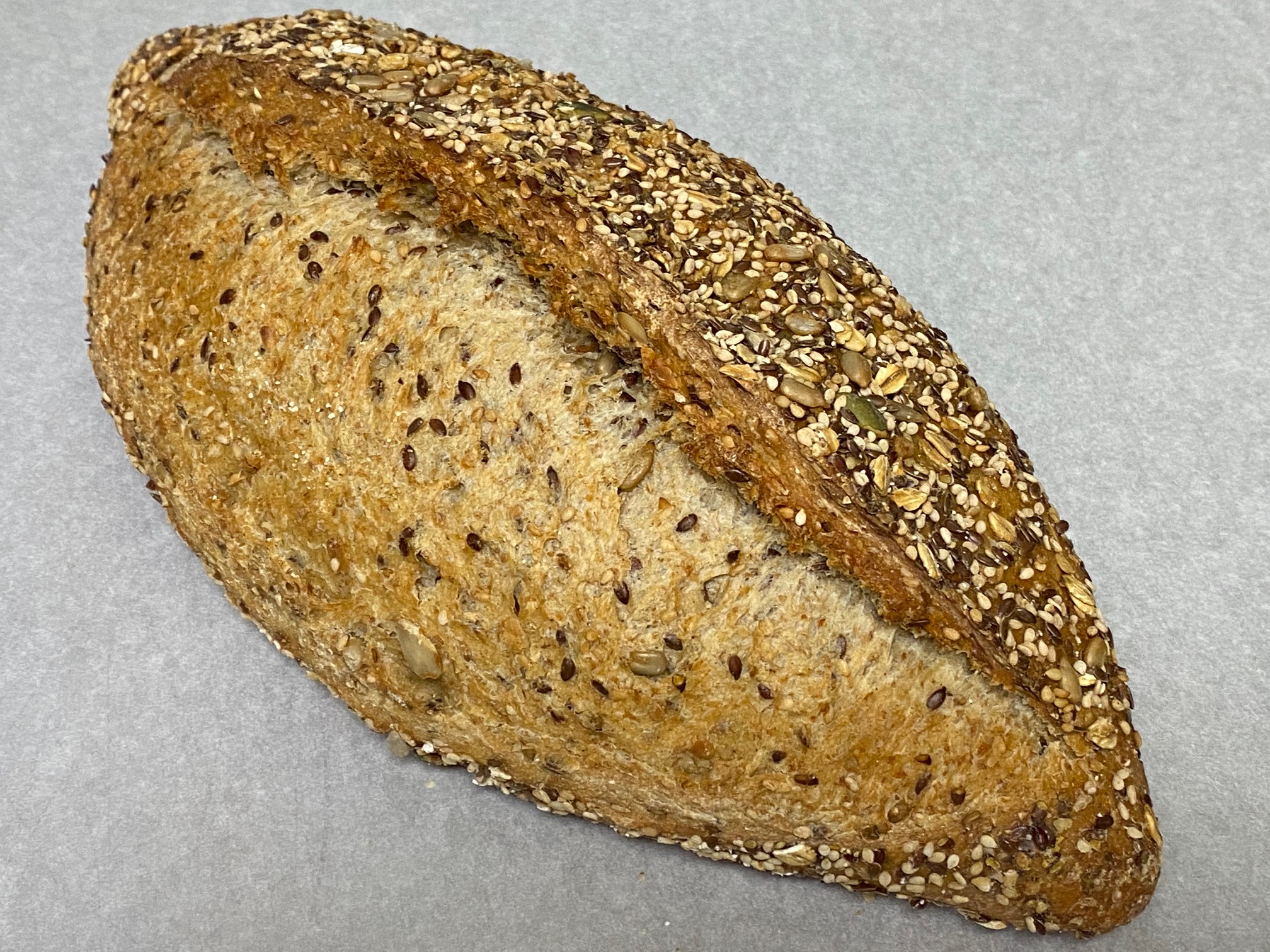
- Example: Seeded Whole Grain ($9): A nutrient-dense loaf packed with toasted sunflower and flax seeds, offering a crunchy exterior and a hearty, nutty crumb.
Restaurant Menus
In a restaurant setting, bread is often part of a "bread service" or a specific dish. The description should complement the overall theme of the menu.
- Example: House-Made Brioche: A rich, buttery French classic, glazed with local honey and flecked with Maldon sea salt. Served with whipped burnt-onion butter.
Digital and Social Media
Online, you have the benefit of imagery. Your text should add context that the photo cannot—namely, smell and taste. Use "long-form" descriptions that tell a story about the baker's process or the farm where the grain was grown.
Common Pitfalls in Bread Copywriting
Even experienced writers can fall into traps that make their descriptions feel repetitive or clinical.
- Overusing "Sourdough": While "sourdough" is a powerful keyword, using it three times in one paragraph is redundant. Use synonyms like "naturally leavened," "wild-yeast bread," or "levain."
- Neglecting Allergens: In 2026, transparency is paramount. Always ensure that ingredients like "malt," "honey," or specific nuts are clearly stated to assist those with dietary restrictions.
- The "Wall of Text": For mobile users, long paragraphs are difficult to read. Use bullet points or bold text to highlight key features like "Vegan," "Whole Grain," or "No Added Sugar."
- Generic History: Avoid phrases like "time-honored tradition" unless you can specify which tradition. Be specific about the techniques (e.g., "French long-lamination method").
Frequently Asked Questions
How long should a bread description be?
For retail labels, aim for 15–25 words. For menus or online product pages, 50–80 words is the "sweet spot" where you can provide enough sensory detail without losing the reader's attention.
Do I need to include the percentage of hydration?
Only if your target audience is "bread nerds" or professional chefs. For the average consumer, "high moisture" or "open crumb" is more descriptive and understandable than "80% hydration."
What is the best way to describe a "burnt" crust?
In artisanal baking, a dark crust is often intentional. Instead of "burnt," use terms like "boldly baked," "charred," "darkly caramelized," or "bien cuit" (the French term for well-cooked).
How do I describe gluten-free bread without making it sound unappealing?
Focus on what is in it rather than what is missing. Use terms like "nutrient-rich flour blend," "ancient seed crust," and "moist, dense texture." Highlighting ingredients like teff, buckwheat, or almond flour adds a premium feel.
Should I mention the age of the sourdough starter?
Yes, if it is significant. A starter that has been maintained for decades (or even centuries) suggests a stable, complex flavor profile that adds to the brand's heritage and perceived value.
Final Recommendation for Professional Results
To write a truly exceptional bread description, you must first experience the bread yourself. Break the loaf open, listen to the crust, smell the interior, and note the lingering aftertaste. Start with a "sensory dump" of every word that comes to mind, then refine those thoughts into a structured narrative that highlights the provenance of the grain, the patience of the fermentation, and the precision of the bake.
By combining technical accuracy with evocative storytelling, you transform a simple staple into a premium experience. In the 2026 market, where consumers value transparency and quality above all else, your ability to describe your craft is just as important as the craft itself.